Planting
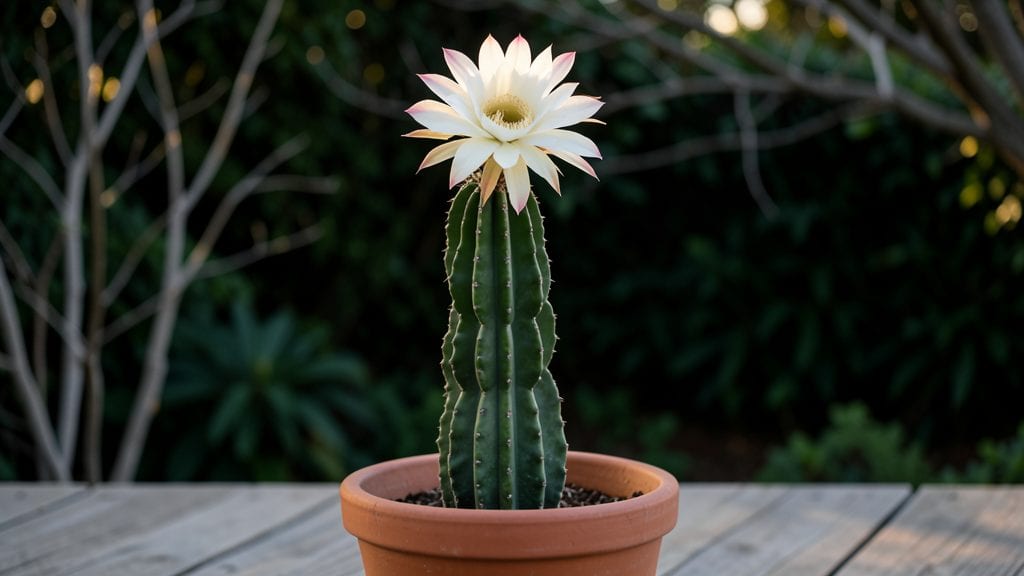
Cultivating a queen of the night flower plant means welcoming a plant that unfurls its ghostly white blooms only after sunset—like magic from another world. 🌙 The moment I first saw one open under my porch light, I knew this wasn’t just a plant; it was an experience.
These cacti aren’t just about looks—they’re about timing, patience, and creating the perfect conditions for their dramatic nightly show.
Growing them successfully comes down to three things: bright indirect light, well-draining soil, and a cool, dry winter dormancy. Too much direct sun scorches the pads, while poor drainage leads to rot. I’ve learned the hard way that skipping dormancy means fewer blooms—so don’t skip this step!
With the right setup, you’ll see those first creamy blossoms appear in late spring or early summer, lasting just one night before closing forever.
The payoff is worth every effort: Imagine stepping outside at dusk to find your patio illuminated by fragrant, moonlit flowers that smell like gardenias. These blooms attract night-flying moths, adding another layer of magic to your garden.
Once established, they’re surprisingly low-maintenance—just watch for pests like mealybugs and keep the soil slightly moist but never soggy.
Perfect for containers or ground planting in warm climates (zones 10-11), they also thrive indoors near bright windows. If you’re in cooler areas, grow them as annuals or overwinter them carefully.
The secret to success? Mimic their natural desert environment: hot days, cool nights, and minimal fuss. Ready to grow your own nocturnal spectacle?
📚 In This Guide
- What you need
- Instructions
- Tips and common mistakes
- Wrapping up and next steps
What you need
- ● Queen of the Night Plant: A healthy cutting or seedling (ensure it’s at least 6–12 inches long for cuttings).
- ● Well-draining potting mix: 2–3 gallons of cactus/succulent blend (mix 50% inorganic material like perlite or pumice with 50% organic matter like peat or coconut coir).
- ● Pot: A container with drainage holes (10–12 inches in diameter for mature plants). Terracotta is ideal!
- ● Gravel or pebbles: 1–2 inches to create a drainage layer at the pot’s bottom.
- ● Pruning shears or knife: Sterilized for cutting (if propagating from a cutting).
- ○ Rooting hormone (optional): To boost success for cuttings.
- ● Spray bottle: For misting (especially during acclimation).
- ○ Support structure (optional): A trellis or stake for climbing varieties.
- ○ Slow-release fertilizer (optional): A balanced 5-10-10 blend for feeding.
- ● A sunny location: At least 6 hours of direct sunlight daily (south-facing window or greenhouse).
- ● Warmth: Ideal temps between 70–90°F (21–32°C); avoid frost (this plant is tropical!).
- ● Patience: Queen of the Night blooms may take 2–5 years to open their magical nighttime flowers!
Step-by-step guide to growing Queen of the Night flowers
Here's how to coax these rare, nocturnal blooms into your garden—with minimal fuss.
🌱 Step 1: Select the Right Location and Planting Time
Queen of the Night (Selenicereus grandiflorus) thrives in warm climates with full sun exposure during the day, but its magic happens after dark. Plant in late spring or early summer when nighttime temperatures stay above 65°F—this ensures the plant establishes roots before cooler weather sets in.
Choose a spot with well-draining soil and shelter from strong winds, which can damage the delicate blooms. I like to plant mine near a fence or trellis where it can climb and spread. The roots are shallow, so avoid heavy, compacted soil—amend with compost if needed. You'll know you've picked the right spot when the plant shows vigorous new growth within 4-6 weeks of planting.
☀️ Step 2: Provide Optimal Light and Watering
These plants need bright, indirect light during the day to fuel their nighttime blooms. A south-facing window or partial shade works best in hotter climates—too much direct sun can scorch the pads. If growing indoors, supplement with a grow light for 12-14 hours daily to mimic natural conditions.
Water deeply once a week, allowing the top 2 inches of soil to dry out between waterings. Overwatering is the fastest way to kill Queen of the Night—its roots rot easily in soggy soil. You'll see the plant's health in its color: deep green, plump pads mean it's happy; yellowing or wrinkled pads signal thirst or overwatering.
🪴 Step 3: Train the Plant to Climb and Spread
Use a trellis, fence, or sturdy wire frame to guide the plant upward as it grows. Gently tie the stems with soft plant ties or twist ties every 6-8 inches to encourage vertical growth. The more the plant climbs, the more blooms it produces—each stem can grow 10-15 feet long in ideal conditions.
Prune leggy or overcrowded stems in early spring to redirect energy into new growth. Cut back only 1/3 of the plant at a time to avoid shocking it. You'll notice new, healthy shoots emerging within 2-3 weeks if the plant is well-established.
⏰ Step 4: Encourage Nighttime Blooming
The real magic happens after dark. Queen of the Night blooms open only at night, releasing a sweet, intoxicating fragrance that fills the air. To maximize blooms, ensure the plant gets full sun during the day and cool nights (around 70°F)—warmer nights can prevent blooming.
If your climate has early frosts, bring potted plants indoors before temperatures drop below 50°F. The blooms are sensitive to cold, and even a light frost will kill them. You'll know the plant is ready to bloom when it produces new, elongated stems—each one can bear a single, stunning flower.
🌿 Step 5: Maintain and Protect the Blooms
Once the flowers open at night, they last only one evening before wilting by morning. To preserve the experience, avoid touching the blooms—even a gentle brush can damage the delicate petals. The fragrance is strongest between 9 PM and midnight, so plan a moonlit evening to enjoy the show.
After blooming, let the spent flowers remain on the plant until they dry completely. This allows the plant to redirect nutrients back into its roots for next year's growth. In late fall, reduce watering and stop fertilizing to prepare the plant for dormancy. With proper care, your Queen of the Night will reward you with years of nocturnal beauty.
Tips & tricks for perfect Queen of the Night flower plant
Here's what nobody tells you about growing these magical night-blooming beauties—trust me, these tricks make all the difference.
Soil Secret: The Queen of the Night hates soggy feet! Mix in one part perlite or coarse sand to every two parts potting mix to improve drainage. I learned this the hard way after losing two plants to root rot—now I always amend the soil before planting. The roots are shallow, so a well-draining blend is critical for their survival, especially in humid climates.
Lighting Strategy: For indoor growers, position your plant within 12-18 inches of a south-facing window during winter months when daylight is shorter. If using grow lights, keep them 6-12 inches above the plant for those 12-14 hours daily—closer distance in winter, farther in summer to prevent scorching. I use a simple LED grow bulb that costs less than $20 and makes a world of difference.
Climbing Support: Don't wait until the plant is struggling to add support! Install your trellis or fence at planting time so the vines have something to grab onto immediately. I use flexible garden twine to gently tie the stems every 6-8 inches
Nighttime Temperature: Here's the thing about those 70°F nights—they're not just ideal, they're essential. If your summer nights creep above 75°F, consider moving potted plants to a shaded area or even indoors during peak heat. I've seen blooms fail completely in years when nights stayed consistently warm. The plant needs that temperature drop to trigger the blooming process.
Pro Tips for Queen Of The Night Flower Plant
- Here's what nobody tells you about growing these magical night-blooming beauties—trust me, these tricks make all the difference.
- Soil Secret: The Queen of the Night hates soggy feet!
- Lighting Strategy: For indoor growers, position your plant within 12-18 inches of a south-facing window during winter months when daylight is shorter.
Frequently asked questions
Got questions about the Queen of the Night flower plant? You’re not alone—this mysterious bloomer has plenty of curious growers wondering how to care for it. Below, we’ve rounded up the most common questions (and answers!) to help you cultivate these enchanting night-bloomers like a pro.
When does the Queen of the Night flower actually bloom?
The Queen of the Night (Selenicereus grandiflorus) typically blooms once per year, usually in late spring or early summer, but only at night! Its large, fragrant white flowers open around 9 PM and last just 24 hours before wilting by dawn. If you miss the bloom, don’t worry—it’s a rare but magical event!
How often should I water my Queen of the Night plant?
This cactus relative hates soggy roots, so water it sparingly—about every 2–3 weeks in summer and once a month in winter. Let the soil dry out completely between waterings. Overwatering is the #1 killer of Queen of the Night plants, so drainage is key—use a pot with holes!
Can I grow Queen of the Night indoors, or does it need a garden?
Yes! While it thrives outdoors in USDA zones 10–12, you can grow it indoors near a south-facing window or under grow lights. Just mimic its desert habitat: bright light, warm temps (60–80°F), and minimal humidity. A sunny patio or greenhouse also works if you live in cooler climates.
Why isn’t my Queen of the Night flowering?
Patience is key—these plants often take 3–5 years to bloom! If it’s mature but still not flowering, check these fixes:
- Light: Needs 6+ hours of direct sunlight daily (grow lights help indoors).
- Age: Ensure it’s at least 3–5 years old with multiple segments.
- Rest period: Mimic winter dormancy with cooler temps (50–60°F) and less water for 6–8 weeks.
- Fertilizer: Use a low-nitrogen cactus mix in spring/summer.
Are there any alternatives to Queen of the Night for night-blooming flowers?
If you love night-bloomers but want easier options, try these:
- Moonflower (Ipomoea alba) – Fast-growing vine with fragrant white blooms that open at dusk.
- Evening Primrose (Oenothera) – Hardy annual with yellow/pink flowers that last into morning.
- Night-Blooming Cereus (Hylocereus) – A cousin of Queen of the Night with edible fruit and stunning night blooms.
- Angel’s Trumpet (Brugmansia) – Dramatic, tropical blooms that perfume the night (but beware—it’s toxic!).
Wrapping up and next steps
The Queen of the Night flower plant is a mesmerizing marvel that transforms your garden into a magical nighttime spectacle with its fragrant, moonlit blooms. Whether you're a seasoned gardener or a curious beginner, its low-maintenance care and stunning visual appeal make it a must-have for any plant lover. 🌙✨
Ready to welcome this enchanting plant into your space? Start by gathering your supplies, choosing the perfect spot, and following the simple steps outlined above. Soon, you’ll be rewarded with a garden that truly comes alive after dark—one that will leave you and your guests in awe! 🌿💫