
Flowers
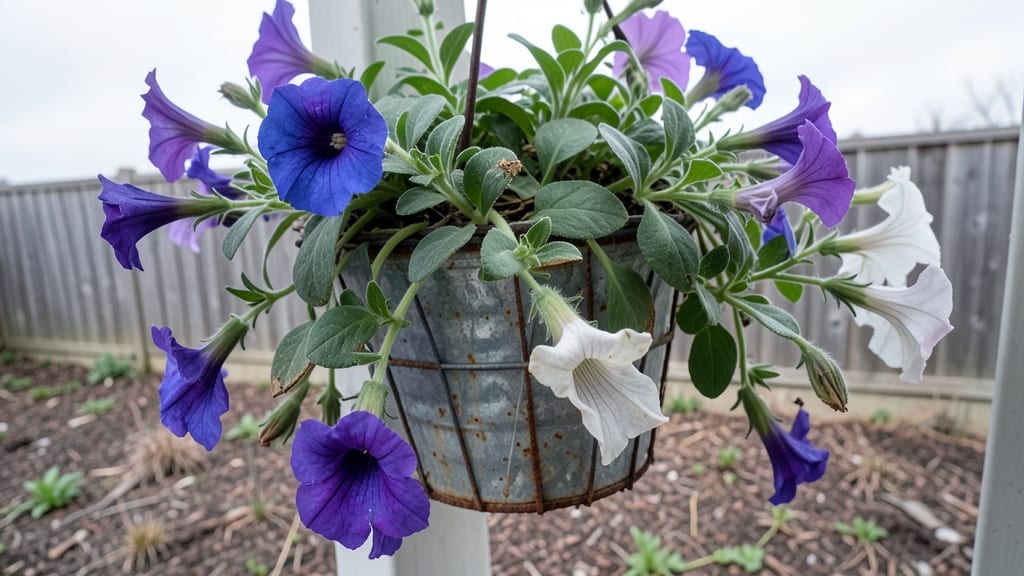
A rack balcony flower setup turns even the tiniest balcony into a vibrant vertical garden. I’ll never forget the first time I saw my neighbor’s tiny patio explode with color using just a simple metal rack—no wasted floor space, just cascading blooms at eye level.
The key is choosing lightweight containers and flowers that thrive in shallow roots, like petunias or trailing nasturtiums, which spill over edges like nature’s own curtains.
You don’t need fancy materials—repurposed wire racks, wooden crates, or even stacked plastic bins work perfectly. Just ensure each level has drainage holes and room for roots to breathe between containers.
My setup uses 12-inch-deep pots on each tier, holding about three plants per shelf, and it’s transformed my 4x6-foot balcony into a fragrant, buzzing ecosystem. The best part? You can rotate plants seasonally to keep the display fresh without overcrowding.
Imagine waking up to sun-kissed blooms framing your morning coffee or evening wind-down. With the right placement—like positioning taller flowers at the back and spillover varieties in front—you’ll create depth that makes your space feel intentionally designed.
Plus, the vertical layout keeps pests like slugs at bay while maximizing sunlight exposure for every plant. Let’s get your balcony blooming upward!
This system works for any balcony size, from urban micro-spaces to slightly larger patios. Whether you’re dealing with morning sun or afternoon shade, I’ll show you how to adapt the setup to your light conditions. The only limit is your imagination—and maybe the weight your railing can handle!
📚 In This Guide
- What you need
- Instructions
- Tips and common mistakes
- Wrapping up and next steps
What you need
- ● Rack balcony flower system: 1–2 modular vertical planters (adjustable height, 4–6 tiers, 12"–18" wide each)
- ● OR a DIY wooden/pallet rack (treated lumber, 2x4s, 8–10 ft long)
- ● Growing medium: 1–2 bags (1–2 cu. ft. each) of lightweight potting mix (e.g., coco coir + perlite blend)
- ● OR hydroponic clay pebbles (for soilless setups)
- ● Flowers: 6–12 small flowering plants (trailing or compact varieties like petunias, fuchsias, or nasturtiums)
- ● Seedlings (3–6 inches tall) or young plants (for faster results)
- ● Hardware: Screws/nails (if building DIY rack), waterproof sealant
- ● 1–2 hanging hooks (for lightweight planters)
- ○ Watering: Self-watering system (optional but helpful) or a 5-gallon watering can
- ● LED grow lights (for low-light balconies)
- ● Slow-release fertilizer (e.g., Osmocote)
- ● Decorative planter liners (for aesthetics)
- ● Trellis or netting (for climbing flowers like morning glories)
- ● Portable battery-powered fan (for airflow)
How to build a vertical flower rack for your balcony
Maximize tiny spaces with this simple, sturdy system that turns dead air into lush greenery.
Choose and Assemble Your Rack Frame
Start with a 4-tier wooden or metal rack designed for vertical gardening—look for one with 12-18 inch spacing between shelves to accommodate root depth. I prefer powder-coated metal frames because they resist rust and won’t warp in humidity. If using wood, treat it with a non-toxic sealant to prevent rot.
Place the rack on your balcony where it gets at least 6 hours of sunlight daily. South or west-facing spots work best for most flowers. Check for wind exposure—if gusts are strong, secure the rack to the railing with heavy-duty straps to prevent tipping. You’ll see how much more stable it feels once anchored.
Prepare Containers and Soil Mix
Use 4-6 inch deep containers (one per shelf) with drainage holes—terracotta pots or fabric grow bags work well. Fill each with a lightweight potting mix blended with 20% perlite or vermiculite to improve drainage. I like to pre-moisten the mix until it’s damp but not soggy, so it’s ready for planting immediately.
For 4 plants, you’ll need about 1 gallon of soil mix per container. Avoid garden soil—it compacts easily in shallow pots and suffocates roots. If your balcony gets hot afternoon sun, add a thin layer of mulch on top to retain moisture and keep roots cool.
Select and Plant Sun-Loving Flowers
Pick compact varieties like petunias, geraniums, or trailing nasturtiums—they thrive in shallow containers and add vibrant color. Plant one per container, digging a hole twice as wide as the root ball but no deeper. Gently firm the soil around the base to eliminate air pockets.
Water deeply right after planting to help roots settle. You’ll notice the soil surface looks slightly damp but not glistening—this is the perfect moisture level. Avoid overhead watering once planted; instead, water at the base to prevent fungal diseases from splashing soil onto leaves.
Position for Light and Water Consistently
Rotate the rack a quarter turn weekly so all plants get even sun exposure. You’ll see leggy growth if one side stretches toward the light—this is your cue to adjust. Most balcony flowers need 1 inch of water per week, but check the top inch of soil daily—if it’s dry, water again.
Fertilize every 2-3 weeks with a balanced liquid fertilizer (10-10-10) to keep blooms abundant. Stop fertilizing in late summer to encourage plants to toughen up for fall. Watch for yellowing leaves—this usually means overwatering or poor drainage, not enough fertilizer.
Prune and Maintain Through the Season
Deadhead spent blooms weekly to encourage more flowers. Pinch back leggy stems to promote bushier growth—you’ll see new side shoots emerge within a week. For trailing plants like nasturtiums, let them cascade over the edges for a lush, full look.
As summer progresses, check for pests like aphids or spider mites. Spray with neem oil if you spot them early—it’s organic and safe for flowers. By late fall, cut back plants to half their height and add a fresh layer of compost to the soil. This gives your rack a clean start for next season.
Tips & tricks for perfect vertical balcony flower racks
These simple strategies will help you create a thriving vertical garden that transforms even the smallest balcony into a lush floral oasis.
Material Selection Tip: For Step 1, if you're using wood, choose cedar or redwood—these naturally resist rot and insects without needing chemical treatments. I've found that untreated cedar lasts for years on balconies, even in humid climates. For metal racks, look for galvanized steel or powder-coated aluminum to prevent rust from water splashes and morning dew.
Sunlight Optimization: The 6 hours of daily sunlight mentioned is ideal, but if your balcony gets less, choose shade-tolerant varieties like impatiens or fuchsias. For sunnier spots, you can actually extend the growing season by adding a reflective surface like white plastic sheeting behind the rack—this bounces extra light onto the plants, especially in early morning or late afternoon when sun is lower.
Container Depth Strategy: When selecting containers in Step 2, remember that root depth matters more than you might think. For shallow-rooted flowers like petunias, 4-inch pots work fine, but if you want to grow deeper-rooted plants like lavender later, opt for the 6-inch deep containers. The extra depth gives roots room to establish without becoming root-bound too quickly.
Watering Wisdom: The daily check of the top inch of soil is crucial, but I've learned that timing matters too. Water in the early morning so plants have all day to dry out—this prevents fungal issues that come from overnight moisture. If your balcony gets afternoon sun, you might need to water twice daily during heatwaves, but always check that top inch first.
Pro Tips for Rack Balcony Flower
- These simple strategies will help you create a thriving vertical garden that transforms even the smallest balcony into a lush floral oasis.
- Material Selection Tip: For Step 1, if you're using wood, choose cedar or redwood—these naturally resist rot and insects without needing chemical treatments.
- Sunlight Optimization: The 6 hours of daily sunlight mentioned is ideal, but if your balcony gets less, choose shade-tolerant varieties like impatiens or fuchsias.
Frequently asked questions
Got questions about transforming your small balcony into a vertical floral paradise? Here are some of the most common concerns—and their practical solutions—to help you grow a stunning rack balcony flower garden with confidence!
What’s the best type of flowers for a rack balcony system?
Opt for lightweight, compact varieties like petunias, pansies, or trailing nasturtiums—they thrive in shallow pockets and add vibrant color. Avoid heavy blooms (e.g., hydrangeas) that may strain the structure. Pro tip: Choose self-watering pockets to reduce maintenance!
How long does it take for flowers to bloom in a rack system?
Most annuals bloom in 6–8 weeks with proper care, while perennials may take 2–3 months to establish. Start seeds indoors 4–6 weeks before the last frost for a head start. Patience pays off—think of it as a slow-motion floral masterpiece!
How often should I water a rack balcony flower setup?
Check moisture daily in hot weather—water deeply 2–3 times weekly (more in direct sun). Use a drip irrigation system or spray bottle to avoid overwatering pockets. Morning watering prevents evaporation and fungal issues.
What if my flowers look wilted or yellow?
Yellowing leaves often signal overwatering or nutrient deficiency. Trim affected foliage, adjust watering, and fertilize with a balanced liquid feed (every 2 weeks). Check for pests (aphids, spider mites) and treat with neem oil if needed.
Can I reuse a rack balcony flower system for multiple seasons?
Clean pockets thoroughly after each season, store the rack in a dry place, and refresh soil with compost. Winterize by covering with frost cloth or moving indoors. Rotate plants annually to prevent soil depletion!
What’s a budget-friendly alternative to a pre-made rack?
DIY with cinder blocks + landscape fabric (create pockets) or repurpose an old wooden pallet with plastic liners. Add hydroponic mats for a lightweight, reusable option. Thrift stores often have cheap planters too!
Wrapping up and next steps
Transforming your small balcony into a lush, vibrant garden is easier than ever with a rack balcony flower system! These vertical space multipliers let you grow more plants in less room, adding beauty and freshness without sacrificing square footage.
Whether you're a beginner or a green thumb, this setup is your ticket to a thriving balcony oasis—start small, dream big, and watch your space bloom!
Ready to take the next step? Pick your favorite flowers, gather your supplies, and get planting! 🌸 Your balcony’s green revolution begins today.