
Flowers
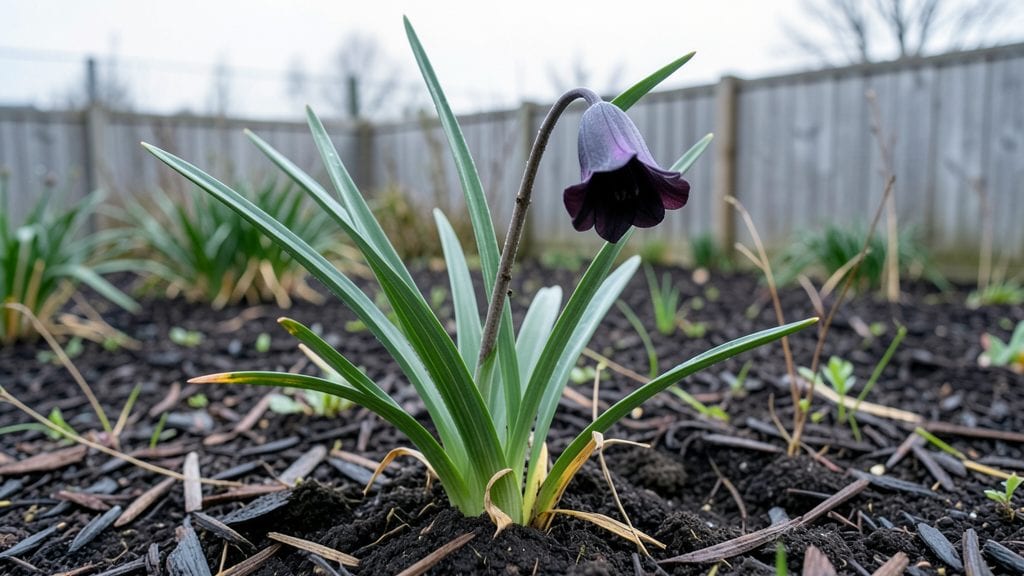
Dark gothic flowers aren’t just plants—they’re mood setters, transforming any garden into a hauntingly romantic sanctuary where drama thrives. 🌿 I fell for this aesthetic after seeing how deep velvety blacks, bruise-purple blooms, and silver foliage create an atmosphere that feels like a living painting.
The key isn’t just the flowers themselves but how they interact with shadows, textures, and even the right lighting to amplify their eerie beauty.
Start with black calla lilies for their velvety petals that seem to drink in light, or deep purple irises that glow like twilight. Pair them with silver foliage like lamb’s ear or dusty miller to create striking contrasts.
These plants aren’t picky—they love full sun to partial shade and thrive in well-draining soil, making them perfect for both experienced gardeners and those just diving into moody designs.
What you’ll end up with is a garden that feels like stepping into a dark fairy tale—rich, immersive, and utterly captivating. The velvety textures of dahlias, the dramatic spikes of black statice, and the silvery sheen of ornamental grasses create layers that shift with the light.
Add a few flickering lanterns or wrought-iron accents, and you’ve got a space that feels alive with mystery.
This aesthetic works year-round, from autumn’s fiery hues to winter’s stark silhouettes against snow. Whether you’re designing a full garden or just a corner, the secret is balancing bold blooms with subtle textures. Let’s bring that gothic charm to life—one dramatic plant at a time.
📚 In This Guide
- What you need
- Instructions
- Tips and common mistakes
- Wrapping up and next steps
What you need
- ● Black Baccara Roses – 3-5 plants (for deep, velvety blooms)
- ● Black Callas – 3-4 bulbs (dramatic, ghostly spikes)
- ● Dark Purple Statice – 5-7 stems (dried, textured foliage)
- ● Bleeding Heart (Dark Red) – 3-4 plants (haunting, drooping blooms)
- ● Black Mondo Grass – 1-2 clumps (lush, shadowy ground cover)
- ● Thorny Roses (e.g., 'Boule de Neige' or 'Souvenir de la Malmaison') – 2-3 bushes (for gothic texture)
- ● Silver Falls Dichondra – 1-2 plants (ethereal, cascading greenery)
- ● Heuchera (Velvet Red or Black) – 3-5 plants (deep, moody leaves)
- ● Dried Lavender or Rosemary – Small bundles (for dried arrangements)
- ○ Moss (Sheet Moss or Cushion Moss) – Optional, for a mystical forest floor
- ● Garden trowel & gloves (for planting)
- ● Pruning shears (for shaping thorny roses)
- ● Dark mulch (e.g., black or deep brown) – 2-3 bags (to enhance contrast)
- ○ Gothic garden ornaments (optional: wrought-iron stakes, antique statues, or weathered crosses)
- ● Slow-release fertilizer (for nutrient-rich soil)
How to design a dark gothic flower garden
Here's the moody, dramatic approach I use to create gardens that feel like a living painting.
🌿 Step 1: Select the Right Dark Botanicals
Start with deep purple-black flowers like black bat flower (Tacca chantrieri), black calla lilies (Zantedeschia aethiopica 'Black Callas'), and black dahlias—these are the stars of your gothic palette. Add ebony basil (Ocimum basilicum 'Black Magic') and purple velvet sage (Salvia officinalis 'Purpurascens') for foliage contrast. I always include bleeding heart (Dicentra spectabilis) in deep burgundy for vertical drama.
For texture, incorporate Spanish moss (Tillandsia usneoides) draped over structures and black mondo grass (Ophiopogon planiscapus 'Nigrescens') as a low border. These plants create that haunting, almost supernatural atmosphere. Avoid anything too bright—stick to velvety purples, deep reds, and charcoal blacks for cohesion.
☀️ Step 2: Position for Maximum Moody Impact
Gothic gardens thrive in dappled shade to partial sun—think morning sun with afternoon shade. Place taller plants like black bat flower (6 feet) at the back, surrounded by mid-height calla lilies (3 feet) and bleeding hearts (2 feet). Use black mondo grass as a living border to frame the space.
Add dramatic lighting with black metal trellises or wrought-iron arches draped with Spanish moss for an eerie, romantic effect. I like to position seating (like a black wrought-iron bench) where the light filters through foliage, casting dark, shifting shadows across the garden.
🪴 Step 3: Layer Soil and Mulch for Gothic Texture
Use dark, rich compost mixed with peaty soil to create a moist, fertile base—these plants love acidic, well-draining conditions. Top with 3-4 inches of black mulch (like cypress mulch or dark pine bark) to suppress weeds and deepen the color palette. This keeps the garden looking intentional and unnatural, like a curated forest.
For extra drama, add crushed charcoal or black gravel around plants to enhance their dark, velvety appearance. This also helps retain moisture while keeping the look sharp and intentional. Avoid light-colored mulches—they’ll clash with your gothic theme.
💧 Step 4: Water and Maintain for Long-Lasting Drama
Water deeply 2-3 times per week, ensuring the soil stays evenly moist but not soggy—these plants hate drought but won’t tolerate waterlogged roots. I use drip irrigation with black tubing to keep it sleek and hidden. Fertilize monthly with a slow-release, organic fertilizer to keep foliage deep and glossy.
Prune spent blooms immediately to encourage continuous flowering and maintain that haunting, untamed look. In late fall, cut back dead foliage but leave dried seed heads (like black dahlias) for winter interest. This creates a natural, decaying aesthetic that fits the gothic theme perfectly.
✂️ Step 5: Add Gothic Accents for Extra Drama
Incorporate black metal sculptures, weathered stone urns, or antique lanterns to elevate the mood. I like hanging iron cages with ivy or black clematis for a caged, romantic feel. Place black wrought-iron gates or lattice panels to create hidden, secretive spaces within the garden.
For scent, add night-scented stocks (Matthiola longipetala) or moonflower (Ipomoea alba)—their intoxicating evening fragrance enhances the gothic atmosphere. Avoid daytime-blooming flowers with bright scents; they’ll disrupt the moody, mysterious vibe you’re cultivating.
Tips & tricks for perfect dark gothic flower gardens
Creating a gothic garden isn't just about planting dark flowers—it's about crafting an atmosphere. Here are the secrets that elevate your garden from ordinary to hauntingly beautiful.
Plant Selection Beyond the Obvious: While black dahlias and calla lilies are staples, don't overlook dark purple sweet potatoes (Ipomoea batatas) for their velvety leaves and black mondo grass as a dramatic border. I've found that ebony basil and purple velvet sage create stunning foliage contrasts when planted in clusters of three. For height variation, mix 6-foot black bat flowers with 3-foot calla lilies and 2-foot bleeding hearts—this layered approach creates that "living painting" effect mentioned in the instructions.
Lighting and Shadow Play: The instructions mention positioning for dappled shade, but true gothic gardens thrive on contrasting light and shadow. I recommend placing a black wrought-iron bench where morning light filters through Spanish moss draped over arches—this creates those signature dark, shifting shadows. For evening drama, add solar-powered black lanterns that activate at dusk; their flickering glow transforms the garden into a moonlit sanctuary.
Soil Secrets for Velvety Foliage: The acidic, peat-based soil mix in Step 3 is crucial, but here's the pro tip: add 1 part crushed charcoal to your mulch mixture. This not only enhances the dark palette but also improves drainage while keeping roots cool. I've noticed that plants in this soil develop deeper, glossier leaves—almost like they've been polished. For extra richness, work in 1 cup of worm castings per plant at planting time; it gives that lush, almost unnatural look that gothic gardens crave.
Year-Round Interest Strategy: The instructions mention leaving dried seed heads for winter interest, but here's how to take it further: Bundle and preserve the seed heads of black dahlias and bleeding hearts in late fall. Hang them in black burlap sacks near seating areas—they'll maintain their dark hues through winter and create that decaying, romantic aesthetic. I also plant evergreen ferns in deep purple varieties to provide structure when other plants go dormant.
Pro Tips for Dark Gothic Flowers
- Creating a gothic garden isn't just about planting dark flowers—it's about crafting an atmosphere.
- Plant Selection Beyond the Obvious: While black dahlias and calla lilies are staples, don't overlook dark purple sweet potatoes (Ipomoea batatas) for their velvety leaves and black mondo grass as a dramatic border.
- Lighting and Shadow Play: The instructions mention positioning for dappled shade, but true gothic gardens thrive on contrasting light and shadow.
Frequently asked questions
Got questions about dark gothic flowers? You’re not alone!
Here are some of the most common queries—plus answers to help you craft your own hauntingly beautiful garden.
What are the best dark gothic flowers for beginners?
Start with hardy, low-maintenance picks like Black Baccara roses, Queen of Night tulips, or Velvet Black pansies. These thrive in partial shade and add instant drama without fuss. Pro tip: Pair them with silver foliage (like lamb’s ear) for a striking contrast!
How long does it take for dark gothic flowers to reach their full "spooky" potential?
Most dark varieties take 6–12 weeks to bloom after planting, depending on the species. Black calla lilies and Night Rider dahlias are faster (4–6 weeks), while ebony statuesque gladioli may take closer to 3 months. Patience pays off—the deeper the hue, the more gothic the vibe!
Can I grow dark gothic flowers in full sun? Or do they need shade?
Many thrive in partial shade (4–6 hours of sun), but some—like Black Knight lilies—tolerate full sun if soil stays moist. Key rule: Avoid harsh afternoon sun, which can fade petals faster. Test your garden’s light with a light meter app for precision!
Are there non-toxic dark gothic flowers for pets?
Yes! Opt for Black Mondo grass, Purple Heart (Tradescantia), or Black Scallop ajuga—all pet-safe and gothic-chic. Skip: Lily of the Valley or Foxglove (toxic). Always double-check with the ASPCA’s toxicity list before planting.
How can I enhance the "dark gothic" aesthetic with other plants?
Layer with silver foliage (e.g., Artemisia ‘Silver King’), deep purples (e.g., Black Adder bugbane), and spiky textures like Dracaena or Yucca. Add ornamental skulls or wrought-iron trellises for extra drama. Bonus: Mulch with black gravel to unify the look!
What should I do if my dark flowers lose their color or fade too fast?
Fading often signals overwatering, nutrient deficiency, or too much sun. Fix it:
- Water deeply but less often (1–2 inches per week).
- Fertilize with low-nitrogen, high-phosphorus (e.g., 5-10-10) for vibrant blooms.
- Move pots/plants to dappled shade if leaves scorch.
Wrapping up and next steps
Dark gothic flowers bring a mesmerizing blend of elegance and mystery to any garden, evoking romance, drama, and timeless beauty.
Whether you’re drawn to their velvety petals, deep hues, or haunting folklore, these botanical treasures transform spaces into enchanting retreats. Embrace their allure—start small with a single striking specimen or go bold with a full gothic-themed oasis!
🌹 Next Steps to Cultivate Your Gothic Garden:
- Research varieties—pick flowers that thrive in your climate (e.g., Black Baccara roses or Moonflower).
- Experiment with pairings—mix textures (lace cap hydrangeas + thorny roses) for depth.
- Share your vision—tag us @DarkGardenEnthusiast to inspire others!