Flowers
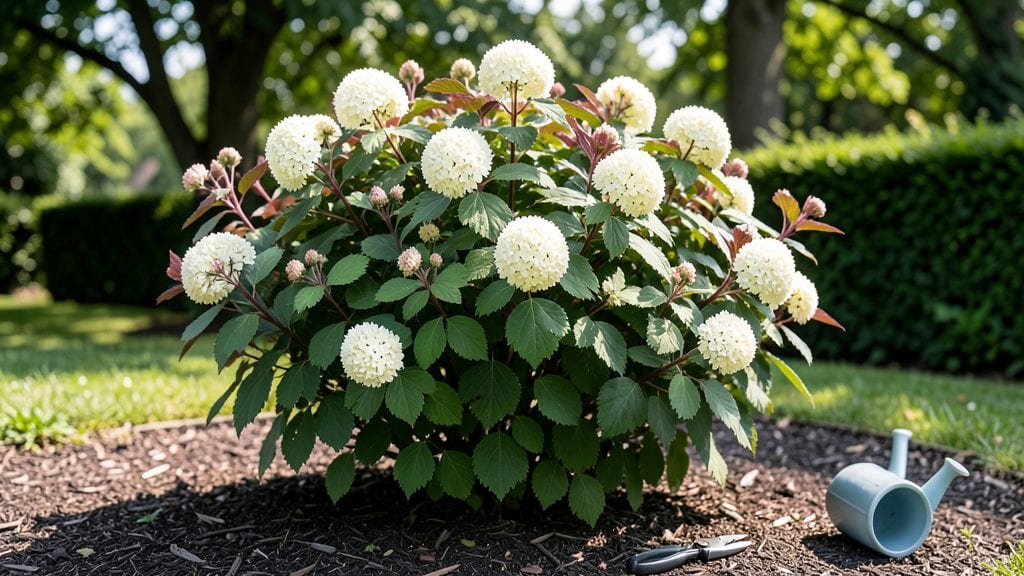
Those purple snowball flowers in your garden are about to become the star of the show—especially if you're in the Pacific Northwest, where they thrive year-round. 🌿 Their dramatic, rounded blooms burst with color just as winter fades, creating a focal point that feels like a hug for your landscape.
The secret to their magic lies in how they pair with other plants, turning ordinary spaces into showstoppers.
Think of them as the centerpiece of your garden borders or hedges, where their vibrant purple contrasts beautifully with evergreens like rhododendrons or boxwoods. They also play well with early spring bloomers like hellebores or camellias, ensuring your garden never looks bare.
Their frost resistance means you can count on them for drama even when other plants are still sleeping.
What you'll love most is how they transform a simple garden into a layered masterpiece—imagine their blooms peeking over a stone path or framing a patio entrance. The texture of their leaves adds depth, while their height (up to 10 feet) makes them perfect for creating vertical interest.
This is the plant that turns good gardens into unforgettable ones.
Whether you're designing a new border, refreshing an old hedge, or just want a plant that steals the show, purple snowball flowers deliver year-round structure and seasonal flair.
Pair them with silver foliage plants like lamb's ear or white blooms like cherry blossoms for a look that feels fresh and timeless. Let's make your garden the envy of the neighborhood.
📚 In This Guide
- What you need
- Instructions
- Tips and common mistakes
- Wrapping up and next steps
What you need
- ● Purple snowball plant: 1 bare-root or container-grown Viburnum odoratissimum (ensure it’s labeled for cold-hardy zones 5-8).
- ● Well-draining soil: 2-3 cubic yards of a mix of native soil, compost (1 part), and perlite/sand (1 part) for aeration.
- ● Organic mulch: 3-4 inches of shredded bark, wood chips, or pine needles to retain moisture and protect roots.
- ● Slow-release fertilizer: 10-10-10 or a balanced organic option (e.g., fish emulsion) for planting.
- ● Watering can or hose: With a gentle spray nozzle for hydration.
- ● Garden gloves: 1 pair (heavy-duty for digging).
- ● Trowel or spade: For transplanting and soil prep.
- ○ Pruning shears: Sharp, sterilized shears for shaping (optional but helpful).
- ● Measuring tape: To mark planting depth and spacing (3-5 feet apart for mature plants).
- ● pH testing kit: To ensure soil pH is 5.0-6.5 (slightly acidic to neutral).
- ● Epsom salt (for magnesium boosts).
- ● Mulch ring or landscape fabric to keep mulch in place.
- ● Drip irrigation system for low-maintenance watering.
- ● Companion plants like ferns or rhododendrons for a lush PNW vibe.
How to plant and care for purple snowball bushes in the Pacific Northwest
These stunning shrubs thrive in your region's cool, wet climate—here's how to get them growing strong.
🌱 Step 1: Choose the Perfect Planting Location
Purple snowball bushes (Viburnum odoratissimum) love partial shade, making them perfect for your Pacific Northwest's dappled sunlight. Pick a spot with 4-6 hours of morning sun and afternoon shade—too much direct sun can scorch the delicate blooms. I always choose areas near patios or walkways where you'll enjoy their fragrant spring flowers.
The soil should drain well but retain moisture—these plants hate soggy roots. If your yard has heavy clay, amend with 2-3 inches of compost mixed into the top 12 inches of soil. Test the spot by digging a small hole: if water pools instead of draining within 10 minutes, improve drainage by adding coarse sand or gravel.
🪴 Step 2: Plant at the Right Depth and Spacing
Dig a hole twice as wide as the root ball but only as deep—planting too deep suffocates the roots. Gently loosen the roots if they're circling tightly in the container. Place the bush in the hole, then backfill with native soil mixed with 1 part compost to help establish strong root growth.
Space plants 6-8 feet apart for full, lush growth. Purple snowballs grow into rounded shrubs 6-10 feet tall, so give them room to spread without crowding. Water deeply right after planting to settle the soil and eliminate air pockets around the roots—you'll see the soil settle about 1 inch as you water.
☀️ Step 3: Water and Mulch for Year-Round Success
Water deeply once a week during the first growing season until the plant establishes roots, usually 6-12 months. You'll know it's time to water when the top 2 inches of soil feel dry to the touch. After establishment, these drought-tolerant shrubs need water only during extended dry spells—2-3 weeks without rain in summer.
Apply 3 inches of mulch around the base, keeping it 3 inches away from the trunk to prevent rot. I use shredded bark or wood chips because they break down slowly and improve soil structure over time. Replenish mulch annually in early spring to protect roots from winter freeze-thaw cycles common in the PNW.
✂️ Step 4: Prune for Shape and Encourage Blooms
Prune after flowering in late spring or early summer to shape the bush and encourage next year's blooms. Remove dead, crossing, or weak branches first, then trim back overgrown stems to just above a outward-facing bud. Never cut into old wood—purple snowballs bloom on new growth, so pruning too late in summer reduces next year's flowers.
For a fuller look, thin out 1-2 oldest stems each year to improve airflow and reduce disease risk. I like to step back and shape the bush like a rounded dome—this mimics its natural form and makes the snowball-like purple blooms stand out beautifully against the dark green foliage.
🌿 Step 5: Protect from Winter and Prevent Common Issues
Purple snowballs handle PNW winters well, but young plants benefit from a 2-3 inch layer of mulch in late fall to insulate roots. If your winters are particularly harsh (below 10°F), wrap the base with burlap for extra protection—just remove it in early spring before new growth starts.
Watch for aphids or spider mites on new growth in spring. I spray affected areas with neem oil (mix 1 tablespoon per gallon of water) to control pests without harming beneficial insects. If leaves yellow, it's usually iron deficiency—apply chelated iron to the soil in early spring when new growth begins.
Tips & tricks for perfect purple snowball bushes
A few simple strategies will help your purple snowball bushes thrive in the Pacific Northwest's unique climate.
Location is Everything: When selecting your spot in Step 1, pay attention to how sunlight moves across your yard throughout the day. The 4-6 hours of morning sun should be gentle—avoid areas where the sun hits directly after 10 AM. I've found that north or east-facing locations work best for these delicate blooms, especially near evergreens that provide natural afternoon shade. Also, consider planting near seating areas so you can enjoy the heavenly fragrance during spring evenings.
Soil Test Before Planting: Before amending your soil in Step 1, do a simple test: dig a hole about 12 inches deep and fill it with water. If it drains completely within 10 minutes, your soil is perfect. If not, mix in 2-3 inches of compost with 1 part coarse sand for better drainage. I've seen plants struggle when the soil stays too wet—this simple test saves headaches later!
Planting Depth Matters: In Step 2, remember that planting too deep can actually kill your bush. The top of the root ball should sit just 1 inch below soil level—this prevents water from pooling around the stem. After planting, give the soil a gentle pat to eliminate air pockets, then water deeply until you see about 1 inch of settlement. This ensures good root-to-soil contact right from the start.
Pruning for Maximum Blooms: When pruning in Step 4, focus on creating an open center rather than just shaping the bush. The 1-2 oldest stems you remove each year should be the thickest ones growing from the base. This encourages new growth from the center where the flowers appear. I like to prune just after flowering when the buds for next year's blooms are already forming—this gives you the best of both worlds.
Pro Tips for Purple Snowball Flowers
- A few simple strategies will help your purple snowball bushes thrive in the Pacific Northwest's unique climate.
- Location is Everything: When selecting your spot in Step 1, pay attention to how sunlight moves across your yard throughout the day.
- Soil Test Before Planting: Before amending your soil in Step 1, do a simple test: dig a hole about 12 inches deep and fill it with water.
Frequently asked questions
Got questions about growing and caring for purple snowball flowers? You’re not alone! Here are some of the most common queries from gardeners in the Pacific Northwest and beyond—plus quick answers to keep your viburnum thriving year-round.
How fast do purple snowball flowers grow?
These beauties are moderate growers—expect 12–24 inches per year under ideal conditions. With proper spacing (10–15 feet apart), they’ll reach their mature height of 6–12 feet in 3–5 years. Patience pays off with those stunning spring blooms!
Are purple snowball flowers truly frost-resistant?
Viburnum odoratissimum thrives in USDA Zones 7–9 and handles frost like a champ. While young plants may need winter mulch, established bushes shed snow easily and bounce back after cold snaps. Just avoid late spring frosts—blooms are sensitive then!
When do purple snowball flowers bloom, and how long does it last?
Timing varies slightly by climate, but you’ll typically see fragrant, snowball-shaped blooms in late winter to early spring (February–April). The show lasts 4–6 weeks, but some varieties offer occasional reblooms in fall. Prune after flowering to encourage next year’s display!
What if my purple snowball isn’t blooming?
No flowers? Don’t panic! Check these fixes:
- Age: Young plants (under 3 years) may not bloom yet.
- Light: Ensure it gets full sun to partial shade.
- Pruning: Over-pruning can reduce blooms—trim only after flowering.
- Fertilizer: A balanced, low-nitrogen feed in early spring helps.
Can I grow purple snowball in containers?
While possible, it’s not ideal—these plants have large root systems and prefer in-ground planting. If you’re set on containers, choose a huge pot (20+ gallons), use well-draining soil, and expect slower growth and fewer blooms. Better to plant in the ground for long-term success!
Are purple snowball flowers deer-resistant?
Good news! Deer rarely bother these shrubs due to their bitter leaves. However, hungry deer in winter might nibble young shoots. Use repellent sprays or plant near deer-resistant companions like boxwood or rosemary for extra protection.
Wrapping up and next steps
Purple snowball flowers are the perfect choice for gardeners in the Pacific Northwest who crave year-round beauty with minimal fuss. Their frost-resistant nature, striking blooms, and low-maintenance care make them a standout addition to any landscape—whether you're a seasoned gardener or just starting out. 🌸
Ready to bring some color and drama to your outdoor space? Start by picking the right variety for your climate, gathering your supplies, and planting with confidence. Every garden deserves a little magic—why not make it purple?
Next steps:
- 🌱 Plant now! Choose a sunny spot and get those roots in the ground.
- 📅 Mark your calendar for seasonal pruning and care tips.
- 📸 Share your progress—tag us in your garden photos! #PurpleSnowballLove