
Flowers
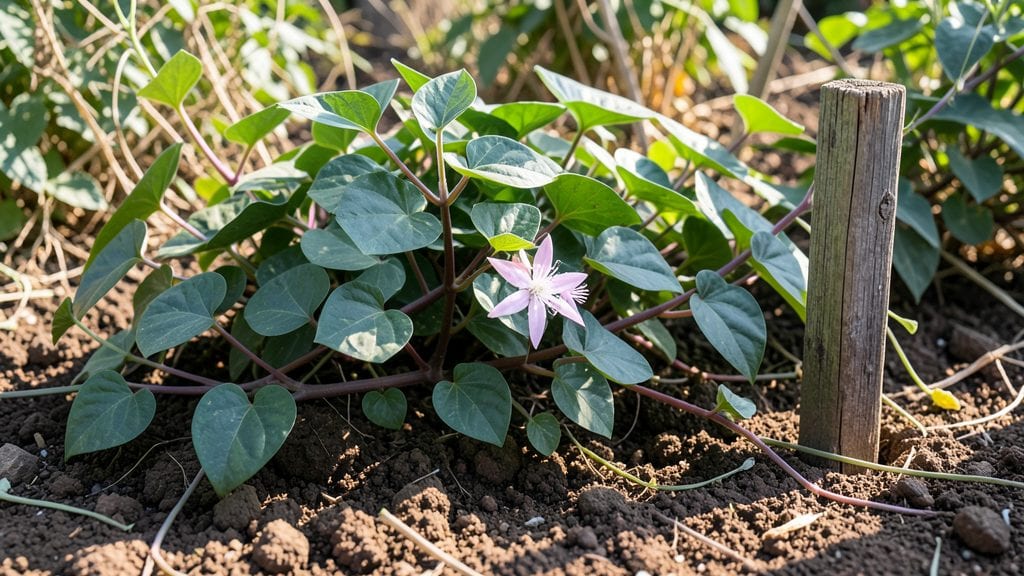
The Malabar spinach flowers you've been eyeing aren't just pretty—they're the star of a tropical canopy that blooms reliably all year long. 🌿 I've grown these vining beauties for years, and their delicate white flowers (with those stunning purple centers) make any garden feel like a rainforest retreat.
What's even better? They're edible, so you get double the reward: flowers for garnishes and leaves for stir-fries.
These plants thrive with 6+ hours of sunlight daily and well-draining soil that stays slightly moist but never soggy. The key to their continuous blooming is regular pruning—snipping back leggy vines encourages fresh growth and more flowers.
I've found that a monthly light trim keeps them compact and flowering like clockwork, even in hot summers or mild winters.
What you'll love most is how effortlessly they produce those striking flowers—no deadheading required. The vines grow fast, so train them on trellises or let them cascade in hanging baskets.
By late spring, you'll have a canopy of delicate blooms that attract hummingbirds while adding a touch of elegance to your meals.
Works beautifully in zones 9-11, but container gardeners in cooler areas can bring them indoors during winter. Just keep them near a sunny window or under grow lights. The secret to their success? Treat them like the tropical plants they are—warm, humid, and consistently moist.
📚 In This Guide
- What you need
- Instructions
- Tips and common mistakes
- Wrapping up and next steps
What you need
- ● Malabar spinach plants (Basella alba or Basella rubra) – Start with 3-5 healthy vines (potted or bare-root) from a nursery or trusted seed supplier.
- ● Well-draining potting mix – A blend of 60% peat/coir, 20% perlite, and 20% compost (or tropical garden soil for in-ground planting).
- ● Containers or garden bed – 5-gallon pots or larger (if container-grown) with drainage holes, or a sunny, sheltered garden spot (6+ hours of light daily).
- ● Slow-release fertilizer – Balanced 10-10-10 or organic options like fish emulsion (follow package rates).
- ● Support structure – Trellis, fence, or sturdy stakes (vines can grow 10-20 feet!).
- ● Watering can or hose – Keep soil consistently moist but not soggy.
- ● Pruning shears – For trimming leggy vines or deadheading spent blooms.
- ○ Gloves – Optional but helpful (sap can stain skin).
- ○ Mulch (optional) – Straw or shredded leaves to retain moisture and suppress weeds.
- ○ pH test kit (optional) – Ideal soil pH: 6.0–7.0 (adjust with lime or sulfur if needed).
- ● Humidity tray (indoor growers) – A pebble tray with water to mimic tropical conditions.
How to grow stunning Malabar spinach flowers for year-round color
Here's the simple approach I use to coax vibrant, continuous blooms from this tropical beauty.
🌱 Step 1: Select the Right Variety and Planting Site
Choose a Malabar spinach cultivar known for its flowering habit, like 'Ruby Falls' or 'Tropical Gem'. These varieties produce showy, pink or white blossoms that contrast beautifully with their lush foliage. Plant in well-draining soil with a pH between 6.0-7.0—this tropical plant thrives when roots aren't waterlogged.
Find a location with partial shade to dappled sunlight—think morning sun with afternoon shade. Too much direct sun scorches the leaves, while too little light stunts flowering. I've found that east-facing windows or under high-canopy trees create the perfect balance. If growing in containers, use pots with drainage holes and a minimum 12-inch diameter to accommodate the sprawling vines.
☀️ Step 2: Provide Consistent Moisture and Humidity
Malabar spinach loves moisture but hates soggy roots. Water deeply 2-3 times per week, ensuring the top 2 inches of soil stay consistently damp. You'll know you've got it right when the soil feels like a wrung-out sponge—not bone dry, not dripping wet. In hot climates, mulch with 2-3 inches of organic mulch (like shredded bark) to retain moisture and keep roots cool.
This plant originates from tropical regions, so humidity matters. If your air feels dry, mist the foliage daily or place the pot on a pebble tray filled with water. You'll see the difference in shiny, vibrant leaves instead of crispy edges. During blooming season, increase humidity slightly—flowers thrive when the air feels 60-70% humidity or higher.
💧 Step 3: Fertilize for Continuous Blooms
Use a balanced, water-soluble fertilizer (like 10-10-10) every 4-6 weeks during the growing season. I switch to a low-nitrogen, high-phosphorus formula (like 5-10-5) when buds form to encourage more flowers. Always dilute to half-strength—over-fertilizing burns delicate roots and can reduce blooming.
Here's the trick: feed lightly but often. Instead of one heavy dose, give quarter-strength fertilizer every 2 weeks. You'll notice more frequent blooms and longer-lasting flowers. Stop fertilizing in late fall to let the plant rest—this prevents leggy growth and ensures stronger regrowth in spring.
✂️ Step 4: Prune and Deadhead for Longer Blooms
Pinch back new growth tips when stems reach 6-8 inches to encourage bushier plants. This simple step prevents long, sparse vines and triggers more side shoots with flowers. Use clean, sharp scissors and cut just above a leaf node—never leave stubs, as they invite disease.
Deadhead spent blooms weekly by snipping the flower stem just below the faded blossom. This redirects the plant's energy into new flower production instead of seed development. I've seen plants bloom continuously for 8+ months when deadheaded regularly. Avoid cutting into the main vine—focus only on removing faded flowers to keep the plant compact and flowering.
🪴 Step 5: Overwinter for Year-Round Color
If growing in USDA zones 9-11, Malabar spinach is perennial and needs no special winter care beyond reduced watering. In cooler zones, treat it as an annual or bring pots indoors before first frost. Choose a bright, cool location (like a garage with a window) and reduce watering to every 10-14 days—the plant goes semi-dormant in winter.
In spring, trim back leggy growth by one-third and repot if roots are crowded. Refresh the soil with compost and resume regular feeding. You'll be rewarded with new growth and flowers within 6-8 weeks. For container growers, rotate pots quarter-turn weekly to prevent lopsided growth from indoor light sources.
Tips & tricks for perfect Malabar spinach flowers
Here's what nobody tells you about keeping your tropical beauty blooming like clockwork.
Variety Matters: When selecting your Malabar spinach cultivar, reach for 'Ruby Falls' or 'Tropical Gem'—these are bred specifically for their stunning pink or white blossoms. I've tried other varieties and found they either produce sparse flowers or leaves that don't hold up well in heat. The right variety makes all the difference between occasional blooms and that continuous floral display you're dreaming of.
Light Balance is Critical: In Step 1, that "partial shade to dappled sunlight" isn't just a suggestion—it's non-negotiable. Too much direct sun will scorch those delicate leaves and flowers, while too little light means you'll get lush foliage but no blooms. I've learned this the hard way after watching plants turn crispy in full sun. For containers, east-facing windows are perfect—they give morning light without the harsh afternoon rays.
Humidity Hack for Indoor Growers: If you're growing indoors, especially in dry climates, don't just mist the leaves—create a humidity station. Place your Malabar spinach pot on a pebble tray filled with water and pebbles. As the water evaporates, it creates that tropical humidity the plant craves. I've seen plants go from crispy edges to vibrant, glossy leaves within days of using this simple setup during blooming season.
Pruning Strategy: When you're pinching back those new growth tips at 6-8 inches in Step 4, think of it as training the plant. You're not just preventing leggy growth—you're encouraging the plant to put energy into developing those side shoots where flowers will appear. I like to do this every time I see new growth hit that 6-inch mark, not just once. The more you prune this way, the bushier and more flowering your plant becomes.
Pro Tips for Malabar Spinach Flowers
- Here's what nobody tells you about keeping your tropical beauty blooming like clockwork.
- Variety Matters: When selecting your Malabar spinach cultivar, reach for 'Ruby Falls' or 'Tropical Gem'—these are bred specifically for their stunning pink or white blossoms.
- Light Balance is Critical: In Step 1, that "partial shade to dappled sunlight" isn't just a suggestion—it's non-negotiable.
Frequently asked questions
Got questions about Malabar spinach flowers? You’re not alone! This tropical beauty is full of surprises—here’s what curious gardeners ask most often:
Do Malabar spinach flowers attract pollinators?
While their delicate blooms aren’t as flashy as lavender or sunflowers, they still draw in bees, butterflies, and hummingbirds—especially in warm climates. The tubular flowers are a subtle nectar source, making them a quiet but valuable addition to pollinator-friendly gardens.
How long do Malabar spinach flowers last?
Individual flowers bloom for just 1–2 days, but the plant produces new ones continuously in ideal conditions (warmth, indirect light). With consistent care, you’ll enjoy a nonstop floral display for months—perfect for year-round interest!
Can I grow Malabar spinach flowers indoors?
Yes, but with a twist! These vines thrive in bright, indirect light (like an east-facing window) and need a trellis or hanging basket to climb. Keep soil moist and humidity high—mist leaves or use a pebble tray. Just avoid drafts, or the leaves may yellow.
What’s the difference between Malabar spinach flowers and leaves?
The leaves are edible (mild spinach-like flavor) and grow in heart-shaped clusters, while the flowers are small, white, and star-shaped, appearing on trailing vines. Both are stunning, but the leaves are the star of the show in the kitchen!
Why aren’t my Malabar spinach flowers blooming?
Common culprits:
- Low light: Needs bright, indirect light (direct sun can scorch leaves).
- Cool temps: Below 60°F (15°C) stunts blooms—keep it warm!
- Over-fertilizing: Too much nitrogen = leafy growth, fewer flowers. Use a balanced 10-10-10 fertilizer lightly.
Wrapping up and next steps
Malabar spinach flowers bring a burst of tropical charm to any garden with their vibrant blooms and easy-care nature. Whether you're drawn to their edible leaves, striking flowers, or low-maintenance growth, this versatile plant is a winner for both beginners and seasoned gardeners. 🌺
Ready to transform your space? Start by gathering your supplies and follow the simple steps to cultivate your own Malabar spinach—your garden (and taste buds!) will thank you. Plant one today and enjoy the year-round show!