Flowers
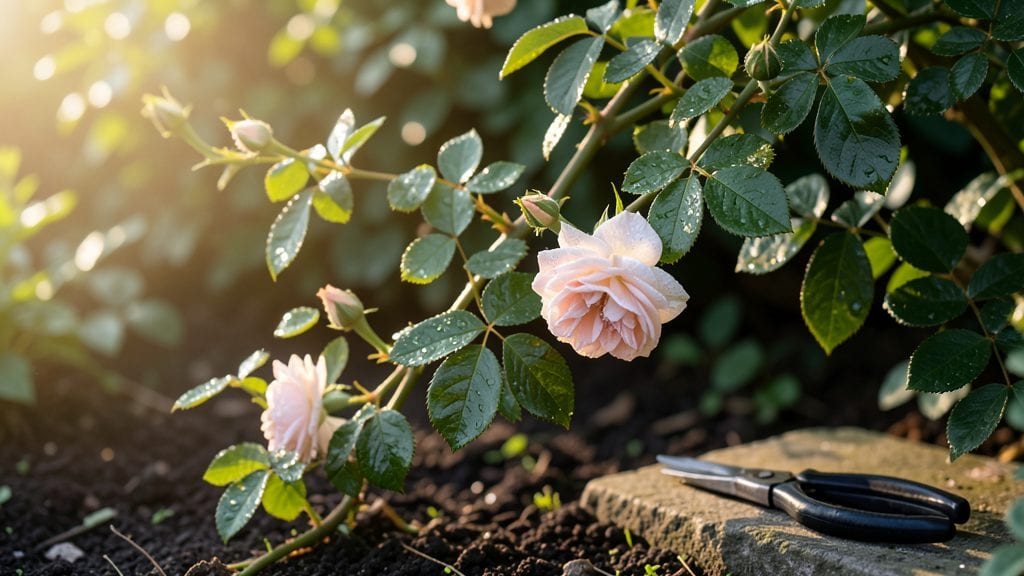
Nothing beats the ethereal beauty of real flowers with water droplets glistening like tiny jewels at dawn—hibiscus, roses, and morning glories are my top picks—then arranging them in ways that preserve their dew-kissed magic. ✨ that preserve those delicate droplets for hours.
My first attempt with a simple misting spray bottle and a shallow glass bowl turned a basic bouquet into something straight out of a fairy tale.
You don’t need fancy equipment—just a spray bottle, a few fresh-cut stems, and a shallow container to catch any excess water. The key is working with flowers right after dawn when dew is heaviest, or giving them a light misting just before arranging.
Even in hotter climates, certain varieties like hydrangeas and peonies can hold droplets surprisingly well if you time it right.
What you end up with is an arrangement that looks fresh for days, as if plucked straight from nature’s own studio. The droplets catch the light differently at every angle, creating shifting highlights that make even a simple arrangement feel luxurious.
This technique works for both indoor vases and outdoor garden displays—perfect for weddings, photoshoots, or just making your patio feel like a dreamy retreat.
For best results, avoid overcrowding stems and use flowers with slightly waxy or thick petals—they hold water longer. A touch of floral preservative in the water extends the effect too.
Once you see how easily this transforms ordinary blooms into something extraordinary, you’ll never look at a vase the same way again.
📚 In This Guide
- What you need
- Instructions
- Tips and common mistakes
- Wrapping up and next steps
What you need
- ● Fresh-cut flowers: Choose a mix of delicate blooms like roses, peonies, hydrangeas, or ranunculus (3–5 stems per type). Opt for flowers with slightly wilted edges for a natural, misty effect.
- ● Floral foam (or a clear glass vase): Option 1: Floral foam block (size: 4"x4"x2" or larger, depending on your vase).
- ● Option 2: A clear glass vase (12–16 oz capacity) with a narrow neck for a sleek look.
- ● Water: Distilled or tap water (enough to fully saturate the foam or fill the vase to ¾ capacity).
- ● Floral preservative: 1 packet (or 1 tsp of sugar + 2 drops of bleach per quart of water) to extend freshness.
- ● Scissors or floral shears: Sharp, clean pair to trim stems at a 45-degree angle.
- ● Misting spray bottle: For lightly spritzing petals with water droplets before arranging.
- ● Glitter or iridescent spray: A tiny amount on the back of petals to mimic light refraction (use sparingly!).
- ● Dried moss or baby’s breath: To fill gaps and add texture to the base.
- ○ Blue-tinted gel or food coloring: A drop in water for a soft, misty hue (optional for themed arrangements).
- ● Tweezers: For delicate adjustments to petals or droplets.
How to create an ethereal vase arrangement with dewy water droplets
This arrangement captures nature's magic—fresh flowers that look like they've just been kissed by morning dew.
🌿 Step 1: Select Flowers That Hold Water Naturally
Choose flowers with textured petals that naturally bead water—hydrangeas, roses, dahlias, and peonies work beautifully. I avoid smooth petals like tulips, which won't hold droplets well. Pick stems with at least 3-4 inches of foliage below the bloom for better water uptake.
Harvest flowers early in the morning when petals are still firm and dew-covered. Cut stems at a 45-degree angle with sharp shears to maximize water absorption. Place them immediately in a bucket of lukewarm water to prevent wilting before arranging.
💧 Step 2: Prepare the Vase and Water Solution
Use a clear glass vase to showcase the droplets—it enhances the ethereal effect. Fill the vase with room-temperature water and add a flower food packet (or 1 teaspoon of sugar + 1/4 teaspoon of bleach per quart of water) to extend freshness. The solution should be just enough to cover the cut stems.
For extra sparkle, add a few drops of clear glycerin (1 part glycerin to 3 parts water) to the vase. This helps petals hold droplets longer by slowing evaporation. Place the vase in a cool spot away from direct sunlight to preserve the dew effect.
☀️ Step 3: Arrange Flowers for Maximum Droplet Display
Start with the largest blooms first, placing them at the base of the vase. Angle stems downward slightly so water naturally pools in the petals. I like to weave stems in a loose spiral—this creates natural gaps where droplets can form without overcrowding.
Add smaller flowers and foliage next, tucking them into the arrangement to fill gaps. The goal is to leave space between petals so water can bead naturally. Avoid packing flowers too tightly; this prevents air circulation and traps heat, which causes droplets to evaporate faster.
🌱 Step 4: Mist and Chill for Long-Lasting Dew
Once the arrangement is complete, lightly mist the petals with a spray bottle filled with room-temperature water. Hold the bottle 6-8 inches away and spray in gentle bursts to avoid damaging delicate blooms. The mist should feel like a fine drizzle, not a downpour.
Place the vase in the refrigerator for 15-20 minutes to slow evaporation. This step is key—cool temperatures help droplets form and last longer. Once chilled, move the vase to a shaded indoor spot where temperatures stay between 60-70°F.
⏰ Step 5: Maintain Freshness and Refresh Droplets
Check the water level daily and top off with room-temperature water as needed. Trim stems by 1/2 inch every 2-3 days to keep them drinking fresh water. I like to mist the petals lightly each morning to refresh the dew effect—just a few seconds with the spray bottle does the trick.
Watch for signs of wilting or drooping. If petals start to sag, trim any wilted blooms immediately and replace the water. With this method, your arrangement should stay fresh and dewy for 5-7 days, sometimes longer if you keep the environment cool and humid.
Tips & tricks for perfect ethereal vase arrangements
These simple secrets will help you create arrangements that look like they've been kissed by morning dew—every time.
Flower Selection Tip: For the best droplet display, focus on flowers with velvety or textured petals like hydrangeas, dahlias, and peonies. In Step 1, avoid smooth petals—they won't hold water droplets naturally. I've found that hydrangeas with their layered blooms create the most magical dew effect when arranged properly.
Cutting Technique Matters: When harvesting flowers in Step 1, make your cuts at a 45-degree angle using sharp shears. This increases the surface area for water absorption, which is crucial for maintaining those delicate droplets. Don't forget to place stems immediately in lukewarm water—this prevents wilting before you even start arranging.
Chilling Strategy: The 15-20 minute chilling step in Step 4 is absolutely critical. This isn't just about cooling the flowers—it slows evaporation dramatically, allowing those droplets to form and last longer. I like to place the vase on the middle shelf of the fridge for even cooling, then move it to a shaded spot where temperatures stay between 60-70°F for maximum effect.
Misting Technique: When misting in Step 4, hold the spray bottle 6-8 inches away and use gentle bursts. Think of it like a light morning rain—too close and you'll damage delicate petals, too far and you won't get that fine mist needed for droplet formation. I've ruined arrangements by being too aggressive with the spray bottle, so take your time with this step.
Pro Tips for Real Flowers With Water Droplets
- These simple secrets will help you create arrangements that look like they've been kissed by morning dew—every time.
- Flower Selection Tip: For the best droplet display, focus on flowers with velvety or textured petals like hydrangeas, dahlias, and peonies.
- Cutting Technique Matters: When harvesting flowers in Step 1, make your cuts at a 45-degree angle using sharp shears.
Frequently asked questions
Got questions about creating or caring for real flowers with water droplets?
Here are some common ones—and their answers—to help you craft the perfect arrangement that stays fresh and stunning.
Why do water droplets form on real flowers?
Water droplets form due to transpiration—the process where flowers release moisture through their stems and petals. When humidity is high or the air is cool, this moisture condenses into tiny droplets, creating that ethereal, dew-kissed look. It’s nature’s way of keeping flowers hydrated and vibrant!
How long do water droplets last on fresh-cut flowers?
Droplets typically appear within 24–48 hours after cutting, especially in humid or chilly conditions. They may last 3–7 days, depending on flower type, freshness, and care. For longer-lasting droplets, use distilled water and trim stems every 2–3 days to encourage continuous transpiration.
Can I use tap water instead of distilled for water droplets?
Yes, but tap water may contain chlorine or minerals that can clog stems and reduce droplet formation. If using tap water, let it sit overnight to off-gas chlorine or add a drop of bleach (1/8 tsp per gallon) to prevent bacterial growth. For the best results, distilled water is ideal!
Will refrigerating flowers make the droplets last longer?
Refrigerating flowers before arranging (for up to 24 hours) can help preserve freshness and encourage droplets, but never refrigerate arranged flowers—cold temperatures can cause wilting. Store cut stems in a bucket of water in the fridge (covered loosely) for maximum freshness.
What if my flowers aren’t producing droplets after a few days?
If droplets fade, check these fixes:
- Re-cut stems at a 45° angle to improve water uptake.
- Change the water every 2–3 days to prevent bacterial buildup.
- Move the vase to a cooler, humid spot (like a bathroom or near a humidifier).
- Add a drop of floral preservative to extend freshness.
Wrapping up and next steps
Capturing the magic of real flowers with water droplets isn’t just about aesthetics—it’s about preserving nature’s beauty while keeping your arrangements fresh and vibrant. Whether you’re a seasoned florist or a beginner, this ethereal technique adds a touch of whimsy and longevity to your creations.
Now that you’re equipped with the right materials and tips, go ahead and experiment!
Ready to take it further? Try documenting your process—share your masterpiece on social media with #EtherealFlowers or #FreshFloralArt. Your creativity might inspire others to bring this enchanting look into their own spaces! 🌸✨