
Flowers
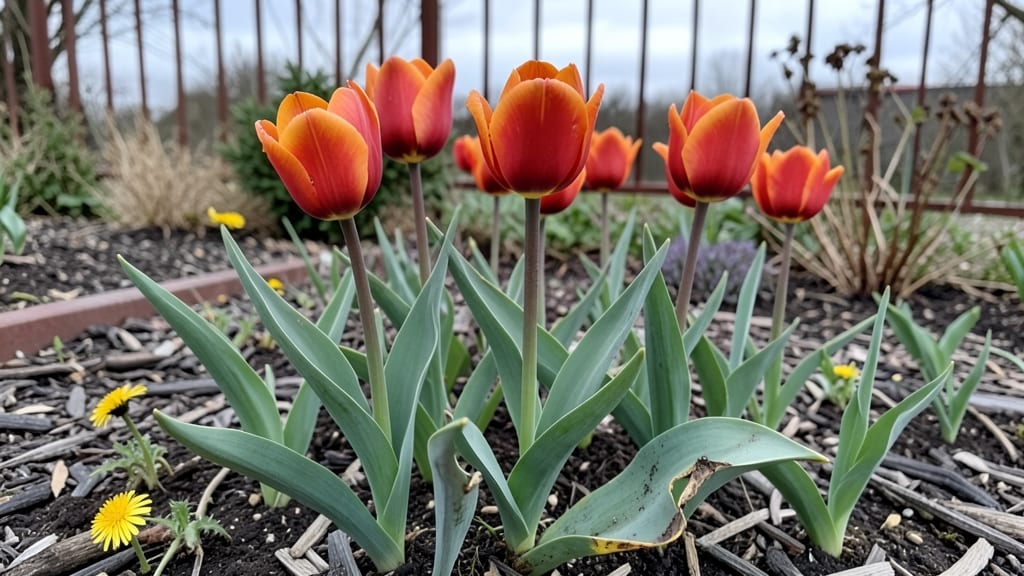
The Pacific Northwest's boldest color palette starts with red and orange flowers that refuse to fade—even through our famously damp summers. 🌸 I fell for this combo after seeing how marigolds and daylilies turned a neighbor's soggy corner into a sunlit spectacle, their fiery hues cutting through the mist like a beacon.
The secret isn't just picking the right plants, but arranging them so their colors pop against the region's signature greens and purples.
You don't need a sprawling garden to make it work—containers, borders, or even a single dramatic focal point can transform your space. Pair deep reds like beebalm with fiery oranges from calendula for instant contrast, or layer them with silvery foliage plants to make the colors sing.
The best part? These plants thrive in PNW conditions, from early spring tulips to late-season dahlias, giving you color from April through frost.
Imagine your garden in September: warm sunsets reflected in orange zinnias, their petals glowing against crimson salvias that hum with bees. The effect isn't just pretty—it's magnetic, drawing in pollinators and making your space feel alive when everything else is fading.
We'll show you exactly how to mix these colors without clashing, plus the low-maintenance picks that handle our wet springs and cool summers like champs.
Whether you're refreshing a tired border or adding drama to a patio, these combos work in every PNW garden—big or small, sunny or shaded. The only rule? Go bold. The rain can't dampen colors this fierce.
📚 In This Guide
- What you need
- Instructions
- Tips and common mistakes
- Wrapping up and next steps
What you need
- ● Red & orange flowering plants: 5–10 plants (e.g., Calluna vulgaris ‘Fireworks’, Heuchera ‘Palace Purple’, Sedum ‘Autumn Joy’, or Salvia ‘Hot Lips’). Choose 2–3 varieties for layered color.
- ● Well-draining soil mix: 10–15 gallons (amend with compost for nutrient-rich soil).
- ● Organic fertilizer: 1–2 cups (balanced 10-10-10 or slow-release rose/flower fertilizer).
- ● Mulch: 5–10 bags (cedar or pine bark to retain moisture and suppress weeds).
- ● Gardening gloves (1 pair, water-resistant).
- ● Hand trowel (for transplanting small plants).
- ● Pruners (sharp, sterilized for clean cuts).
- ● Watering can or hose (with adjustable nozzle for gentle watering).
- ● Measuring tape (to space plants 12–24" apart, depending on variety).
- ● Drip irrigation system (to automate watering, especially in PNW’s rainy seasons).
- ● Floral wire or stakes (for tall varieties like Alstroemeria or Kniphofia).
- ● Slow-release plant food (e.g., Osmocote, for minimal maintenance).
- ● Seasonal color boosters: Calendula (edible petals!) or Zinnia for extra pops of orange.
Step-by-Step guide to designing a stunning red and orange flower garden
Here’s how to create a vibrant, season-long display using the Pacific Northwest’s most striking blooms.
🌱 Step 1: Select the Right Flowers for Year-Round Color
Start with hardy annuals and perennials that thrive in the Pacific Northwest’s mild climate. For bold reds, choose geraniums (zonal types) and salvias—both bloom from early summer through frost. For oranges, calendulas and marigolds deliver bright pops, while beebalm adds late-season heat. I always mix heights: tall salvias (24-36 inches) as backdrops, medium geraniums (12-18 inches) in the middle, and low calendulas (6-12 inches) as edging.
Check each plant’s USDA hardiness zone (most PNW flowers handle zones 6-9) and sunlight needs. For example, salvias crave full sun (6+ hours daily), while calendulas tolerate partial shade (4-6 hours). Skipping this step guarantees weak stems or sparse blooms—especially in rainy seasons.
☀️ Step 2: Prepare the Planting Site for Drainage and Sun
Red and orange flowers hate soggy roots, so amend your soil with 2-3 inches of compost mixed into the top 12 inches of native soil. The PNW’s acidic, clay-heavy soil drains poorly, so I always rake in perlite or coarse sand (1 part perlite to 3 parts soil) to improve aeration. Test your soil’s pH—most of these flowers prefer slightly acidic to neutral (6.0-7.0). If yours runs lower, add lime sparingly.
Stake out your sun exposure with a sun gauge: Place a ruler vertically at 9 AM, mark the shadow tip, then check again at 3 PM. If the shadow moves less than 6 inches, you’ve got full sun. For partial shade spots, opt for impatiens or coleus (though they won’t be as bold). Real talk: Salvias wilting by noon? You’re not giving them enough light.
🪴 Step 3: Plant in Clusters for Maximum Impact
Dig holes twice as wide as the root ball but only as deep—planting too deep suffocates roots. Space geraniums 12-18 inches apart, salvias 24 inches apart, and calendulas 6-10 inches apart for a lush, layered look. I group 3-5 of the same variety together (e.g., five red geraniums clustered) to create bold color blocks that pop from a distance.
Water deeply right after planting (about 1 gallon per plant) to settle the soil and encourage root spread. Mulch with 2 inches of shredded bark to retain moisture and deter weeds. Here’s the thing—mulch too thick, and you’ll smother stems. Too thin, and weeds win. Aim for even coverage that looks like a light blanket, not a pile.
💧 Step 4: Water and Feed for Continuous Blooms
Water deeply every 2-3 days in summer, but check soil moisture first: Stick your finger 1 inch down. If it’s dry, water; if damp, wait. Overwatering in the PNW’s humid climate leads to root rot—especially for salvias and beebalm. Use a soaker hose or drip irrigation to deliver water slowly at the base, avoiding wet foliage (which invites fungal diseases).
Feed every 4-6 weeks with a balanced, water-soluble fertilizer (10-10-10) during the growing season. For extra-vibrant reds, add a low-nitrogen, high-phosphorus boost (like 5-10-10) when buds form. Stop fertilizing 6 weeks before first frost—new growth won’t harden off in time. I swear by liquid fish emulsion for a mid-season boost, but don’t overdo it—yellow leaves mean you’ve burned the roots.
✂️ Step 5: Prune and Deadhead for Longer Seasons
Pinch back leggy stems on geraniums and salvias early in the season to encourage bushier growth. Use clean, sharp pruners and cut just above a leaf node (the bump where leaves grow). For calendulas and marigolds, deadhead spent blooms weekly—this redirects energy to new flowers instead of seed production. I set a timer for every Sunday morning to do this; it takes 10 minutes and keeps blooms coming.
In late summer, give salvias and beebalm a hard prune: Cut back one-third of the stems to the ground. This might look brutal, but it rejuvenates the plant and often triggers a second flush of blooms before frost. Skip this, and you’ll get tall, woody stems by fall. For perennials, cut back dead foliage in early spring once new growth appears—never leave last year’s stems until then.
Tips & tricks for Pacific Northwest flower gardens
Creating a vibrant flower garden in the Pacific Northwest takes more than just planting—it's about understanding how to maximize your blooms' potential. Here are my go-to strategies to ensure your red and orange flowers thrive all season long.
Sunlight Strategy: In Step 1, when selecting your plants, remember that morning sun is gentler than afternoon sun in the PNW. If you're working with partial shade spots, position calendulas and impatiens where they'll receive the 4-6 hours of sun they need by the late morning. For salvias and geraniums, prioritize the sunniest spots in your garden—even an extra hour of direct sunlight can mean the difference between sparse blooms and a lush display. I've seen salvias struggle when planted in areas that only get sun after 1 PM.
Soil Science: The 2-3 inches of compost and perlite mix in Step 2 is non-negotiable for PNW gardens. I've learned this the hard way after watching flowers wilt in heavy clay soil. For an extra boost, mix in 1 cup of worm castings per planting hole—it improves soil structure and provides gentle, long-term nutrients. Test your soil's pH before planting; if it's below 6.0, a sprinkle of pelletized lime (about 1/4 cup per square foot) will help bring it into the ideal range without overdoing it.
Planting Precision: When creating those bold color blocks in Step 3, consider the mature size of each plant. I like to sketch a simple layout first, marking where each cluster will go. For example, place 5-7 calendulas in a tight group (about 6-8 inches apart) to create a dense, eye-catching border. Remember that salvias need space—their roots spread wider than their height suggests. Planting them too close together leads to competition for nutrients and weaker stems.
Seasonal Maintenance: The 10-minute weekly deadheading in Step 5 is one of the simplest ways to extend your blooming season. For calendulas and marigolds, I use clean, sharp scissors to snip spent blooms just above the next set of leaves. This encourages bushier growth and more flowers. In late summer, when you're giving salvias that hard prune, don't throw away those cuttings! Place them in a vase with water—they make beautiful, fragrant bouquets that last for days.
Pro Tips for Red And Orange Flowers
- Creating a vibrant flower garden in the Pacific Northwest takes more than just planting—it's about understanding how to maximize your blooms' potential.
- Sunlight Strategy: In Step 1, when selecting your plants, remember that morning sun is gentler than afternoon sun in the PNW.
- Soil Science: The 2-3 inches of compost and perlite mix in Step 2 is non-negotiable for PNW gardens.
Frequently asked questions
Got questions about adding vibrant red and orange flowers to your Pacific Northwest garden? You’re not alone! Here are some of the most common queries—and their answers—to help you bring bold color to your outdoor space all year round.
What are the best red and orange flowers for the Pacific Northwest’s climate?
The PNW’s mild, wet winters and sunny summers favor hardy blooms like Tiger Lilies, Bee Balm, Daylilies, and Canna Lilies. For year-round color, opt for Hellebores (winter) and Dahlias (summer/fall). Native Painted Cup and Indian Paintbrush also thrive with minimal fuss!
When is the best time to plant red and orange flowers in the PNW?
For spring bloomers like Tulips or Daffodils, plant bulbs in fall (September–October). Perennials (e.g., Coneflowers) go in early spring (March–April) or fall. Annuals like Marigolds can wait until after the last frost (May)—just give them well-draining soil!
Why aren’t my red and orange flowers blooming as much as expected?
Common culprits: over-fertilizing (too much nitrogen = leafy growth, not flowers), poor sunlight (most need 6+ hours/day), or crowded roots. Deadhead spent blooms, prune leggy stems, and ensure they’re in full sun to partial shade. If soil’s soggy, amend with compost!
Can I mix red and orange flowers with other colors for a cohesive look?
Pair deep reds (like Black-Eyed Susans) with soft whites or blues (e.g., Delphiniums) for contrast. For warmth, combine oranges (e.g., Calendulas) with yellows or burnt umbers. Monochromatic schemes (e.g., reds + pinks) also work beautifully!
Are red and orange flowers bee-friendly?
Most are! Bee Balm, Salvia, and Zinnias are bee magnets. Avoid double-flowered varieties (they often lack pollen). For pollinators, plant in clusters and avoid pesticides. Bonus: Red Hot Poker attracts hummingbirds too!
Wrapping up and next steps
From vibrant red and orange flowers brightening gardens to the Pacific Northwest’s stunning seasonal displays, nature’s boldest hues prove that color isn’t just for summer—it’s a year-round celebration!
Whether you’re a gardener, a nature lover, or just someone who adores a pop of color, these fiery blooms remind us to embrace the beauty around us. 🌸
Ready to dive deeper? Start small: Add a single red or orange flower to your space or plan your next garden adventure. Every bloom is a chance to connect with the season’s boldest charm!