
Flowers
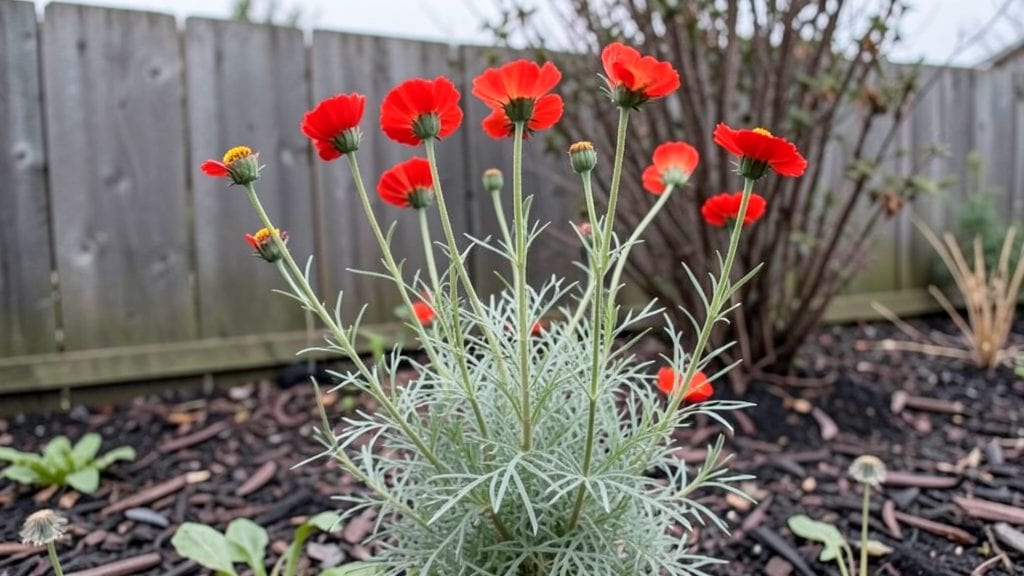
Those bold red coreopsis flowers might look like they belong in a desert, but they actually thrive in the Pacific Northwest’s cool summers and damp winters—once you know the right tricks. 🌿 I’ve grown them in my Seattle garden for three seasons now, and the secret isn’t just the soil or sunlight, but how you prep the plants for our region’s unique growing conditions.
Most gardeners assume they’ll struggle with the rain, but with the right approach, they become one of the most reliable perennials in the yard.
The real magic happens in the first year: plant them in well-draining soil with a touch of compost, give them full sun (at least 6 hours daily), and water them deeply but infrequently—about once a week once established.
The key? Avoid soggy soil, which is their biggest enemy in our climate. Once they’re settled, they’ll reward you with bold, daisy-like blooms from early summer through fall, often reblooming into October if you deadhead spent flowers.
By mid-summer, you’ll have a plant that looks like it’s on fire—bright yellow centers surrounded by fiery red petals—while requiring almost no maintenance. They’re drought-tolerant once established, deer-resistant, and even attract pollinators like bees and butterflies.
The only real challenge? Keeping them from flopping over in heavy rain, which is where sturdy stakes or a light pruning come in.
Whether you’re a beginner or a seasoned gardener, red coreopsis is a game-changer for adding color without fuss. The best part? They multiply over time, giving you free plants to share with neighbors. Let’s get yours thriving in your Pacific Northwest garden!
📚 In This Guide
- What you need
- Instructions
- Tips and common mistakes
- Wrapping up and next steps
What you need
- ● Red Coreopsis Seeds or Plants: Choose Coreopsis verticillata ‘Ruby Wine’ (deep red) or ‘Zagreb’ (bright yellow) for bold color.
- ● Quantity: 10–20 seeds (or 3–5 nursery plants for quick results).
- ● Well-Draining Soil: Mix 50% garden soil + 30% compost + 20% perlite/sand for optimal drainage.
- ● pH: Aim for 6.0–7.0 (slightly acidic to neutral).
- ● Sunlight: Full sun (6+ hours daily) is a must—these flowers love the light!
- ● Watering Can or Drip Irrigation: A gentle spray nozzle helps avoid overwatering.
- ● Garden Gloves (to protect hands from thorns on stems).
- ● Trowel or Hand Fork (for transplanting seedlings).
- ○ Mulch (Optional): 2–3 inches of shredded bark or straw to retain moisture.
- ○ Fertilizer (Optional): Balanced 10-10-10 or low-phosphorus (5-10-5) fertilizer for established plants.
- ● Apply once in early spring (avoid over-fertilizing—these are low-maintenance!).
- ○ Staking (Optional): Tall varieties may need bamboo stakes for support.
Step-by-Step instructions for growing red coreopsis in Pacific Northwest gardens
Here’s how to cultivate these sun-loving perennials with minimal fuss—even in our damp coastal climates.
🌱 Step 1: Select the Right Planting Site and Prepare the Soil
Coreopsis thrives in full sun—at least 6-8 hours daily—so choose a spot where it gets maximum afternoon light. In the Pacific Northwest, this often means south- or west-facing locations. If your yard lacks full sun, opt for a container with excellent drainage and place it where it gets the most light available.
Amend the soil with 2-3 inches of compost to improve drainage, as coreopsis hates soggy roots. Work the compost into the top 6 inches of soil, breaking up any compacted layers. A well-draining, slightly sandy loam is ideal—this prevents the classic PNW issue of waterlogged soil that can rot roots before blooms even appear.
🪴 Step 2: Plant Bare-Root or Container-Grown Coreopsis Correctly
For bare-root plants, soak the roots in lukewarm water for 10-15 minutes before planting to rehydrate them. Dig a hole twice as wide as the root ball but only as deep—planting too deep buries the crown and risks rot. Gently spread the roots outward and backfill with native soil mixed with a handful of compost.
If using container-grown plants, remove them carefully, ensuring the root ball stays intact. Place the plant in the hole so the top of the root ball sits just below soil level—this prevents crown rot while allowing easy water absorption. Press the soil firmly around the roots to eliminate air pockets, then water deeply to settle everything.
☀️ Step 3: Water and Mulch for Optimal Growth
Water deeply once a week during the first growing season, aiming for 1 inch of water per week. In the Pacific Northwest’s cooler, wetter climate, overwatering is a bigger threat than underwatering—coreopsis is drought-tolerant once established, but soggy soil invites fungal diseases. Check soil moisture by sticking your finger 2 inches deep; water only when it feels dry.
Apply 2-3 inches of mulch (such as wood chips or straw) around the base, keeping it 2 inches away from the stem to prevent rot. Mulch conserves moisture, regulates soil temperature, and suppresses weeds—critical in our region’s damp, mild winters. Replenish mulch annually to maintain its protective layer.
✂️ Step 4: Prune and Maintain for Continuous Blooms
Deadhead spent blooms weekly by snipping the flower stem back to the nearest set of healthy leaves. This encourages nonstop blooming from early summer through fall, which is especially rewarding in our shorter growing seasons. Avoid cutting into old wood—always prune just above a leaf node to promote new growth.
In late fall, cut back the stems to 4-6 inches tall to tidy the plant and remove any diseased or damaged growth. Coreopsis is hardy to USDA Zone 4, so it’ll bounce back every spring with minimal care. In containers, divide clumps every 3-4 years in early spring to prevent overcrowding and rejuvenate blooms.
🌿 Step 5: Overwinter for Next Year’s Performance
Coreopsis is perennial and handles our mild winters well, but a light mulch (1-2 inches) in late fall adds insurance against freezing soil. In particularly cold winters (below 15°F), mound extra mulch around the base to protect the crown. Remove the mulch in early spring once new growth appears—this prevents rot and allows the plant to warm up.
Fertilize lightly in early spring with a balanced, slow-release fertilizer (10-10-10) to support new growth. Avoid high-nitrogen feeds, which encourage leafy growth at the expense of blooms. Coreopsis is low-maintenance, but this small step ensures vibrant, abundant flowers year after year in our challenging climate.
Tips & tricks for perfect red coreopsis blooms in Pacific Northwest gardens
Here’s how to sidestep the most common pitfalls—and get those vibrant yellow blooms thriving year after year.
Sunlight Strategy: In Step 1, those critical 6-8 hours of daily sun are non-negotiable for coreopsis. If your yard gets less, consider placing plants in containers and moving them to the sunniest spot during peak afternoon hours. I’ve seen coreopsis in partial shade still bloom, but the flowers will be sparse and less vibrant. Trust me—this is where most gardeners go wrong in our cloudy climate.
Soil Drainage Secret: The 2-3 inches of compost in Step 1 isn’t just about nutrients—it’s about creating that perfect sandy loam texture. In our damp PNW, I’ve had coreopsis roots rot twice before realizing the soil needed more grit. Mix in some coarse sand or perlite if your native soil feels heavy. This small adjustment prevents the classic waterlogged-root issue that kills so many perennials here.
Watering Wisdom: That weekly deep watering in Step 3 is crucial, but timing matters just as much. Water in the morning so the foliage has time to dry before evening—this prevents fungal issues that thrive in our humid climate. And here’s the thing: if your finger comes up with soil clinging to it at 2 inches deep, you’re overwatering. Coreopsis is tough once established, but soggy roots will shut down blooms faster than anything.
Pruning Precision: When deadheading weekly in Step 4, don’t just cut off the dead flowers—snip the stem back to that leaf node just above where the flower sat. This redirects energy to new growth instead of seed production. I’ve seen gardeners cut too far down the stem, which weakens the plant over time. And that late fall trim to 4-6 inches? It’s not just about tidiness—it’s about protecting the crown from winter moisture buildup in our rainy climate.
Pro Tips for Red Coreopsis Flowers
- Here’s how to sidestep the most common pitfalls—and get those vibrant yellow blooms thriving year after year.
- Sunlight Strategy: In Step 1, those critical 6-8 hours of daily sun are non-negotiable for coreopsis.
- Soil Drainage Secret: The 2-3 inches of compost in Step 1 isn’t just about nutrients—it’s about creating that perfect sandy loam texture.
Frequently asked questions
Got questions about growing red coreopsis flowers?
You’re not alone! Here are answers to the most common queries—from planting tips to troubleshooting—to help your garden bloom with confidence.
When is the best time to plant red coreopsis in the Pacific Northwest?
Plant red coreopsis in early spring (March–April) or early fall (September–October) for the best results. The mild PNW climate allows for year-round planting, but avoid extreme heat or frost. If starting from seeds, sow them 6–8 weeks before the last frost for early blooms.
How often should I water red coreopsis flowers?
These drought-tolerant beauties thrive on moderate watering—about 1 inch per week during the growing season. Once established, they’re very low-maintenance and can handle dry spells. Overwatering is the biggest risk, so let the soil dry slightly between waterings.
Do red coreopsis survive winter in the Pacific Northwest?
Red coreopsis is perennial and hardy to USDA zones 3–9, making it perfect for PNW winters. They’ll die back in cold months but regrow in spring. For extra protection, add a light mulch layer (2–3 inches) in late fall to shield roots from freezing.
What pests or diseases should I watch for with red coreopsis?
These flowers are pest-resistant, but keep an eye out for aphids, spider mites, or powdery mildew in humid conditions. Solution: Spray with water to dislodge pests or use neem oil for mild infestations. Ensure good airflow and avoid overhead watering to prevent fungal issues.
Can I grow red coreopsis in containers or hanging baskets?
Yes! They adapt well to containers (at least 12 inches deep) or hanging baskets, making them ideal for patios or small spaces. Use well-draining soil and a sunny spot (6+ hours of light). Just ensure the pot has drainage holes to prevent root rot.
Wrapping up and next steps
Red coreopsis flowers bring a burst of sunshine and resilience to Pacific Northwest gardens, thriving where others might falter. With the right soil, sunlight, and care, these vibrant blooms reward gardeners with months of cheerful color—perfect for pollinators and low-maintenance beauty.
Ready to transform your garden? Grab your gloves, pick a sunny spot, and let these hardy flowers shine! 🌸
Next step: Start with a single plant or a cluster—your garden will thank you! 🌱