
Container Gardens
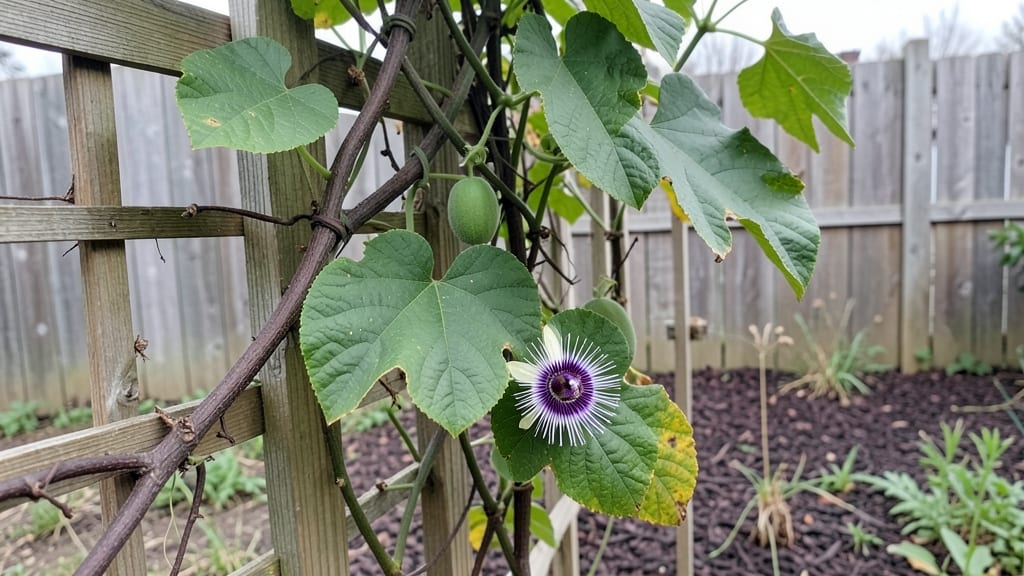
Understanding the ideal passion flower vine growing conditions—humid climates with partial shade—is where they truly shine, lush, fragrant, and productive. 🌿 I learned this the hard way after my first attempt in full sun left the leaves scorched and the blooms sparse.
The secret lies in mimicking their natural tropical habitats: consistent moisture, dappled light, and rich, well-draining soil that keeps roots happy without suffocating them.
You’ll need a sturdy trellis or fence for support (these vines can climb 15–25 feet in a season), a container with drainage holes if growing in pots, and a spot where morning sun warms the leaves but afternoon shade prevents wilting.
The soil mix should be 60% potting soil, 30% compost, and 10% perlite—just enough grit to prevent soggy roots. Water deeply 2–3 times per week during hot spells, but never let the soil stay soggy.
By late summer, you’ll be rewarded with vibrant, exotic blooms that attract hummingbirds and butterflies, and the vines will produce edible (but tart) passion fruits by fall. The key is patience—these vines establish slowly but repay you with years of dramatic foliage and stunning flowers.
Prune in early spring to shape the plant and remove dead growth, and watch it thrive in conditions where other vines struggle.
Works beautifully in containers, along fences, or as a living privacy screen—just avoid dry, hot spots. If your climate gets chilly, bring potted vines indoors before frost or mulch heavily for winter protection. The payoff? A garden feature that’s as dramatic as it is low-maintenance once established.
📚 In This Guide
- What you need
- Instructions
- Tips and common mistakes
- Wrapping up and next steps
What you need
- ● Passion flower seeds or nursery plants: Choose from varieties like Passiflora caerulea (blue passionflower) or Passiflora incarnata (maypop). Buy 1-3 plants/seeds per container or garden spot.
- ● Well-draining potting mix: A 5-gallon bag of high-quality, organic mix (e.g., 60% peat moss, 30% perlite, 10% compost). Avoid heavy clay soil.
- ○ Containers (optional but ideal): 1-2 10-15 gallon containers with drainage holes (terracotta or fabric pots work best).
- ● Trellis or sturdy support: A 6-8 ft tall metal or wooden trellis (or a DIY PVC frame) to guide vining growth.
- ● Pruning shears: Sharp, bypass-style shears (for trimming and shaping vines).
- ● Mulch: 2-3 cubic feet of organic mulch (e.g., shredded bark or straw) to retain moisture and suppress weeds.
- ● Fertilizer: A balanced, slow-release granular fertilizer (10-10-10 or 20-20-20) or an organic option like fish emulsion.
- ● Watering can or hose with a gentle spray nozzle: For consistent moisture without over-saturating roots.
- ● Location: A spot with partial shade (4-6 hours of dappled sunlight) and humidity levels above 50% (ideal for containers near water features or in greenhouses).
- ● Climate: USDA Zones 5-11 (adjust for frost-sensitive varieties with winter protection in colder zones).
- ● Soil pH: Slightly acidic to neutral (6.0-7.0). Test your soil or amend with lime/sulfur if needed.
- ● Patience: Passion flowers grow 10-15 ft/year—give them space to thrive!
- ● Soil moisture meter to monitor hydration.
- ● Epsom salt (for magnesium boosts, especially in container gardens).
- ● Neem oil or insecticidal soap to deter pests like aphids.
- ● Decorative stakes or lattice for aesthetic vine support.
Step-by-Step guide to establishing passion flower vines
Here’s how to create the perfect environment for these tropical beauties to thrive in your garden.
🌱 Step 1: Select the Perfect Planting Location
Passion flowers adore humid climates and partial shade, making them ideal for areas with morning sun and afternoon shade or dappled sunlight under taller trees. Avoid full sun—it scorches their delicate leaves. I always scout the garden first: look for spots with 6-8 hours of filtered light and 60-80% humidity. If your climate is dry, group plants together to create a microclimate that retains moisture.
Test the spot by observing how other plants grow there. If nearby shrubs thrive with medium-sized leaves and minimal browning, it’s likely a good match. Passion vines also appreciate some wind protection, so planting near a fence or wall helps prevent stem damage. I’ve found that east-facing walls work beautifully—they catch gentle morning sun while shielding from harsh afternoon rays.
☀️ Step 2: Prepare the Soil for Optimal Growth
These vines prefer well-draining, slightly acidic soil with a pH between 6.0 and 7.5. Amend heavy clay soil with 2-3 inches of compost and 1 part perlite to improve aeration. I mix in a handful of aged manure or worm castings for extra nutrients without overwhelming the plant. Avoid fresh manure—it can burn tender roots and disrupt the soil’s microbial balance.
Dig a hole twice as wide as the root ball but only as deep as the container it came in. Loosen the sides of the hole with a garden fork to encourage root spread. If planting in containers, use a lightweight potting mix blended with 30% coconut coir to mimic the humidity-loving conditions of their native habitats. Water the soil deeply before planting to eliminate air pockets.
💧 Step 3: Plant and Provide Initial Support
Gently remove the vine from its container and tease the roots if they’re circling. Position the plant so the top of the root ball sits level with the soil surface—burying too deep can cause rot, while planting too high stresses the vine. Backfill with soil, pressing lightly to remove air gaps, then water slowly but thoroughly until moisture seeps 2 inches deep.
Install a trellis, arbor, or sturdy fence immediately—passion vines grow 10-20 feet per season and need support from day one. I use galvanized metal or wooden trellises because they last longer and won’t rot in humid conditions. Space vines 6-8 feet apart to allow airflow and prevent fungal diseases. Mulch with 2-3 inches of shredded bark to retain moisture and regulate soil temperature.
🌿 Step 4: Maintain Humidity and Monitor Growth
Passion flowers thrive in humidity, so mist the foliage daily during hot, dry spells or use a humidifier if growing indoors. I’ve had the best success with self-watering containers or drip irrigation set to deliver 1 inch of water per week, adjusting for rainfall. Let the top inch of soil dry between waterings—soggy roots lead to root rot, while bone-dry soil causes leaf drop.
Fertilize lightly in spring with a balanced 10-10-10 formula, then switch to a low-nitrogen, high-phosphorus fertilizer (like 5-10-10) when buds form. Too much nitrogen encourages leafy growth at the expense of flowers. Watch for yellowing leaves—this often signals overwatering, while brown edges mean the air is too dry. Prune leggy growth in early spring to encourage bushier, flower-heavy vines.
⏰ Step 5: Winter Care for Cold Climates
If you live in a Zone 7 or colder, protect mature vines with 2-3 inches of mulch and burlap wraps around the trellis. I’ve successfully overwintered passion vines by cutting back stems to 6 inches and covering the base with straw or leaves for insulation. In Zones 8-10, minimal protection is needed—just reduce watering slightly during dormancy.
Container-grown vines are more vulnerable. Move pots to a sheltered porch or garage where temperatures stay above 40°F. Water sparingly—just enough to keep the soil from drying out completely. In spring, resume regular care once new growth appears. Patience pays off: with proper winter care, your vine will rebound stronger and produce even more dramatic blooms the following season.
Tips & tricks for perfect passion flower vine growth
A few thoughtful adjustments can transform your passion flower vine from struggling to spectacular. These insights come from years of watching these delicate climbers thrive—and recover from my own early mistakes.
Location Intelligence: The 6-8 hours of filtered light mentioned in Step 1 is non-negotiable for vibrant blooms. I've found that positioning your vine near an east-facing window or under a deciduous tree creates ideal conditions. For container growers, rotate pots every few weeks to ensure even light exposure—uneven sunlight causes lopsided growth and sparse flowering.
Soil Science: When amending soil with compost and perlite (Step 2), don't just mix it in—create a "soil cocktail" with these ratios: 60% native soil, 30% compost, and 10% perlite. This balance prevents compaction while maintaining the slightly acidic pH. For container plants, blend your lightweight potting mix with coconut coir to retain that tropical humidity right at the roots.
Support Strategy: The trellis you install in Step 3 should be sturdy enough to handle 20 feet of growth—but don't wait until the vine is established to add support. Install it immediately, even if your vine is just a few inches tall. I've seen vines snap under their own weight when transferred to a trellis later. Opt for galvanized metal trellises in humid climates—they resist rust better than wooden options.
Winter Prep: For Zone 7 growers, the 40°F minimum temperature is critical. I've developed a simple test: if your local forecast shows overnight lows below 40°F for more than 3 consecutive nights, it's time to implement your winter care plan. Bundle up your vine with burlap and mulch before the first frost hits—once the damage is done, it's much harder to revive.
Pro Tips for Passion Flower Vine Growing Conditions
- A few thoughtful adjustments can transform your passion flower vine from struggling to spectacular.
- Location Intelligence: The 6-8 hours of filtered light mentioned in Step 1 is non-negotiable for vibrant blooms.
- Soil Science: When amending soil with compost and perlite (Step 2), don't just mix it in—create a "soil cocktail" with these ratios: 60% native soil, 30% compost, and 10% perlite.
Frequently asked questions
Got questions about growing passion flower vines? You’re not alone! Here are answers to the most common concerns—from sunlight struggles to pest problems—so you can cultivate a thriving vine with confidence.
How much shade can passion flower vines tolerate?
Passion flower vines thrive in partial shade (4–6 hours of sunlight daily) but can handle morning sun + afternoon shade in hot climates. In full shade, growth slows, and flowering may decrease. For containers, place them near a west-facing window or under a dappled tree for ideal conditions.
How long does it take for passion flower vines to flower?
With proper care, vines may produce flowers in 1–2 years, but some varieties (like Passiflora caerulea) bloom faster—even in their first year! Patience is key: ensure they’re in well-draining soil, fertilized lightly in spring, and given support to climb (trellises or cages). Pro tip: Deadhead spent blooms to encourage more flowers!
What pests or diseases should I watch for?
Common issues include:
- Spider mites: Tiny webs on leaves? Spray with water or neem oil.
- Aphids: Clustered on new growth? Blast off with a strong water stream.
- Fungal spots: Yellow/brown leaves? Improve airflow and avoid overhead watering.
Prevent problems by inspecting vines weekly and keeping them humid but not soggy.
Can I grow passion flower vines in containers year-round?
Yes! Choose a large container (15+ gallons) with drainage holes and use a light, airy potting mix. In winter, move pots indoors near a bright window (60–70°F) or overwinter them in a garage with natural light. Avoid freezing temps—they’re tender perennials in most climates.
Why aren’t my passion flower vines blooming?
Lack of flowers often stems from:
- Too little sunlight: Move to a brighter spot (but avoid harsh afternoon sun).
- Over-fertilizing: Use a balanced fertilizer (10-10-10) sparingly in spring.
- No support: Vines need to climb to trigger flowering. Add a trellis or let them trail.
- Age: Young vines focus on growth first—give them 1–2 seasons.
Try pruning leggy growth in early spring to encourage bushier, flower-heavy vines!
Wrapping up and next steps
Growing a passion flower vine is a rewarding journey that brings beauty and tranquility to your space—whether in containers or your garden. With the right humid climate and partial shade, these vines thrive effortlessly, offering stunning blooms and even edible fruits. 🌿
Now that you’re equipped with the ideal conditions, roll up your sleeves and give it a try! Start by selecting healthy cuttings or young plants, then monitor their progress with love and patience.
Before you know it, you’ll be enjoying a lush, fragrant vine that’s the envy of your neighborhood. Happy gardening! 🌸