
Flowers
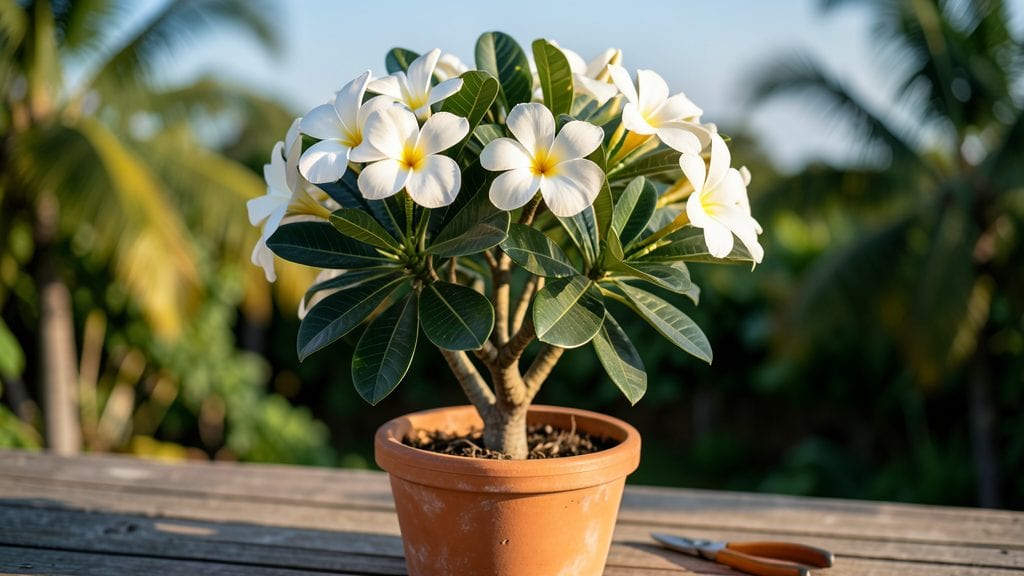
Growing white frangipani flowers means bringing that intoxicating tropical fragrance to your space—whether outdoors in warm climates or indoors where the air feels like a vacation. 🌺 Their waxy, star-shaped blooms and glossy, leathery leaves make them a standout, but they demand patience and the right conditions to thrive.
I've learned the hard way that frangipanis aren't forgiving plants, but when you get them right, they reward you with years of fragrant beauty.
The key starts with bright, direct sunlight—at least 6 hours daily—and humid, well-draining soil that mimics their native tropical habitat. If you're growing outdoors in zones 10-12, plant them in sheltered spots where they're protected from harsh winds.
For indoor growers, a south-facing window or grow lights will keep them happy, though they'll need a rest period in cooler months to mimic their natural dormancy. The soil mix should be 60% potting soil, 30% perlite, and 10% compost to prevent root rot.
Once established, you'll notice those creamy-white, five-petaled flowers appearing in clusters, filling the air with a sweet, heady scent that lingers for days. Pruning after blooming encourages bushier growth, and fertilizing every 4-6 weeks with a balanced 20-20-20 formula keeps them flowering prolifically.
The trade-off? They're slow growers—expect 1-2 years before your plant becomes a fragrant showstopper, but the wait is worth every moment.
Common challenges include root rot from overwatering and pests like mealybugs hiding in leaf creases, but with the right care, white frangipanis become nearly indestructible.
Whether you're growing one in a container on your patio or as a specimen plant in your garden, their elegance and fragrance make them worth every effort. Let's get those roots settled in the right spot—they'll thank you with blooms that turn heads and fill the air with paradise.
📚 In This Guide
- What you need
- Instructions
- Tips and common mistakes
- Wrapping up and next steps
What you need
- ● White frangipani seeds or cuttings: Choose high-quality seeds (e.g., Plumeria alba) or semi-hardwood cuttings (3–6 inches long, ½-inch thick).
- ○ Well-draining potting mix: 50% coconut coir, 30% perlite, 20% orchid bark (sterilized). Optional: Add 1 tbsp of worm castings for nutrient boost.
- ● Containers: Seedlings: 4–6 inch pots with drainage holes (3–5 pots).
- ● Mature plants: 12–18 inch pots or in-ground planting (if climate permits).
- ● Drainage trays or saucers: 1–2 (to catch excess water).
- ○ Rooting hormone (optional but recommended): 1 small bottle (e.g., Clonex or similar).
- ● Pruning shears: Sharp, sterilized (for cuttings).
- ● Gloves: 1 pair (to protect from sap).
- ● Spray bottle: For misting seeds/cuttings (8–16 oz).
- ○ pH testing kit (optional): Ideal soil pH: 6.0–7.0.
- ● Humidity dome or plastic wrap: 1 (to retain moisture during germination).
- ● Fertilizer: Balanced liquid fertilizer (e.g., 10-10-10): 1 bottle (for young plants).
- ○ Slow-release granules (optional): 1–2 cups (for mature plants).
- ● Sunlight access: Full sun (6+ hours/day) or a grow light (if indoors).
- ● Patience & warmth: Frangipani thrives in 70–90°F (21–32°C)—mimic tropical conditions!
Step-by-Step instructions for cultivating white frangipani flowers
Here’s how to coax these fragrant tropical beauties into thriving plants with lush blooms.
🌱 Step 1: Select and Prepare the Right Planting Site
White frangipani (Plumeria alba) thrives in full sun—choose a spot that receives at least 6-8 hours of direct sunlight daily. In humid climates, afternoon shade helps prevent leaf scorch, but morning sun is essential for blooming. I always test the site by observing how long sunlight lingers—if shadows appear before noon, supplement with a south-facing exposure or move to a slightly elevated area.
Dig a hole twice as wide as the root ball but only as deep as the container it came in. Frangipani roots are shallow and sensitive to deep planting, which can cause rot. Amend the native soil with 2-3 inches of organic matter (like compost or aged manure) to improve drainage—these plants despise soggy roots. Mix the amendment thoroughly into the hole to create a loose, airy medium that mimics their native tropical soil.
💧 Step 2: Plant and Water with Precision
Gently remove the frangipani from its container and loosen any circling roots with your fingers—this encourages outward growth. Place the root ball in the hole, ensuring the top of the root flare (where roots meet trunk) sits level with the soil surface. Fill the hole with the amended soil, pressing lightly to eliminate air pockets but avoiding compaction.
Water deeply immediately after planting—1-2 gallons for mature plants—to settle the soil and eliminate gaps. However, resist the urge to keep the soil soggy. Frangipani roots need well-draining conditions, so allow the top 2 inches of soil to dry out between waterings. Overwatering is the fastest way to kill these plants, so I always check soil moisture by sticking my finger 2 inches deep—if it feels damp, wait another day.
☀️ Step 3: Provide Humidity and Protect from Drafts
White frangipani craves high humidity—aim for 60-80% relative humidity. In dry climates, I use a hose-end misting nozzle to lightly spray foliage daily, especially during hot afternoons. Grouping plants together also creates a microclimate that retains moisture. Avoid placing them near air conditioning vents or fans, as cold drafts shock the plant and cause premature leaf drop.
Fertilize monthly during the growing season (spring through fall) with a balanced, water-soluble fertilizer (10-10-10 or 20-20-20) diluted to half-strength. I skip winter fertilizing—frangipani goes semi-dormant in cooler months, and feeding encourages weak growth. Look for new leaf flushes as a sign you’re fertilizing correctly; yellowing leaves mean you’re overdoing it.
✂️ Step 4: Prune for Shape and Encourage Blooms
Prune frangipani after flowering (late winter or early spring) to shape the plant and promote bushier growth. Use clean, sharp pruners to make cuts just above a leaf node (the bump where leaves attach). Avoid cutting into old wood—new growth emerges from the current season’s stems. I never remove more than one-third of the plant’s foliage in a single pruning session, as this stresses the plant.
Deadhead spent blooms by snipping the stem just below the flower head—this redirects the plant’s energy into producing new buds rather than seeding. Watch for buds forming at the stem tips; these indicate healthy growth and proper care. If your frangipani isn’t blooming, it may need more sunlight or less water—these plants bloom best when slightly stressed by dry conditions.
🪴 Step 5: Overwinter with Care in Cold Climates
If temperatures dip below 40°F, move potted frangipani indoors to a bright, humid spot (like a sunroom or greenhouse). Reduce watering to every 2-3 weeks, allowing the soil to dry completely between waterings. Avoid fertilizing during this period—dormancy is the plant’s chance to rest. If growing in the ground, mulch the base with 2-3 inches of straw or leaves to insulate roots from frost.
Resist the urge to prune heavily in fall—wait until spring to assess damage. Frangipani is surprisingly resilient; even if leaves drop, the roots often survive and regrow when warmth returns. I’ve seen plants recover from near-freezing temps as long as the root system stays dry and undisturbed. Once temperatures stabilize above 50°F, resume regular care and watch for new growth to emerge.
Tips & tricks for perfect white frangipani growth
These practical insights will help you nurture your white frangipani into a fragrant, blooming showstopper—without the common pitfalls that trip up new growers.
Sunlight Strategy: The 6-8 hours of direct sunlight in Step 1 is non-negotiable, but here's the pro move: if you notice leaves turning yellow or crispy edges in humid climates, that's your cue to provide afternoon shade. I've found that moving potted plants slightly to the east side of patios during peak afternoon sun (2-5 PM) prevents leaf scorch while still giving them the morning sunlight they crave for blooming. Think of it as giving your plant a mini vacation from the midday intensity.
Root Care Revelation: When planting, pay special attention to the root flare in Step 2—the point where roots meet trunk. This should sit level with the soil surface, never buried. I've seen beginners bury it by an inch, which causes rot and stunted growth. To test, imagine the root flare as the plant's "waistline"—it should stay visible above ground like a natural beltline. This simple adjustment can mean the difference between a thriving plant and one that struggles for years.
Humidity Hack: The 60-80% humidity target in Step 3 can feel overwhelming in dry climates, but here's my secret: place your potted frangipani on a tray filled with pebbles and water. The evaporation creates a natural humidity dome around the plant. For ground plants, group them closely together—they'll create their own microclimate. I've even seen frangipani thrive in desert climates using this method, as long as you mist the leaves daily during heatwaves. The key is consistency, not intensity.
Fertilizer Timing: That monthly fertilizer application in Step 3 needs precision timing—apply it right after a deep watering when the soil is moist. I've ruined several plants by fertilizing dry soil, which burns the roots. Think of it like giving your plant a vitamin shot after a good drink of water. Also, always dilute to half-strength unless your fertilizer specifically says otherwise. I've seen people double the dose thinking it would help, but it just creates chemical burns that take months to recover from.
Pro Tips for White Frangipani Flower
- These practical insights will help you nurture your white frangipani into a fragrant, blooming showstopper—without the common pitfalls that trip up new growers.
- Sunlight Strategy: The 6-8 hours of direct sunlight in Step 1 is non-negotiable, but here's the pro move: if you notice leaves turning yellow or crispy edges in humid climates, that's your cue to provide afternoon shade.
- Root Care Revelation: When planting, pay special attention to the root flare in Step 2—the point where roots meet trunk.
Frequently asked questions
Got questions about growing and caring for white frangipani flowers? You’re not alone! Here are some of the most common queries—plus straightforward answers to help you cultivate these fragrant beauties with confidence.
How long does it take for white frangipani to bloom after planting?
White frangipani typically takes 12–24 months to produce its first flowers after planting, depending on growing conditions. Patience is key—healthy plants in warm, humid climates may bloom sooner, especially if given full sun (6+ hours daily) and well-draining soil. Pro tip: Fertilize lightly with a balanced bloom booster every 2–3 months to encourage faster flowering!
Can white frangipani survive cold weather? What’s the lowest temperature they tolerate?
White frangipani are tropical plants and struggle below 40°F (4°C). Frost or prolonged cold will kill them. If you live in a cooler climate, grow them in containers and bring them indoors during winter. Alternatively, plant them near a south-facing wall or in a greenhouse to extend their growing season. Warning: Even brief dips below freezing can damage leaves and flowers permanently.
How often should I water white frangipani, and how do I know if it’s overwatered?
Water deeply but infrequently—about once a week (or when the top 1–2 inches of soil feel dry). Overwatering is the #1 killer of frangipani! Signs of too much water include yellowing leaves, mushy stems, or root rot. Ensure pots have drainage holes, and avoid soggy soil. Quick fix: Let the soil dry out completely between waterings, especially in humid climates.
Are there any easy alternatives to white frangipani for beginners?
If white frangipani seem high-maintenance, try these low-maintenance tropical flowers:
- Plumeria (frangipani varieties): Similar fragrance but slightly hardier.
- Bird of Paradise: Dramatic blooms, drought-tolerant once established.
- Bougainvillea: Thrives in heat, minimal care, and vibrant colors.
- Ixora: Compact, bushy, and blooms year-round in warm climates.
Why are my white frangipani leaves turning yellow or dropping?
Yellow leaves or leaf drop usually signal overwatering, nutrient deficiency, or pests. Check these fixes:
- Overwatering: Reduce frequency and improve drainage.
- Underwatering: Water deeply until it drains from the bottom.
- Pests (e.g., aphids, spider mites): Spray with neem oil or insecticidal soap.
- Nutrient deficiency: Use a balanced fertilizer (10-10-10) every 2 months.
Wrapping up and next steps
Growing white frangipani flowers is a rewarding journey that brings tropical beauty to your space—even in humid climates! 🌺 With the right care, these fragrant blooms will thrive, filling your garden with elegance and sweetness.
Now that you’re equipped with the knowledge, why not plant one today? Start small with a single cutting or expand your collection—either way, your garden (and senses!) will thank you.
Next steps:
- 🌱 Pick your spot—sunny and sheltered is key!
- 🛒 Gather supplies (potting mix, pruners, and a watering can).
- 💧 Water wisely and watch those blooms unfold!