
Shrubs
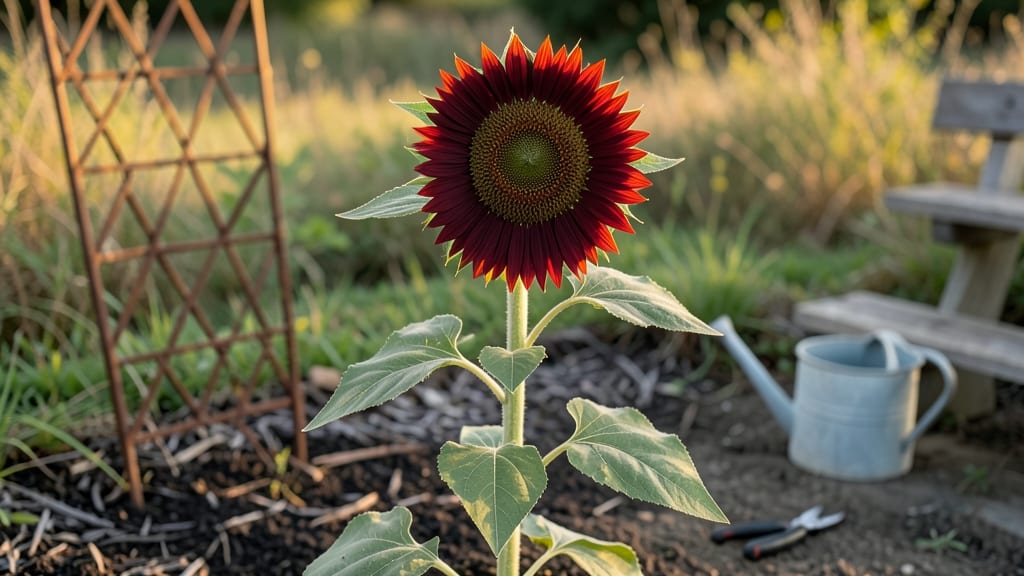
The Red Teddy Bear Sunflower brings a playful punch to any garden with its deep crimson petals and fuzzy centers that look like tiny teddy bears. 🌻 I first spotted one in a cottage garden border, and it became the star—drawing bees, butterflies, and admiring neighbors with its cheerful, almost cartoonish charm.
This isn’t just a pretty face; it’s a workhorse that grows steadily from spring to frost, making it the perfect anchor for borders or containers.
What makes this sunflower special is its dual appeal: whimsical yet hardy. The velvety blooms stand out against silver foliage or lavender, while their sturdy stems hold up to summer breezes.
Plant it near pollinator-friendly perennials like coneflowers or bee balm, and you’ll create a buzzing, blooming oasis that thrives in full sun with well-drained soil. Even in small spaces, its compact stature (3–4 feet tall) makes it a crowd-pleaser.
Imagine a garden where every visit feels like a storybook scene—Red Teddy Bear Sunflowers deliver that magic. They bloom from midsummer through fall, providing continuous color and a reliable food source for bees.
Pair them with ornamental grasses or dusty miller for texture, or let them spill over container edges for a cottage-garden vibe. The best part? They’re low-maintenance, so you get effortless beauty with minimal fuss.
Whether you’re designing a pollinator paradise, a child-friendly garden, or a cozy cottage border, these sunflowers fit right in. Their cheerful faces lift spirits and attract wildlife, making them a must-have for any sunny spot. Ready to add a touch of whimsy? Let’s get planting!
📚 In This Guide
- What you need
- Instructions
- Tips and common mistakes
- Wrapping up and next steps
What you need
- ● Seeds: 1 packet of Red Teddy Bear Sunflower (Helianthus annuus) seeds (approx. 20-30 seeds per packet).
- ● Growing Containers or Garden Bed: For containers: 5-gallon pots or larger (at least 12 inches deep) with drainage holes.
- ● For garden beds: Well-draining soil in a sunny spot (6+ hours of sunlight daily).
- ● Potting Soil: High-quality, well-draining mix (e.g., 50% garden soil + 50% compost or coconut coir).
- ● Watering Can or Hose: With a gentle spray nozzle for seedlings.
- ● Fertilizer: Balanced, slow-release granular fertilizer (10-10-10 or similar) or organic options like composted manure.
- ○ Plant Labels: Optional but helpful for tracking varieties.
- ● Seedling trays (for starting indoors).
- ● Garden trowel or transplanting spade.
- ● Mulch (straw or shredded leaves) to retain moisture.
- ● Stakes or cages (for taller varieties, though Red Teddy Bears are compact).
- ● Pruning shears (for deadheading or shaping).
- ● Full sun exposure (6+ hours daily).
- ● Well-draining soil (amend clay soil with compost).
- ● Patience! Germination takes 7-14 days, and full bloom occurs in 60-75 days.
Step-by-Step guide to growing Red Teddy Bear sunflowers
Here's how to cultivate these charming, pollen-rich blooms that thrive even in less-than-ideal conditions.
🌱 Step 1: Choose the Perfect Planting Location
Red Teddy Bear sunflowers (Helianthus annuus 'Red Teddy Bear') thrive in full sun—at least 6-8 hours daily—but tolerate partial shade better than most sunflowers. I always pick the sunniest spot in my garden because these plants reward generous light with their signature deep red, fuzzy-centered blooms that pollinators adore.
Test your site by observing where other sunflowers grow best in your yard. If nearby sunflowers lean dramatically toward the light, that’s your clue to plant here. The soil should drain well—these sunflowers despise soggy roots, so avoid low-lying areas where water pools after rain.
🌱 Step 2: Prepare Soil and Plant Seeds
Loosen the soil to a depth of 12 inches with a garden fork or tiller, breaking up any compacted layers. Amend the soil with 2-3 inches of compost to enrich it—Red Teddy Bears aren’t fussy, but they’ll reward you with stronger stems and bigger blooms if the soil is fertile. Mix in a balanced, slow-release fertilizer (10-10-10) at the rate of 1 tablespoon per plant to give them a nutrient boost from the start.
Plant seeds ½ inch deep and 18-24 inches apart—they’ll grow 3-5 feet tall, so spacing prevents overcrowding. If you’re sowing in rows, space them 2 feet apart within the row. Water gently after planting to settle the soil, but avoid soaking it. You’ll see first true leaves in 7-10 days—that’s your signal germination is successful.
💧 Step 3: Water and Maintain for Strong Growth
Water deeply once a week, providing 1-1.5 inches of water per week. Let the top 2 inches of soil dry out between waterings—overwatering causes the stems to weaken, making them prone to snapping in wind or storms. I always water at the base of the plant in the early morning to reduce fungal risks and encourage deep root growth.
Fertilize again when plants reach 12 inches tall with a low-nitrogen, high-phosphorus fertilizer (like 5-10-10) to promote flowering. You’ll notice buds forming in 6-8 weeks—this is when the magic happens. Red Teddy Bears are drought-tolerant once established, but consistent moisture during flowering ensures those vibrant red blooms stay vibrant and full.
☀️ Step 4: Support and Encourage Pollinators
These sunflowers have sturdy stems, but in windy areas, I stake them with 3-foot bamboo stakes tied loosely to the main stem to prevent leaning. Avoid tying too tightly—you want to allow natural movement but reduce the risk of breakage. The fuzzy centers of the blooms are a pollinator magnet, attracting bees, butterflies, and hummingbirds by the dozens.
Deadhead spent blooms by pinching off the flower heads once they fade. This encourages more blooms to form and prolongs the flowering season. I always leave a few seed heads for birds in late fall—they love the seeds, and the rustling stems add winter interest to the garden.
⏰ Step 5: Harvest and Enjoy the Rewards
Harvest seeds when the back of the flower head turns yellow-brown and the seeds rattle inside. Cut the head, hang it upside down in a dry, well-ventilated spot, and let the seeds dry completely before storing. The fuzzy petals make these sunflowers perfect for dried arrangements—they retain their color beautifully and add texture to winter bouquets.
For fresh-cut flowers, harvest in the early morning when buds are just beginning to open. The stems are thick and sturdy, so they last 7-10 days in a vase. If you’re growing for seed, leave some heads on the plant—they’ll produce thousands of seeds, which you can save for next year’s garden.
Tips & tricks for perfect Red Teddy Bear Sunflower growth
These insider tricks will help you coax the most vibrant blooms and sturdiest stems from your Red Teddy Bear sunflowers—even in less-than-ideal conditions.
Sunlight Strategy: While 6-8 hours of direct sun is ideal, these sunflowers are surprisingly adaptable. If your location only gets 4-5 hours of sun, position them where they'll receive morning sun (most intense) plus afternoon shade. I've seen them thrive in partial shade as long as they get that critical morning light—their deep red blooms actually intensify when they're slightly stressed by less light.
Soil Preparation Secret: The 12-inch deep soil loosening in Step 2 is non-negotiable for these tall beauties. Use a broadfork to break up compacted layers without disturbing the soil structure too much—this prevents root damage while improving drainage. For heavier clay soils, mix in a handful of perlite or coarse sand with your compost to create pockets for air circulation.
Watering Wisdom: The once-weekly watering guideline assumes average conditions, but your local climate matters. In hot, dry areas, you might need to water twice weekly during peak summer months. Test moisture by sticking your finger 2 inches into the soil—if it's bone dry, it's time to water. The early morning watering tip is golden: it reduces fungal risks and gives plants time to absorb moisture before the heat of day.
Pollinator Power-Up: To maximize those fuzzy centers that attract pollinators, plant your Red Teddy Bears near other pollinator-friendly flowers like coneflowers or bee balm. The contrast of their deep red blooms against other colors creates visual "landing strips" for bees. I also avoid using pesticides around these plants—they're the lifeline for so many beneficial insects in the garden.
Pro Tips for Red Teddy Bear Sunflower
- These insider tricks will help you coax the most vibrant blooms and sturdiest stems from your Red Teddy Bear sunflowers—even in less-than-ideal conditions.
- Sunlight Strategy: While 6-8 hours of direct sun is ideal, these sunflowers are surprisingly adaptable.
- Soil Preparation Secret: The 12-inch deep soil loosening in Step 2 is non-negotiable for these tall beauties.
Frequently asked questions
Got questions about growing the Red Teddy Bear Sunflower? You’re not alone! This vibrant pollinator favorite is easy to love, but it’s smart to know the basics before diving in. Here are some of the most common queries—plus quick answers to keep your garden thriving.
How fast does the Red Teddy Bear Sunflower grow?
The Red Teddy Bear Sunflower (Helianthus ‘Red Teddy Bear’) is a fast grower! From seed, expect sprouts in 7–14 days, with mature plants reaching 3–5 feet tall in just 60–90 days. If starting with transplants, you’ll see blooms even sooner—often within 2–3 months of planting. Patience pays off with bold, fuzzy red blooms that attract bees and butterflies!
Why aren’t bees visiting my Red Teddy Bear Sunflowers?
If your sunflowers aren’t buzzing with activity, check these fixes:
- Timing: Plant in full sun (6+ hours/day)—shady spots reduce nectar production.
- Watering: Keep soil consistently moist (not soggy) during flowering.
- Pesticides: Avoid chemicals—bees love pesticide-free gardens!
- Alternatives: Pair with bee-balms, cosmos, or lavender to boost pollinator traffic.
Pro tip: Deadhead spent blooms to encourage nonstop flowers—bees adore fresh nectar!
Can I grow Red Teddy Bear Sunflowers in containers?
These sunflowers thrive in large containers (12"+ diameter) with well-draining soil. Use a balanced fertilizer (like 10-10-10) every 4–6 weeks and place pots in full sun. Just ensure containers have drainage holes to prevent root rot. Bonus: Container-grown plants often rebloom longer than ground-planted ones!
Are Red Teddy Bear Sunflowers cold-hardy?
Yes! This variety is perennial in USDA zones 4–9, meaning it may return yearly in colder climates. For annual growth, plant seeds after the last frost (spring) or 6–8 weeks before fall’s first frost. In warmer zones, they’ll self-seed happily—just thin seedlings to avoid overcrowding.
What colors do Red Teddy Bear Sunflowers actually produce?
Despite the name, these sunflowers aren’t bright red—they’re deep burgundy-pink with fuzzy, teddy bear-like petals and golden-yellow centers. The foliage is a lush green, adding contrast. Fun fact: Their unique texture makes them a stunner in bouquets or dried arrangements!
What can I plant near Red Teddy Bear Sunflowers for companion planting?
Pair them with:
- Pollinator magnets: Coneflowers, bee balm, or salvia.
- Low-growing companions: Marigolds (repel pests) or nasturtiums.
- Edible friends: Basil or dill—both thrive in sunflower shade.
Avoid planting near potatoes or tomatoes, as sunflowers compete for nutrients. Pro tip: Let them self-seed for a low-maintenance pollinator party next year!
Wrapping up and next steps
The Red Teddy Bear Sunflower isn’t just a cheerful addition to your garden—it’s a powerhouse for pollinators and effortless beauty. With its bold blooms and steady growth, this sunflower brings joy while supporting bees, butterflies, and birds.
Whether you’re a seasoned gardener or just starting, its low-maintenance charm makes it a perfect next step.
🌱 Ready to grow yours? Grab your seeds, pick a sunny spot, and let nature do the rest—your garden (and pollinators!) will thank you. Start planting today and watch your space transform!