
Pruning
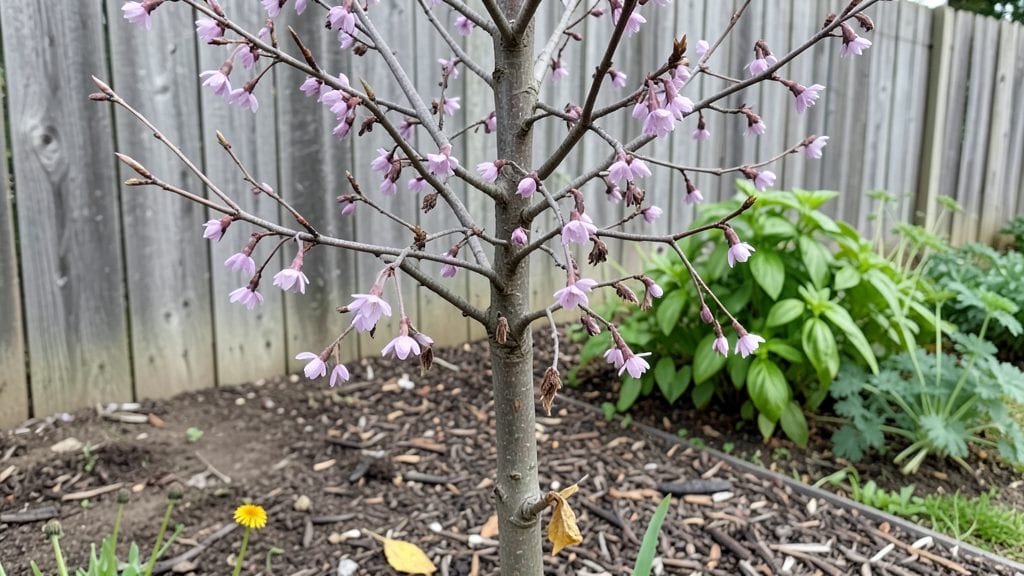
Redbud trees flowering in early spring is nature’s way of announcing the season’s arrival with vibrant magenta blooms that light up the landscape before leaves even appear. 🌸 I’ve watched mine transform bare branches into cascades of color for three weeks straight, and the secret to that show isn’t luck—it’s strategic pruning timed to the tree’s natural rhythm.
The key is cutting right after flowering (late April to early May) to avoid removing next year’s buds hidden among the old wood. Redbuds bloom on last year’s growth, so pruning too late risks sacrificing next spring’s spectacle.
Focus on shaping, thinning crowded branches, and removing dead wood—never more than 25% of the canopy at once.
When done right, your tree will reward you with denser foliage and even more dramatic blooms the following year. The flowers attract pollinators early in the season, and the heart-shaped leaves add lush green contrast once they emerge.
Just avoid heavy pruning in fall or winter, when the tree is dormant and vulnerable.
Works beautifully in USDA Zones 4-9, making it a versatile choice for gardens from the Midwest to the Southeast. Whether you’re pruning a young sapling or an established specimen, these cuts will keep your redbud thriving for decades of spring color.
📚 In This Guide
- What you need
- Instructions
- Tips and common mistakes
- Wrapping up and next steps
What you need
- ● Pruning shears: Bypass pruners (sharp, clean, and sterilized with rubbing alcohol) for small branches (½"–1" thick).
- ● Loppers: 1 pair (for branches 1"–2" thick) with a bypass blade for precision cuts.
- ● Pruning saw: 1 handheld saw (for branches >2" thick) with a fine-tooth blade to avoid tearing.
- ● Gloves: 2 pairs—cut-resistant (for thick branches) and gardening gloves (for comfort).
- ○ Disinfectant: 70% isopropyl alcohol or a pruning sealant (optional but recommended).
- ● Ladder or step stool: Sturdy and tall enough to reach the tree’s highest branches safely.
- ● Marking twine or flags: 1 roll of twine + 5–10 small flags (to tag branches for removal).
- ● Heavy-duty trash bags: 2–3 bags (for debris disposal).
- ● Hand pruners: Compact shears for fine-tuning small cuts.
- ● Tree wound dressing: 1 small tube (controversial but useful for large cuts to prevent disease).
- ● Work apron: With pockets to hold tools and keep hands free.
- ● Safety glasses: To protect eyes from debris.
- ● Notebook + pen: To sketch a pruning map of your tree’s structure.
How to prune redbud trees for stunning spring blooms
Timing and technique make all the difference—here’s how to coax your redbud into its most vibrant flowering display.
⏰ Step 1: Prune Immediately After Flowering
Cut back any dead, crossing, or crowded branches the moment your redbud finishes blooming in early spring. This is the golden window—waiting too long risks removing next year’s flower buds, which form on old wood. I always use clean, sharp pruners to avoid tearing bark, which invites disease.
Focus on branches that grow inward or rub against each other. These compete for energy and weaken the tree’s structure. You’ll know you’re doing it right when you see an open canopy with sunlight reaching all the way to the center—this encourages more flower production. Never remove more than 25% of the tree’s foliage in one season, or you’ll shock the plant.
✂️ Step 2: Thin for Airflow and Light Penetration
In late spring or early summer, when new growth appears, target branches that grow straight up or downward. These rarely produce flowers and create a dense, shaded interior. I look for branches that form a V-shape with their neighbors—these are prime candidates for removal.
Make cuts just outside the branch collar, the swollen area where the branch meets the trunk. This ensures the wound seals properly and doesn’t leave a stub. You’ll notice a difference immediately: the tree’s center will brighten, and next spring’s flowers will be even more abundant. Avoid heavy pruning now—save it for shaping later in the season.
🌿 Step 3: Shape in Late Summer for Next Year’s Blooms
Between mid-August and early September, give your redbud a final trim to refine its shape. This is when the tree begins forming flower buds for next spring, so avoid cutting back more than 10% of the current season’s growth. Focus on removing any suckers at the base and any branches that spoil the tree’s natural silhouette.
Here’s the thing—redbuds flower on two-year-old wood, so pruning too late in the season can reduce next year’s blooms. I like to step back and visualize the tree’s mature form, then make precise cuts to maintain that vision. Use a 3:1 ratio: for every 3 feet of branch, leave 1 foot of leafy growth to sustain the tree.
🌱 Step 4: Fertilize and Mulch for Stronger Growth
After pruning, spread a 2-3 inch layer of organic mulch around the base of the tree, keeping it 6 inches away from the trunk. This retains moisture and encourages root growth, which supports more vigorous flowering. I use compost or well-rotted leaf mold—avoid fresh wood chips, which can tie up nitrogen and slow growth.
Apply a balanced, slow-release fertilizer (10-10-10) in early spring, just as new leaves emerge. You’ll see stronger stems and more abundant blooms within a season. Water deeply once a week during dry spells, ensuring the soil stays evenly moist but not soggy. Overwatering can lead to root rot, which weakens the tree and reduces flowering potential.
☀️ Step 5: Monitor for Pests and Disease
Keep an eye out for Japanese beetles, aphids, or powdery mildew, which can stress the tree and reduce flower production. I treat infestations early with neem oil or insecticidal soap, applied in the evening when bees aren’t active. Prune out any infected branches immediately to prevent spread.
Healthy redbuds need full sun to partial shade—at least 6 hours of direct sunlight daily for optimal flowering. If your tree isn’t blooming as expected, check its location. A shady spot will produce fewer flowers and weaker stems. You’ll know your efforts are paying off when the tree bursts into color year after year, with blooms that last 2-3 weeks in early spring.
Tips & tricks for perfect redbud tree flowering
Timing is everything when it comes to pruning redbuds—these pro tips will help you maximize those stunning spring blooms year after year.
Timing Secret: The 6 hours of direct sunlight daily mentioned in Step 5 is non-negotiable for optimal flowering. If your tree isn't getting enough light, consider transplanting it to a sunnier location or thinning nearby trees. I've seen redbuds that struggled in partial shade suddenly thrive after moving to full sun—it's like watching a transformation! The more sunlight, the more vibrant those pink blossoms will be.
Pruning Precision: In Step 1, when you're cutting back those dead or crossing branches, remember to make your cuts just outside the branch collar. This little detail makes all the difference in how quickly the tree heals. I've made the mistake of leaving stubs, and those wounds take forever to seal properly. Also, never remove more than that 25% limit—your tree will thank you with better blooms next spring.
Seasonal Strategy: The mid-August to early September window in Step 3 is perfect for shaping because it's when flower buds start forming for next year. I like to do a final walk-around in late summer, removing any suckers at the base and any branches that are growing in unnatural directions. This is your chance to really sculpt the tree's mature form while ensuring it has the energy to produce those show-stopping blooms.
Mulch Magic: That 2-3 inch layer of organic mulch in Step 4 isn't just about looks—it's a game-changer for root health. I use compost because it breaks down slowly and feeds the roots over time. The key is keeping it 6 inches away from the trunk to prevent rot. This simple step can make your redbud more resilient to drought and better able to support those heavy flower clusters.
Pro Tips for Redbud Tree Flowering
- Timing is everything when it comes to pruning redbuds—these pro tips will help you maximize those stunning spring blooms year after year.
- Timing Secret: The 6 hours of direct sunlight daily mentioned in Step 5 is non-negotiable for optimal flowering.
- Pruning Precision: In Step 1, when you're cutting back those dead or crossing branches, remember to make your cuts just outside the branch collar.
Frequently asked questions
Got questions about timing, care, or maximizing those stunning blooms? Here are answers to the most common queries about redbud tree flowering—so you can enjoy a showstopping spring display every year!
When do redbud trees typically bloom?
Redbud trees usually flower in early to mid-spring, often between March and April, depending on your climate. In warmer regions, blooms may appear as early as February, while colder zones might see them in April or May. The flowers last 1–2 weeks, so timing is everything!
How can I encourage more flowers on my redbud tree?
To boost blooms, prune in late winter or early spring (before buds swell) to remove dead, crossing, or overcrowded branches. Avoid heavy pruning—redbuds flower on old wood, so focus on shaping rather than aggressive cuts. Fertilize lightly in early spring with a balanced, low-nitrogen formula for optimal growth.
What if my redbud tree isn’t flowering this year?
No flowers? Don’t panic! Redbuds can skip blooming if they’re stressed, overpruned, or recovering from transplant shock. Check for pests, disease, or poor soil drainage. If the tree is young (<5 years), it may still be establishing roots. Give it time—or consult a local arborist to rule out issues like root rot or nutrient deficiencies.
Can I prune a redbud tree after it flowers?
Yes, but lightly! Prune only to remove dead wood or shape the tree after flowering (late spring/early summer). Avoid heavy cuts—redbuds set next year’s buds in summer, and aggressive pruning can reduce blooms. Wait until fall for major shaping if needed, but avoid pruning in winter (dormant season).
Are there redbud tree alternatives with similar flowers?
If you love redbud blooms but want options, consider:
- Eastern Redbud (Cercis canadensis) – Classic choice with pink-purple flowers.
- Western Redbud (Cercis occidentalis) – Drought-tolerant with lavender blooms.
- Japanese Redbud (Cercis canadensis var. albiflora) – White flowers, great for contrast.
- Amelanchier (Serviceberry) – White blooms + edible berries!
Wrapping up and next steps
Watching your redbud tree burst into vibrant pink blooms is a rewarding experience—one that starts with the right pruning techniques! By timing your cuts strategically and following best practices, you’ll ensure a stunning spring spectacle year after year.
Whether you’re a seasoned gardener or just starting out, a little effort now means months of beauty to enjoy.
Ready to transform your yard into a floral masterpiece? Grab your pruners, mark your calendar, and get pruning—your redbud tree will thank you with a dazzling display! 🌸✂️