Companion Plants
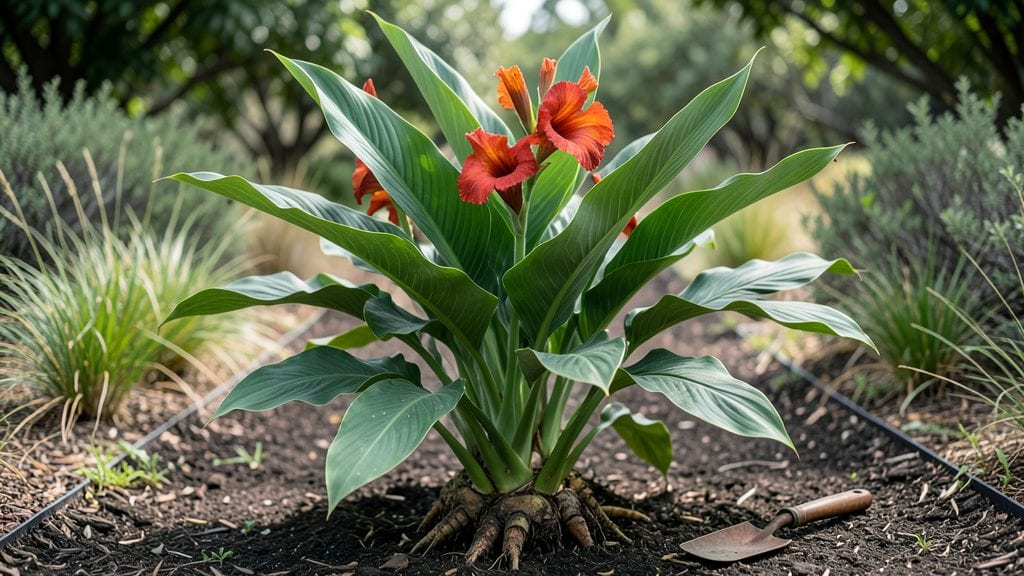
Growing rhizome flowering plants in the Pacific Northwest means choosing plants that thrive with layered roots and seasonal resilience. 🌿 I’ve learned that cannas, irises, and ginger lilies aren’t just survivors—they’re showstoppers that return year after year, even through our wet winters.
The key is matching their natural habits to your garden’s moisture and shade patterns, which makes all the difference between a struggling plant and one that blooms reliably.
These plants spread underground through thick, fibrous rhizomes that store nutrients, so they handle our region’s damp springs and cooler summers better than most.
You’ll need well-draining soil mixed with compost, 6+ hours of sunlight daily, and a spot where their bold foliage can shine without competing with thirsty neighbors. Watering is simple once you understand their rhythm: keep them moist in summer but let the soil dry slightly between waterings in fall.
By late summer, you’ll be rewarded with dramatic blooms—irises’ sword-like spikes, cannas’ tropical flair, or ginger lilies’ fiery orange clusters. The best part? Their roots multiply naturally, creating free plants for friends or new garden spots.
Just watch for slugs on tender new shoots and avoid overwatering, which can lead to rot in our heavy clay soils.
Whether you’re filling a shady border or brightening a sunny bed, rhizomes deliver low-maintenance drama that outperforms annuals. Start with divisions from existing plants—it’s the fastest way to establish a thriving patch. Let’s get those roots growing!
📚 In This Guide
- What you need
- Instructions
- Tips and common mistakes
- Wrapping up and next steps
What you need
- ● Rhizome plants: Choose PNW-friendly varieties like Iris germanica, Hosta, or Ligularia. Start with 3–5 mature rhizomes or young plants per section.
- ● Well-draining soil: Mix 50% native soil with 50% compost or peat moss (1 bag per 10 sq. ft.). For heavy clay, add perlite or coarse sand (1 part per 4 parts soil).
- ● Organic mulch: Shredded bark, straw, or wood chips (2–3 inches deep) to retain moisture and suppress weeds.
- ● Watering can or hose: With a gentle spray nozzle for even moisture distribution.
- ● Garden trowel: For transplanting rhizomes (1 per gardener).
- ● Pruners or shears: Sharp, sterilized tools for dividing or trimming (1 pair).
- ● Garden gloves: Heavy-duty to protect against thorns or soil (1 pair).
- ○ pH test kit (optional): To check soil acidity (ideal range: 6.0–7.0 for most rhizomes).
- ○ Drip irrigation system (optional): For consistent moisture, especially in dry spells.
- ● Sunlight: Partial to full shade (4–6 hours of dappled light). Avoid harsh afternoon sun.
- ● Moisture: Regular watering (1–2 inches per week), but ensure good drainage to prevent rot.
- ● Space: Minimum 12–18 inches between rhizomes (adjust based on mature size).
- ● Patience: Rhizomes may take 1–2 years to establish and flower fully!
How to cultivate rhizome flowering plants for Pacific Northwest gardens
These hardy perennials thrive with minimal fuss—here’s how to get them established and flourishing.
🌱 Step 1: Select and Divide Healthy Rhizomes
Choose mature rhizomes with multiple eye-like buds (growth points) along their length—each bud can grow into a new plant. I look for thick, firm rhizomes with no soft or mushy spots, which signal rot. Divide them in early spring when new shoots appear but before active growth begins.
Use a sterilized knife to separate sections, ensuring each piece has at least 2-3 buds. Let the cuts air-dry for 15-20 minutes to prevent disease. This step is critical: weak divisions struggle to establish roots, while strong ones spread quickly in the Pacific Northwest’s damp climate.
🪴 Step 2: Prepare the Planting Site
Rhizome plants love well-draining soil mixed with 2-3 inches of compost—they hate soggy roots. In the PNW’s acidic soils, I add a handful of lime (if your soil test recommends it) to balance pH. Work the amendments into the top 6 inches of soil where the rhizomes will sit.
Choose a spot with partial to full shade (depending on the variety)—many rhizome flowers, like hostas or astilbes, scorch in hot afternoon sun. Amend heavy clay soil with 1 part perlite to improve drainage, especially in winter-wet areas. A slightly raised bed helps prevent waterlogging.
☀️ Step 3: Plant and Mulch for Moisture Retention
Place rhizomes 2-3 inches deep, with buds facing upward. Space them 12-18 inches apart—crowding leads to competition and fewer blooms. Cover with soil, then water deeply to settle everything. In the PNW’s mild winters, mulch with 3-4 inches of shredded bark to protect roots from freezing and retain moisture.
Watch for new shoots in 3-4 weeks. If the soil feels dry 1 inch below the surface, water lightly—rhizomes rot if overwatered but wilt if too dry. This balance is key: too much moisture in winter can suffocate roots, while summer drought stresses them.
✂️ Step 4: Prune and Divide as Needed
Deadhead spent blooms in late summer to encourage a second flush of flowers. Cut back foliage by half in early fall to tidy the plant and redirect energy to root growth. In late winter, before new shoots appear, divide overcrowded clumps—every 3-4 years keeps plants vigorous.
Here’s the thing—don’t rush divisions. Wait until you see multiple shoots emerging from a single rhizome. Dig carefully with a fork, separate sections, and replant immediately. The PNW’s cool climate slows growth, so divisions take longer to establish than in warmer regions.
🌿 Step 5: Fertilize and Protect Long-Term
Feed in early spring with a balanced 10-10-10 fertilizer—rhizome plants need steady nutrients but not heavy doses. I sprinkle ½ cup per plant and water it in. Avoid high-nitrogen fertilizers; they promote leafy growth at the expense of flowers.
Watch for slugs and snails—they adore tender new growth. I place copper tape barriers around beds and handpick pests in the evening. In drier summers, a 1-inch layer of mulch keeps soil moist and suppresses weeds. With proper care, these plants reward you with decades of blooms.
Tips & tricks for perfect rhizome flowering plants
Here's what I've learned over years of growing these tough, beautiful perennials in the Pacific Northwest's unique climate.
Timing is Everything: That 15-20 minute air-drying period after dividing rhizomes might seem short, but it's crucial. I've seen too many gardeners skip this step and end up with fungal issues. Lay the divided sections on a clean towel in a shaded spot—this helps prevent disease while the cuts heal. The PNW's damp climate makes this extra important.
Soil Secrets: Don't just add compost—think about the texture. For heavy clay soils common in the PNW, I mix in equal parts compost and perlite to create that perfect well-draining environment. The 2-3 inches of compost should be crumbly, not dense. If your soil feels compacted, work in more organic matter before planting.
Mulching Magic: That 3-4 inch layer of shredded bark mulch does more than just look pretty. It creates a microclimate that protects roots from our mild winters while keeping soil moist during summer droughts. I always add a fresh layer every spring—it breaks down faster than you'd think in our climate. Pro tip: Use cedar mulch for its natural pest-repelling properties.
Division Strategy: The 3-4 year division schedule might seem long, but patience pays off. In our cooler climate, rhizomes grow more slowly than in warmer regions. I wait until I see multiple shoots emerging from a single rhizome before dividing—this ensures each new section has the energy to establish properly. Don't be tempted to divide too early, even if the plants look crowded.
Pro Tips for Rhizome Flowering Plants
- Here's what I've learned over years of growing these tough, beautiful perennials in the Pacific Northwest's unique climate.
- Timing is Everything: That 15-20 minute air-drying period after dividing rhizomes might seem short, but it's crucial.
- Soil Secrets: Don't just add compost—think about the texture.
Frequently asked questions
Got questions about growing rhizome flowering plants in the Pacific Northwest? You’re not alone! Here are some of the most common queries—plus straightforward answers to help you thrive.
What are the best rhizome plants for beginners in the PNW?
Start with hardy, low-maintenance options like Iris germanica (bearded iris), Hosta, or Ligularia. These tolerate the region’s damp, cool climate and spread easily. Avoid delicate tropical rhizomes (e.g., ginger) unless you’re willing to overwinter them indoors.
How long does it take for rhizomes to flower after planting?
Most rhizome plants take 1–3 years to flower, depending on the species and growing conditions. For example, Hosta may bloom in its second year, while Daylilies (Hemerocallis) can flower as early as the first season if planted in spring. Patience pays off—healthy roots = faster blooms!
Do rhizomes need extra watering during flowering?
Yes! Rhizomes often need consistent moisture during their active growing and flowering seasons (spring to early summer). However, avoid soggy soil—PNW’s rainy climate can lead to rot. Use raised beds or well-draining soil if your area stays wet. Mulch (2–3 inches) helps retain moisture without suffocating roots.
Why aren’t my rhizomes flowering this year?
Common culprits include:
- Insufficient sunlight: Most rhizome plants need 6+ hours of sun daily. Shady spots may delay blooms.
- Overcrowding: Divide clumps every 3–4 years to prevent competition for nutrients.
- Poor soil: Amend with compost or organic matter for better nutrient uptake.
- Stress: Drought, pests, or sudden temperature swings can halt flowering.
Can I grow rhizome plants in containers?
Many rhizomes thrive in pots, including Canna lilies or Calathea. Use containers with drainage holes and a mix of potting soil + perlite. For cold winters, move containers indoors or use insulating wraps. Just ensure pots are large enough—rhizomes spread!
How do I divide rhizomes to encourage more flowers?
Divide rhizomes in early spring or fall:
- Gently dig up the clump and rinse off soil.
- Separate into sections with 3–5 healthy fans (leaf clusters) per division.
- Trim damaged roots and replant divisions 2 inches deep, spacing them 12–24 inches apart.
- Water thoroughly and mulch to retain moisture.
Wrapping up and next steps
Rhizome flowering plants are the unsung heroes of the Pacific Northwest—hardy, adaptable, and bursting with beauty! 🌱 From Heuchera to Astilbe, these layered-rooted stars thrive in your region’s unique climate, offering year-round interest and resilience.
Whether you’re a beginner or a seasoned gardener, their low-maintenance charm makes them a must-have for any landscape.
Ready to transform your garden? Start small! Pick one rhizome plant from this guide, experiment with companion pairings, and watch your outdoor space flourish. Happy planting—your future garden will thank you! 🌸