
Flowers
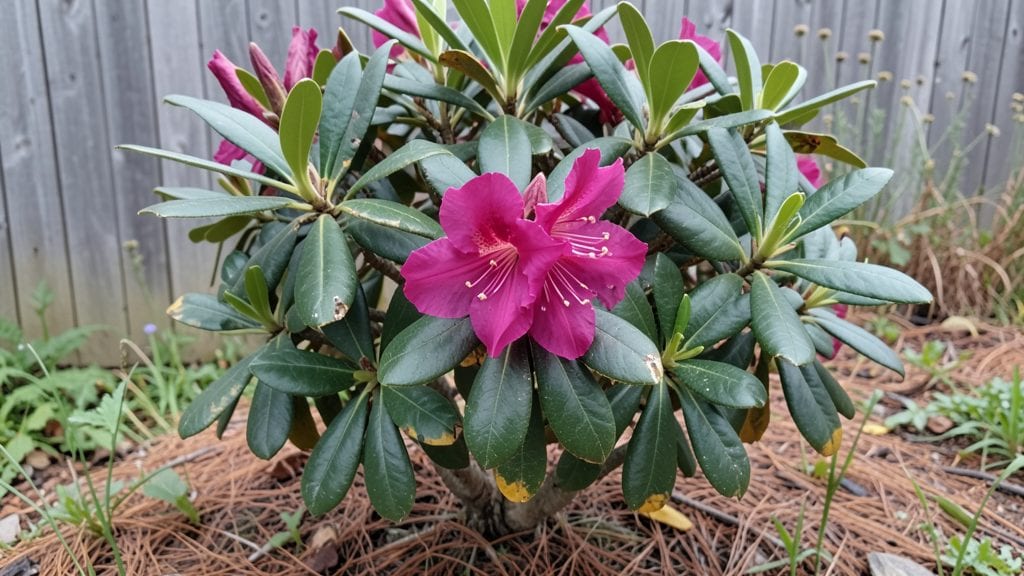
There's nothing quite like the Rhododendron maximum flower—those towering clusters of trumpet-shaped blooms that turn your garden into a Pacific Northwest masterpiece. 🌿 I remember the first time I saw one in full bloom, its deep pink trumpets standing out against the evergreen foliage like nature's own chandelier.
This isn't just a plant; it's a statement piece that thrives in your yard with minimal fuss once you know the secrets.
The key to coaxing those vibrant blooms lies in mimicking its natural habitat: acidic, well-draining soil rich in organic matter, partial shade (especially in hotter climates), and consistent moisture without soggy roots.
My first attempt failed miserably—I overwatered and ended up with yellowing leaves—but once I adjusted, the plant rewarded me with foot-tall flower spikes that lasted for weeks. The secret weapon? A thick layer of pine needles around the base to keep the soil just right.
What makes this rhododendron special is its year-round interest: glossy evergreen leaves in winter, delicate spring blooms, and even autumn foliage that turns a lovely bronze. Prune after flowering to maintain shape, and feed with an acid-loving plant fertilizer in early spring.
You'll end up with a plant that's disease-resistant, deer-proof, and the envy of every neighbor—without needing a greenhouse or fancy equipment.
Perfect for large shrub borders, woodland gardens, or as a dramatic focal point near patios. Whether you're in the Pacific Northwest or a similar temperate climate, this plant delivers low-maintenance elegance that keeps giving season after season. Let's get yours thriving!
📚 In This Guide
- What you need
- Instructions
- Tips and common mistakes
- Wrapping up and next steps
What you need
- ● Rhododendron maximum plant: A healthy, mature specimen (3–6 feet tall) from a nursery specializing in native PNW plants.
- ● Well-draining acidic soil: Mix 3 parts peat moss or coconut coir, 2 parts pine bark fines, and 1 part perlite or pumice.
- ● Organic mulch: 2–3 inches of pine needles, wood chips, or leaf mold to retain moisture and acidity.
- ● Slow-release fertilizer: Acid-loving plant fertilizer (e.g., 10-10-10 or 8-3-9) with micronutrients like iron and magnesium.
- ● Watering can or drip irrigation: For deep, consistent moisture (avoid overhead sprinklers).
- ● Garden gloves: To protect hands from thorns and soil acidity.
- ● Pruners (sterilized): Sharp, bypass pruners for shaping and deadheading.
- ● pH testing kit: To monitor soil acidity (ideal range: 4.5–6.0).
- ○ Shade cloth (optional): 30–50% coverage for young plants in hot summers.
- ● Location with dappled shade: Partial shade (4–6 hours of morning sun) in the PNW’s humid climate.
How to cultivate and care for rhododendron maximum in the Pacific Northwest
This towering beauty thrives with the right conditions—here's how to nurture its grandeur.
🌱 Step 1: Select the Perfect Planting Site
Rhododendron maximum demands partial shade—think 4-6 hours of morning sun with afternoon shade protection. In the Pacific Northwest's humid climate, direct afternoon sun scorches leaves, so plant near evergreens that cast dappled shade. The soil must be acidic (pH 4.5-6.0) and well-draining, yet consistently moist—never soggy. Test your soil with a kit; amend with peat moss or pine needles if needed.
Dig a hole twice as wide as the root ball but no deeper. Loosen the sides of the hole to encourage root spread. The plant's top should sit 1-2 inches above ground level—this prevents rot while allowing roots to expand downward. I always add a 3-inch layer of organic mulch (pine bark or wood chips) around the base, keeping it 6 inches away from the trunk to avoid moisture buildup.
☀️ Step 2: Establish Proper Watering and Light Balance
Water deeply once a week during the first growing season, ensuring the top 6 inches of soil stay moist but never waterlogged. After establishment, reduce to every 10-14 days, checking for moisture by inserting a finger 2 inches deep—if dry, water thoroughly. Overwatering suffocates roots; underwatering causes leaf drop. In summer, morning watering prevents fungal issues from prolonged leaf wetness.
Monitor light exposure closely. If new growth appears pale or elongated, the plant needs more shade. If leaves yellow at the edges, it’s getting too much sun. Adjust nearby trees or add shade cloth if needed. Mature rhododendrons develop a thick, leathery leaf texture—thin, fragile leaves signal stress.
🪴 Step 3: Feed and Prune for Long-Term Health
Fertilize in early spring with an acid-loving plant formula (10-10-10 or rhododendron-specific blend). Apply half the recommended dose—too much fertilizer burns roots. I mix it into the top 2 inches of soil around the drip line, then water deeply to activate nutrients. Avoid fertilizing in late summer or fall, as new growth won’t harden off before winter.
Prune immediately after flowering (late spring) to shape the plant and remove dead blooms. Use clean, sharp shears to cut just above a bud or leaf node. Never prune more than one-third of the plant in a single season—this stresses the shrub. Watch for brown, crispy leaf edges, a sign of winter damage; these can be trimmed in early spring to encourage fresh growth.
⏰ Step 4: Protect Through Seasonal Transitions
In autumn, reduce watering as temperatures drop, but keep soil moist until the first hard frost. Apply a 4-inch layer of mulch to insulate roots—this is critical in the PNW’s wet winters. If your region experiences freezing temperatures below 10°F, wrap young plants in burlap or use frost cloth for the first few winters. Mature rhododendrons are hardy but benefit from snow cover, which acts as natural insulation.
Spring is the time to check for pests like lace bugs or spider mites. Inspect the undersides of leaves for tiny yellow spots (lace bug feeding) or fine webbing (mites). Treat with neem oil or insecticidal soap if needed. Avoid chemical pesticides—they harm beneficial insects and disrupt the plant’s delicate ecosystem.
🌿 Step 5: Enjoy Year-Round Interest
Rhododendron maximum’s drama extends beyond spring blooms. In summer, its dark green, glossy leaves provide texture, while autumn brings vibrant fall color (reds and purples). Prune lightly in late winter to shape the canopy and encourage air circulation, which reduces disease risk. Over time, this shrub becomes a stately focal point—its 10-20 foot height makes it a natural conversation starter.
Watch for new growth at the tips in early spring—that’s your cue to adjust care. Mature plants are low-maintenance but reward attention with decades of blooms. The key is patience: it takes 3-5 years for established plants to reach peak flowering, but once they do, they’ll dominate your garden with 6-inch-wide trusses of pink or white blooms that attract hummingbirds.
Tips & tricks for perfect rhododendron maximum cultivation
These proven strategies will help you coax out the full potential of your Pacific Northwest rhododendron—where every detail matters for that signature towering elegance.
Soil pH Precision: While the instructions mention pH 4.5-6.0, I can't stress enough how critical this is. Test your soil with a reliable kit—PNW native plants like rhododendrons are particularly sensitive to even slight pH shifts. If your soil tests above 6.0, amend with sulfur or aluminum sulfate over time (it takes about 3 months to adjust). For established plants, I recommend annual pH checks in spring, especially if you notice yellowing leaves between the veins—this is often the first sign of pH drift.
Mulching Strategy: The 3-inch layer mentioned in Step 1 is perfect for young plants, but mature rhododendrons benefit from that 4-inch autumn mulch layer to protect roots through winter. I use a mix of pine bark and wood chips—this mimics the forest floor conditions they thrive in. Keep mulch 6 inches away from the trunk to prevent rot, but don't hesitate to mound it higher around the base during extreme PNW winters. This insulation can make the difference between a plant that survives and one that thrives.
Light Monitoring System: For that critical 4-6 hours of morning sun, I recommend setting up a simple observation schedule. Mark the position of your rhododendron's shadow at 9 AM and 3 PM daily for a week. If the shadow moves significantly, you'll know whether to add shade cloth or thin nearby trees. Pale new growth means it's getting too much light, while crispy leaf edges mean it's getting too intense. I've found that a 30% shade cloth stretched overhead during peak summer sun (11 AM-3 PM) can make all the difference in preventing leaf scorch.
Pruning Timing: The instructions specify pruning immediately after flowering, but here's what nobody tells you: the absolute best time is actually 2-3 weeks after flowering when the new growth has hardened off. This gives you a clearer picture of where to shape the plant. I always prune on a dry morning after the dew has evaporated—this reduces the risk of fungal infections. And here's my secret—use your pruners at a 45-degree angle just above a leaf node or bud. This creates a natural water-shedding surface that prevents water from pooling and causing rot.
Pro Tips for Rhododendron Maximum Flower
- These proven strategies will help you coax out the full potential of your Pacific Northwest rhododendron—where every detail matters for that signature towering elegance.
- Soil pH Precision: While the instructions mention pH 4.5-6.0, I can't stress enough how critical this is.
- Mulching Strategy: The 3-inch layer mentioned in Step 1 is perfect for young plants, but mature rhododendrons benefit from that 4-inch autumn mulch layer to protect roots through winter.
Frequently asked questions
Got questions about Rhododendron maximum, the Pacific Northwest’s stunning giant? Here are answers to the most common ones—from care tips to seasonal surprises!
When is the best time to plant Rhododendron maximum?
Plant in early spring or fall (4–6 weeks before frost). Avoid summer heat or winter cold—roots need time to establish before extreme temperatures! Choose a partially shaded spot with well-draining, acidic soil (pH 4.5–6.0). Pro tip: Mulch heavily to retain moisture and protect roots.
Why aren’t my Rhododendron maximum flowers opening?
Common culprits:
- Too much sun—these beauties thrive in dappled shade (6+ hours of light max).
- Overwatering—soggy roots = stress. Water deeply but let soil dry slightly between sessions.
- Nutrient deficiency—fertilize in early spring with acid-loving plant food (like 10-10-10).
- Age or dormancy—young plants or those post-bloom may rest before next season.
Can I grow Rhododendron maximum in containers?
Yes! Use a large pot (15+ gallons) with drainage holes and peat-based mix. Repot every 2–3 years to refresh soil. Key tip: Group containers to mimic woodland humidity—place them near other plants or on a tray with pebbles and water.
Are Rhododendron maximum flowers toxic to pets?
Unfortunately, yes—all parts (flowers, leaves, stems) contain grayanotoxins, which can cause vomiting, drooling, or weakness in pets. Keep plants out of reach or opt for pet-safe alternatives like Hydrangea macrophylla if you have curious pups or kitties.
How do I protect Rhododendron maximum in winter?
These hardy shrubs (USDA Zones 4–8) usually handle cold, but young plants or heavy snow need help.
- Wrap burlap around stems to prevent sunscald.
- Shake off snow gently (don’t let it accumulate—it can break branches).
- Avoid mulching too early (wait until temps drop below freezing).
Wrapping up and next steps
The Rhododendron maximum, or Great Laurel, isn’t just a flower—it’s a statement of nature’s grandeur, gracing the Pacific Northwest with its bold blooms and evergreen allure.
Whether you’re drawn to its striking spring flowers, lush foliage, or year-round beauty, this majestic plant offers endless inspiration for gardens and landscapes. 🌿✨
Ready to bring a touch of this towering elegance into your own space? Start small—plant a single specimen, explore local nurseries for varieties, or even share your passion by gifting cuttings to fellow gardening enthusiasts.
The Great Laurel isn’t just a plant; it’s a legacy of nature’s artistry waiting to unfold in your backyard!