Flowers
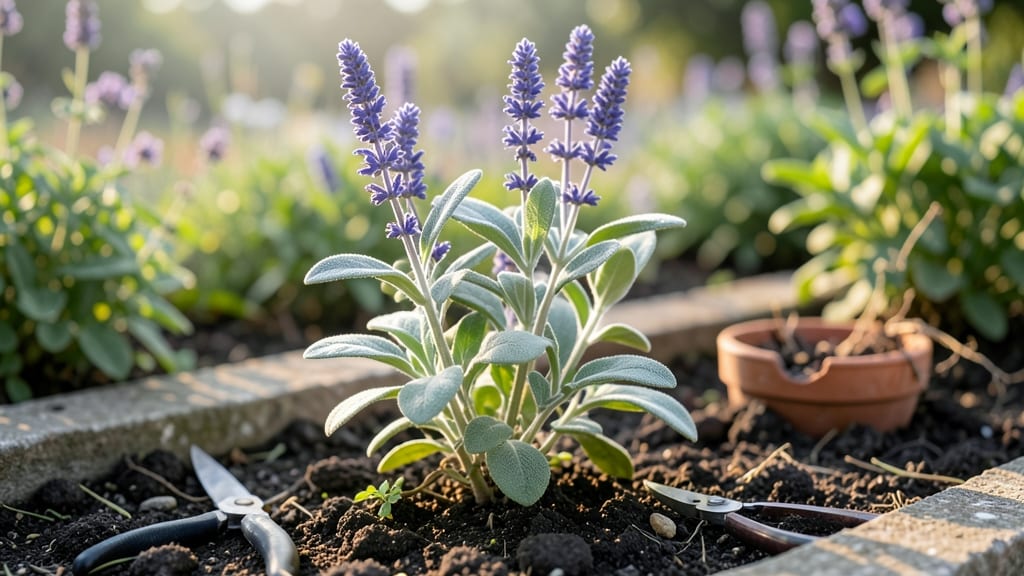
Purple sage flowers turn your Pacific Northwest garden into a buzzing, blooming paradise. 🌿 These drought-tolerant beauties—like Salvia officinalis 'Purpurascens'—draw hummingbirds and bees while adding deep violet drama to borders, cottage gardens, or pollinator patches.
Pair them with lavender, catmint, or Russian sage for a textured purple cascade, or contrast their velvety blooms with silver foliage like lamb’s ear.
In my own yard, the purple spikes stand out against sunny yellow coreopsis or soft pink nepeta, creating a layered look that thrives even in dry summers.
Plant them where they’ll get at least 6 hours of sun, and watch how they transform a space from ordinary to extraordinary. The flowers last from mid-spring through summer, and the aromatic foliage adds scent year-round. Perfect for cutting gardens too!
For a low-maintenance pollinator magnet, mix these sages with native grasses or sedum. The tall varieties (up to 3 feet) work as backdrops, while shorter types edge pathways beautifully. Once established, they’re nearly foolproof—just trim spent blooms to encourage more flowers.
📚 In This Guide
- What you need
- Instructions
- Tips and common mistakes
- Wrapping up and next steps
What you need
- ● Sage purple flowers (choose from): Seeds (e.g., Salvia nemorosa or Lavandula varieties) – 1 packet (50-100 seeds)
- ● Young plants or cuttings – 3-5 plants (for immediate color)
- ● Well-draining soil mix – 5-10 gallons (amend with perlite or sand if clay-heavy)
- ● Containers or garden beds – 6-12" deep (for pots) or full-sun spots (for in-ground planting)
- ● Organic compost – 1-2 cups per plant (boosts nutrients)
- ○ Slow-release fertilizer (optional but recommended) – 10-20-10 NPK ratio
- ● Garden trowel or transplanting spade (for digging)
- ● Watering can or hose with gentle spray nozzle
- ● Pruning shears (for shaping and deadheading)
- ● Gloves (to protect hands from thorns or rough stems)
- ○ Mulch (optional) – 2-3 inches (straw or wood chips to retain moisture)
- ● Sunlight access – 6+ hours of full sun daily (critical for vibrant blooms!)
Step-by-step guide to growing purple sage flowers in the Pacific Northwest
Here's how to coax dramatic purple blooms from your sage while keeping pollinators buzzing.
🌱 Step 1: Select the Right Sage Variety for Purple Flowers
Not all sage produces purple flowers—focus on Salvia nemorosa 'May Night' or 'Purple Haze', which are bred specifically for their deep violet blooms. These varieties thrive in the Pacific Northwest's cooler summers and handle our damp winters better than Mediterranean natives. I always plant them in full sun where they'll receive at least 6-8 hours of direct light daily—even our cloudy days won't dim their color.
Start with established nursery plants rather than seeds, as purple-flowering varieties can be tricky to find in seed form. Look for plants with sturdy stems and healthy foliage—avoid those with yellowing leaves or powdery mildew, which can spread quickly in our humid climate. The best time to plant is in early spring after the last frost, when soil temperatures reach at least 55°F.
🪴 Step 2: Prepare the Planting Site for Optimal Drainage
Sage hates soggy roots, so amend your native soil with 1 part perlite or coarse sand to 3 parts garden soil to improve drainage. In the Pacific Northwest, our heavy clay soils can suffocate roots, so I always test drainage by digging a hole, filling it with water, and waiting to see how long it takes to drain. If water remains after 2 hours, you need more amendment.
Choose a location with excellent air circulation—sage is prone to fungal diseases in still, damp air. Space plants 18-24 inches apart to allow for mature growth while preventing overcrowding. In our region, a south-facing slope gets the most sun, but even north-facing beds will work if you supplement with a reflective mulch like white gravel to bounce extra light onto the plants.
☀️ Step 3: Plant and Establish for First-Year Growth
Dig a hole twice as wide as the root ball but only as deep as the container it came in—planting too deep can suffocate the crown. Gently tease apart any circling roots before placing the plant in the hole. Backfill with native soil mixed with your amendments, pressing lightly to eliminate air pockets. Water deeply immediately after planting to settle the soil and encourage root contact.
Mulch around the base with 2-3 inches of straw or shredded bark, keeping it 3 inches away from the stem to prevent rot. In the Pacific Northwest, our cool, wet springs can delay establishment, so I water twice weekly until new growth appears. You'll know your sage is settled when it sends out fresh, vibrant foliage within 4-6 weeks—this signals the roots have found purchase in the soil.
✂️ Step 4: Prune and Maintain for Maximum Purple Blooms
Deadhead spent flowers immediately after they fade to encourage a second flush of blooms later in summer. I use clean, sharp pruners to snip just above a set of healthy leaves, which prevents disease from entering through ragged cuts. In fall, cut back the entire plant by one-third to promote bushier growth next season—this is especially important in our region where stems can get leggy from our long, damp summers.
Fertilize lightly in early spring with a balanced 10-10-10 formula applied at half strength to avoid burning tender new growth. Sage in the Pacific Northwest rarely needs more than this—our native soils provide enough nutrients, and over-fertilizing leads to lush foliage at the expense of those prized purple flowers. Watch for aphids on new growth and blast them off with a strong stream of water if they appear.
🌿 Step 5: Overwinter for Repeat Performance
Sage is surprisingly hardy in our climate, but a thick layer of 4-6 inches of straw mulch protects the crown from freezing and thawing cycles that can damage roots. In particularly cold winters, I add a lightweight row cover over the plants if temperatures dip below 15°F—this prevents desiccation from winter winds while allowing light to penetrate.
The following spring, remove old mulch and inspect for signs of overwintering pests like scale. Prune out any dead or diseased stems before new growth begins. You'll see fresh purple buds forming by early summer—this is your reward for proper care. In the Pacific Northwest, well-established sage plants often rebloom into early fall, providing continuous color and attracting pollinators throughout the season.
Tips & tricks for growing stunning purple sage blooms
These insider tricks will help you coax the most vibrant purple blooms from your sage while keeping it thriving in the Pacific Northwest's unique climate.
Sunlight Strategy: While the instructions mention 6-8 hours of direct light, I've found that positioning your Salvia nemorosa just 3 feet from a south-facing window can provide enough intensity during our cloudy days. For container plants, rotate them weekly to ensure even light exposure on all sides—this prevents leggy growth that weakens the stems holding those prized purple flowers.
Drainage Test Pro: That 2-hour drainage test is crucial in our region's heavy clay soils. I take it a step further by adding 1 part coconut coir to my amendment mix—it helps retain moisture during dry spells while still improving drainage. If you notice water pooling after 2 hours, add another 1 part perlite to your mix and retest.
Establishment Timeline: The 4-6 week window for new growth might feel long, but here's the thing: our cool springs often slow things down. I check for root establishment by gently tugging on the plant—if it resists, roots are holding. If it moves easily, give it another 1-2 weeks of twice-weekly watering with a 50% diluted fish emulsion to jumpstart growth without burning tender roots.
Winter Protection Hack: For those 15°F nights, I've found that wrapping the base of the plant with burlap before adding the straw mulch creates an extra insulating barrier. This simple step has saved my plants during our most brutal winter freezes, allowing them to bounce back stronger in spring.
Pro Tips for Sage Purple Flowers
- These insider tricks will help you coax the most vibrant purple blooms from your sage while keeping it thriving in the Pacific Northwest's unique climate.
- Sunlight Strategy: While the instructions mention 6-8 hours of direct light, I've found that positioning your Salvia nemorosa just 3 feet from a south-facing window can provide enough intensity during our cloudy days.
- Drainage Test Pro: That 2-hour drainage test is crucial in our region's heavy clay soils.
Frequently asked questions
Got questions about sage purple flowers? You’re not alone! Here are the most common queries from gardeners and nature lovers in the Pacific Northwest—plus quick answers to help you grow, care for, and enjoy these stunning blooms.
What’s the best time to plant sage purple flowers in the PNW?
For Salvia nemorosa (a top sage purple variety), plant in early spring (March–April) or early fall (September–October). This gives roots time to establish before PNW’s wet winters or scorching summers. Avoid planting in late summer—roots may struggle with heat stress!
Are sage purple flowers really great for pollinators?
These flowers are a magnet for bees, butterflies, and hummingbirds. Their nearly year-round blooms (with proper care) provide continuous nectar. Pair them with lavender or coneflowers for an even bigger pollinator party!
Why aren’t my sage purple flowers blooming?
Common culprits:
- Over-fertilizing: Too much nitrogen = lush leaves, fewer flowers.
- Poor sunlight: They need 6+ hours of sun daily.
- Deadheading delay: Snip spent blooms to encourage new growth.
- Drought stress: Water deeply but infrequently—they hate soggy roots.
Can I grow sage purple flowers in containers?
Yes! Use a 5-gallon pot minimum with well-draining soil (mix in perlite or sand). Choose a sunny balcony or patio, and water when the top inch of soil is dry. Dwarf varieties like ‘May Night’ are perfect for containers—just ensure they get winter protection (move indoors or use frost cloth).
What are some purple-flowering alternatives if sage isn’t available?
If Salvia nemorosa is hard to find, try these PNW-friendly purple bloomers:
- Russian Sage (Perovskia atriplicifolia): Drought-tolerant, fragrant, and deer-resistant.
- Catmint (Nepeta): Long-blooming and bee-loved.
- Lavender (Lavandula): Adds scent + color (but needs excellent drainage).
- Purple Coneflower (Echinacea purpurea): Native and low-maintenance.
Wrapping up and next steps
Sage purple flowers aren’t just a stunning addition to the Pacific Northwest landscape—they’re a powerful pollinator magnet that supports local ecosystems while adding drama to your garden.
Whether you’re drawn to their vibrant hue, their resilience, or their ability to attract bees and butterflies, these beauties offer both practical and aesthetic rewards. 🌿
Ready to transform your outdoor space? Start small—plant a single sage purple variety in a sunny spot, or dive deeper by creating a pollinator-friendly garden. Every bloom makes a difference, and your garden will thank you for it! 🌸