
Flowers
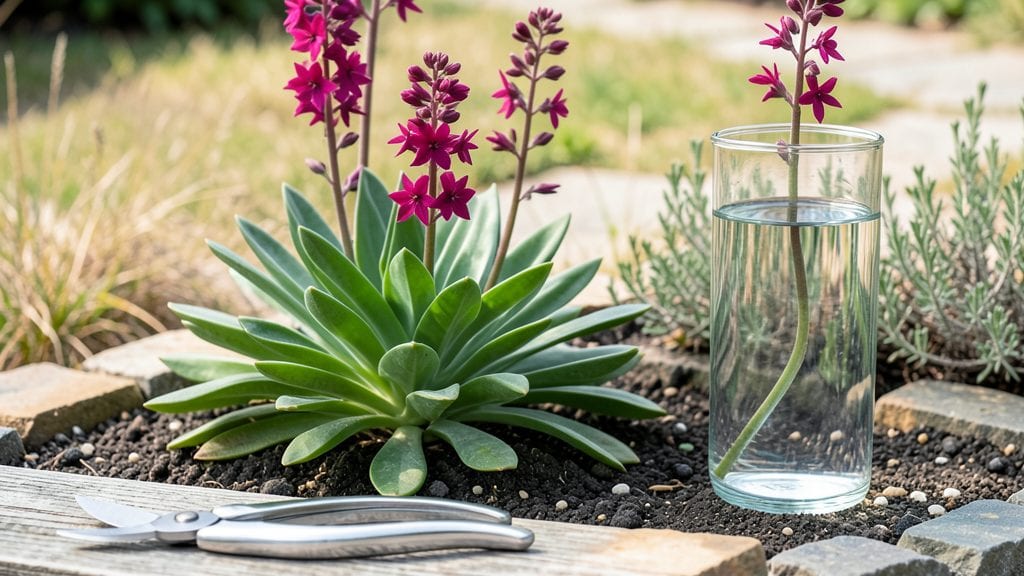
Sedum cut flowers are the unsung heroes of long-lasting bouquets—drought-tolerant, boldly colored, and stubbornly fresh even after a week in a vase. 🌸 I’ve grown sedum for years, and once you try it, you’ll never go back to wilting annuals again.
The secret lies in their thick stems and clustered blooms, which hold water like sponges and resist drooping like a stubborn mule.
Start with ‘Autumn Joy’ or ‘Matrona’ varieties—they’re the workhorses of the cut-flower world, thriving in full sun and poor soil. Plant them in well-draining beds (they hate soggy roots), and forget about fussing over them.
Once established, they’ll reward you with weeks of blooms, even in heat waves. The best part? You can harvest stems anytime they’re open, and the flowers keep improving as they age in water.
When it’s time to cut, snip stems at an angle just above a leaf node, then strip the lower foliage. Arrange them in buckets of water like you would roses, and watch them last 10-14 days—sometimes longer.
The color deepens over time, turning from soft pink to fiery red, and the stems stay sturdy enough to hold up heavy blooms. It’s the kind of flower that makes you look like a pro without trying.
Works in containers, borders, or wildflower meadows—sedum adapts to almost any spot. Whether you’re a first-time grower or a seasoned florist, these perennials deliver zero-fuss beauty that keeps giving. Ready to grow your own bouquet staples?
📚 In This Guide
- What you need
- Instructions
- Tips and common mistakes
- Wrapping up and next steps
What you need
- ● Sedum plants: Healthy, mature sedum varieties (e.g., Sedum spectabile, Sedum telephium, or Sedum ‘Autumn Joy’). Aim for at least 3–5 plants for a meaningful bouquet.
- ● Sharp pruning shears or floral scissors: 1 pair (sterilized with rubbing alcohol to prevent disease). Avoid dull blades—they crush stems!
- ● Clean, sharp knife or pruners: 1 backup for thicker stems.
- ● Vase or floral arrangement container: 1–2 (glass, ceramic, or even a mason jar). Choose a size that fits your bouquet—1–2 inches in diameter per stem is ideal.
- ○ Floral preservative: 1 bottle (e.g., Floralife or homemade mix: 1 tsp sugar + 1 tsp bleach (optional) + 1 quart water). Extends vase life by 3–5 days!
- ● Bucket or large container: 1 (for holding cut stems while prepping). Fill with 1–2 inches of water to hydrate stems immediately.
- ● Newspaper or damp towel: 1 (to protect surfaces and keep stems fresh during trimming).
- ● Floral foam: 1 block (for arrangements without vases).
- ● Rubbing alcohol: Small bottle (for sterilizing tools between cuts).
- ● Chalk or marker: 1 (to label stems by variety or harvest date).
- ● Drying rack or wire mesh: 1 (if air-drying sedum for crafts).
- ● Tweezers or floral tape: 1 roll/set (for securing stems in arrangements).
How to prune sedum for stunning, long-lasting cut flowers
Sedum delivers effortless blooms that last weeks in vases—here’s how to coax the most from your plants with minimal work.
🌿 Step 1: Time Your Pruning for Peak Bloom
Wait until late summer, when 50% of flower clusters have opened but still have buds remaining. This ensures you harvest at the plant’s strongest point—too early and stems won’t develop enough buds, too late and blooms will be past their prime. I like to prune on a mild morning after dew has dried but before the sun peaks; the cooler air reduces stress on the plant.
Use clean, sharp pruners to cut just above a set of leaves or a leaf node. This encourages new growth and prevents ragged stems. If you’re harvesting for bouquets, focus on the outer stems first—this keeps the plant bushy and productive. Avoid cutting more than one-third of the plant’s height at once, or you’ll shock the sedum into dormancy.
✂️ Step 2: Harvest Stems Properly for Longevity
Snip stems at a 45-degree angle about 2 inches below the flower cluster. This prevents water from pooling in the stem, which causes rot. Remove any leaves that would sit below the waterline in your vase—wet foliage spoils faster. I strip leaves from the lower 6 inches of each stem to keep the vase clean and extend bloom life.
Place cut stems immediately in a bucket of lukewarm water (cold water shocks stems). Sedum stems are tough, but they’ll last longer if you give them a quick 10-minute soak in water with a splash of floral preservative. This hydrates the stems and primes them to drink up water later. Bundle stems loosely with rubber bands to keep them organized during transport.
☀️ Step 3: Prepare and Condition Stems Before Arranging
Once home, recut stems at a fresh 45-degree angle under running water. This removes any blocked vessels that might prevent water uptake. Place stems in a clean vase filled with room-temperature water and a floral preservative (or a pinch of sugar and bleach for DIY). Change the water every 2-3 days to keep stems hydrated.
Sedum thrives in indirect light after cutting. Position your vase away from direct sun or heat sources—this prevents buds from opening too quickly. You’ll see stems drink up water within hours; if they wilt slightly, give them another 10-minute soak before arranging. With proper care, your sedum bouquet will last 10-14 days—longer than most cut flowers.
🌱 Step 4: Encourage Future Blooms After Pruning
After harvesting, water the sedum plant at the base to avoid wetting the foliage. Sedum stores water in its leaves, so it’s drought-tolerant, but a deep watering encourages new growth. Fertilize lightly with a balanced, water-soluble fertilizer (10-10-10) diluted to half strength. This gives the plant a gentle boost without overstimulating tender new shoots.
Watch for new growth at the base of the plant within 2-3 weeks. If you pruned too aggressively, the sedum may go dormant, but it’ll bounce back in spring. To keep it blooming year after year, mulch around the base with 2-3 inches of organic mulch** in late fall. This protects roots from freezing temperatures and keeps weeds at bay.
Tips & tricks for perfect sedum cut flowers
Here's how to turn your sedum harvest into show-stopping bouquets that last longer than most cut flowers.
Timing is Everything: The late summer timing in Step 1 is non-negotiable for peak flavor and bud development. I've learned the hard way that pruning too early means fewer blooms, while waiting too long results in limp, overblown flowers. Look for that perfect 50% bloom stage—it's when the plant has the most energy stored for your vase.
Cutting Technique Matters: That 45-degree angle in Step 2 isn't just decorative—it's crucial for water uptake. I use a small marker on my pruners to ensure consistent angles. Also, never cut more than one-third of the plant's height at once; I've seen sedum go completely dormant after aggressive pruning. Think of it as giving your plant a haircut, not a buzz cut!
Water Temperature Wisdom: The lukewarm water recommendation in Step 2 is a game-changer. Cold water shocks stems, while hot water can cook them. I keep a thermometer in my kitchen to check water temps—ideal is around 70-75°F. After cutting, I always give stems that 10-minute soak with floral preservative; it's like giving them a hydration boost before their vase debut.
Lighting Aftercare: Sedum thrives in indirect light after cutting, but I've found the perfect spot is key. Place your vase near a north-facing window or under a grow light if needed. Direct sunlight causes buds to open too quickly, while dim light makes stems wilt faster. I keep mine about 3 feet from windows to balance both needs.
Pro Tips for Sedum Cut Flower
- Here's how to turn your sedum harvest into show-stopping bouquets that last longer than most cut flowers.
- Timing is Everything: The late summer timing in Step 1 is non-negotiable for peak flavor and bud development.
- Cutting Technique Matters: That 45-degree angle in Step 2 isn't just decorative—it's crucial for water uptake.
Frequently asked questions
Got questions about harvesting and enjoying your sedum cut flowers? You’re not alone—these hardy beauties are full of surprises! Here are answers to the most common queries to help you make the most of your sedum blooms.
How do I know when sedum flowers are ready for cutting?
Pick sedum when half the blooms on a stem are fully open—this ensures a longer vase life. Avoid cutting when buds are still tightly closed or when flowers are wilting. Early morning is the best time, as stems are hydrated and sturdy. Pro tip: Use sharp pruners or clean scissors to avoid crushing stems!
How long will sedum cut flowers last in a vase?
With proper care, sedum cut flowers can last 10–14 days in a vase! Change the water every 2–3 days and trim stems at an angle to encourage hydration. Keep them away from direct sunlight or drafts, which can shorten their lifespan. Bonus: Add a flower food packet to extend their freshness!
Can I mix sedum with other flowers in arrangements?
Sedum’s drought-resistant charm and vibrant colors pair well with delicate blooms like snapdragons, dusty miller, or ornamental grasses. Avoid heavy flowers that might weigh down sedum’s lightweight stems. For a low-maintenance bouquet, try pairing it with succulents or eucalyptus for a modern, textured look.
Why are my sedum cut flowers wilting quickly?
Quick wilting often means air bubbles in the stems or poor hydration. To fix it:
Not at all! In fact, pruning encourages bushier growth and more flowers. Just avoid cutting more than 1/3 of the plant at once. Sedum is resilient—it thrives on neglect, so don’t stress over perfect timing. Fun fact: Regular cutting can even delay winter dormancy in some varieties!
If the issue persists, check for bacterial growth (cloudy water) and refresh the vase entirely.
Will cutting sedum harm the plant?
Wrapping up and next steps
Sedum cut flowers are a game-changer for gardeners and florists alike—offering stunning, long-lasting blooms with minimal effort. Their drought tolerance, vibrant colors, and ability to thrive in vases make them a low-maintenance superstar for any floral arrangement.
Whether you're pruning for beauty or harvest, sedum delivers effortless elegance with zero fuss!
Ready to elevate your garden or bouquets? Grab your shears, pick your favorite sedum variety, and start harvesting today! 🌸 Your next floral masterpiece is just a cut away.