
Tools
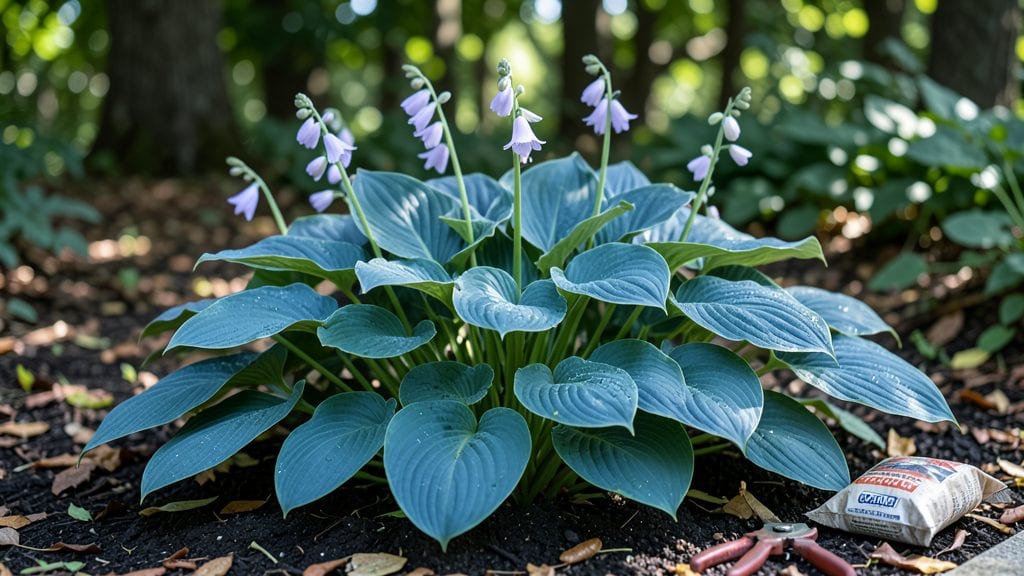
A shaded flower garden transforms forgotten corners into lush, vibrant spaces where sunlight struggles to reach. 🌿 I’ve designed gardens under towering oaks and along north-facing walls, and the key isn’t fighting the shade—it’s working with it. The right plants, layered thoughtfully, create drama where others see limitations.
Start with a three-tiered structure: tall plants like astilbe or ferns anchor the back, mid-height blooms like impatiens or hostas fill the middle, and trailing ivy or ajuga spill over edges.
Soil prep matters too—amend with compost to improve drainage, and mulch heavily to retain moisture and cool roots. Even in deep shade, the right combo thrives.
By summer’s end, you’ll have a garden that feels alive with color and texture, where every visit reveals new details—velvety leaves, delicate blooms, and the quiet hum of pollinators drawn to unexpected nectar sources.
The best part? These plants ask for less fuss than sun-lovers, rewarding patience with reliability and beauty.
Whether you’re working with dappled light or full shade, the principles stay the same: choose wisely, layer intentionally, and let nature do the rest. Let’s bring your low-light space to life—one plant at a time.
📚 In This Guide
- What you need
- Instructions
- Tips and common mistakes
- Wrapping up and next steps
What you need
- ● Soil: 2–3 cubic yards of well-draining, organic-rich soil (amend with compost for moisture retention).
- ○ Optional: Perlite or coarse sand (1–2 bags) to improve aeration in heavy clay.
- ● Mulch: 3–4 bags (2–3 cubic feet each) of wood chips, shredded bark, or pine straw (retains moisture, suppresses weeds).
- ● Plants: Shade-tolerant perennials: 5–10 plants (e.g., Hosta, Heuchera, Astilbe, Ferns).
- ● Shade-loving annuals: 3–5 plants (e.g., Impatiens, Begonias, Caladiums).
- ● Ground covers: 1–2 bags of Sweet Woodruff or Liriope (for texture and erosion control).
- ● Tools: Garden trowel or hand shovel
- ● Pruners (bypass or anvil type)
- ● Garden fork (for amending soil)
- ● Wheelbarrow (for hauling soil/mulch)
- ● Measuring tape (25–50 ft)
- ● Gloves (heavy-duty for mulch/soil)
- ● Structural Elements: Trellises or obelisks (for climbing plants like Clematis or Ivy)
- ● Decorative stones or stepping stones (for paths or borders)
- ● Lighting: Solar-powered path lights (to highlight plants at night)
- ● Fertilizers: Slow-release granular fertilizer (e.g., Osmocote or fish emulsion)
- ● Epsom salt (for magnesium-deficient foliage)
- ● Watering: Drip irrigation kit or soaker hoses (for consistent moisture)
- ● Rain gauge (to monitor watering needs)
Step-by-Step instructions for designing a thriving shaded flower garden
Here's how to create a lush, layered garden that blooms beautifully even in shady spots.
🌱 Step 1: Assess Your Shade Conditions
First, determine your shade type—this dictates plant selection. Walk through the area at different times of day to note how much light reaches the ground. Deep shade (less than 3 hours of light) suits ferns, hellebores, and astilbes, while partial shade (3-6 hours) thrives with impatiens, bleeding hearts, and lungwort. I always mark the sunniest and shadiest spots with flags to visualize the layout.
Observe moisture levels too—shady areas often stay damp longer. If water pools after rain, you’ll need raised beds or containers with drainage. The goal is to match plants to both light and moisture conditions. A simple trick: Place a white board on the ground for an hour around midday. If it stays nearly clean, you have deep shade; if it shows faint shadows, it’s partial shade.
🪴 Step 2: Layer Plants by Height and Function
Start with tall plants at the back or center, then add mid-height and ground covers. For 4-foot-tall spaces, try astilbes or ferns as your backdrop. In front, use 12-inch-tall plants like impatiens or hostas, and fill gaps with creeping jenny or ajuga. I always sketch a rough map first—it saves time and prevents overcrowding.
Incorporate textures too: glossy leaves of hostas contrast beautifully with the fuzzy foliage of lamb’s ear. For height variation, mix in ornamental grasses like hakonechloa, which adds movement without needing full sun. Space plants 12-24 inches apart depending on their mature size—check plant tags for guidance. This ensures air circulation and prevents disease.
☀️ Step 3: Amend Soil for Better Drainage and Fertility
Shady soil often compacts and drains poorly, so loosen it with 2-3 inches of compost mixed into the top 6 inches. I like to add a handful of perlite or coarse sand to improve drainage without altering the soil’s natural moisture-retentive qualities. Test the soil’s pH—most shade-loving plants prefer 6.0-7.0. If your soil is acidic, add crushed limestone.
Mulch heavily with 3-4 inches of shredded bark or leaves to retain moisture and suppress weeds. Avoid fresh wood chips—they can rob nitrogen from the soil. Replenish mulch annually, especially in high-traffic areas where it breaks down faster. This step is non-negotiable: healthy soil means healthier plants.
💧 Step 4: Water Deeply and Establish a Routine
Shade gardens need consistent moisture, especially during dry spells. Water deeply once a week (or more in extreme heat) until the soil is damp 6 inches down. Use a moisture meter or stick your finger in—if it feels dry, it’s time to water. I water in the early morning to reduce evaporation and fungal diseases. Drip irrigation works best here; it delivers water slowly and evenly.
Watch for signs of overwatering, like yellowing leaves or mold on the soil surface. If you see these, reduce frequency and let the top inch dry out between waterings. Mulch helps regulate moisture, but it’s not a substitute for proper watering. The key is balance—shade plants hate soggy roots but also struggle in drought.
✂️ Step 5: Maintain and Refresh Seasonally
Deadhead spent blooms regularly to encourage more flowers, especially with impatiens and begonias. Cut back leggy growth in early spring to promote bushier plants. I also fertilize lightly in early spring with a balanced 10-10-10 fertilizer—shade plants don’t need heavy feeding, but a little boost helps them thrive. Avoid high-nitrogen fertilizers; they encourage foliage over flowers.
Rotate plants every few years to prevent soil depletion and pests. For example, swap out tired hostas with new varieties or add perennials like foamflower for early spring color. Divide crowded clumps in early fall or spring—this rejuvenates plants and gives you free divisions for other gardeners. A little seasonal care keeps your shade garden looking fresh and vibrant year after year.
Tips & tricks for perfect shaded flower gardens
These practical tips will help you create a thriving shade garden that stays beautiful all season long.
Plant Selection Matters: In Step 1, when assessing your shade conditions, remember that plants labeled "part shade" can often tolerate more sun than you might expect. For example, hostas and ferns can handle 3-6 hours of light but will thrive in deeper shade too. I always test a few plants in different spots to see how they adapt—this helps you fine-tune your shade map over time.
Layering Like a Pro: When creating your height layers in Step 2, think vertically! Use trellises or small obelisks to train climbing plants like clematis or honeysuckle upward, adding another dimension to your garden. For ground covers, consider adding sweet woodruff or wild ginger—they spread beautifully while keeping weeds at bay. The 12-24 inch spacing rule is your friend here, but don't be afraid to experiment with closer spacing for dramatic ground cover effects.
Soil Prep Secrets: In Step 3, don't overlook the importance of that 2-3 inch compost layer. I like to mix in a handful of worm castings too—they add beneficial microbes that help plants absorb nutrients more efficiently. For acidic soil, you can also try adding sulfur instead of crushed limestone to adjust the pH gradually. The 3-4 inch mulch layer is essential, but make sure it doesn't touch plant stems to prevent rot.
Watering Wisdom: The once-a-week watering guideline in Step 4 works well, but remember that this can vary dramatically based on your climate. In hotter months, you might need to water every 4-5 days instead. I always check moisture by feeling the soil—if it's dry 2 inches down, it's time to water. For containers, you'll need to water more frequently since they dry out faster than in-ground plantings.
Pro Tips for Shaded Flower Garden
- These practical tips will help you create a thriving shade garden that stays beautiful all season long.
- Plant Selection Matters: In Step 1, when assessing your shade conditions, remember that plants labeled "part shade" can often tolerate more sun than you might expect.
- Layering Like a Pro: When creating your height layers in Step 2, think vertically!
Frequently asked questions
Got questions about creating a stunning shaded flower garden?
You’re not alone! Whether you’re a beginner or a seasoned gardener, these answers will help you navigate the nuances of low-light gardening with confidence. Let’s dive in!
What are the best shade-tolerant flowers for deep shade (less than 3 hours of sunlight)?
For deep shade, opt for hardy perennials like heuchera (coral bells), hostas, astilbes, and bleeding hearts (Dicentra). Annuals like impatiens and fuchsias also thrive here. Avoid sun-loving bloomers like marigolds or zinnias—they’ll struggle and may not flower at all.
When is the best time to plant a shaded flower garden?
The ideal window is early spring (after the last frost) or early fall (6–8 weeks before your first frost). This gives roots time to establish before extreme heat or cold. Pro tip: If planting in summer, water deeply daily for the first 2 weeks to reduce transplant shock.
Can I grow flowers in shade with artificial lighting?
Artificial grow lights (LED or fluorescent) can supplement natural light, but they won’t replace it entirely. Use them to extend daylight for 6–8 hours/day if your space gets minimal sunlight. Place lights 12–18 inches above plants for best results. Pair this with shade-loving varieties for the best outcome.
Why are my shade-loving flowers wilting or turning yellow?
Yellowing leaves often signal overwatering or poor drainage, while wilting can mean underwatering or root stress. Check soil moisture—shaded gardens stay damp longer, so ensure pots/containers have drainage holes. Fix it: Adjust watering (let top 1–2 inches dry out between waterings) and amend soil with compost for better aeration.
How can I add height and texture to a shaded garden without blocking light?
Use airy, upright plants like foxgloves, cimicifuga (bugbane), or ferns for vertical interest. Avoid dense shrubs that cast heavy shade. For texture, mix in hostas with variegated leaves or heuchera with deep colors. Layer plants in 3 tiers: tall back, medium mid, and low ground cover.
Wrapping up and next steps
A shaded flower garden transforms even the trickiest low-light spaces into vibrant, serene retreats—proving that beauty thrives with the right plants and design! 🌿 By embracing layered textures, dappled sunlight strategies, and hardy perennials, you’ve unlocked a garden that’s both resilient and stunning.
The key? Start small, experiment fearlessly, and let nature guide your green thumb.
Ready to bloom with confidence? Grab your tools, sketch a simple layout, and plant your first shade-loving star—your garden’s next masterpiece is just a shovel’s throw away! 🌸