
Flowers
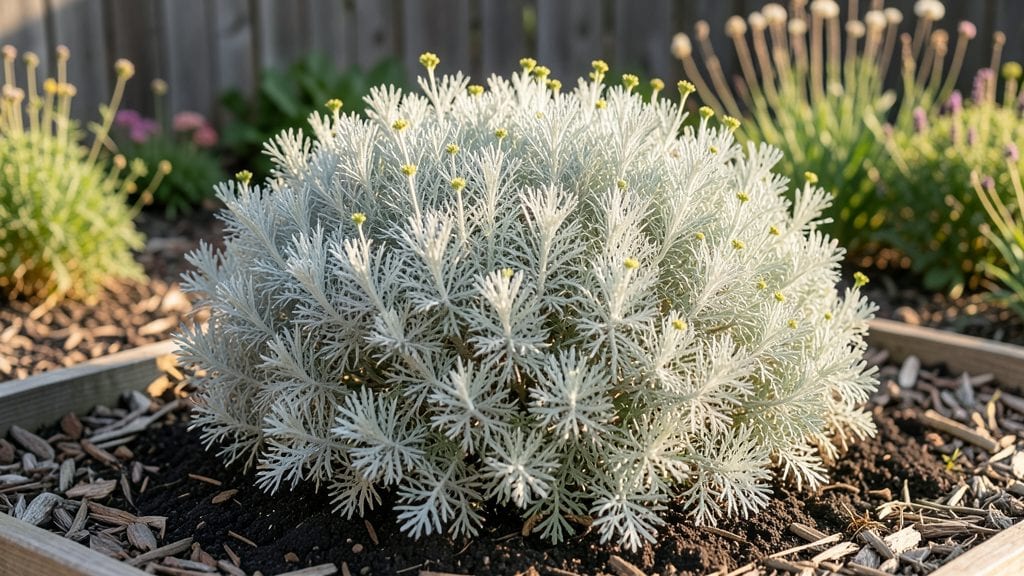
The silver mound flower thrives where frost lingers longest—its silvery foliage stays crisp through winter, making it the Pacific Northwest’s unsung hero. 🌿 I’ve grown it in my own garden for years, and its ability to handle freezing temps while still looking stunning is nothing short of magical.
This hardy perennial isn’t just frost-resistant; it’s also drought-tolerant and pest-proof, which means less work for you and more time enjoying its soft, velvety texture.
Perfect for borders, containers, or drought-tolerant landscapes, this plant demands very little from you once established. It prefers full sun to partial shade and well-draining soil, but it won’t fuss if you forget to water it occasionally.
The key is getting it planted right—the first year sets the stage for years of effortless beauty. With proper care, it grows into a 3-foot-wide mound that stays lush, even in the coldest months.
You’ll love how it pairs with other perennials, adding texture and contrast to your garden without competing for attention. Its silvery-blue leaves create a striking backdrop for blooms, and it rarely needs pruning—just a light trim in early spring to tidy it up.
Once you plant it, you’ll wonder why you didn’t add it sooner.
Whether you’re designing a low-maintenance border or filling a container, this plant delivers year-round interest with almost no effort. Let’s get yours growing strong—it’s easier than you think.
📚 In This Guide
- What you need
- Instructions
- Tips and common mistakes
- Wrapping up and next steps
What you need
- ● Silver mound flower plants: 3–5 nursery-grown plants (6–12 inches tall, in 4-inch pots). Pro tip: 💡 Choose healthy specimens with lush, silvery foliage and no signs of pests.
- ● Well-draining soil: 10–15 cubic feet of a mix of 50% garden soil, 30% coarse sand or perlite, and 20% compost (ensures drainage in the PNW’s wet climate).
- ● Sunlight access: A full-sun to partial-shade location (6+ hours of sunlight daily for optimal growth).
- ● Mulch: 2–3 inches of gravel or pine bark mulch (prevents rot in winter).
- ● Watering can or hose: With a gentle spray nozzle (avoid overwatering).
- ● Pruning shears: Sharp, sterilized shears (for shaping in early spring).
- ● Slow-release fertilizer: 1–2 cups of balanced 10-10-10 (apply in early spring).
- ● Edging stones: Decorative stones to define garden beds.
- ● Drought-resistant companion plants: Like Lavender or Ornamental grasses (enhances PNW landscapes).
- ● Frost cloth: Lightweight fabric for young plants in late fall (extra protection for first-year growth).
Step-by-step guide to planting and maintaining Silver Mound flowers
This frost-hardy perennial thrives in Pacific Northwest climates with minimal fuss.
🌱 Step 1: Select the Perfect Planting Location
Silver Mound flowers (Artemisia schmidtiana) adore full sun to partial shade, with at least 6 hours of direct sunlight daily. In the PNW, I always plant mine where morning sun warms the soil but afternoon shade prevents leaf scorch. A slightly elevated spot ensures good drainage—critical since these plants hate soggy roots.
Check your site by observing how sunlight moves across it throughout the day. You'll notice the western side gets intense afternoon rays, while the north side stays cooler. For best results, choose the northwest corner of your garden where light is bright but not harsh. Test the soil by squeezing a handful—if it crumbles easily, it's well-draining. If it stays clumpy, amend with 2-3 inches of coarse sand before planting.
🪴 Step 2: Prepare the Soil and Plant with Care
Silver Mound flowers thrive in well-draining, slightly alkaline soil with a pH between 7.0 and 8.0. Mix 1 part compost into the top 6 inches of native soil to improve fertility without compacting it. I avoid heavy amendments like manure, which can cause excessive nitrogen and weaken the plant's signature silvery foliage.
Dig a hole twice as wide as the root ball but no deeper. Gently remove the plant from its container and loosen any circling roots with your fingers. Place it in the hole so the top of the root ball sits level with the surrounding soil—burying too deep suffocates the plant, while planting too high leaves roots exposed. Backfill with native soil mix, pressing lightly to eliminate air pockets.
💧 Step 3: Water and Mulch for Long-Term Success
Water deeply once immediately after planting, then again every 7-10 days during the first growing season. You'll know it's time when the top 2 inches of soil feel dry to the touch. Overwatering causes root rot, so let the soil dry between waterings—Silver Mound flowers are drought-tolerant once established.
Apply 2-3 inches of mulch (like pine bark or gravel) around the base, keeping it 3 inches away from the stem to prevent moisture buildup. This mulch layer regulates soil temperature, suppresses weeds, and retains moisture without suffocating roots. In the PNW's rainy winters, mulch also protects against frost heave, which can uproot shallow-rooted perennials.
☀️ Step 4: Prune and Maintain for Year-Round Beauty
Prune Silver Mound flowers once in early spring (before new growth starts) to shape the plant and remove any dead or damaged foliage. Use clean, sharp pruners to cut back one-third of the oldest stems at the base. This encourages fresh, vigorous growth and maintains that signature silver mound shape. Avoid heavy pruning in fall—it stresses the plant before winter.
Fertilize lightly once in early spring with a balanced, slow-release fertilizer (like 10-10-10) applied at half the recommended rate. Too much nitrogen produces lush green growth at the expense of the plant's silvery hue. Monitor for pests like spider mites, which thrive in dry conditions—if you spot webbing, spray the plant with water to dislodge them or use neem oil as a natural remedy.
⏰ Step 5: Winterize for Pacific Northwest Resilience
Silver Mound flowers are hardy to USDA Zone 5, making them perfect for PNW winters. However, in exposed or windy locations, add a 2-3 inch layer of straw mulch in late fall to insulate roots. Avoid heavy mulch piles, which can smother the plant—think of it as a light blanket, not a burial mound.
In early spring, remove old mulch and check for winter dieback. If stems appear brown and mushy, trim them back to healthy green growth. You'll notice new shoots emerging from the base by mid-April, signaling the plant's resilience. Water sparingly in winter unless temperatures drop below 20°F, when a light soaking prevents desiccation.
Tips & tricks for perfect Silver Mound flower planting and care
A few key insights will help you cultivate thriving Silver Mound flowers that thrive in Pacific Northwest conditions.
Location Intelligence: When selecting your northwest corner spot, pay attention to seasonal sun shifts. Early spring sunlight patterns can differ from summer conditions. I always mark my garden with stakes at solstices to track how sunlight moves—this helps me visualize where those crucial 6 hours of daily sun will land year-round.
Soil Science: Testing your soil's pH is worth the small investment—Silver Mound flowers prefer slightly alkaline conditions (7.0-8.0). If your soil tests below 6.5, amend with crushed limestone or wood ash (sparingly) to raise the pH gradually. Remember that compost alone won't adjust pH—it's all about those mineral amendments for the perfect growing environment.
Watering Wisdom: The 7-10 day watering schedule in the first year might seem infrequent, but it's intentional. These plants develop deep roots when watered properly, making them more drought-resistant later. I use a moisture meter to check those top 2 inches—it's more accurate than guessing by feel, especially in our variable PNW climate.
Pruning Precision: When you cut back one-third of the oldest stems in early spring, focus on stems that are clearly woody at the base. These are the ones that have served their purpose and will regenerate from the base. Save those newer, more flexible stems—they'll drive your plant's next season of growth. Think of it as giving your plant a haircut that encourages new, vibrant growth.
Pro Tips for Silver Mound Flower
- A few key insights will help you cultivate thriving Silver Mound flowers that thrive in Pacific Northwest conditions.
- Location Intelligence: When selecting your northwest corner spot, pay attention to seasonal sun shifts.
- Soil Science: Testing your soil's pH is worth the small investment—Silver Mound flowers prefer slightly alkaline conditions (7.0-8.0).
Frequently asked questions
Got questions about growing and caring for the stunning Silver Mound Flower (Craspedia globosa)? You’re in the right place! Here are answers to the most common queries from gardeners in the Pacific Northwest and beyond.
Is the Silver Mound Flower truly frost-resistant?
The Silver Mound Flower is extremely cold-hardy, thriving in USDA Zones 5–9. Its woolly, silver-gray foliage acts like a built-in insulator, protecting it from frost and snow. Just avoid planting it in soggy, poorly drained soil—it prefers well-draining conditions to prevent rot. Pro tip: In harsh winters, a light mulch can help retain moisture without smothering the plant.
How long does it take for Silver Mound Flowers to bloom?
With patience, you’ll see blooms in 1–2 years from seed, but most gardeners opt for nursery-grown plants for faster results. Once established, the spherical silver flowers appear in late summer to early fall (August–October in the PNW). Note: Each bloom lasts only 1–2 weeks, but the foliage remains decorative year-round!
Can I grow Silver Mound Flowers in containers?
This compact perennial (mature size: 1–2 feet tall/wide) thrives in 10–12-inch pots with drainage holes. Use a fast-draining mix like cactus/succulent blend. Containers let you move it to sunny spots or bring it indoors during extreme heat. Just avoid overwatering—let soil dry between waterings. Bonus: Pair it with drought-tolerant companions like Lavandula or Sedum for a PNW-friendly container garden.
Are Silver Mound Flowers deer- or rabbit-resistant?
While not completely deer-proof, the fuzzy, silvery foliage is less appealing than tender perennials. Deer may nibble in severe hunger, but rabbits usually avoid it. For extra protection, plant in well-lit areas or add a physical barrier (like chicken wire) until established. Warning: If leaves show jagged edges, relocate or add companion plants like Russian Sage, which deer dislike.
What’s the best alternative if Silver Mound Flowers don’t thrive in my climate?
If your soil is too wet or winters are brutal, try these PNW-friendly frost-resistant alternatives with similar texture:
- Lamb’s Ear (Stachys byzantina) – Soft, silver foliage; loves dry conditions.
- Ice Plant (Delosperma spp.) – Succulent-like, drought-tolerant, and blooms in summer.
- Oregon Grape (Mahonia aquifolium) – Evergreen, berry-producing, and thrives in shade.
Wrapping up and next steps
The Silver Mound flower isn’t just a stunning addition to your Pacific Northwest garden—it’s a resilient, low-maintenance star that thrives in frost and adds texture and elegance year-round. Whether you’re a seasoned gardener or just starting, this hardy perennial proves that beauty and durability go hand in hand.
Ready to bring this silvery-green charm to your outdoor space? Start by gathering your supplies, then dive into planting or propagating—your future garden will thank you! 🌿✨