Flowers
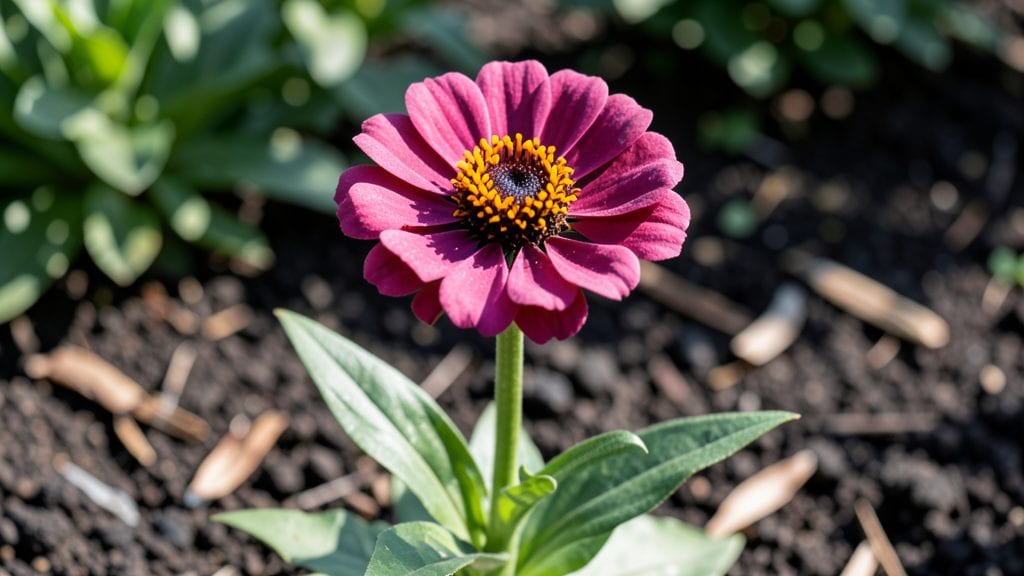
Single-flower zinnias burst into bold, sun-drenched blooms faster than you’d expect—60 days from seed—and their simple, open centers make them a gardener’s secret weapon. 🌻 I’ve grown them for years, and there’s nothing like the first wave of deep reds, fiery oranges, and sunny yellows cutting through summer beds. The key difference from double-flowered varieties? Those layered petals hide a fragrant center, while single-flower zinnias show off theirs like a proud stage—bees and butterflies adore them too.
You’ll need full sun (at least 6 hours daily), well-draining soil, and consistent moisture—not soggy roots. Start seeds indoors 4-6 weeks before your last frost, or sow directly after all danger of frost has passed.
The trick is spacing: give them 12-18 inches apart so air circulates and stems stay sturdy. Once they hit 6-8 inches tall, pinch back the tips to encourage bushier growth—this is where most gardeners miss out on that second flush of blooms in late summer.
By mid-summer, you’ll have football-sized blooms that last until frost, their petals crisp and vibrant. The secret? Deadheading spent flowers keeps them coming, and a light feeding with balanced fertilizer every 4-6 weeks ensures those bold colors stay true.
Single-flower zinnias also self-seed like crazy—next year, you might find volunteers popping up where you least expect them.
Perfect for cut flower arrangements, pollinator gardens, or just filling gaps in your beds. They thrive in containers too, making them ideal for balconies or small spaces. Here’s how to get started—no green thumb required!
📚 In This Guide
- What you need
- Instructions
- Tips and common mistakes
- Wrapping up and next steps
What you need
- ● Seeds: Zinnia elegans (single-flower variety) – 1 packet (50-100 seeds) or 10-20 seeds if starting small.
- ● Growing Containers or Garden Bed: For containers: 4-6" pots (1 per seedling) or 1 large container (12"+ diameter) for multiple plants.
- ● For garden beds: Full sun (6+ hours/day) and well-draining soil.
- ● Potting Mix: High-quality seed-starting mix (sterile and lightweight) or garden soil amended with compost (for direct sowing).
- ● Watering Can or Spray Bottle: With a gentle misting nozzle for seedlings.
- ● Hand Trowel – For transplanting seedlings or loosening soil.
- ● Plant Labels – To track varieties (especially if growing multiple colors!).
- ● Fertilizer: Balanced liquid fertilizer (5-5-5 or 10-10-10) – Diluted to half-strength for seedlings.
- ○ Slow-release granules (optional, for long-term growth).
- ● Garden Gloves – To protect hands while handling soil or thorny stems.
- ● Pruning Shears – For deadheading spent blooms (keeps plants flowering!).
- ○ Row Cover or Shade Cloth (optional) – If starting seeds early indoors or in hot climates.
Step-by-Step instructions for growing single-flower zinnias from seed
Here's how I coax those bold, single-bloom zinnias from tiny seeds to vibrant garden stars.
🌱 Step 1: Start Seeds Indoors 6-8 Weeks Before Last Frost
Fill 4-inch seed starter pots with seed-starting mix (never garden soil—it's too dense). Moisten until damp but not soggy, then press down lightly to remove air pockets. Zinnia seeds are tiny, so I use a toothpick to place 2-3 seeds per pot at a ¼-inch depth—just enough to cover lightly. The key is keeping them warm; I place the pots on a seedling heat mat set to 75-80°F.
Cover the pots with a clear plastic dome to retain humidity, then place under grow lights (14-16 hours daily). You'll see first true leaves in 7-10 days. Here's the thing—zinnias germinate best in warmth, but once they sprout, keep the soil consistently moist (not wet). Overwatering now causes damping-off, which kills seedlings overnight.
☀️ Step 2: Harden Off and Transplant After True Leaves Form
When seedlings have 2-3 sets of true leaves (about 4-5 weeks after sowing), it's time to harden them off. Start by moving pots outside to a shaded, sheltered spot for 1-2 hours the first day. Gradually increase exposure over 7-10 days until they're out all day. You'll notice their stems strengthen and leaves darken—this means they're ready.
Transplant to the garden after all frost risk has passed (zinnias hate cold). Space plants 12-18 inches apart in full sun—they need 6+ hours daily to produce those bold blooms. I dig holes slightly deeper than the root ball and add a handful of compost to each to boost early growth. Water deeply at transplanting to settle the soil around roots.
💧 Step 3: Water Deeply and Deadhead for Continuous Blooms
Zinnias thrive with deep watering—aim for 1 inch per week—but avoid wetting the leaves to prevent fungal diseases like powdery mildew. Water at the base in the morning so foliage dries quickly. You'll see first blooms in 60 days from seed, but here's the trick: deadhead spent flowers (snip just above the next set of leaves) to encourage nonstop blooming. I use clean scissors and do this every 3-4 days during peak bloom.
Fertilize lightly once a month with a balanced 10-10-10 formula after the first flush of blooms appears. Too much nitrogen makes them grow leaves instead of flowers. Watch for Japanese beetles—they love zinnias. I handpick them early in the morning when they're sluggish and drop them in soapy water. A neem oil spray also works well as a preventative.
✂️ Step 4: Extend the Season and Prepare for Winter
To keep zinnias blooming late into fall, I pinch back the tips of young plants when they're 6 inches tall. This encourages bushier growth and more flowers. In cooler climates, zinnias may stop blooming as temperatures drop below 50°F. If you want a second flush, cut back plants by half in early fall—they often rebound with fresh growth before frost.
After the first hard frost blackens the foliage, cut stems down to 2 inches and compost them. Zinnias are annuals, so they won’t return next year, but their seeds often self-sow if left on the plant. Collect seeds from dried blooms by placing a paper bag over the flower head and shaking it gently when the seeds turn brown and crispy.
Tips & tricks for growing stunning single-flower zinnias
Here's what I've learned from growing zinnias for years—these tricks ensure your seedlings thrive and your blooms stay bold.
Seed Starting Secret: In Step 1, don't rush the germination process. Those 75-80°F temperatures on the heat mat are critical—zinnias need warmth to break dormancy. I've found that placing pots in a warm spot like above the fridge (not near the coils) works if you don't have a heat mat. The 14-16 hours of grow lights should be just above the pots—about 2-3 inches away—to prevent leggy seedlings that flop over.
Harden Off Like a Pro: When you're hardening off in Step 2, pay attention to the 1-2 hours rule on Day 1. If your seedlings look stressed (leaves curl or yellow), bring them back inside immediately. I've seen beginners leave them out too long and shock the plants. Gradually increasing exposure over 7-10 days mimics natural conditions and strengthens stems. A trick I use: place a small fan near the seedlings during hardening—it toughens them up for garden conditions.
Transplanting Wisdom: In Step 2, when transplanting, make sure to water the seedlings thoroughly in their pots first. This helps prevent transplant shock. I also recommend adding a handful of compost to each hole—this gives your zinnias a nutrient boost right when they need it most. Planting slightly deeper than the root ball helps establish a stronger root system. After transplanting, give them a good drink to settle the soil around the roots—this prevents air pockets that can strangle new growth.
Bloom Maintenance: The 3-4 days between deadheadings in Step 3 is perfect timing—it keeps the plant focused on producing new blooms rather than setting seed. I've found that using clean scissors and making cuts just above the next set of leaves prevents disease from entering the stem. For continuous blooms, I also recommend fertilizing with a 10-10-10 formula every 4-6 weeks instead of monthly—zinnias are heavy feeders and respond well to more frequent light feedings.
Pro Tips for Single Flower Zinnia
- Here's what I've learned from growing zinnias for years—these tricks ensure your seedlings thrive and your blooms stay bold.
- Seed Starting Secret: In Step 1, don't rush the germination process.
- Harden Off Like a Pro: When you're hardening off in Step 2, pay attention to the 1-2 hours rule on Day 1.
Frequently asked questions
Got questions about growing single flower zinnia? You’re not alone! Here are answers to the most common queries to help you cultivate stunning blooms with ease.
How long does it take for single flower zinnia seeds to germinate?
Single flower zinnia seeds typically germinate in 7–14 days after planting, depending on soil warmth and moisture. Keep the soil consistently moist (not soggy) and maintain temperatures around 70–75°F (21–24°C) for faster sprouting. Patience pays off—germination may take longer in cooler conditions!
When is the best time to plant single flower zinnia seeds?
Plant seeds 2–3 weeks after your last frost date when soil temperatures reach at least 55°F (13°C). For a longer bloom season, start seeds indoors 6–8 weeks before transplanting outdoors. Zinnias thrive in warm weather, so avoid planting too early in cool climates.
Why aren’t my single flower zinnia seeds sprouting?
If seeds aren’t germinating, check these common issues:
- Cold soil: Zinnias need warmth—wait until soil is warm enough (use a seedling mat if needed).
- Too deep: Plant seeds only ¼ inch deep; deeper planting can delay or prevent germination.
- Dampness issues: Overwatering can cause rot, while dry soil stalls growth. Aim for consistently moist (not waterlogged) soil.
- Old seeds: Zinnia seeds lose viability after 2–3 years. Test a few seeds in a damp paper towel to check viability.
Can I grow single flower zinnias in containers or small spaces?
Single flower zinnias adapt well to containers as long as the pot is at least 6–8 inches deep and has drainage holes. Use a lightweight potting mix and place containers in a spot with 6+ hours of sunlight daily. Deadhead spent blooms to encourage continuous flowering in tight spaces.
What pests or diseases should I watch for with single flower zinnias?
Zinnias are generally low-maintenance, but keep an eye out for:
- Spider mites: Tiny webs on leaves? Spray plants with water or use neem oil to deter them.
- Japanese beetles: Remove beetles by hand or use row covers early in the season.
- Powdery mildew: Improve airflow and avoid overhead watering to prevent this fungal issue.
- Blossom rot: Caused by inconsistent watering. Mulch around plants to maintain even moisture.
Healthy plants with proper care rarely face major problems!
Wrapping up and next steps
Growing single flower zinnia from seed is a rewarding journey that delivers vibrant blooms in just 60 days—perfect for adding a pop of color to your garden!
With the right soil, sunlight, and care, you’ll enjoy long-lasting, cheerful flowers that attract pollinators and brighten up any space. Don’t wait—start your seeds today! 🌱
Ready to dive in? Grab your supplies, follow the steps, and watch your garden transform! Share your progress or blooms with fellow gardeners—happy growing! 🌸