
Trees
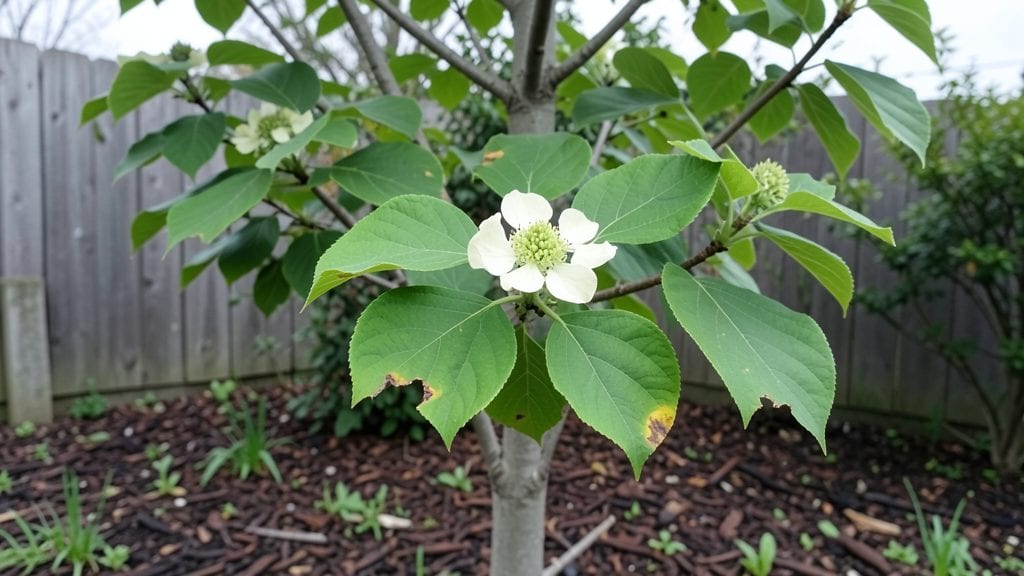
The small flowering dogwood tree thrives in the Pacific Northwest’s chilly climate, offering stunning spring blooms and fiery fall foliage—exactly what I planted last year after struggling with frost-sensitive varieties. 🌸 Its delicate white flowers and glossy leaves transform any yard into a seasonal showpiece, and the best part?
It handles our damp winters like a champ. I chose this variety because it matures at a manageable 15-25 feet tall, perfect for smaller spaces without sacrificing impact.
Planting it in well-draining soil with partial shade (though it tolerates full sun in cooler zones) is key—my tree now stands proudly in a spot where morning sun warms the bark while afternoon shade protects the blooms.
The roots appreciate a layer of mulch to retain moisture and regulate temperature, which cuts down on winter stress. You’ll want to water deeply after planting, then let the soil dry slightly between waterings once established.
By mid-spring, you’ll be rewarded with clusters of fragrant flowers that attract pollinators, followed by vibrant red berries that persist into winter. The fall foliage turns a fiery crimson, adding warmth to gray skies.
Pruning is minimal—just remove dead branches in late winter—but watch for borers or fungal spots, which are rare but easily treated with copper spray if spotted early.
This tree’s low-maintenance nature makes it ideal for urban gardens, rain gardens, or as a focal point near patios. My neighbors now ask for my planting tips, and I always recommend it for anyone wanting year-round interest without the fuss. Let’s get yours growing strong!
📚 In This Guide
- What you need
- Instructions
- Tips and common mistakes
- Wrapping up and next steps
What you need
- ● 1-2-year-old bare-root or container-grown dogwood sapling (choose Cornus florida varieties like ‘Cherokee Brave’ or ‘Stella de Oro’ for PNW resilience)
- ● High-quality, well-draining soil (amend native soil with 2-3 inches of compost or a 50/50 mix of topsoil and peat moss)
- ● 5-gallon bucket or wheelbarrow (for mixing soil amendments)
- ● Shovel or spade (for digging holes—aim for 2-3x wider than the root ball)
- ● Garden gloves (to protect hands from thorns and rough soil)
- ● Mulch (cedar chips or pine bark) (2-3 inches, keep 6 inches away from trunk)
- ● Watering can or hose with a gentle nozzle (for post-planting hydration)
- ○ Fertilizer (optional but helpful): Slow-release granular fertilizer (10-10-10 ratio, 1 cup per tree)
- ● OR organic options like fish emulsion or worm castings
- ● Tree stake & soft tie (if planting in windy areas—use only if necessary to avoid girdling)
- ● Soil pH test kit (dogwood prefers slightly acidic soil, pH 5.0–6.5)
- ● Frost cloth or burlap wrap (for young trees in late spring/early fall)
- ● Drip irrigation system (for consistent moisture in dry PNW summers)
- ● Pruning shears (sterilized, for shaping in late winter)
Step-by-Step instructions for planting a small flowering dogwood in the Pacific Northwest
Here's the foolproof method I use to establish dogwoods that thrive through PNW winters.
🌱 Step 1: Choose the Perfect Planting Spot
Flowering dogwoods need partial shade—think 4-6 hours of morning sun and afternoon dappled light. In the PNW, this means avoiding hot, southwest exposures while still getting enough light for those stunning spring blooms. I always look for spots with well-draining soil and moisture retention—dogwoods hate soggy roots but need consistent water in their first year.
Check the site in winter first—where snow lingers longer means colder air pools, which can stress young trees. A slight slope helps prevent water pooling around the trunk. Mark your spot with a stake so you don't accidentally dig in the wrong place when planting day arrives.
🪴 Step 2: Prepare the Planting Hole and Amend Soil
Dig a hole twice as wide as the root ball but no deeper—dogwoods settle naturally and deeper planting can suffocate roots. Loosen the sides of the hole with a shovel so roots can spread easily. The PNW's natural soil is often heavy clay, so I mix in 3-4 inches of compost into the bottom and sides of the hole to improve drainage and fertility.
Gently remove the tree from its container, tapping the root ball to encourage roots to spread outward. If the roots are circling, use your fingers to gently loosen them—this prevents girdling as the tree matures. Place the tree in the hole so the top of the root ball sits 1-2 inches above ground level—this prevents rot during heavy winter rains.
💧 Step 3: Plant and Water for Immediate Stability
Backfill the hole with the amended soil, pressing lightly as you go to remove air pockets. I like to add a 2-inch layer of wood chips around the base (but not touching the trunk) to conserve moisture and suppress weeds. Water deeply—about 5 gallons—to settle the soil and eliminate air gaps around the roots.
Mulch helps regulate soil temperature, which is critical in PNW winters where temperatures can swing wildly. After watering, add 3-4 inches of mulch in a doughnut shape, keeping it 6 inches away from the trunk to prevent rot. Water again after mulching to help it settle and make contact with the soil.
☀️ Step 4: Protect and Monitor Through First Winter
Young dogwoods need winter protection in the PNW's first cold snaps. Wrap the trunk with tree guard or burlap to shield it from voles and deer, which love tender bark. I also add a lightweight frost cloth over the canopy during the first winter to prevent branch damage from heavy snow or ice.
Water monthly even in winter if the ground stays frozen—dogwoods need consistent moisture to establish roots. Check soil moisture by pushing a finger 2 inches deep; if it's dry, water slowly until moisture reaches 6 inches down. Avoid overhead watering in winter to prevent fungal diseases from lingering damp foliage.
✂️ Step 5: Prune and Fertilize for Long-Term Health
Wait until late winter or early spring before pruning—this gives the tree time to heal before summer growth. Remove any dead, diseased, or crossing branches first, then shape the tree by cutting back to healthy buds. Dogwoods bloom on old wood, so avoid heavy pruning in summer—you'll sacrifice next year's flowers.
Apply a balanced 10-10-10 fertilizer in early spring, following package rates for young trees. I also top-dress with compost in fall to build soil health naturally. After the first growing season, you'll see stronger branches and more vibrant blooms—proof your dogwood is settling in for decades of PNW beauty.
Tips & tricks for perfect small flowering dogwood planting in the PNW
Planting a dogwood that thrives through PNW winters takes a few key tricks—here's what I've learned after watching too many young trees struggle.
Site Selection Secret: In Step 1, when checking for that perfect 4-6 hours of morning sun, look for spots where winter snow lingers slightly longer—this actually helps insulate roots during cold snaps. I've found that east-facing slopes with northern exposure work best in my yard, where afternoon shade keeps leaves from scorching in summer. The slight elevation also helps prevent water pooling around the trunk during our heavy winter rains.
Soil Prep Game-Changer: For Step 2, don't just add compost—mix in a handful of perlite or coarse sand (about 1 part to 3 parts compost) if your native soil feels dense. The PNW's clay soils can get waterlogged, and this amendment creates tiny air pockets that roots love. I always test soil moisture after planting by pushing a finger 2 inches down—if it feels like a damp sponge, you're golden.
Winter Protection Upgrade: When following Step 4's winter protection, consider adding a layer of straw mulch (4-6 inches) around the base after the initial wood chips settle. This extra insulation helps maintain consistent soil temperatures through our dramatic PNW winter swings. I've seen dogwoods survive -10°F nights with this extra layer, while neighbors' trees without it suffered bark damage.
Watering Wisdom: That monthly winter watering in Step 4 needs special attention. Use a soaker hose placed 6 inches from the trunk to deliver water slowly to the root zone. This prevents surface runoff and ensures moisture reaches those 6 inches deep where roots need it most. I set a timer for 15 minutes per session—just enough to keep the soil consistently moist without creating soggy conditions.
Pro Tips for Small Flowering Dogwood Tree
- Planting a dogwood that thrives through PNW winters takes a few key tricks—here's what I've learned after watching too many young trees struggle.
- Site Selection Secret: In Step 1, when checking for that perfect 4-6 hours of morning sun, look for spots where winter snow lingers slightly longer—this actually helps insulate roots during cold snaps.
- Soil Prep Game-Changer: For Step 2, don't just add compost—mix in a handful of perlite or coarse sand (about 1 part to 3 parts compost) if your native soil feels dense.
Frequently asked questions
Got questions about your small flowering dogwood tree?
You’re not alone! Here are answers to the most common queries—from planting to care—so you can keep your Cornus florida thriving in the Pacific Northwest’s unique climate.
What’s the best time to plant a small flowering dogwood tree?
Plant your dogwood in early spring or fall (September–October or March–April) when soil temps are cool but workable. Avoid extreme heat or frost—root establishment is key! Choose a cloudy day to reduce transplant shock. Pro tip: Water deeply before planting to hydrate the root ball.
How cold-hardy is this tree, and will it survive PNW winters?
Flowering dogwoods are USDA Zone 5–9 hardy, making them perfect for the PNW’s mild winters (Zones 7–8). However, young trees or exposed sites may need winter protection (e.g., mulch or burlap wraps) if temps dip below 10°F. Prune damaged branches in late winter to encourage new growth.
Why isn’t my dogwood flowering this year?
Common culprits: too much shade, recent transplanting, or over-fertilizing with nitrogen (which boosts foliage, not blooms). Dogwoods need 6+ hours of sun and well-draining soil. If it’s a young tree, patience is key—it may take 3–5 years to flower post-planting.
What pests or diseases should I watch for in the Pacific Northwest?
Keep an eye out for:
- Dogwood borers: Look for D-shaped holes or sawdust-like frass. Treat with beneficial nematodes or prune infested branches.
- Powdery mildew: White fungal coating on leaves? Improve air circulation and avoid overhead watering.
- Anthracnose: Dark spots on leaves? Remove debris and apply copper fungicide in early spring.
PNW’s humidity can worsen fungal issues—space trees 10–15 feet apart for airflow.
Are there dwarf or compact alternatives for small spaces?
If space is tight, consider these dogwood cultivars:
Variety
Mature Size
Notes
Cornus florida ‘Cherokee Brave’
15–20 ft tall, 10–15 ft wide
Disease-resistant, prolonged blooms.
Cornus florida ‘Rubra’
15–20 ft tall, 12–15 ft wide
Deep red flowers, thrives in partial shade.
Cornus kousa ‘China Girl’
12–15 ft tall, 10–12 ft wide
More compact, drought-tolerant.
Pro tip: For true dwarf options, try Cornus sericea ‘Flaviramea’ (red-twig dogwood, 3–6 ft tall)—it’s PNW-native and low-maintenance!
Wrapping up and next steps
The small flowering dogwood tree is a stunning, frost-resistant gem perfect for the Pacific Northwest’s climate—adding year-round beauty with its vibrant blooms, rich foliage, and striking fall colors.
Whether you’re a seasoned gardener or just starting, planting one is a rewarding way to enhance your landscape while supporting local ecosystems. 🌿
Ready to transform your outdoor space? Start by choosing the right location—sunny spots with well-draining soil—and follow the steps outlined in this guide. Soon, you’ll be enjoying the dogwood’s cheerful charm for seasons to come!