Flowers
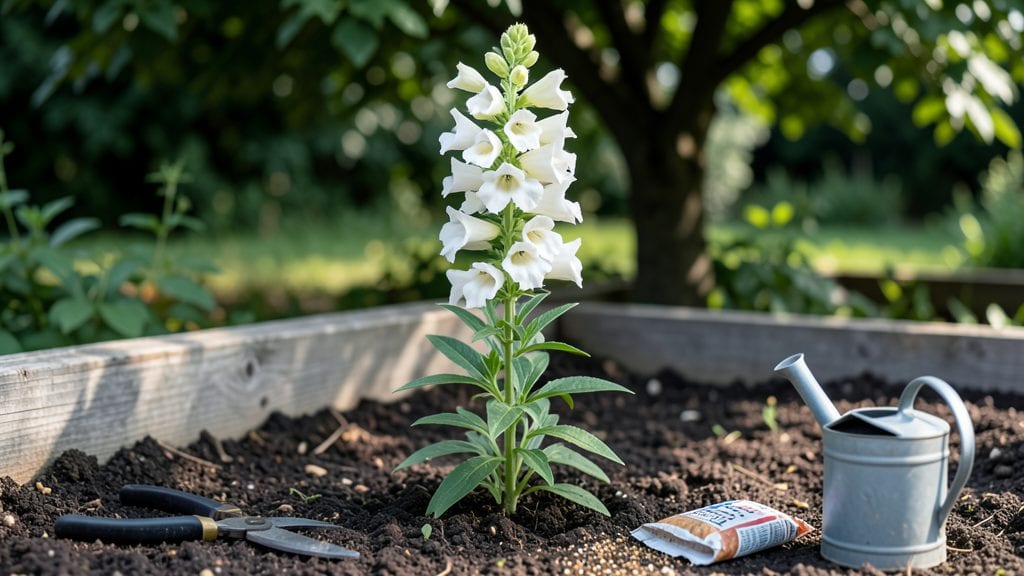
The white snapdragon flower thrives in your Pacific Northwest garden, offering frost-resistant blooms that stand tall even when temperatures dip—just pick the right variety like ‘Alaska’ or ‘Matrix White’ for cold-hardy, long-lasting color. These snapdragons thrive where others falter, giving you bold vertical interest from early summer through fall.
The secret to their success starts with well-draining soil rich in organic matter, paired with full sun to partial shade (they tolerate light shade better than full blazing sun).
Plant seeds indoors 6-8 weeks before your last frost, then transplant seedlings after soil warms to 50°F—this timing ensures sturdy stems that won’t flop in Pacific Northwest’s unpredictable weather. Water consistently at the base to keep foliage dry and prevent mildew.
What you’ll love most is how these white snapdragons hold their shape even in rain or wind, making them perfect for cutting gardens or cottage-style borders. Their sweet, honey-like fragrance adds a subtle bonus, and they attract pollinators without competing with showier blooms.
Just watch for slugs in damp climates—they adore young seedlings.
Once established, these varieties need minimal care beyond occasional deadheading to encourage more blooms. Whether you’re filling a raised bed or lining a pathway, white snapdragons deliver elegant, low-maintenance beauty that keeps giving. Ready to try them this season?
📚 In This Guide
- What you need
- Instructions
- Tips and common mistakes
- Wrapping up and next steps
What you need
- ● Snapdragon seeds: Choose cold-hardy varieties like 'Candy Stripe White' or 'Rocket White' (1–2 seed packets, ~50–100 seeds each).
- ● Seed-starting mix: 1–2 bags (sterilized, well-draining, peat-based or coco coir blend).
- ● Containers or seed trays: 6–12 cell packs OR
- ● Small pots (3–4 inches deep) with drainage holes.
- ● Growing medium for transplanting: 2–3 cubic feet of garden soil amended with compost (or a 50/50 mix of potting soil and compost).
- ● Watering can or spray bottle: With a fine rose nozzle for gentle watering.
- ● Fertilizer: Balanced liquid fertilizer (10-10-10 or 5-5-5, diluted to half-strength).
- ● OR Slow-release granular fertilizer (e.g., 10-10-10, 1 lb per 100 sq ft).
- ○ Garden gloves: Optional but recommended for handling soil and seeds.
- ● Grow lights: LED or fluorescent (for indoor starts, 12–16 hours/day).
- ● Heat mat: (For indoor starts, 70–75°F range).
- ● Row covers or frost cloth: To protect young plants from late frosts (Pacific Northwest-friendly!).
- ● Stakes or cages: (4–6 inch tall, for taller varieties like 'Rocket White').
- ● Mulch: Straw or shredded leaves (to retain moisture and suppress weeds).
- ● pH testing kit: (Ideal soil pH: 6.0–7.0 for snapdragons).
Step-by-Step guide to cultivating white snapdragons in the Pacific Northwest
These hardy annuals thrive in cooler climates—here’s how to coax their elegant blooms from seed to showstopper.
Select Frost-Resistant Varieties and Prepare Seed-Starting Mix
Choose 'Matrix White' or 'Allegro White' snapdragons, both bred for cold tolerance and compact growth. These varieties handle Pacific Northwest’s unpredictable spring weather better than standard types. Mix 1 part perlite into 3 parts sterile seed-starting mix to improve drainage—snapdragons rot quickly in soggy soil. Fill 4-inch diameter pots with this blend, leaving ½ inch of space at the rim for watering.
Moisten the mix until it feels like a damp sponge, not a dripping sponge. Press the soil down lightly with your fingers to eliminate air pockets, but don’t compact it—you’ll see roots struggle to push through dense soil. Label each pot with the variety and date, because seedlings emerge unevenly and you’ll want to track germination progress.
Sow Seeds at Proper Depth and Temperature
Plant seeds ⅛ inch deep—any deeper and they’ll take weeks to surface, risking damping-off. Space them ¼ inch apart in rows, using a toothpick to create tiny furrows. Cover lightly with additional mix, then mist gently with a spray bottle until the surface looks uniformly damp. Place pots in a seedling heat mat set to 70-75°F—this mimics spring soil temperatures in the PNW and speeds germination from 10-14 days to 7-10 days.
Keep the soil surface consistently moist but never waterlogged. A clear plastic dome traps humidity, but remove it once 50% of seeds sprout—condensation on leaves invites fungal diseases. Watch for first true leaves (the second set after cotyledons) to appear before thinning. If you planted too densely, use scissors to snip weak seedlings at soil level, leaving the strongest one per cell.
Harden Off and Transplant After Frost Danger
Two weeks before your last frost date, move seedlings outdoors during the day but bring them back inside at night. Start with 2-3 hours of exposure in a sheltered spot, gradually increasing to full sun over 10-14 days. Snapdragons handle light frost well, but sudden temperature swings can shock them—choose cloudy days for initial hardening. Transplant after 4-6 weeks when seedlings have 4-6 true leaves and nighttime temperatures stay above 40°F. Space plants 12-18 inches apart in well-draining soil amended with 2 inches of compost.
Water deeply at the base immediately after transplanting to encourage root establishment. Avoid overhead watering for the first week—wet foliage attracts pests like aphids, which snapdragons are particularly susceptible to. Mulch with 1 inch of straw to retain moisture and suppress weeds, but keep mulch 2 inches away from stems to prevent rot.
Maintain Light and Fertility for Continuous Blooms
Snapdragons need 6-8 hours of direct sun daily for robust growth, but they’ll tolerate partial shade in hot afternoons—ideal for PNW summers. Pinch back the top set of leaves when seedlings are 6 inches tall to encourage bushier growth. Once flowering begins, fertilize every 3-4 weeks with a balanced 10-10-10 formula diluted to half strength. Over-fertilizing produces lush foliage but few blooms—you’ll see this as dense green growth with sparse flowers.
Deadhead spent blooms by snipping the stem just above the next set of leaves to encourage continuous flowering through fall. In the Pacific Northwest, snapdragons often self-seed prolifically—if you want to control this, remove fading flower spikes before seed pods form. However, if you’re okay with volunteer plants next spring, leave a few to scatter naturally.
Extend the Season with Frost Protection
White snapdragons tolerate light frosts down to 25°F, but a hard freeze will damage foliage. For extended blooms, cover plants with frost cloth when temperatures drop below 30°F. Remove the cover during the day to allow sunlight. In coastal PNW regions, snapdragons may even overwinter if protected—look for woody stems by late fall as a sign they’re surviving. Cut back dead growth in early spring, and you’ll often see new shoots emerge from the base.
To prevent leggy growth in low-light conditions, rotate pots quarter-turn weekly so plants grow upright. If stems stretch excessively (a sign of insufficient light), supplement with a grow light positioned 6 inches above the plants for 14 hours daily. You’ll notice stems thicken and leaves darken green within a week of proper light exposure—a clear sign the plants are thriving.
Tips & tricks for perfect white snapdragons in the Pacific Northwest
Growing these frost-resistant beauties successfully comes down to a few key adjustments for our region's climate. Here's what I've learned after years of trial and error with PNW snapdragons.
Soil Mix Secrets: The perlite-to-soil ratio in Step 1 is non-negotiable for PNW gardens. I've found that adding 10% coconut coir to your mix improves moisture retention during our dry summers while maintaining that critical drainage. Test your mix by squeezing a handful—it should hold together but not drip water when pressed. Too much perlite can leave seedlings thirsty during our unpredictable spring rains.
Germination Temperature Control: That 70-75°F heat mat range is perfect for mimicking spring soil temps, but here's the thing: if your home stays cooler than that, consider using a seedling heat mat with a built-in thermostat or place pots on top of your refrigerator (not inside). I've seen germination times stretch to 21 days when seeds sit in cooler conditions—double the standard time. Watch for condensation on the dome daily and wipe it clean to prevent fungal issues.
Hardening Off Strategy: The gradual 2-3 hour to full sun transition in Step 3 is crucial, but I've found PNW gardeners often rush this. Start with morning sun only during the first 3-4 days, then gradually add afternoon exposure. Our coastal areas have sudden temperature swings—if you notice leaves curling or wilting during hardening, move plants to partial shade immediately. A simple shade cloth (30-50% coverage) works perfectly for this adjustment period.
Frost Protection Hacks: When temperatures drop below 30°F, I've had success using clear plastic milk jugs (cut in half) as mini cloches for individual plants. They're free, lightweight, and allow sunlight while trapping warmth. For larger plantings, a row cover supported by hoops works beautifully—just remember to secure the edges tightly to prevent wind damage during our often gusty PNW nights.
Pro Tips for Snapdragon Flower White
- Growing these frost-resistant beauties successfully comes down to a few key adjustments for our region's climate.
- Soil Mix Secrets: The perlite-to-soil ratio in Step 1 is non-negotiable for PNW gardens.
- I've seen germination times stretch to 21 days when seeds sit in cooler conditions—double the standard time.
Frequently asked questions
Got questions about growing white snapdragons in your Pacific Northwest garden? You’re not alone! Here are some common queries—and their answers—to help you cultivate these charming blooms with confidence.
When is the best time to plant white snapdragons in the PNW?
For frost-resistant varieties, plant seeds 4–6 weeks before your last frost date (typically late March to early April in the PNW). If starting indoors, sow seeds 8–10 weeks before transplanting to ensure sturdy seedlings. Young plants can handle light frost, but avoid heavy freezes—wait until soil temps hit 45°F (7°C) for outdoor planting.
How cold can white snapdragons tolerate?
Most white snapdragon varieties, like ‘Albus’ or ‘Matrix White’, are hardy to USDA Zones 7–10 and can survive light frosts down to 25°F (-4°C). In the PNW’s cooler microclimates, they often thrive with minimal protection. Mulch around the base in winter to shield roots from extreme cold snaps (below 20°F/-7°C).
Why aren’t my white snapdragons blooming?
Common culprits include overcrowding (thin seedlings to 12–18 inches apart), lack of sunlight (they need 6+ hours of direct sun), or excessive nitrogen (use a balanced 10-10-10 fertilizer instead). Deadhead spent blooms to encourage reblooming, and ensure they’re not leggy—a sign of insufficient light.
Can I grow white snapdragons in containers?
Choose 5–7 gallon pots with drainage holes and a well-draining potting mix (add perlite or sand). Dwarf varieties like ‘Tiny Tower White’ are ideal for containers. Place pots in full sun and water consistently—containers dry out faster. Fertilize lightly every 3–4 weeks with a bloom booster.
What’s a good alternative if white snapdragons don’t thrive?
If snapdragons struggle in your PNW garden, try these frost-tolerant white bloomers:
- Sweet Alyssum (Lobularia maritima): Hardy to Zone 7, thrives in cool weather, and attracts pollinators.
- Stock (Matthiola incana): Biennial with fragrant white flowers; sows self in mild winters.
- Lavender (Lavandula): Drought-resistant, white varieties like ‘Alba’ add texture and scent.
Wrapping up and next steps
Growing white snapdragons in the Pacific Northwest is a rewarding journey—especially with frost-resistant varieties that thrive in your climate! 🌸 From selecting the right seeds to mastering care tips, you now have all the tools to cultivate vibrant, resilient blooms.
Whether you’re a seasoned gardener or just starting, these cheerful flowers will bring color and joy to your garden year after year.
Ready to get started? Plant your seeds this season and watch your garden transform! For extra inspiration, explore companion plants or creative ways to display your snapdragons—your green thumb is about to shine even brighter. 🌱✨