
Companion Plants
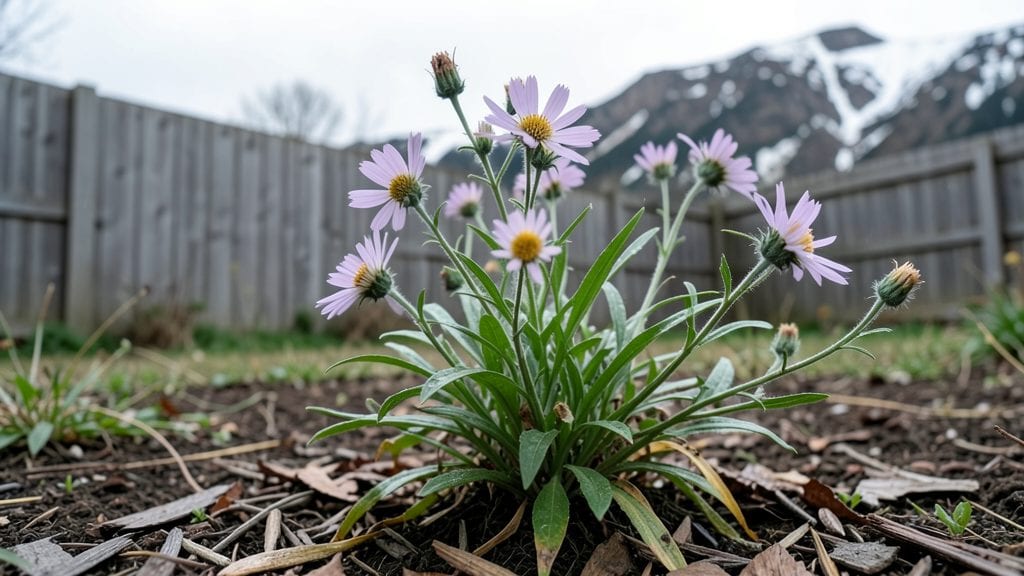
The Snow on the Mountain wildflower is a Pacific Northwest pollinator magnet with silver foliage that shimmers like frost-kissed meadows. 🌿 I fell in love with it the first time I spotted its striking contrast against deep green perennials—it’s the kind of plant that turns heads without trying.
The white flowers add delicate texture, making it a standout in borders or wildflower meadows.
This wildflower thrives in partial shade to full sun, making it perfect for understory plantings or cottage garden edges. Pair it with purple coneflowers or black-eyed Susans for a high-impact combo that hummingbirds and bees can’t resist. Even in winter, the silvery foliage adds architectural interest where other plants fade.
You’ll get year-round visual appeal—silver leaves in spring, white blooms in summer, and dried stems that catch frost in fall. It’s the kind of plant that feels like a natural masterpiece, not just another garden addition. Let’s talk placement and pairing ideas that make the most of its drama.
Whether you’re designing a pollinator-friendly border or a low-maintenance meadow, this plant delivers effortless elegance. It’s drought-tolerant once established, so it’s ideal for water-wise gardens too. Here’s how to make it the star of your landscape.
📚 In This Guide
- What you need
- Instructions
- Tips and common mistakes
- Wrapping up and next steps
What you need
- ● Native wildflower seeds: Choose a mix of Eschscholzia californica (California poppy), Lupinus polyphyllus (lupine), Achillea lanulosa (yarrow), and Camassia leichtlinii (camas). Aim for 1-2 lbs of seed per 100 sq ft.
- ● Well-draining soil: Test and amend with compost or sand if needed (PNW soils can be heavy!).
- ● Organic mulch: Straw or wood chips (2-3 inches deep) to retain moisture and suppress weeds.
- ● Drip irrigation or soaker hose: For consistent watering (1-2 gallons per sq ft weekly during establishment).
- ● Garden gloves and knee pads: For comfortable planting and maintenance.
- ● Hand trowel or broadcast spreader: For even seed distribution.
- ● Native plant guidebook: For ID and care tips (e.g., Pacific Northwest Wildflowers by Pojar & MacKinnon).
- ● Bird/bee bath: A shallow dish (1-2 inches deep) filled with fresh water for pollinators.
- ● Pollinator-friendly fence or trellis: To attract butterflies and provide shelter.
- ● Soil pH test kit: Ideal pH for PNW wildflowers is 6.0-7.0.
- ● Wildflower seedling trays: If starting indoors (4-6 weeks before last frost).
Step-by-Step guide to cultivating Snow on the Mountain wildflowers
Here's how to nurture these Pacific Northwest pollinator magnets from seed to vibrant blooms.
🌱 Step 1: Prepare the Planting Site for Optimal Growth
Snow on the Mountain thrives in well-draining soil with partial sun to full shade, making it perfect for woodland edges or shaded garden beds. Clear the area of weeds and loosen the top 6-8 inches of soil to improve aeration. These wildflowers naturally grow in moist, humus-rich environments, so incorporate 2-3 inches of compost into the soil to replicate their native conditions.
If your soil is heavy clay, mix in 1 part perlite or coarse sand to every 3 parts soil to prevent waterlogging. The roots of Snow on the Mountain are shallow, so a loose, airy medium encourages strong establishment. Test the soil moisture by squeezing a handful—it should hold together but not feel soggy. This ensures the perfect balance for germination and early growth.
🌿 Step 2: Sow Seeds at the Right Time and Depth
Plant seeds in early spring or fall, when soil temperatures hover between 45-60°F. Scatter seeds thinly over the prepared bed, as they require light to germinate—don’t bury them more than ¼ inch deep. A light covering of soil or a dusting of compost is all they need. I like to sprinkle them in a naturalistic pattern, mimicking how they’d grow in the wild.
Gently press the seeds into the soil with your fingers or the back of a rake to ensure good soil contact. Water lightly with a fine mist or spray bottle to avoid displacing the tiny seeds. Keep the soil consistently moist but never waterlogged—this is critical for germination, which typically occurs within 2-4 weeks. You’ll know it’s working when delicate green shoots appear, signaling the seeds have taken root.
☀️ Step 3: Provide Moisture and Light for Healthy Establishment
Once seedlings emerge, reduce watering slightly but maintain even moisture, especially during the first growing season. These wildflowers prefer dappled shade to partial sun, so avoid placing them in hot, exposed areas where they’ll dry out. If your garden receives intense afternoon sun, provide afternoon shade with a sheer cloth or by situating them near taller plants or trees.
Watch for signs of stress, like wilting or yellowing leaves, which indicate either too much sun or insufficient water. Mulch around the base with 2-3 inches of organic mulch (like wood chips or shredded leaves) to retain moisture and suppress weeds. This also mimics their natural woodland habitat, where leaf litter and organic matter protect the soil.
✂️ Step 4: Maintain and Encourage Pollinator Visits
Snow on the Mountain is a magnet for pollinators, so avoid heavy pruning once blooms appear. Deadhead spent flowers by snipping off the faded blooms at the base to encourage more flowering. However, leave some seed heads for wildlife and to naturally propagate the plants. These wildflowers are low-maintenance, so minimal intervention is key.
Fertilize lightly in early spring with a balanced, organic fertilizer (like 5-5-5) to support growth, but avoid heavy feeding—these plants thrive in leaner soils. If you notice leggy growth or pale leaves, they may need slightly more light. Adjust their position gradually to avoid shocking the plants. By mid-summer, you’ll be rewarded with clusters of white, pink, or lavender blooms that attract bees, butterflies, and hummingbirds.
Tips & tricks for growing Pacific Northwest wildflowers
These insights will help you cultivate thriving Snow on the Mountain wildflowers that attract pollinators and thrive in your garden.
Soil Preparation Secret: When amending heavy clay soil in Step 1, I recommend sifting the perlite or coarse sand through a mesh bag before mixing. This creates a more even distribution and prevents clumping, which is crucial for those shallow roots. Test your soil moisture after amending—it should resemble a damp sponge, not a wet rag. This balance is key for germination and early growth.
Seed Sowing Technique: For Step 2, I've found that mixing seeds with a small amount of dry sand before scattering helps distribute them more evenly. This prevents overcrowding and makes it easier to see where you've planted, especially in naturalistic patterns. After sowing, I use a spray bottle to mist the area—this keeps seeds in place while maintaining that critical moisture without displacing them.
Light Management Strategy: In Step 3, if you're unsure about your garden's light conditions, observe the area for a week before planting. Note how much direct sun hits between 10 AM and 4 PM. Snow on the Mountain can handle up to 4 hours of morning sun, but afternoon sun often causes stress. If you notice leaves yellowing, it's usually a sign of too much light—consider providing afternoon shade with sheer fabric or nearby plants.
Pollinator Preservation: When deadheading in Step 4, leave at least 20% of the seed heads for wildlife. These provide essential food for birds and insects while allowing natural propagation. I also recommend leaving some spent blooms on plants near water sources—hummingbirds particularly appreciate this arrangement as they refuel during migrations.
Pro Tips for Snow On The Mountain Wildflower
- These insights will help you cultivate thriving Snow on the Mountain wildflowers that attract pollinators and thrive in your garden.
- Soil Preparation Secret: When amending heavy clay soil in Step 1, I recommend sifting the perlite or coarse sand through a mesh bag before mixing.
- Seed Sowing Technique: For Step 2, I've found that mixing seeds with a small amount of dry sand before scattering helps distribute them more evenly.
Frequently asked questions
Got questions about nurturing Snow on the Mountain wildflower (Euphorbia marginata) in your Pacific Northwest garden? You’re not alone! Here are answers to the most common queries—from timing to troubleshooting—to help your pollinator powerhouse thrive.
When is the best time to plant Snow on the Mountain in the PNW?
Plant seeds in late spring or early summer (May–June) after the last frost. This gives them time to establish roots before winter. If transplanting seedlings, aim for spring (April–May) when soil is workable but not waterlogged. Pro tip: Start seeds indoors 6–8 weeks before the last frost for a head start!
Can Snow on the Mountain survive PNW winters?
Yes! This annual is cold-hardy and thrives in the PNW’s mild winters. It self-seeds prolifically, so you’ll often see new blooms popping up without replanting. However, heavy snow or ice can damage tender foliage—use a light mulch or row cover for extra protection if needed.
Why aren’t bees visiting my Snow on the Mountain?
Bees adore this plant, but a few factors might deter them:
- Timing: Peak nectar flow is late summer to fall—ensure your plant is blooming during this window.
- Pesticides: Avoid chemicals; opt for neem oil or insecticidal soap if pests appear.
- Location: Plant in sunny, open spots (6+ hours of light) for maximum bee activity.
What companion plants pair well with Snow on the Mountain?
This wildflower plays nicely with:
- Pollinator favorites: Coneflowers, bee balm, or lavender.
- Low-growing perennials: Creeping thyme or sedum to suppress weeds.
- Avoid: Overly competitive plants like mint or aggressive spreaders (e.g., bamboo).
My Snow on the Mountain looks leggy—how do I fix it?
Leggy growth often means too little light. Relocate your plant to a sunnier spot immediately. If repotting isn’t an option, prune the top 1/3 of the stems to encourage bushier growth. Prevent it: Space plants 12–18 inches apart for airflow and sunlight access.
Does Snow on the Mountain need special care in the PNW’s rainy climate?
While it tolerates moisture, overwatering can cause root rot. Ensure pots or beds have well-draining soil (mix in perlite or sand). During PNW’s wet winters, reduce watering to once every 2–3 weeks unless the soil is bone-dry. Tip: Group plants with similar water needs to simplify care!
Wrapping up and next steps
Witnessing the delicate snow on the mountain wildflower in bloom is a reminder of nature’s resilience—and its power to support pollinators in the Pacific Northwest. This hardy companion plant thrives in challenging conditions, offering beauty and biodiversity to your garden.
Whether you’re a seasoned gardener or just starting, its easy care and pollinator appeal make it a must-have addition.
Ready to invite more life into your landscape? Start small—plant a few seeds or seedlings this season and watch your garden transform into a thriving ecosystem. Your next step? Grab some gloves, head outdoors, and let the magic of these wildflowers unfold! 🌸🐝