Pests
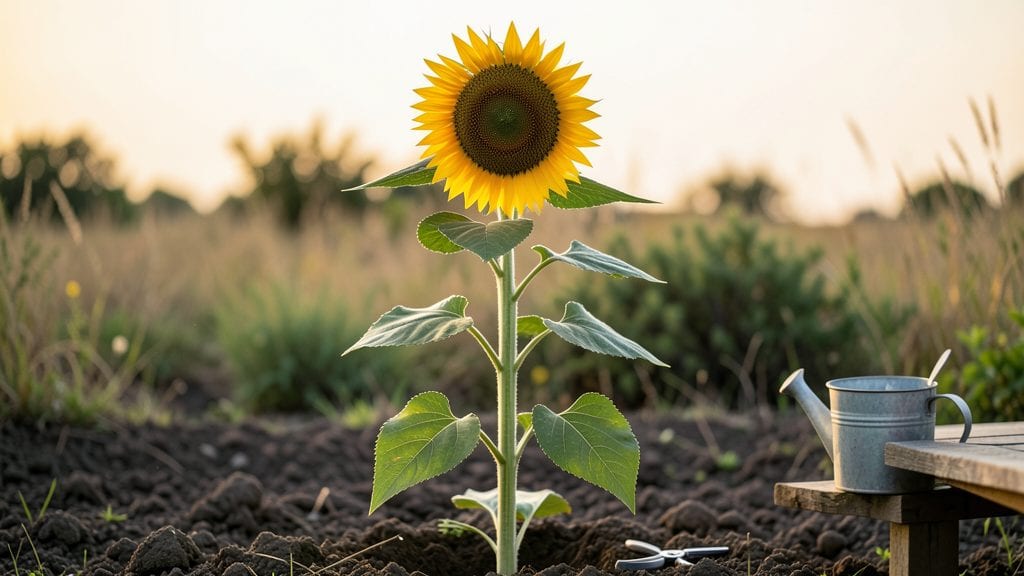
Planting sunflowers to align with a solar eclipse creates a garden moment that feels almost magical—like capturing the sun itself in your backyard. 🌻 The Pacific Northwest’s summer heat actually makes these drought-resistant varieties thrive, turning your garden into a dramatic stage for celestial events.
I’ve designed eclipse-themed gardens where sunflowers stand tall against deep purple salvias and black mondo grass, creating a visual story of light and shadow.
The beauty of this design is how low-maintenance it is. Sunflowers grow fast—some varieties reach 10 feet in just 80 days—so you can time your planting to coincide with eclipse season (June or August in the PNW) for maximum impact.
Pair them with heat-loving perennials like lavender or Russian sage, and you’ll have a garden that feels intentional without requiring constant care.
What you’ll end up with is a sunflower display that feels like a natural eclipse celebration—golden blooms silhouetted against the sky, their seeds adding texture even after the petals fade.
The cultural connection is simple: sunflowers symbolize the sun, making them the perfect focal point for a garden that honors celestial events while thriving in your climate.
This approach works for any garden size, from small urban plots to sprawling rural landscapes. The key is choosing the right varieties—look for ‘Moulin Rouge’ for its deep red petals or ‘Autumn Beauty’ for its bicolor blooms—and placing them where they’ll cast dramatic shadows during the eclipse.
Ready to grow a garden that feels like an event?
📚 In This Guide
- What you need
- Instructions
- Tips and common mistakes
- Wrapping up and next steps
What you need
- ● Solar Eclipse Sunflower Seeds – 10–20 seeds (check for Helianthus annuus ‘Solar Eclipse’ or similar drought-resistant varieties).
- ● Well-draining soil mix – 5–10 gallons (combine 60% topsoil, 20% compost, and 20% perlite/sand for Pacific Northwest clay-heavy soils).
- ● Garden space or containers – Minimum 12" deep (for pots) or full sun (6+ hours/day) in your yard.
- ● Watering can or hose with a gentle nozzle – For deep but infrequent watering.
- ● Organic mulch (straw or wood chips) – 2–3 inches to retain moisture and suppress weeds.
- ○ Fertilizer (optional but helpful) – Slow-release granular fertilizer (10-10-10 ratio) or compost tea for nutrient boost.
- ● Garden trowel or hand shovel – For planting and soil prep.
- ○ Gloves (optional) – To protect hands while handling soil or seeds.
- ● Sun hat & sunscreen – Pacific Northwest summers can be surprisingly intense!
- ● Pest monitoring tools – A magnifying glass or insect net to spot early signs of aphids or spider mites (common in sunflowers).
- ● Weather forecast access – To time planting after the last frost (typically late May in PNW).
- ● Drip irrigation kit – For automated, drought-friendly watering.
- ● Plant stakes or trellis – If your variety grows tall (6+ feet).
- ● Bird netting – To protect seeds from hungry birds or squirrels.
- ● Soil pH test kit – Ideal pH for sunflowers is 6.0–7.5; adjust with lime or sulfur if needed.
How to grow the striking solar eclipse sunflower
Here's how to coax these bold, drought-loving sunflowers to thrive in your Pacific Northwest garden.
🌱 Step 1: Choose the Perfect Planting Spot
Solar Eclipse sunflowers need 6-8 hours of full sun daily—the more, the better. In the PNW, that means selecting the sunniest part of your yard, often a south-facing wall or patio. I always check for at least 5 hours of direct afternoon sun, since morning shade won't cut it for these heat-loving plants.
Test your spot for 2 weeks before planting by observing how long sunlight lingers. You'll notice the ground stays warm longest in the best locations. Amend heavy clay soil with 2-3 inches of compost to improve drainage—these sunflowers hate soggy roots. The PNW's cool summers mean they'll appreciate well-draining soil to prevent rot.
🌱 Step 2: Plant Seeds at the Right Depth and Spacing
Sow seeds ½ inch deep and 6 inches apart in rows spaced 2 feet apart. The PNW's cooler climate means seeds germinate best when soil reaches 60°F—wait until after your last frost date (usually mid-May) to plant. I like to soak seeds overnight in lukewarm water before planting to speed up germination.
Plant 4 seeds per spot and thin to the strongest seedling after 2-3 weeks when they have 2-3 true leaves. Use sharp scissors to snip unwanted seedlings at soil level—this prevents disease spread from broken stems. Water gently after planting to settle the soil without disturbing seeds.
☀️ Step 3: Water Deeply but Infrequently
Solar Eclipse sunflowers are drought-resistant, but they still need 1-1.5 inches of water per week during establishment. Water deeply 2-3 times per week until plants reach 12 inches tall, then taper to 1 inch per week once established. The PNW's frequent cloud cover means you'll need to monitor soil moisture closely.
Water at the base in the morning to reduce evaporation and fungal risks. You'll see strong, upright stems when moisture is right—leggy growth means they're thirsty, while yellowing leaves signal overwatering. Mulch with 2 inches of straw or wood chips to retain moisture and suppress weeds.
✂️ Step 4: Support Tall Stems and Deadhead Regularly
These sunflowers can grow 6-8 feet tall, so install stakes or a trellis at planting time. I use 5-foot bamboo stakes tied loosely with soft twine to avoid damaging stems. Prune any side shoots that form below the main flower head to direct energy upward.
Deadhead spent blooms by cutting stems 6 inches below the flower head to encourage more blooms. You'll notice new buds forming within 2-3 weeks if the plant has enough energy. Harvest seeds when the back of the flower turns yellow and the head feels dry—this usually takes 30-40 days after flowering.
🌿 Step 5: Protect from Late-Season Fungus
The PNW's damp autumn air can bring powdery mildew. To prevent it, space plants properly for airflow and avoid overhead watering. I spray plants with a baking soda solution (1 tsp baking soda + 1 quart water + drop of dish soap) every 2 weeks starting in August.
Remove any affected leaves immediately and dispose of them in the trash—not the compost. Healthy Solar Eclipse sunflowers develop deep green leaves with a slight waxy coating. If you see white powder on leaves, act fast—once established, these plants rarely recover from severe mildew.
Tips & tricks for perfect solar eclipse sunflower growth
Here's what I've learned from growing these stunning sunflowers in the Pacific Northwest—tricks that'll help you avoid common pitfalls and get the most dramatic blooms possible.
Sunlight Strategy: The 6-8 hours of full sun requirement is non-negotiable, but here's the secret: in the PNW, focus on afternoon sun. I've found that morning shade won't hurt as much as you'd think, but those critical 5 hours of afternoon sun make all the difference. If your spot only gets 4 hours of direct sun, consider using a reflective surface like a white wall to bounce extra light onto your plants.
Germination Boost: That 60°F soil temperature is key for germination, but don't stress if your soil isn't quite there yet. I've had great success with a simple heat mat placed under seedling trays—it creates the perfect environment without needing perfect timing. Just remember to remove it once seedlings emerge to avoid overheating.
Thinning Technique: When it's time to thin to the strongest seedling after 2-3 weeks, I've found this works best: wait until seedlings are about 2 inches tall, then use a small trowel to gently loosen the soil around the weaker plants. This makes them easier to pull without disturbing the roots of your winner. The 2-3 true leaves stage is your best guide—don't thin too early!
Watering Wisdom: The 1-1.5 inches per week during establishment might seem like a lot, but here's how I make it easier: use a rain gauge or tuna can to measure your water. I place it near my sunflowers and fill it each time I water. This helps me visualize exactly how much water those plants are getting—especially important in our cloudy PNW summers when evaporation is slower.
Pro Tips for Solar Eclipse Sunflower
- Here's what I've learned from growing these stunning sunflowers in the Pacific Northwest—tricks that'll help you avoid common pitfalls and get the most dramatic blooms possible.
- Sunlight Strategy: The 6-8 hours of full sun requirement is non-negotiable, but here's the secret: in the PNW, focus on afternoon sun.
- Germination Boost: That 60°F soil temperature is key for germination, but don't stress if your soil isn't quite there yet.
Frequently asked questions
Got questions about growing solar eclipse sunflowers in the Pacific Northwest? You’re not alone! Here are some of the most common queries—plus quick, practical answers to help you cultivate these drought-resistant beauties with confidence.
What makes solar eclipse sunflowers different from regular sunflowers?
Solar eclipse sunflowers (Helianthus annuus ‘Solar Eclipse’) stand out for their dark, velvety petals and taller, sturdier stems (up to 7 feet!). Unlike traditional varieties, they’re bred for heat and drought tolerance, making them perfect for PNW summers. Plus, their striking contrast against the sky is unmatched!
When is the best time to plant solar eclipse sunflowers in the Pacific Northwest?
For the PNW’s mild climate, late spring (after the last frost, around May) is ideal. Start seeds indoors 2–3 weeks earlier if you’re eager! These sunflowers thrive in full sun (6+ hours/day) and well-draining soil, so don’t rush—wait until the soil warms up (60°F+).
How often should I water solar eclipse sunflowers, especially during a drought?
Once established, these sunflowers are drought-resistant, but young plants need consistent moisture (about 1 inch per week). During heatwaves, water deeply 2–3 times per week to encourage strong roots. Pro tip: Water at the base (not the leaves) to prevent mildew and attract pollinators!
What pests should I watch for with solar eclipse sunflowers, and how do I prevent them?
Common PNW pests include aphids, cucumber beetles, and sunflower moths. Prevention: Use neem oil or row covers early on. For beetles, handpick them or use kaolin clay. Avoid overwatering—it attracts slugs! Healthy plants (rich in compost) resist pests better.
Can I grow solar eclipse sunflowers in containers, or do they need a garden bed?
These sunflowers adapt well to large containers (15+ gallons) with drainage holes. Use a lightweight potting mix and a trellis or stake for support (they get tall!). Just ensure the pot gets full sun and rotate it occasionally for even growth. Bonus: Container-growing deters some pests!
Wrapping up and next steps
The Solar Eclipse Sunflower isn’t just a stunning addition to your Pacific Northwest garden—it’s a resilient, low-maintenance superstar that blooms with drought-defying beauty. 🌻 Whether you’re battling heatwaves or pests, this variety proves that striking flowers and hardiness go hand in hand.
Ready to grow your own? Start by gathering your supplies, then dive in with confidence—your garden (and pollinators!) will thank you. Next up: Watch those sunflowers reach for the sky and bask in the joy of a thriving, sunlit oasis.