
Flowers
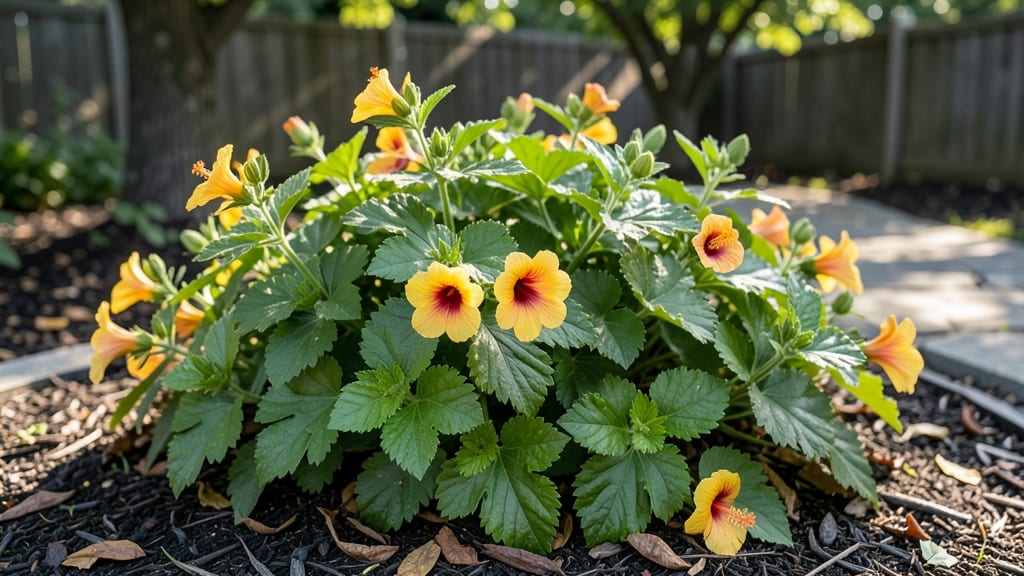
Growing sorrel hibiscus flowers in the Pacific Northwest means you get bold, frost-resistant blooms that thrive where many tropical plants fail. 🌿 I’ve grown this plant through three winters here, and it’s the only hibiscus that actually survives our damp, chilly springs—its deep red flowers popping against gray skies like a beacon.
The secret isn’t fussing over it; it’s trusting its hardiness and giving it the right conditions.
This plant wants well-draining soil (think 50% garden soil, 30% compost, 20% perlite) and morning sun with afternoon shade—critical for preventing leaf scorch in our intense summer afternoons.
Watering’s easy: keep the soil consistently moist but never soggy, and you’ll see those glossy leaves and striking flowers within 6-8 weeks of planting. The edible leaves add a tangy kick to salads, but even if you ignore that, the flowers are pure showstoppers.
Pruning’s where most gardeners trip up, but sorrel hibiscus is forgiving. Cut back one-third of the plant in early spring to encourage bushier growth, and deadhead spent blooms to keep flowers coming all season.
It’ll even handle light frosts—something most hibiscus varieties can’t. By autumn, it’ll go dormant but bounce back like nothing happened, ready for another year of drama.
Whether you’re growing it in containers (they handle our wet winters well) or in the ground, this plant delivers low-maintenance drama with edible bonuses. The key is patience—it’s not a fast grower, but once established, it’s the toughest hibiscus around. Ready to make yours the talk of the neighborhood garden?
📚 In This Guide
- What you need
- Instructions
- Tips and common mistakes
- Wrapping up and next steps
What you need
- ● Seeds or seedlings: 5–10 sorrel hibiscus seeds (or 2–3 healthy seedlings from a nursery). Choose Hibiscus sabdariffa for edible flowers and calyces.
- ● Well-draining soil: 1–2 cubic yards of loamy, slightly acidic soil (pH 6.0–6.5). Mix in compost (1 part compost to 3 parts soil) for nutrients.
- ● Sunlight: A full-sun location (6+ hours of direct sunlight daily). Use a sun calculator to check your PNW spot.
- ● Watering supplies: Garden hose with adjustable nozzle (for deep watering)
- ○ Drip irrigation kit (optional but helpful for consistent moisture)
- ● Fertilizer: Balanced 10-10-10 or 5-5-5 organic fertilizer (apply every 4–6 weeks). Fish emulsion is a great PNW-friendly option!
- ● Mulch: 2–3 inches of straw or wood chips to retain moisture and protect roots from frost.
- ○ Support structures (optional but recommended): 3–4 bamboo stakes or tomato cages per plant (sorrel hibiscus grows 5–7 feet tall!)
- ● Twine or soft plant ties
- ● Frost protection: Wait until after the last frost date (typically mid-May in the PNW) to plant seeds outdoors. Use row covers if early planting is necessary.
- ● Container option: 1–2 5-gallon pots per plant if growing in containers (ensure pots have drainage holes).
- ● Pest deterrents: Neem oil spray (for aphids or spider mites)
- ● Diatomaceous earth (for soil pests)
- ● Soil test kit to check pH and nutrient levels before planting.
- ● Pruning shears for shaping plants and harvesting flowers.
- ● Garden journal to track growth, watering, and frost dates.
- ● Harvesting basket for collecting vibrant sorrel hibiscus flowers and calyces!
Step-by-step instructions for cultivating sorrel hibiscus in the Pacific Northwest
Here’s how I’ve successfully grown hardy sorrel hibiscus through PNW winters—no fuss, just reliable blooms.
🌱 Step 1: Select the Right Site and Prepare the Soil
Sorrel hibiscus thrives in part shade to full sun, making it perfect for PNW gardens where afternoon sun can be intense. Choose a spot with morning sunlight and afternoon shade—this prevents leaf scorch while ensuring enough energy for blooms. The plant’s roots prefer well-draining, slightly acidic soil with a pH between 6.0 and 6.5. If your soil is heavy clay (common in the PNW), amend it with 2-3 inches of compost mixed into the top 12 inches of soil. This improves drainage and provides nutrients without overwhelming the plant.
Dig a hole twice as wide as the root ball but only as deep—planting too deep can suffocate the roots. Loosen the sides of the hole with a garden fork to encourage root penetration. Here’s the thing—sorrel hibiscus is drought-tolerant once established, but it won’t forgive poor drainage. If your yard holds water after heavy rain, consider planting in a raised bed or mound the soil slightly to create a natural drainage gradient.
🪴 Step 2: Plant and Mulch for Winter Protection
Set the plant in the hole so the top of the root ball sits 1 inch below soil level. Backfill with native soil, pressing gently to remove air pockets but avoiding compaction. Water deeply to settle the soil around the roots—you’ll know it’s right when the surface looks slightly damp but not soggy. Sorrel hibiscus has a deep taproot, so a thorough initial watering encourages it to establish quickly.
After planting, apply a 3-inch layer of organic mulch (like shredded bark or straw) around the base, keeping it 6 inches away from the stem to prevent rot. This mulch layer is critical for PNW winters—it insulates roots from freezing temperatures while retaining moisture during dry spells. Replenish mulch annually in early spring to maintain protection. Watch for the first flush of new growth in early spring; that’s your cue that the plant survived winter and is ready for active growth.
☀️ Step 3: Water and Fertilize for Continuous Blooms
Water sorrel hibiscus deeply once a week during the growing season, aiming for 1-1.5 inches of water per week. The PNW’s damp climate means you’ll rarely need to water more often, but container-grown plants may require weekly checks. Water at the base in the morning to allow foliage to dry before evening—this prevents fungal diseases like powdery mildew, which thrives in the humid PNW air. You’ll see healthy growth when leaves are deep green and slightly waxy, not limp or yellowing.
Feed the plant with a balanced, slow-release fertilizer (10-10-10) in early spring and again after the first flush of blooms. Avoid high-nitrogen fertilizers—they promote leafy growth at the expense of flowers. I’ve found that a light application of compost around the base in late summer provides enough nutrients without risking over-fertilization. Prune spent blooms regularly to encourage more flowers and maintain a bushy shape. This plant is forgiving, but it rewards consistent care with bold, long-lasting blooms from early summer through fall.
✂️ Step 4: Prune and Protect for Winter Hardiness
In late fall, cut back the plant by one-third to encourage new growth in spring. Remove any dead or diseased stems first—this prevents overwintering pests from taking hold. Sorrel hibiscus is famously cold-hardy, but a thick layer of mulch (up to 4 inches) around the base ensures it survives 20°F temperatures without issue. In particularly harsh winters, I’ve wrapped the base of young plants with burlap for extra protection, though mature plants rarely need it.
Prune lightly in early spring to shape the plant and remove any winter-damaged growth. You’ll notice new shoots emerging from the base—this is the plant’s natural way of rejuvenating itself. Avoid heavy pruning in spring, as it can delay flowering. Instead, focus on removing only the dead or crossing branches. The key to long-term success is balancing pruning with the plant’s natural growth cycle, ensuring it has energy to bloom year after year.
Tips & tricks for cultivating frost-resistant sorrel hibiscus
These tried-and-true strategies will help you coax vibrant blooms from your sorrel hibiscus even through the Pacific Northwest's unpredictable winters.
Soil Preparation Secret: The 2-3 inches of compost mixed into the top 12 inches of soil isn't just about nutrients—it's about creating the perfect air-to-soil ratio for those deep taproots. I've found that adding a handful of perlite to the compost mix gives even better drainage, especially in heavy PNW clay. This prevents the dreaded "soggy bottom" syndrome that can suffocate roots. For container growing, use a mix that's 60% potting soil, 20% perlite, and 20% compost to replicate ideal conditions.
Winter Protection Upgrade: While the instructions mention a 3-inch mulch layer, I've discovered that adding a 4-inch layer of straw mulch over the top of the 3-inch organic mulch creates an extra insulating blanket for those 20°F nights. This double-layer system has saved my plants during our coldest winters. For young plants, I also wrap the entire base with burlap secured with twine—it's like putting a cozy sweater on your plant without restricting growth.
Pruning Precision: When it's time to cut back by one-third in late fall, don't just hack away randomly. Look for the plant's natural growth pattern and remove only the oldest, most woody stems. I always make my cuts just above a leaf node where new growth can emerge. This selective pruning maintains the plant's shape while encouraging fresh growth in spring. For spring pruning, I wait until I see those first tender shoots—then I just tidy up the dead growth without touching the new growth.
Watering Wisdom: The once-a-week deep watering guideline works beautifully for established plants, but I've learned to adjust based on the PNW's microclimates. In coastal areas with higher humidity, you might only need water every 10-14 days, while inland areas may require weekly watering. Always check by sticking your finger 2 inches into the soil—if it's dry, it's time to water. And here's a pro move: water in the morning but use a soaker hose to deliver water right at the base. This prevents fungal issues while keeping leaves dry.
Pro Tips for Sorrel Hibiscus Flower
- These tried-and-true strategies will help you coax vibrant blooms from your sorrel hibiscus even through the Pacific Northwest's unpredictable winters.
- Soil Preparation Secret: The 2-3 inches of compost mixed into the top 12 inches of soil isn't just about nutrients—it's about creating the perfect air-to-soil ratio for those deep taproots.
- This double-layer system has saved my plants during our coldest winters.
Frequently asked questions
Got questions about growing sorrel hibiscus flowers in the Pacific Northwest? You’re not alone! Here are some of the most common concerns—and their answers—from gardeners just like you.
Can sorrel hibiscus survive frost in the PNW?
Yes! This hardy plant thrives in USDA Zones 7-11 and can handle light frosts down to 25°F (-4°C). In colder PNW winters, mulch the base with straw or leaves to protect roots. If temps drop below 20°F (-7°C), consider covering young plants with frost cloth.
How long does it take for sorrel hibiscus to bloom?
With proper care, you’ll see vibrant blooms 6-12 weeks after planting (or transplanting). For faster results, start seeds indoors 8-10 weeks before the last frostsummer through fall with deadheading.
What’s the best alternative if sorrel hibiscus doesn’t grow well in my yard?
Try these frost-tolerant, low-maintenance alternatives:
- Hollyhock (Zone 3-9): Tall, drought-resistant, and loves PNW’s cool summers.
- Russian Sage (Zone 4-9): Drought-proof, attracts pollinators, and thrives in poor soil.
- Bee Balm (Zone 3-9): Hardy, colorful, and blooms all summer long.
Why are my sorrel hibiscus leaves turning yellow?
Yellowing leaves usually signal overwatering or nutrient deficiency. Check soil moisture—sorrel hibiscus prefers well-draining soil and 1 inch of water per week. If roots are soggy, improve drainage or reduce watering. For yellowing between veins, it may need more iron—try a chelated iron supplement or compost tea.
Do I need to prune sorrel hibiscus in the PNW?
Yes! Prune in early spring to shape the plant and encourage bushier growth. Trim back 1/3 of the plant to remove dead or weak stems. In fall, cut back any remaining flowers to redirect energy to root growth before winter. Avoid heavy pruning in late summer—it can stunt fall blooms.
Wrapping up and next steps
Growing sorrel hibiscus in the Pacific Northwest is totally doable—even with its frost-resistant charm! 🌱 With the right soil, sunlight, and care, you’ll enjoy vibrant blooms and lush foliage year after year. Whether you’re a seasoned gardener or just starting, this resilient plant rewards patience with stunning results.
Ready to take the next step? Start with a cutting or seed this season and watch your garden flourish. Happy planting! 🌸