
Blooming
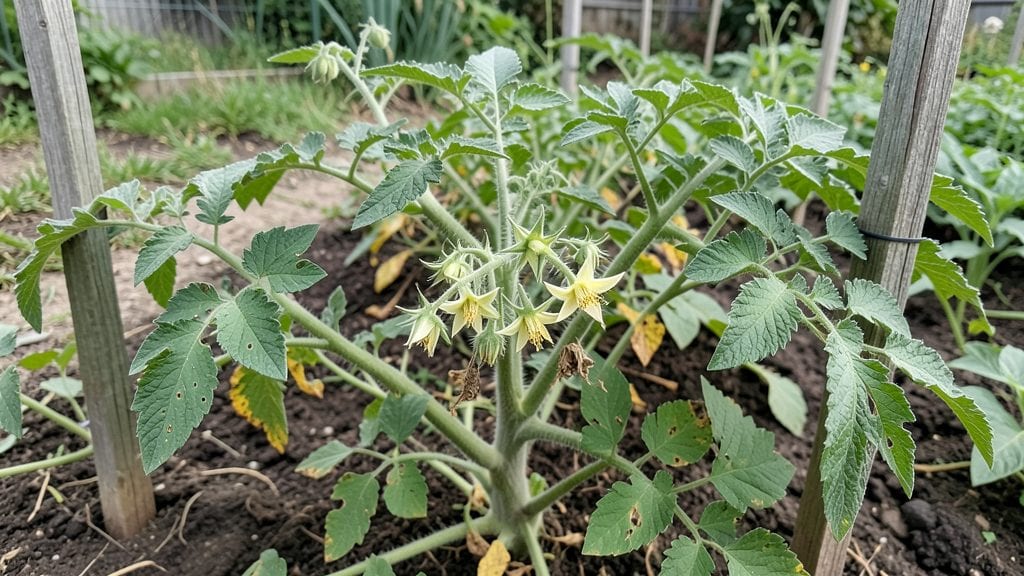
Understanding tomato plant flower stages is the secret to turning those delicate blooms into plump, juicy fruits. 🌸 I’ve watched my own plants go from hopeful flowers to heavy harvests—and the difference comes down to knowing exactly what each stage needs.
The first clue appears when those tiny yellow blossoms open, signaling the start of a race against time, heat, and even your own gardening habits.
Most gardeners miss the critical window between flower opening and fruit set because they don’t recognize the subtle changes. A healthy bloom lasts just 24-48 hours before it either sets fruit or falls off—so timing is everything.
The key stages are easy to spot once you know what to look for: the first flush of petals, the swelling ovary, and finally, the tiny green tomato that signals success.
Each stage has its own set of ideal conditions, from consistent moisture to gentle breezes (or your finger, if nature isn’t cooperating).
By the end, you’ll be able to predict harvest dates just by checking the flowers, troubleshoot why some blooms drop off, and even coax stubborn plants into producing.
The payoff? A garden overflowing with tomatoes that taste like summer, not store-bought blandness. Let’s break down each stage so you never miss another opportunity to grow.
Whether you’re dealing with indoor plants, greenhouse setups, or backyard rows, these stages apply universally. The only variable is how you respond—because once you recognize the signs, you hold the power to turn every bloom into a fruit. Ready to become a tomato whisperer?
📚 In This Guide
- What you need
- Instructions
- Tips and common mistakes
- Wrapping up and next steps
What you need
- ● Tomato plants: Choose disease-resistant varieties (e.g., Sungold, Beefsteak, or Cherry) with healthy, vibrant flowers. Quantity: 1–5 plants (depending on space).
- ○ Garden soil or potting mix: Well-draining, nutrient-rich soil (pH 6.0–6.8). Optional: Add compost or aged manure for extra fertility.
- ● Watering can or hose: With a gentle spray nozzle to avoid damaging flowers.
- ● Fertilizer: Balanced fertilizer (10-10-10 or 5-5-5): Use at planting and during flowering.
- ● Bloom booster (high in phosphorus, e.g., 5-10-10): Apply when flowers appear.
- ● Pruning shears: Sharp, clean scissors (sterilize with rubbing alcohol between cuts).
- ● Gloves: Lightweight gardening gloves to protect hands from thorns.
- ● Stakes or cages: 4–6 ft tall (for indeterminate varieties) or low cages (for determinate).
- ● Notebook or journal: To log flower stages, pollination dates, and fruit development.
- ○ Magnifying glass (optional): For closely inspecting flower structures and pests.
- ● Sunlight: 6–8+ hours of direct sunlight daily.
- ● Temperature: Ideal range: 70–85°F (21–29°C). Avoid frost (<32°F/0°C).
- ● Humidity: Moderate (40–60%). Use a fan for airflow if needed.
- ○ Pollinators (optional but helpful): Invite bees or manually pollinate with a paintbrush.
Understanding tomato plant flower stages: a visual timeline
Here's how to identify each stage of tomato blooming—and what it means for your harvest.
🌿 Step 1: Recognize the First Flower Cluster
The first sign of maturity is a flower cluster (called an inflorescence) appearing in the leaf axils—where the stem meets the leaf. These clusters hold 5-12 flowers, and each one has 5 petals in shades of yellow, white, or pink. I always check the underside of leaves first because new growth often hides there.
Watch for 5-7 days after the first true leaves appear before clusters form. If your plant is leggy with no flowers, it needs more light—move it within 6 inches of a sunny window or add a grow light. The key visual: a tight cluster of buds that look like tiny trumpets.
☀️ Step 2: Identify Pollinated Flowers
Pollinated flowers will wilt slightly and drop their petals within 24-48 hours, leaving behind a tiny green fruit bud (future tomato). Unpollinated flowers stay bright and crisp. I tap the plant gently near clusters during dry mornings to help wind pollination—especially in greenhouses or indoor setups.
Here's the trick: check flowers in the morning. Pollinated ones will have drooping petals by noon. If you see no fruit buds after 3-5 days, hand-pollinate using a small paintbrush to transfer pollen from flower to flower.
🍅 Step 3: Track Fruit Development Stages
After pollination, the fruit bud swells into a pea-sized tomato in 7-10 days. This is your first checkpoint—healthy fruits should be firm and green. If they turn yellow or drop, your plant is either underwatered or over-fertilized with nitrogen.
Watch for color changes next: green tomatoes stay firm but turn pale yellow when ready to ripen. Varieties like 'Early Girl' take 60-70 days from flower to ripe fruit, while heirlooms may need 80+ days. The stem should separate cleanly from the plant when gently twisted.
⏰ Step 4: Monitor Ripening and Harvest Timing
Ripe tomatoes develop full color (red, yellow, purple, etc.) and give slightly when squeezed. The stem end may show a white or yellowish tint as sugars concentrate. I always harvest in the morning when temperatures are cooler—this preserves flavor and prevents sunscald.
Don't wait for perfect ripeness if frost threatens. Green tomatoes can be removed, ripened indoors, or used in recipes. Overripe tomatoes (soft, wrinkled skin) should be harvested immediately to prevent pests like hornworms from infesting the plant.
🌱 Step 5: Encourage Continuous Flowering
For a steady harvest, prune suckers (shoots in leaf axils) weekly to redirect energy to fruit production. Remove lower leaves that touch the soil to improve airflow and prevent disease. I also fertilize with low-nitrogen, high-phosphorus food (like 5-10-10) when flowers appear to support blooming.
Watch for leaf curl or yellowing—common signs of stress that halt flowering. Adjust watering so soil stays consistently moist but not soggy. The goal is 10-15 flowers per plant maturing into fruit for a productive season.
Tips & tricks for perfect tomato plant flower stages
Mastering these visual cues and timing tricks will transform your tomato harvest from hit-or-miss to bountiful.
Visual Cue for Flower Clusters: In Step 1, those "tiny trumpets" should have a tight bud formation with no gaps between flowers. If you see flowers spaced apart or with deformed petals, your plant might be suffering from temperature stress—keep daytime temps between 70-85°F for ideal blooming. I've learned this the hard way after watching flowers drop during heatwaves!
Pollination Timing Secret: The 24-48 hour window for petal drop is your best indicator of successful pollination. Here's what I do: check flowers at 8 AM and again at noon. If petals are drooping by noon, that's your confirmation. For indoor plants, I gently shake the stems during dry mornings to mimic wind pollination—this works surprisingly well!
Fruit Development Checkpoint: That pea-sized tomato stage in Step 3 is your first real sign of success. If fruits turn yellow or drop at this stage, check your watering schedule—tomatoes need consistent moisture but hate soggy roots. I water mine deeply every morning and avoid wetting the leaves to prevent disease. The goal is firm, green fruits that feel like little balloons.
Harvest Timing Tip: For maximum flavor, harvest when the stem separates cleanly and you see that white/yellow tint at the stem end. Morning harvests preserve sweetness, but if frost threatens, don't wait—green tomatoes can be ripened indoors with a banana in a paper bag. I've saved many a harvest this way when late-season frosts sneak up!
Pro Tips for Tomato Plant Flower Stages
- Mastering these visual cues and timing tricks will transform your tomato harvest from hit-or-miss to bountiful.
- Visual Cue for Flower Clusters: In Step 1, those "tiny trumpets" should have a tight bud formation with no gaps between flowers.
- Pollination Timing Secret: The 24-48 hour window for petal drop is your best indicator of successful pollination.
Frequently asked questions
Got questions about tomato flower stages?
Here are answers to the most common ones—so you can grow healthier plants and bigger harvests!
How long does it take for tomato flowers to turn into fruit?
After pollination (usually 3–7 days), tomato flowers begin forming tiny fruits. With proper care, these swell into ripe tomatoes in 45–60 days—depending on variety. Cherry tomatoes may mature faster (30–40 days), while beefsteak types take longer.
Why are my tomato flowers falling off before fruiting?
This is called blossom drop and happens due to stress—like temperature swings (below 55°F or above 90°F), overwatering, or nutrient imbalances. Ensure consistent moisture, mulch for stability, and avoid high-nitrogen fertilizers during flowering.
When is the best time to prune tomato flowers for bigger fruit?
Prune only suckers (side shoots)—never main stems or flowers—after the first 3–5 flower clusters have set fruit. Remove suckers early in the morning to reduce stress. Avoid pruning during extreme heat or drought.
Can I hand-pollinate tomato flowers if bees aren’t visiting?
Yes! Use a soft paintbrush or cotton swab to gently transfer pollen from one flower’s center to another’s. Do this on dry, sunny mornings when flowers are open. This works best for self-pollinating varieties (like most heirlooms).
What should I do if my tomato plant has flowers but no fruit?
Check for:
- Pollination issues (hand-pollinate if needed).
- Environmental stress (adjust watering, shade, or temperature).
- Pest damage (inspect for hornworms or aphids).
- Fertilizer imbalance (switch to low-nitrogen, high-phosphorus feed).
Wrapping up and next steps
Understanding the tomato plant flower stages from bloom to fruit sets you up for a thriving harvest! 🌱 By recognizing each phase—budding, flowering, pollination, and fruiting—you’ll troubleshoot issues early and nurture healthier plants.
Whether you’re a seasoned gardener or just starting, every blossom is a step closer to juicy tomatoes.
Ready to take the next step? Grab your pruners, monitor your plants closely, and experiment with hand-pollination or companion planting to boost yields. Your garden—and your future tomato sandwiches—will thank you! 🍅