
Flowers
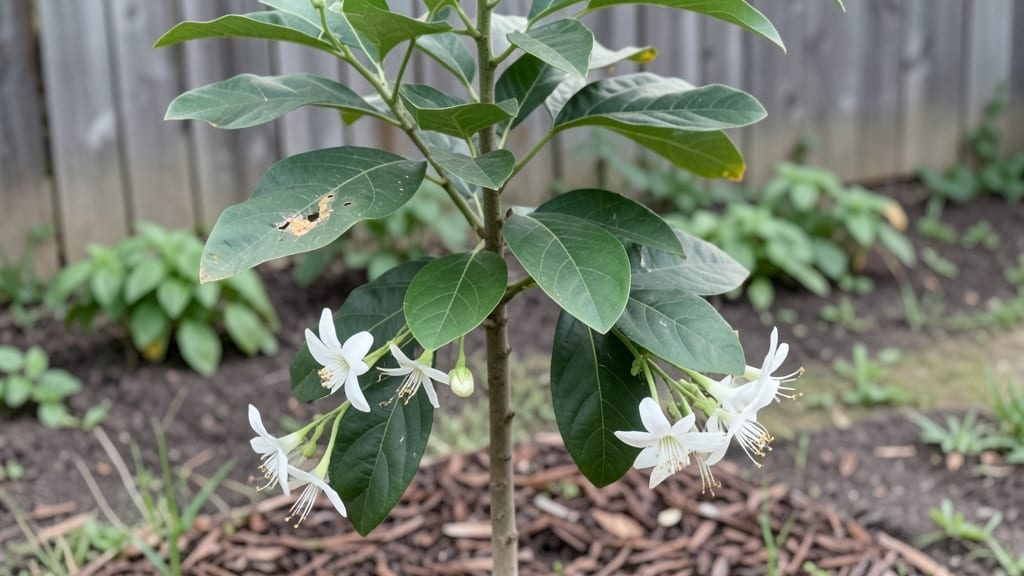
The star fruit flower’s delicate, fragrant blooms might seem out of place in the Pacific Northwest, but with the right approach, you can coax this tropical beauty into flowering—and even fruiting—right in your yard. 🌿 I’ve grown star fruit (Averrhoa carambola) here for three seasons now, and the key lies in mimicking its native climate while working with our cooler summers.
The first flush of white, star-shaped flowers arrives in late spring, followed by the sweet, tangy fruit that makes it all worthwhile.
You’ll need a large container (at least 15 gallons) or a sheltered microclimate where temperatures stay above 50°F at night—think south-facing walls or greenhouses. Star fruit thrives in well-draining, slightly acidic soil (pH 5.5-6.5) mixed with compost, and it craves full sun (6+ hours daily).
Water deeply when the top 2 inches of soil dry out, but avoid soggy roots—this tropical plant hates wet feet.
Here’s the magic: hand-pollinate flowers in the morning with a soft brush to boost fruit set, and feed with citrus-specific fertilizer every 6 weeks during growing season. With patience, you’ll see clusters of those signature star-shaped fruits by late summer—each one a reward for defying the odds.
The real payoff? Fresh, vitamin C-packed fruit straight from your garden, even in PNW summers.
If blooms fail to appear, check for overwatering or nutrient deficiencies—star fruit is finicky but forgiving once you understand its needs. Container-grown plants may need winter protection, but with the right care, they’ll reward you with years of exotic beauty and harvests. Ready to try?
📚 In This Guide
- What you need
- Instructions
- Tips and common mistakes
- Wrapping up and next steps
What you need
- ● Star fruit plant: 1 mature star fruit (Averrhoa carambola) tree (zones 10-11) or
- ● Seeds from a ripe star fruit (2-3 seeds per attempt)
- ● OR a young sapling (3-6 months old) from a local nursery
- ● Growing containers: 1 large pot (15-20 gallons) with drainage holes or
- ● In-ground planting space (if hardiness zone allows, with winter protection)
- ● High-quality potting mix: 1 bag (1.5–2 cubic feet) of well-draining, acidic soil (pH 5.5–6.5). Mix with: 50% peat moss or coconut coir
- ● 30% perlite or pumice
- ● 20% compost or worm castings
- ● Fertilizer: Balanced liquid fertilizer (10-10-10 or 20-20-20), 1 gallon
- ○ Slow-release citrus/orchid fertilizer (optional, 1 lb)
- ● Mulch: 2–3 inches of organic mulch (pine bark or straw)
- ● Pruning tools: 1 pair sharp bypass pruners
- ● 1 small hand saw (for thicker branches)
- ● Watering: Drip irrigation kit or watering can with a long spout
- ○ Moisture meter (optional, for monitoring soil)
- ● Support: 1–2 bamboo stakes or a small trellis (for young plants)
- ● Winter protection (PNW-specific!): Frost cloth or bubble wrap (for container plants)
- ○ Insulated grow bags (optional, for in-ground plants)
- ● Pest control: Neem oil spray (16 oz bottle)
- ● Insecticidal soap (for aphids/mealybugs)
- ● Gloves & hat: Heavy-duty gardening gloves + sun hat (star fruit loves warmth!)
Step-by-Step guide to cultivating star fruit flowers in the Pacific Northwest
Transform your PNW garden into a tropical paradise with these star fruit trees—here’s how to coax their stunning flowers to life.
🌱 Step 1: Select the Right Variety and Planting Site
Star fruit (Averrhoa carambola) thrives in USDA Hardiness Zones 10-11, so PNW gardeners must grow it as a container plant or in a greenhouse. Choose a dwarf variety like ‘Arka Surya’ or ‘Black Prince’—they’re more manageable and still produce those signature star-shaped fruits and fragrant white flowers.
Place your tree in a south-facing location where it gets full sun (6+ hours daily). Even in summer, PNW light can be diffused, so supplement with a grow light if flowers fail to open. The soil must drain exceptionally well—star fruit hates soggy roots, so amend native soil with 20% perlite or coarse sand to mimic its tropical origins.
☀️ Step 2: Mimic Tropical Conditions Year-Round
Star fruit trees demand consistent warmth—70-85°F during the day and no lower than 60°F at night. In winter, move potted trees indoors near a sunny window or under grow lights to prevent dormancy. If your home runs cooler, a seedling heat mat (set to 75°F) keeps roots active during germination and early growth.
Humidity is critical—50-70% mimics their native environment. Use a humidifier near the tree or mist leaves daily in dry PNW winters. Watch for yellowing leaf edges—a classic sign of low humidity. Grouping plants together also raises ambient moisture, but avoid crowding, as star fruit needs airflow to prevent fungal issues.
💧 Step 3: Water and Fertilize for Optimal Flowering
Water deeply every 2-3 days until the top 2 inches of soil feel dry—star fruit roots are shallow but sensitive to drought. Overwatering is worse: drooping leaves or root rot (black, mushy roots) mean you’re watering too much. In summer, increase frequency to daily if temperatures exceed 80°F, but always check soil moisture first.
Feed with a balanced, water-soluble fertilizer (10-10-10) every 4-6 weeks during spring and summer. Switch to a low-nitrogen, high-phosphorus formula (5-10-10) when buds form—this boosts flowering. Stop fertilizing in fall to let the tree rest. I’ve found that seaweed extract (applied monthly) improves flower count by strengthening root systems.
✂️ Step 4: Prune and Train for Better Blooms
Prune lightly in early spring to remove dead, crossing, or weak branches. Star fruit flowers appear on new growth, so avoid heavy pruning—you’ll sacrifice next year’s blooms. Instead, focus on opening the canopy to improve air circulation, which reduces the risk of anthracnose disease (a fungal threat in humid conditions).
Train young trees with a central leader (one main trunk) and scaffold branches to create a sturdy framework. If growing in a container, prune roots annually in spring by 10-20% to encourage denser growth. Watch for buds forming in leaf axils—these are your future flowers. Pinch back overly vigorous shoots to redirect energy into blooming.
🌿 Step 5: Protect Flowers and Fruits from PNW Challenges
Star fruit flowers are highly sensitive to cold drafts—even a brief dip below 50°F can drop buds. Use frost cloth on chilly nights or move potted trees indoors. In the PNW, wind is another enemy: shade cloth (30-50%) reduces stress on delicate blossoms. Once fruits set, hand-pollinate with a soft brush if your garden lacks bees—star fruit isn’t self-pollinating.
Watch for fruit drop—a common issue in cooler climates. This happens when the tree struggles to support fruit in low light. If this occurs, reduce the fruit load by removing half the young fruits to let remaining ones mature. Harvest when fruits are firm but slightly soft (usually 4-6 months after flowering)—they’ll ripen further off the tree.
Tips & tricks for perfect star fruit flower cultivation in the PNW
Growing star fruit flowers in the Pacific Northwest takes extra care—here are the pro tips that'll help you avoid common pitfalls and maximize those fragrant blooms.
Varietal Selection: While 'Arka Surya' and 'Black Prince' are excellent choices, consider 'Champagne' if you're prioritizing fruit production over flowers. This variety produces more abundant blooms, though its fruit is less distinctive. For pure floral displays, 'Arka Surya' remains my top recommendation—its delicate white flowers open consistently when given proper care. The key difference lies in their growth habits: 'Champagne' grows slightly faster but requires more aggressive pruning to maintain flower production.
Light Supplement Strategy: When supplementing with grow lights in Step 1, position them 12-18 inches above the plant for optimal coverage. I use a combination of LED grow lights and a simple timer set for 14 hours daily during PNW's shorter winter days. The light should be bright enough to read a newspaper underneath—this ensures proper photosynthesis without overheating. Watch for leaf burn (brown patches) if lights are too close, and adjust accordingly. In summer, supplement only during overcast days when natural light falls below 6 hours.
Temperature Management: The 70-85°F daytime range is non-negotiable for flowering, but achieving this in PNW winters requires strategy. I've found that placing trees near south-facing windows with double-pane glass helps maintain warmth without heat mats. For containers, wrap them in insulated growing sleeves during cold snaps. The critical nighttime threshold of 60°F is where most failures occur—never let temperatures dip below this, even briefly. A simple digital thermometer/hygrometer placed near the tree becomes your best friend for monitoring these conditions.
Humidity Hack: Creating that 50-70% humidity range is easier than it sounds. Place your potted tree on a pebble tray filled with water—the evaporation creates natural humidity. For multiple trees, group them together but maintain 3-4 inches between leaves to prevent fungal issues. I've also had success using a small ultrasonic humidifier set to run for 30 minutes every 2 hours during winter months. The key visual cue for proper humidity is glossy, vibrant leaves without yellowing edges—this tells you you're nailing the balance.
Pro Tips for Star Fruit Flower
- Growing star fruit flowers in the Pacific Northwest takes extra care—here are the pro tips that'll help you avoid common pitfalls and maximize those fragrant blooms.
- Varietal Selection: While 'Arka Surya' and 'Black Prince' are excellent choices, consider 'Champagne' if you're prioritizing fruit production over flowers.
- Light Supplement Strategy: When supplementing with grow lights in Step 1, position them 12-18 inches above the plant for optimal coverage.
Frequently asked questions
Got questions about coaxing those stunning star fruit flowers to thrive in your PNW garden? You're not alone! Here are some of the most common queries—plus straightforward answers to help you grow with confidence.
When do star fruit flowers bloom, and how long do they last?
Star fruit flowers typically bloom in late spring to early summer (May–July in the PNW), especially after new growth appears. Each delicate white or pinkish flower lasts just 1–2 days but produces vibrant fruit within 3–6 months. For year-round blooms, provide consistent warmth (70–85°F) and prune lightly after fruiting to encourage new growth.
Can star fruit trees survive PNW winters, or do I need to protect them?
Star fruit (Averrhoa carambola) is tender to frost—most varieties won’t tolerate temps below 25°F. In the PNW, grow them in containers and move them indoors (or under a greenhouse) when temps drop. Alternatively, plant in microclimates near south-facing walls or use frost cloths for young trees.
Why aren’t my star fruit flowers opening, even though the tree looks healthy?
Several factors can prevent blooming:
- Insufficient sunlight: Star fruit needs 6+ hours of direct sun daily—move it to a sunnier spot or supplement with grow lights.
- Nutrient imbalance: Over-fertilizing with nitrogen (e.g., lawn fertilizer) promotes leafy growth but stops flowers. Switch to a balanced 10-10-10 or bloom-boosting fertilizer (like 5-10-10).
- Stress or drought: Keep soil consistently moist (but not soggy) and avoid sudden temperature swings.
If the issue persists, check for pests (like spider mites) or root-bound conditions.
What are some hardier alternatives to star fruit for PNW gardens?
If star fruit’s tropical needs feel too challenging, try these low-maintenance, frost-tolerant flowering plants with similar exotic vibes:
- Citrus varieties (e.g., Calamondin orange or Meyer lemon): Thrive in containers, bloom in spring, and produce edible fruit. Can handle brief dips to 20°F with protection.
- Plumeria: Fragrant, tropical-looking flowers that tolerate 28°F with mulch. Grow in pots for easy winter moves.
- Jasmine (e.g., Jasminum officinale): Hardy to 15°F, drought-tolerant, and perfumes your garden with white blooms.
- Loquat (Averrhoa carambola’s cousin!): More cold-hardy (15–20°F) and produces edible fruit, though flowers are less showy.
Pro tip: Mix container-grown tropicals with native PNW plants (like Oregon grape) for a layered, resilient garden!
Are star fruit flowers toxic to pets or kids?
While star fruit flowers themselves aren’t highly toxic, the fruit and leaves contain oxalates and psoralens, which can cause mild stomach upset if ingested in large amounts. Symptoms may include:
- Drooling or vomiting (in pets)
- Skin irritation (if sap touches eyes or skin)
Keep plants out of reach of curious pets/kids, and wash hands after handling. If ingestion occurs, contact a vet or poison control center immediately.
Wrapping up and next steps
Growing star fruit flower in the Pacific Northwest is absolutely doable with the right care and patience! 🌱 From selecting the perfect spot to nurturing your plant through seasonal changes, you now have all the tools to bring this tropical beauty into your garden.
Embrace the challenge—your hard work will reward you with stunning, fragrant blooms that’ll make your outdoor space feel like a slice of paradise.
Ready to take the next step? Start small:
- 🌱 Plant a single sapling this season to test conditions.
- 📅 Keep a gardening journal to track progress and adjust care as needed.
- 🤝 Connect with local gardening groups for tips tailored to your region.