
Flowers
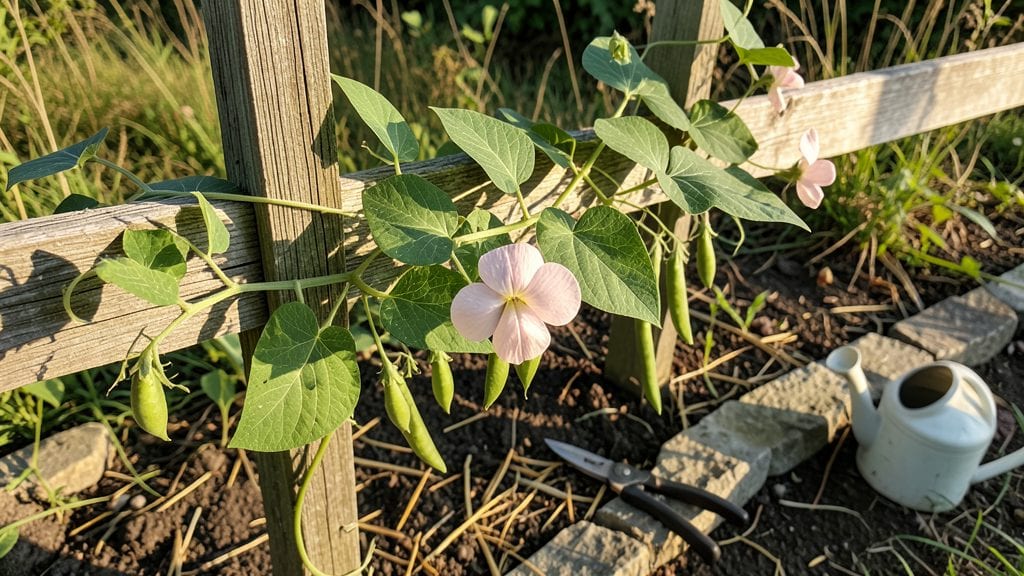
Growing fragrant sweat pea flowers in the Pacific Northwest means you can start seeds in early spring without fear of frost wiping them out—these hardy climbers thrive in cool weather when most flowers still huddle under blankets. 🌱 The secret lies in their ability to handle temperatures down to 25°F, letting you plant them weeks before your last frost date while other flowers play catch-up.
You’ll need a sturdy trellis or fence for their vigorous vines, well-draining soil rich in organic matter, and a sunny spot that gets at least 6 hours of light daily.
The fragrance alone—like fresh-cut grass mixed with honey—makes them worth the effort, but their climbing habit turns blank walls or fences into lush, fragrant backdrops by midsummer. Even beginners can master them because they’re forgiving about watering and soil pH.
By late June, you’ll be pinching back leggy stems to encourage bushier growth and deadheading spent blooms to keep the flowers coming. The vines can reach 6-8 feet tall, so plan your trellis accordingly—think pergolas or tall obelisks for dramatic displays.
Their sweet scent lingers in the evening, making them perfect for garden paths or near patios where you can enjoy their perfume up close.
This guide covers everything from soil prep to frost-proof planting, so you can grow sweat peas that outlast the season and fill your garden with color and fragrance long after other flowers have faded. Let’s get those seeds in the ground!
📚 In This Guide
- What you need
- Instructions
- Tips and common mistakes
- Wrapping up and next steps
What you need
- ● Sweat pea seeds – 50–100 seeds (choose frost-resistant varieties like 'Spencer Sweet' or 'Cupani').
- ● Well-draining potting mix – 10–15 lbs (for containers) or enrich soil with compost (for in-ground planting).
- ● Garden bed or containers – 6-inch deep pots (for each plant) or a sunny garden spot with 18+ inches of soil depth.
- ● Fertilizer – Balanced 10-10-10 or slow-release granular fertilizer (1 lb per 100 sq ft).
- ● Mulch – Straw or wood chips (2–3 inches) to protect roots from frost.
- ● Garden trowel – For planting seeds 1–2 inches deep.
- ● Watering can or hose with gentle spray – Keep soil moist but not soggy.
- ● Garden stakes or trellis – 4–6 ft tall (sweat peas climb! Use bamboo or metal mesh).
- ○ Frost cloth or row covers – Lightweight fabric to shield seedlings from late frosts (optional but helpful in PNW!).
- ● Pruning shears – For trimming dead blooms (encourages more flowers!).
- ● Sunlight – Full sun (6+ hours/day) or partial shade (4+ hours).
- ● Soil pH – Slightly acidic to neutral (6.0–7.0). Test soil or amend with lime if needed.
- ● Patience! – Seeds germinate in 7–14 days (slower in cold soil).
How to plant sweat peas for reliable Pacific Northwest blooms
Here's the foolproof method I've used for years to get vibrant sweat pea flowers thriving through PNW's unpredictable springs.
🌱 Step 1: Time Planting for Frost Tolerance
Sow seeds outdoors 6-8 weeks before your last frost date—this gives roots time to establish before cold snaps. In the PNW, that means planting in early March for most regions. The key is letting seedlings develop strong root systems before temperatures drop below 25°F, which they can handle once established.
I always plant mine 2 inches deep in well-drained soil, spacing seeds 4-6 inches apart in rows 18 inches apart. The deeper planting protects tender seedlings from wind and light frosts. Water immediately after sowing to settle the soil around seeds—this prevents them from drying out during cold nights.
☀️ Step 2: Provide Shelter for Early Growth
Until plants reach 4-6 inches tall (about 3-4 weeks after sowing), protect them from late frosts using floating row covers or even old window screens. The PNW's coastal areas can get unexpected cold snaps even in spring. I stake lightweight fabric at the edges to keep it from touching plants, which can cause rot.
Remove covers during the day when temperatures rise above 40°F to allow sunlight access. You'll see new growth accelerate once plants get consistent light. Watch for condensation on covers—this means you need to lift them temporarily to prevent fungal issues.
💧 Step 3: Water Strategically Through Establishment
Keep soil consistently moist but never soggy during germination and early growth. Water deeply every 2-3 days until you see first true leaves—this encourages deep root development. In the PNW's damp climate, I often reduce watering slightly after plants establish to prevent fungal diseases common in our cool, wet springs.
Mulch around plants with 1-2 inches of straw once they're 3 inches tall to retain moisture and moderate soil temperature. This helps prevent the soil from getting too cold at night, which can stunt growth. You'll know your watering is right when leaves stay deep green without yellowing at the edges.
✂️ Step 4: Support Vines and Encourage Blooms
Install 5-6 foot tall trellises as soon as vines reach 6 inches—sweat peas need vertical support for healthy growth. I use bamboo stakes tied with twine for a rustic look that works perfectly. Gently weave new growth through the trellis to train vines upward naturally.
Pinch back the main stem when it reaches 12 inches tall to encourage bushier growth and more blooms. Remove any flowers that appear before late May—this redirects the plant's energy into establishing stronger roots and vines for the summer blooming period. You'll see a noticeable increase in side shoots within 2-3 weeks after pinching.
🌿 Step 5: Maintain Through Summer Blooming
Once established, sweat peas are remarkably low-maintenance. Water 1-2 times per week during dry spells, focusing on the base of plants. In the PNW's summer, this usually means watering when the top 1 inch of soil feels dry. Fertilize lightly with balanced 10-10-10 every 4-6 weeks to encourage continuous blooming.
Deadhead spent flowers regularly to prolong the blooming season. I simply pinch off faded blooms with my fingers as I walk by the plants. This practice keeps the vines producing new flowers instead of setting seed. With proper care, you'll enjoy vibrant blooms from late spring through early fall, with some varieties continuing into winter in milder PNW microclimates.
Tips & tricks for perfect sweat pea flowers in the Pacific Northwest
These small but mighty tricks will help you beat the PNW's tricky growing conditions and get those vibrant blooms thriving.
Soil Prep Secret: Before planting, mix in a handful of compost into the planting hole to give your sweat pea seedlings a nutrient boost right from the start. The PNW's cool, wet climate can leach nutrients quickly, so this extra step gives plants the energy they need to establish strong roots before the cold snaps hit. I also recommend testing your soil pH—sweat peas prefer slightly acidic soil around 6.0-7.0. If your soil is too alkaline, add a bit of sulfur to adjust it before planting.
Frost Protection Hack: For that extra layer of protection against late frosts, I keep a supply of old plastic milk jugs cut in half on hand. Place them over seedlings when temperatures are forecast to drop below 25°F, leaving the bottom open to protect from wind but allow sunlight. These makehift cloches create a microclimate that can raise temperatures by 5-10°F—enough to make all the difference in our unpredictable spring weather.
Trellis Timing: Don't wait until your vines are sprawling across the ground to install trellises! I've found that setting up 5-6 foot tall trellises as soon as vines reach 6 inches gives them proper support from the beginning. This prevents the plants from developing weak stems that can snap under the weight of flowers. For a rustic look, I use bamboo stakes tied with twine—it's sturdy, inexpensive, and blends beautifully with garden aesthetics.
Fertilizer Strategy: When it comes to that 10-10-10 fertilizer mentioned in the instructions, I've learned to apply it in smaller amounts more frequently rather than all at once. Start with half the recommended dose when plants are 4-6 inches tall, then repeat every 4 weeks. This gradual approach prevents fertilizer burn while still providing the nutrients needed for continuous blooming. Sweat peas are actually light feeders, so less is often more in our damp PNW climate.
Pro Tips for Sweat Pea Flower
- These small but mighty tricks will help you beat the PNW's tricky growing conditions and get those vibrant blooms thriving.
- Soil Prep Secret: Before planting, mix in a handful of compost into the planting hole to give your sweat pea seedlings a nutrient boost right from the start.
- Frost Protection Hack: For that extra layer of protection against late frosts, I keep a supply of old plastic milk jugs cut in half on hand.
Frequently asked questions
Got questions about growing sweat pea flowers? You’re not alone! Here are some of the most common queries—plus quick, practical answers to help you cultivate these frost-resistant beauties like a pro.
Can sweat pea flowers survive frost?
One of their standout features is cold hardiness—these vines thrive in temperatures down to 15°F (-9°C). Just ensure they’re planted in well-draining soil and mulch the base for extra protection during harsh winters. Pro tip: Their deep roots also help them bounce back after light freezes!
How long does it take for sweat pea flowers to bloom?
Patience pays off! From seed, expect 60–90 days to first bloom, depending on your PNW climate. Start seeds indoors 4–6 weeks before your last frost date for a head start. Once established, they’ll reward you with continuous blooms from late spring through fall.
Do sweat pea flowers need trellising?
Yes! These vigorous climbers can reach 8–10 feet if given support. Use a sturdy trellis, fence, or arbor to guide their growth. Without support, vines sprawl, risking disease and weaker blooms. Bonus: Vertical growth keeps flowers off the ground, reducing slug damage.
Can I grow sweat pea flowers in containers?
Container growing is possible, but choose a large pot (at least 15+ gallons) with drainage holes. Use a well-balanced potting mix and fertilize regularly. Containers dry out faster, so water consistently. Warning: Root-bound plants may struggle—upgrade containers yearly if needed.
What pests should I watch for with sweat pea flowers?
Keep an eye out for aphids, spider mites, and Japanese beetles. Spray infested areas with neem oil or insecticidal soap. For beetles, handpick early in the morning. Healthy plants with good airflow resist pests better—so prune regularly and avoid overcrowding.
Are sweat pea flowers edible?
Yes! While the flowers and young pods are edible (mild, pea-like flavor), they’re not as commonly eaten as garden peas. Use them sparingly in salads or garnishes. Note: Always confirm your plant’s variety—some ornamental types may not be safe for consumption.
Wrapping up and next steps
Growing sweat pea flowers in the Pacific Northwest is not only rewarding but also a fantastic way to add vibrant, frost-resistant beauty to your garden. 🌸 With the right soil prep, timing, and care, you’ll enjoy their sweet fragrance and charming blooms for years—even in cooler climates!
Whether you’re a seasoned gardener or just starting, these tips make the process simple and fun.
Ready to transform your garden? Start by gathering your supplies and mark your calendar for early spring planting. Before you know it, you’ll be surrounded by lush, fragrant vines and cheerful blossoms that bring life to every season!