
Flowers
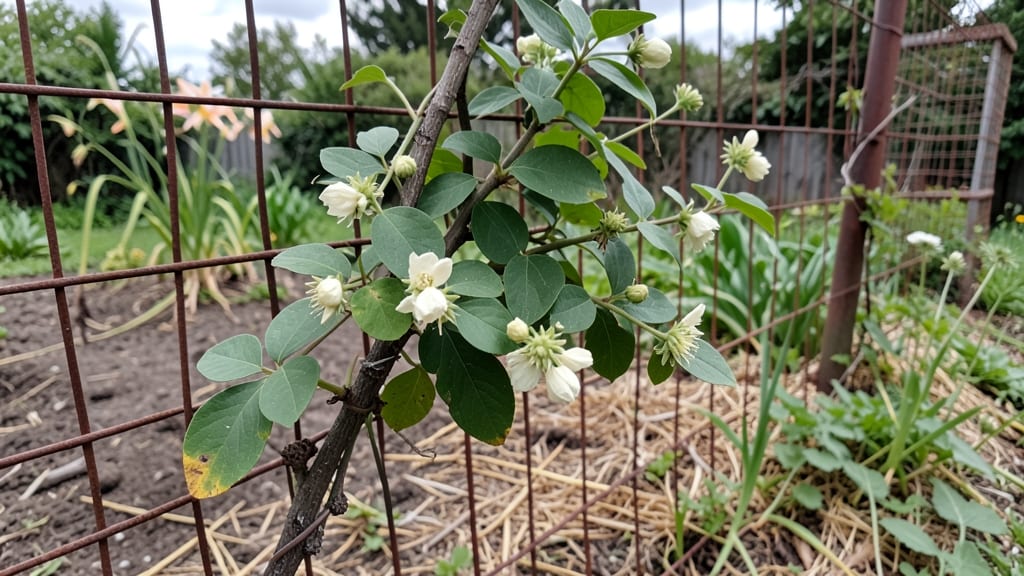
Growing star jasmine flower transforms any garden into a fragrant paradise with its delicate white blooms and intoxicating jasmine scent. 🌿 I learned the hard way that this climber thrives in partial shade—my first attempt in full sun left it struggling, while the plant in dappled light exploded with growth.
The secret lies in mimicking its natural understory habitat, where it climbs gracefully over trellises or fences without demanding constant sunlight.
You’ll need well-draining soil, a sturdy support structure, and patience—this isn’t a fast grower but a rewarding one. Star jasmine spreads slowly at first but becomes a lush, fragrant curtain over time, perfect for arbors or pergolas.
The key is balancing moisture (keep soil evenly damp but not soggy) and pruning lightly after flowering to encourage bushier growth. Most gardeners overwater, thinking it needs tropical conditions, but this plant actually prefers moderate care once established.
By late summer, you’ll be rewarded with clusters of star-shaped white flowers that perfume the air at dusk. The scent is strongest in the evening, making it ideal for patios or near seating areas.
With minimal maintenance, this climber will outlast trendy annuals, becoming a cherished part of your garden for decades. Let’s get yours thriving—it’s easier than you think!
Works beautifully in zones 7-10, though hardy varieties can handle cooler climates with winter protection. For colder regions, treat it as an annual or overwinter potted plants indoors.
The versatility makes it a standout choice for both containers and landscape features—just give it space to climb and the right light conditions.
📚 In This Guide
- What you need
- Instructions
- Tips and common mistakes
- Wrapping up and next steps
What you need
- ● Star Jasmine Plant: 1 nursery-grown plant (3–6 inches tall, in a 4–6 inch pot) OR
- ● 6–10 seeds (if starting from scratch—germination can take 2–4 weeks!)
- ● Well-Draining Potting Mix: 2–3 gallons (for containers) or amended garden soil (for in-ground planting). Mix with perlite or coarse sand (10–20% by volume) for aeration.
- ○ Container (Optional but Recommended): 1–2 gallon pot with drainage holes (if growing in containers). Pro tip: Terracotta pots help prevent root rot! 💡
- ● Garden trowel or small shovel
- ● Pruning shears (sterilized with rubbing alcohol)
- ● Gloves (to protect from thorns and soil-borne pathogens)
- ● Watering can or hose with a gentle spray nozzle
- ● Mulch (2–3 inches of shredded bark or pine needles)
- ○ Optional but Helpful: Trellis, arbor, or fence (for vertical support—star jasmine climbs up to 15 feet!)
- ● Organic fertilizer (balanced 10-10-10 or slow-release granules)
- ● pH test kit (ideal soil pH: 6.0–7.0)
- ● Location: Partial shade (4–6 hours of morning sun; afternoon shade in hot climates). Avoid full sun in scorching regions! 🌞🌳
- ● Climate: USDA Hardiness Zones 7–10 (or container-grown for cooler zones). Star jasmine is not frost-tolerant below 10°F.
- ● Water Access: Regular watering (keep soil moist but not soggy during establishment).
Step-by-Step instructions for planting and cultivating star jasmine
Here's how to establish this fragrant vine with minimal fuss—my go-to method for lush, blooming star jasmine.
🌱 Step 1: Select and Prepare the Planting Site
Star jasmine thrives in partial shade with 4-6 hours of morning sun and afternoon dappled light. Choose a location protected from harsh afternoon rays, like near a north-facing wall or under a large tree with open branches. The soil should drain well but retain moisture—amend heavy clay with 2-3 inches of organic compost mixed into the top 12 inches of soil.
Dig a hole twice as wide as the root ball but only as deep. This encourages roots to spread horizontally rather than settling too low, which can cause rot. Gently loosen the roots if they're circling tightly in the container—just tease them apart with your fingers. Real talk: if your soil feels compacted when squeezed, add another inch of compost to improve aeration.
🪴 Step 2: Plant and Stake for Support
Position the plant so the top of the root ball sits 1 inch below the soil line—this prevents stem rot from settling too deep. Backfill with native soil mixed with 1 cup of slow-release granular fertilizer (10-10-10 ratio works well). Water deeply to settle the soil, then add a 4-6 foot trellis or arbor immediately. Star jasmine needs vertical support to climb properly—don't skip this step.
Use 2-3 flexible stakes tied to the trellis at a slight angle to create a natural climbing framework. Secure the main stem loosely with soft plant ties, leaving room for growth. You'll see new shoots emerge within 4-6 weeks—these will latch onto the trellis as they mature. Here's the thing: if you wait until the vine is established to add support, you'll struggle with weak, sprawling growth.
☀️ Step 3: Water and Maintain Through the First Season
Water deeply once a week during the first growing season, aiming for 1-1.5 gallons per plant until the top 6 inches of soil feel moist. Overwatering is the fastest way to kill star jasmine—yellowing leaves signal root stress. Mulch with 2-3 inches of shredded bark around the base (but keep it 4 inches away from the stem) to retain moisture and suppress weeds.
Fertilize lightly every 6-8 weeks with a balanced liquid fertilizer diluted to half-strength. You'll notice new growth in 2-3 weeks after feeding—this is your cue that the plant is thriving. Prune back any leggy or overcrowded stems in early spring to encourage bushier growth. Watch for white, star-shaped flowers in late spring or early summer—that's your reward for patience.
✂️ Step 4: Prune and Encourage Blooms Year-Round
Prune immediately after flowering to shape the vine and promote next year's blooms. Cut back one-third of the oldest stems to the ground and trim any crossing or weak branches. Always prune just above a leaf node or outward-facing bud—this ensures new growth continues in the right direction. Star jasmine blooms on new and old wood, so don't over-prune.
In late winter, do a light pruning to remove dead or damaged wood and open the center for airflow. This prevents fungal issues and keeps the plant compact. I know it seems counterintuitive to prune in winter, but it jumpstarts spring growth. You'll see fresh, vibrant foliage within 3-4 weeks of pruning—proof that the plant is waking up.
Tips & tricks for perfect star jasmine cultivation
A few key insights will help you avoid common pitfalls and coax the most fragrant blooms from your star jasmine.
Soil Preparation Secret: In Step 1, when amending your soil with 2-3 inches of organic compost, consider adding a handful of perlite or coarse sand to improve drainage if your native soil feels dense. Star jasmine roots need both moisture retention AND oxygen—this combo prevents the waterlogged conditions that cause root rot. I've seen plants thrive in heavy clay after this simple adjustment, while others struggle without it.
Trellis Timing: The 4-6 week window mentioned in Step 2 for new shoots to emerge is your cue to monitor growth closely. If you notice shoots curling or growing away from the trellis, gently guide them upward immediately—they'll latch on best when young. Between us, I've seen star jasmine completely miss its trellis when given too much freedom early on, resulting in tangled, unruly growth.
Watering Wisdom: That 1-1.5 gallon weekly watering in Step 3 should be done slowly to avoid creating a soggy hole around the roots. Use a soaker hose or watering can with a narrow spout to direct moisture evenly. I learned this the hard way after seeing yellowing leaves from overwatering—star jasmine prefers consistent moisture, not waterlogged soil.
Pruning Precision: When you're cutting back one-third of the oldest stems in Step 4, make your cuts just above a leaf node where you see a small bump or outward-facing bud. This ensures new growth emerges in the right direction. I always double-check this before making cuts—it's the difference between a bushy plant and one that grows in awkward directions.
Pro Tips for Star Jasmine Flower
- A few key insights will help you avoid common pitfalls and coax the most fragrant blooms from your star jasmine.
- Soil Preparation Secret: In Step 1, when amending your soil with 2-3 inches of organic compost, consider adding a handful of perlite or coarse sand to improve drainage if your native soil feels dense.
- Trellis Timing: The 4-6 week window mentioned in Step 2 for new shoots to emerge is your cue to monitor growth closely.
Frequently asked questions
Got questions about growing star jasmine? Here are some of the most common ones—and their answers!
Whether you're a beginner or just looking to troubleshoot, we’ve got you covered.
How fast does star jasmine grow, and when will I see flowers?
Star jasmine grows moderately fast—expect 12–24 inches per year under ideal conditions. With proper care, you’ll see delicate white flowers (resembling tiny stars) in late spring to early summer, often blooming again in fall. Patience is key—it may take a year or two for mature plants to really shine!
Can star jasmine thrive in full shade? What’s the best light for it?
While it tolerates partial shade, star jasmine prefers bright, indirect light (like dappled sunlight) for the best blooms. Full shade may slow growth and reduce flowers. If your garden is shady, place it near a south- or west-facing wall for a few hours of morning sun.
Why isn’t my star jasmine flowering? Is it dying?
Don’t panic! Common reasons for no flowers include over-fertilizing (too much nitrogen), poor light, or pruning at the wrong time. Try these fixes:
- Move to a sunnier spot (even partial sun helps).
- Use a balanced fertilizer (10-10-10) in early spring.
- Avoid heavy pruning in late winter—wait until after flowering.
Is star jasmine toxic to pets or humans?
Great news! Star jasmine is non-toxic to both pets and humans, making it a pet-friendly choice. You can safely grow it near your furry friends without worry. Just avoid overwatering—soggy soil can still cause mild stomach upset in pets.
Can I grow star jasmine in containers? What’s the best pot size?
Star jasmine adapts well to containers, perfect for patios or small gardens. Use a 5-gallon pot minimum (bigger is better for long-term growth). Ensure it has drainage holes and a well-draining potting mix. Prune regularly to control size, and move pots indoors in winter if temps drop below 20°F (-7°C).
Pro Tip: Deadheading (removing spent flowers) encourages more blooms! Just pinch them off gently—no tools needed.
Wrapping up and next steps
Growing star jasmine flower is a rewarding journey that brings fragrant beauty to your garden with minimal effort! 🌿 Whether you’re a beginner or a seasoned gardener, its adaptability and stunning blooms make it a perfect addition to partial-shade spaces.
With the right soil, support, and care, you’ll soon enjoy its sweet, intoxicating scent—nature’s way of saying, "You’ve done great!"
Ready to transform your outdoor space? Start by planting your star jasmine today—then sit back and let this hardy climber work its magic. 🌸 Happy gardening!