
Planting
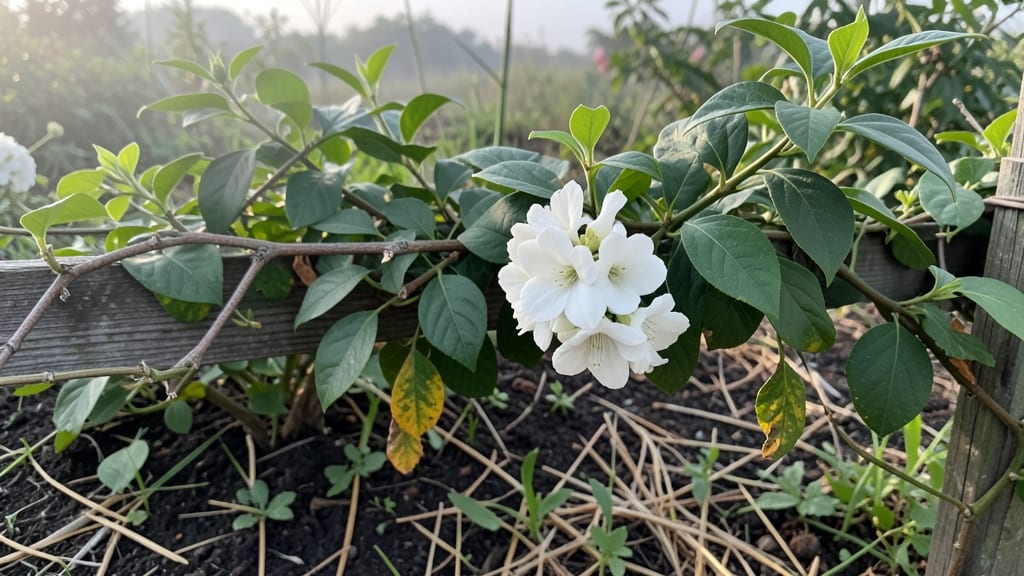
The night flowering jasmine plant (Cestrum nocturnum) transforms your Pacific Northwest garden into a moonlit perfume factory. ✨ The moment the sun dips below the horizon, clusters of tiny white flowers release a heady, jasmine-like fragrance that carries for yards—something store-bought plants can't match.
My first night with this plant, I sat outside at 9 PM just to breathe it in, and neighbors kept asking what was blooming.
This tropical beauty thrives in USDA Zones 9-11, but with winter protection (like a thick mulch or container move), it can survive our cooler summers too. It’s not fussy about soil—just make sure it drains well—and it loves morning sun with afternoon shade to prevent leaf scorch.
The key to those nighttime blooms? Consistent moisture and a little late-summer pruning to encourage new growth.
You’ll get your first whiff of flowers within 6-8 weeks of planting, and once established, it blooms nearly year-round in mild climates. The plant grows 3-6 feet tall, so it works perfectly as a hedge, container specimen, or trellis climber.
Just be ready for curious wildlife—hummingbirds and moths adore the nectar almost as much as you will.
For Pacific Northwest gardeners, the biggest challenge is winter survival, but with the right care, you’ll have fragrant evenings for years. Let’s get yours growing strong—your neighbors will thank you.
📚 In This Guide
- What you need
- Instructions
- Tips and common mistakes
- Wrapping up and next steps
What you need
- ● Night flowering jasmine plant: 1-2 healthy nursery-grown plants (6-12 inches tall, potted or bare-root)
- ● Choose Cestrum nocturnum (Queen of the Night) for bold blooms or Jasminum sambac for classic jasmine scent
- ● Well-draining soil: 5-10 gallons of loamy, slightly acidic soil (pH 6.0–7.0)
- ● Mix in 1 part perlite or sand per 3 parts garden soil to prevent root rot
- ● Sunlight access: Full sun to partial shade (6+ hours of sunlight, but protected from harsh afternoon PNW rain)
- ● Watering tools: Watering can or hose with a gentle spray nozzle
- ○ Drip irrigation kit (optional but helpful for consistent moisture)
- ● Fertilizer: Balanced 10-10-10 fertilizer (1 tbsp per plant, applied every 6–8 weeks during growing season)
- ● Pruning tools: Sharp bypass pruners (for shaping and deadheading)
- ● Garden gloves (to protect from thorns on some varieties)
- ● Mulch (2–3 inches of wood chips or pine straw to retain moisture and regulate soil temp)
- ● Trellis or arbor (for climbing varieties like Jasminum sambac)
- ● Epsom salt (1 tbsp per gallon of water, monthly for magnesium boost)
- ● Neem oil or insecticidal soap (for pest prevention in humid PNW summers)
- ● Grow lights (if starting indoors before transplanting)
Step-by-Step guide to growing night flowering jasmine in the Pacific Northwest
This fragrant climber thrives in our cool, moist climate—here’s how to coax those intoxicating evening blooms.
🌱 Step 1: Choose the Right Location and Planting Site
Night flowering jasmine (Cestrum nocturnum) craves partial shade to dappled sunlight, making it perfect for Pacific Northwest gardens where full sun can scorch tender foliage. I always plant mine near a south- or west-facing wall where it gets 4-6 hours of afternoon sun but stays shaded from the harsh midday glare. The key is well-draining, slightly acidic soil—amend heavy clay with 2-3 inches of compost or organic matter to improve aeration.
Dig a hole twice as wide as the root ball but only as deep as the container it came in. This prevents burying the stem too deeply, which can cause rot. If planting multiple, space them 6-8 feet apart—jasmine grows vigorously and needs room to sprawl. I like to tuck a trellis or arbor nearby at planting time so the vine has something to cling to immediately.
☀️ Step 2: Plant and Water for Establishment
Gently remove the plant from its container and loosen any circling roots with your fingers. Place it in the hole so the top of the root ball sits level with the surrounding soil—never mound soil against the stem. Backfill with native soil mixed with 1 part compost, tamping lightly to eliminate air pockets. Water deeply right after planting to settle the roots and remove any gaps.
For the first 2-3 weeks, keep the soil consistently moist but not soggy. You’ll know it’s right when the top inch feels damp to touch but doesn’t glisten with excess water. Mulch around the base with 2-3 inches of wood chips or shredded bark to retain moisture and suppress weeds. Avoid letting mulch touch the stem—keep it 2 inches away to prevent rot.
💧 Step 3: Prune and Fertilize for Healthy Growth
Prune in late winter or early spring before new growth begins. Cut back any dead, damaged, or crossing branches to improve airflow and shape the plant. I also lightly trim the tips of vigorous shoots to encourage bushier growth—jasmine responds well to pruning but won’t bloom on old wood, so avoid heavy cuts after flowering. Wear gloves; the sap can irritate skin.
Feed with a balanced, slow-release fertilizer (10-10-10) in early spring and again in mid-summer. Too much nitrogen late in the season delays blooming. I swear by fish emulsion for a mid-summer boost—it’s gentle but packed with micronutrients jasmine loves. Water deeply after fertilizing to help nutrients penetrate the root zone.
⏰ Step 4: Encourage Blooms and Overwinter Successfully
Night flowering jasmine blooms on new wood, so regular pruning keeps it productive. After flowers fade in fall, trim back one-third of the plant to promote fresh growth next season. The real trick? Protecting it from winter winds—our Pacific Northwest storms can damage tender stems. I wrap young plants in burlap or use a lightweight frost cloth during harsh freezes (<25°F), but mature plants usually handle our mild winters fine.
Watch for white, tubular flowers in late summer to fall—they’re pollinated by moths and release their fragrance at dusk, which is why they’re called "night bloomers." Deadhead spent flowers to redirect energy into new growth. If you live in a cooler microclimate, a south-facing wall or greenhouse can extend the blooming season by 2-3 weeks.
🌿 Step 5: Troubleshoot Common Issues
Yellowing leaves usually mean overwatering or poor drainage. Let the soil dry out slightly between waterings—jasmine’s roots rot easily in soggy conditions. If you see black spots on leaves, it’s likely fungal leaf spot, common in our damp climate. Remove affected foliage immediately and space plants farther apart next time for better airflow.
Pests are rare, but aphids or spider mites might appear on stressed plants. Blast them off with a strong spray of water or treat with neem oil—it’s organic and safe for bees. I’ve found that healthy, well-fed plants resist pests better than struggling ones. If blooms fail to appear, check your sun exposure—jasmine needs at least 4 hours of light daily to trigger flowering.
Tips & tricks for perfect night flowering jasmine growth
Here's what nobody tells you about growing this fragrant climber—these tricks will help you avoid common pitfalls and maximize those intoxicating evening blooms.
Location is Everything: In Step 1, when choosing your south- or west-facing wall, pay special attention to the 4-6 hours of afternoon sun requirement. I've learned the hard way that morning sun alone won't cut it—those late afternoon rays are crucial for triggering the flowering cycle. If your yard gets strong afternoon sun, consider a lattice or trellis that provides afternoon shade while allowing morning light through. This mimics the perfect partial shade environment jasmine craves.
Root Ball Placement Matters: During Step 2's planting, resist the urge to bury the root ball too deeply. I once lost a young plant to stem rot because I followed the "deep hole" advice literally. Remember: the top of the root ball should sit level with the surrounding soil. This ensures proper drainage and prevents water pooling around the stem. Pro tip: Use a level to check placement—it makes all the difference.
Winter Protection Strategy: For Step 4's overwintering advice, I've found that 25°F is the critical threshold for young plants. While mature jasmine handles our mild Pacific Northwest winters well, young plants need extra protection. My go-to method is wrapping the entire plant (including trellis) in burlap and securing it with twine. This creates a microclimate that protects against windburn while allowing airflow to prevent rot.
Pruning Timing Secret: When pruning in Step 3, remember that jasmine blooms on new wood. That means you can prune more aggressively in late winter without sacrificing flowers. I like to do a light structural prune in late winter to shape the plant, then do light maintenance pruning throughout the year to encourage bushier growth. The key is to never remove more than one-third of the plant in any single pruning session.
Pro Tips for Night Flowering Jasmine Plant
- Here's what nobody tells you about growing this fragrant climber—these tricks will help you avoid common pitfalls and maximize those intoxicating evening blooms.
- Location is Everything: In Step 1, when choosing your south- or west-facing wall, pay special attention to the 4-6 hours of afternoon sun requirement.
- Root Ball Placement Matters: During Step 2's planting, resist the urge to bury the root ball too deeply.
Frequently asked questions
Got questions about growing night-flowering jasmine in your Pacific Northwest garden? You’re not alone! Here are some of the most common concerns—and their answers—to help you cultivate fragrant twilight blooms with confidence.
Why doesn’t my night-flowering jasmine bloom at night?
Night-flowering jasmine typically blooms after sunset, but if you’re not seeing flowers, check a few things: light exposure (it needs partial shade to full sun), age (young plants may take 2-3 years to bloom), and pruning (avoid cutting back in late summer/fall). If it’s still struggling, it might need more humidity or a cooler evening temperature to trigger blooming.
How long does it take for night-flowering jasmine to grow and flower?
With patience, you’ll see results! Established plants (3+ years old) bloom reliably, but younger plants may take 1-2 seasons to produce flowers. In the Pacific Northwest’s mild climate, expect late spring to early summer for the first blooms, with peak fragrance in summer evenings. Give it time—jasmine rewards persistence!
Can night-flowering jasmine survive the PNW’s wet winters?
This hardy plant thrives in the PNW’s USDA Zones 7-10, handling rain and cooler temps. Just ensure it’s planted in well-draining soil to avoid root rot. A mulch layer (2-3 inches) helps insulate roots in winter. If your area gets freezing temps, choose Cestrum nocturnum (a frost-tolerant variety) or protect young plants with burlap.
What’s a good alternative if I can’t grow night-flowering jasmine?
If your climate or space doesn’t suit jasmine, try these fragrant night-blooming alternatives:
- Evening Primrose (Oenothera spp.): Bright yellow flowers, drought-tolerant.
- Moonflower Vine (Ipomoea alba): Fast-growing, tropical scent.
- Angel’s Trumpet (Brugmansia spp.): Dramatic, intoxicating fragrance (toxic—handle with care!).
- Night-Blooming Cereus (Selenicereus spp.): Cactus with stunning white blooms.
All love warm evenings and add magic to your garden!
What pests should I watch for on night-flowering jasmine?
Jasmine is generally pest-resistant, but keep an eye out for:
- Aphids: Wipe off with soapy water or blast with a hose.
- Spider Mites: Yellowing leaves? Spray with water or neem oil.
- Whiteflies: Sticky traps or insecticidal soap helps.
Prevention tip: Healthy plants (pruned, watered, and fed) fend off pests best!
Wrapping up and next steps
The night flowering jasmine is a magical addition to Pacific Northwest gardens, offering intoxicating fragrance and effortless beauty with minimal care. Whether you’re drawn to its velvety blooms or its ability to thrive in coastal climates, this plant promises years of enchanting evenings.
Now that you’re equipped with the right knowledge, it’s time to roll up your sleeves—plant a cutting, stake a pot, or share your newfound love for this fragrant gem with fellow gardeners!
🌙 Next step: Pick a moonlit spot in your garden and let the night jasmine work its magic! 🌿