Planting
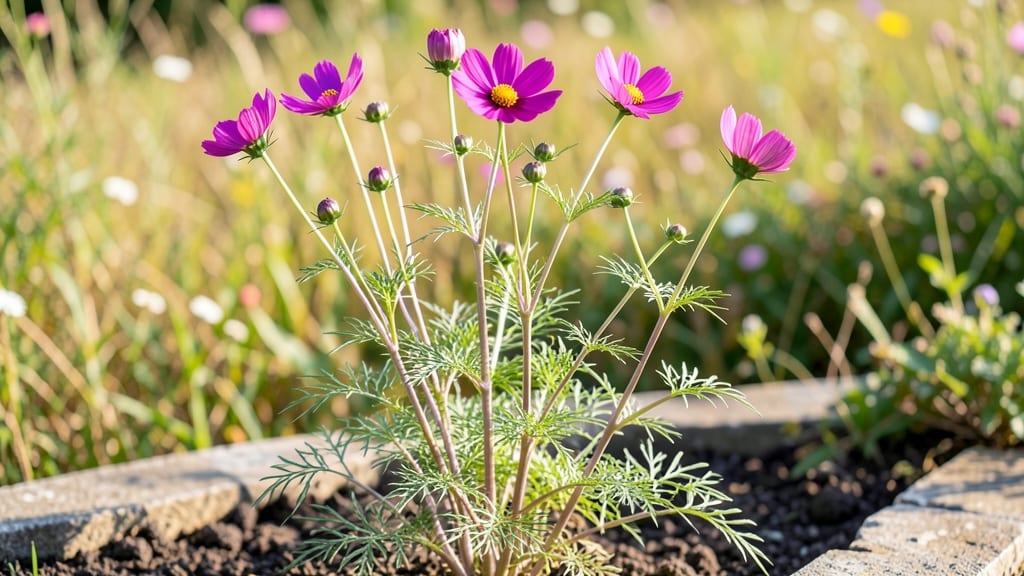
Growing cosmos flowers in the Pacific Northwest means you can finally have those frost-resistant blooms without worrying about summer heat stressing delicate plants. ✨ I’ve watched these airy, daisy-like flowers thrive in my Zone 8 garden even when temperatures dip unexpectedly—something my old heat-loving annuals never did.
The secret lies in their native resilience and how they adapt to cooler climates better than most gardeners realize.
You’ll need a sunny spot with at least 6 hours of light daily, well-draining soil, and minimal fussing—cosmos practically grow themselves once established. They’re the perfect choice for beginner gardeners or anyone tired of fussy flowers that demand constant attention.
My first year with cosmos proved they’re tougher than they look, handling light frosts and even reblooming after deadheading.
By midsummer, you’ll be surrounded by clouds of pink, white, or magenta blooms that attract pollinators like crazy. The plants stay compact, making them ideal for borders, cutting gardens, or even container pots on patios.
And because they self-seed so readily, you’ll have free plants next year—just let a few stalks go to seed and enjoy the show.
Whether you’re filling gaps in your garden or adding height to a summer border, cosmos deliver effortless beauty with almost no maintenance. Let’s get those seeds in the ground and watch them transform your space into a pollinator paradise!
📚 In This Guide
- What you need
- Instructions
- Tips and common mistakes
- Wrapping up and next steps
What you need
- ● Cosmos seeds: Choose frost-tolerant varieties like Cosmos bipinnatus or Cosmos sulphureus (1–2 seed packets, ~50–100 seeds).
- ● Seed-starting mix: Lightweight, sterile potting soil (1–2 small pots or seed trays).
- ○ Grow lights (optional but helpful): LED or fluorescent grow lights for indoor seedling stages (12–16 hours/day).
- ● Transplant containers: Biodegradable pots (2–3 inches wide) or peat pots (if starting early indoors).
- ● Well-draining garden soil: Amend with compost (1–2 bags) to improve fertility and drainage.
- ● Mulch: Straw or shredded leaves (1–2 cubic feet) to protect roots from late frosts.
- ● Hand trowel: For transplanting seedlings (1 small, lightweight trowel).
- ● Garden gloves: To protect hands from prickly stems (1 pair).
- ● Watering can or hose with gentle nozzle: Avoid disturbing seedlings (1–2 options).
- ● Pruning shears: For deadheading spent blooms (1 pair).
- ○ Stakes or cages (optional): Tall cosmos may need support (4–6 stakes or 1–2 cages per plant).
- ● Sunlight: Full sun (6+ hours/day) in a sheltered spot to avoid wind damage.
- ● Frost dates: Wait until after the last frost (typically late May–June in PNW) to plant outdoors.
- ● Watering routine: Keep soil consistently moist (not soggy) until established.
- ● Disease prevention: Avoid overhead watering to reduce fungal risks like powdery mildew.
Step-by-step instructions for growing Pacific Northwest cosmos
Here's how I grow hardy cosmos that thrive in our cool, damp climate—no fuss, just reliable blooms.
🌱 Step 1: Choose the Right Variety and Prepare the Soil
For the Pacific Northwest, select dwarf or semi-dwarf cosmos varieties like 'Sensation Mix' or 'Bright Lights'—they handle our cooler summers better than tall types. These varieties stay compact at 2-3 feet and bloom prolifically even in partial shade.
Test your soil pH first—cosmos prefer 6.0-7.0. If your soil is heavy clay (common in PNW), amend with 2-3 inches of compost mixed into the top 6 inches of soil. Cosmos hate soggy roots, so improve drainage by adding 1 part perlite or coarse sand to 3 parts native soil if your garden stays wet.
🌿 Step 2: Plant Seeds at the Right Time and Depth
Start seeds indoors 6-8 weeks before your last frost date—around mid-March for most of the PNW. Use small seed-starting trays with 1/4 inch deep cells. Press 2-3 seeds per cell just below the soil surface; they need light to germinate, so don't bury them deeply. Keep the soil consistently moist but not soggy.
Transplant seedlings outdoors 2-3 weeks after your last frost, when soil temperatures reach 50°F. Space dwarf varieties 12-18 inches apart and taller types 24 inches apart. Harden off seedlings by placing them outside for 2-3 hours daily the week before transplanting. You'll know they're ready when they look perky and green, not wilted.
☀️ Step 3: Provide Light and Water for Thriving Blooms
Cosmos need full sun to partial shade—at least 4-6 hours of direct sunlight daily. In the PNW, they'll tolerate morning sun and afternoon shade, especially in hotter inland areas. If you notice leaves yellowing between veins, that's a sign of too much shade; move plants to a sunnier spot.
Water deeply once a week during establishment, then reduce to every 10-14 days once roots are established. Cosmos are drought-tolerant once mature, but they'll bloom more prolifically with consistent moisture. Water at the base in the morning to prevent fungal issues—you'll see healthy, vibrant foliage when moisture is right.
✂️ Step 4: Prune and Deadhead for Long-Lasting Blooms
Pinch back the tips of young seedlings when they reach 6 inches tall to encourage bushier growth. This simple step prevents leggy stems and promotes more flowers. Once blooms appear, deadhead spent flowers by snipping stems just above a set of leaves. This redirects the plant's energy to producing more blooms instead of seed heads.
In the PNW, cosmos often self-seed readily. If you want to control where they grow, remove seed heads before they mature. For a second flush of blooms in fall, cut back plants by one-third after the first frost—this rejuvenates growth and often produces a fresh round of flowers before winter sets in.
Tips & tricks for perfect Pacific Northwest cosmos blooms
These pro tips will help you grow cosmos that thrive in our cool, damp climate—no matter how many times you've tried before.
Soil Preparation Secret: The 6.0-7.0 pH range is crucial, but don't stop at compost. Mix in 1/4 cup of bone meal per plant when transplanting—it provides phosphorus for strong root development and vibrant blooms. In heavy clay soils, create raised beds if possible; even a 6-inch elevation improves drainage and prevents soggy roots that cosmos despise.
Seed Starting Hack: Those 6-8 weeks before last frost can feel like forever, but don't rush! Use a heat mat set to 70°F to speed germination—seeds typically sprout in 7-14 days instead of the usual 2-3 weeks. Once seedlings have 2 true leaves, transplant them into individual pots to prevent root competition.
Light Management Strategy: The 4-6 hours of sunlight recommendation is flexible in the PNW. If your garden gets intense afternoon sun, provide afternoon shade during July and August to prevent leaf scorch. I've grown cosmos successfully with just morning sun—they'll be slightly shorter but still bloom beautifully.
Pruning Timing: The 6-inch pinch-back should happen when seedlings have 4-6 leaves total, not just height. This creates a stronger branching structure. For deadheading, I use clean, sharp scissors and cut at a 45-degree angle just above a leaf node—this encourages more lateral growth and prevents disease entry points.
Pro Tips for Cosmos Flower Plant
- These pro tips will help you grow cosmos that thrive in our cool, damp climate—no matter how many times you've tried before.
- Soil Preparation Secret: The 6.0-7.0 pH range is crucial, but don't stop at compost.
- Seed Starting Hack: Those 6-8 weeks before last frost can feel like forever, but don't rush!
Frequently asked questions
Got questions about growing cosmos flower plants in the Pacific Northwest? You’re in the right place! Here are some of the most common queries—plus quick, actionable answers to help your garden thrive.
Can cosmos flowers survive frost in the PNW?
Absolutely! Cosmos are cold-hardy annuals that tolerate light frosts (down to 20–25°F). In the PNW’s mild winters, they often reseed themselves for spring blooms. Just protect young seedlings with a light frost cloth if temps drop below freezing.
How long does it take for cosmos flowers to bloom after planting?
From seed, expect 60–70 days to first blooms under ideal conditions (full sun, well-draining soil). Transplanted seedlings may flower in 4–6 weeks. For faster results, opt for started plants in early spring!
Are cosmos flowers low-maintenance? What’s the biggest challenge?
Yes! They’re drought-tolerant and pest-resistant, but overwatering is their downfall. Let soil dry between waterings, and pinch back spent blooms to encourage continuous flowering. Pro tip: Deadhead regularly to prevent self-seeding where you don’t want it.
What’s the best companion plant for cosmos in the PNW garden?
Pair cosmos with dwarf marigolds (repels pests), basil (improves flavor if near herbs), or lupines (fixes nitrogen in soil). Avoid planting near mint or sage, as they compete for nutrients.
Do cosmos come back every year in the PNW?
Not exactly—they’re annuals, but they self-seed aggressively in mild climates like the PNW. If you love them, let a few flowers go to seed! For guaranteed returns, save seeds or replant yearly. Bonus: Their airy blooms attract pollinators all season.
Why aren’t my cosmos flowers opening?
Check these fixes:
- Not enough sun: Cosmos need 6+ hours of direct light daily.
- Overcrowding: Thin seedlings to 12–18 inches apart for airflow.
- Heat stress: In hot PNW summers, provide afternoon shade if wilting occurs.
Wrapping up and next steps
The cosmos flower plant is a stunning, low-maintenance addition to any Pacific Northwest garden, thriving even in cooler climates with its vibrant blooms and resilience. Whether you're drawn to their easy care, pollinator-friendly nature, or cheerful appearance, these frost-resistant beauties bring effortless charm to your outdoor space.
Ready to transform your garden? Start small—plant a few cosmos seeds or cuttings this season and watch your space bloom with color and life! 🌸 For even more gardening inspiration, explore our PNW-friendly plant guides.