
Aphids
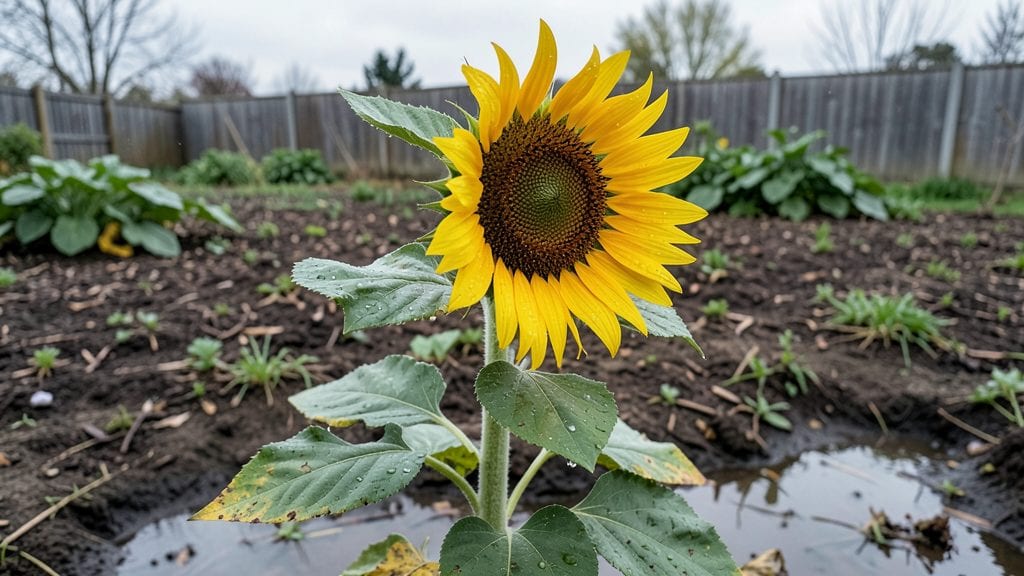
Sunflowers in the rain can turn from towering giants into floppy messes—unless you prune them the right way. 🌻 I’ve watched my Pacific Northwest sunflowers bend like noodles after heavy downpours, but a few strategic cuts keep them sturdy and aphid-free.
The key is removing weak stems early and reinforcing growth before the rain hits.
Start by thinning out crowded stems when plants are 12 inches tall—this improves airflow and drainage, cutting down on fungal risks. After storms, check for aphid clusters on new growth; a strong spray of water usually knocks them off, but severe infestations need neem oil.
The goal is to let your sunflowers recover without sacrificing their iconic height or beauty.
You’ll end up with sunflowers that bounce back from rain like they’re made of steel, not flimsy stems. They’ll stay upright, resist pests, and still reach their full potential—even in the damp Pacific Northwest climate. The pruning takes just 10 minutes every few weeks, but the payoff is worth it.
This method works for all sunflower varieties, from dwarf types to towering giants. Whether you’re growing in containers or garden beds, the same principles apply. Let’s get those sunflowers standing tall, no matter what the weather throws at them.
📚 In This Guide
- What you need
- Instructions
- Tips and common mistakes
- Wrapping up and next steps
What you need
- ● Bypass pruners: Sharp, clean pair (bypass blades are gentler on stems). Budget pick: Felco F-2 or Premium: Corona Premium.
- ● Hand pruners (for smaller stems): 1 pair with ergonomic grips (e.g., Fiskars Steel Pruners).
- ● Disposable gloves: 1–2 pairs (nitrile or latex-free for sensitive skin).
- ● Spray bottle (8 oz): For diluted soapy water or neem oil mix.
- ● Neem oil (100% cold-pressed): 16 oz bottle (organic, aphid-repellent).
- ● Castile soap (unscented): 1 bar or liquid (e.g., Dr. Bronner’s).
- ● Watering can or hose with nozzle: For rinsing plants post-pruning.
- ● Trash bag or bucket: For clippings (aphids can spread!).
- ● Horticultural oil: For stubborn aphid infestations (mix with water 1:1).
- ● Ladybugs or lacewing larvae: 50–100 (release in early morning for natural pest control).
- ● Pruning saw: If dealing with thick, woody sunflower stalks (rare but possible!).
- ● Notebook & pen: To track pruning dates and aphid activity.
- ● Rain cover or tarp: 4’x6’ sheet to protect plants during heavy rain post-pruning.
Step-by-Step guide to pruning sunflowers for aphid resistance in wet climates
Here's how to keep your sunflowers thriving in Pacific Northwest's damp conditions while preventing aphid outbreaks.
🌱 Step 1: Identify and Remove Infested Growth Early
Start by examining your sunflowers for aphid clusters, which appear as tiny green or black bugs on new growth or undersides of leaves. I check my plants every 3-4 days during rainy seasons—aphids multiply rapidly when humidity is high. Use a magnifying glass if needed; early detection is key to preventing spread.
Gently pinch off any leaves or stems showing aphids with your fingers. Don't crush them—aphids release a sticky substance that can attract more pests. Drop the infested parts directly into soapy water (not your compost) to kill the bugs immediately. This prevents them from crawling back onto healthy parts of your plant.
✂️ Step 2: Prune for Airflow and Disease Prevention
Use clean, sharp pruning shears to trim away any yellowed or diseased leaves, starting from the bottom of the plant and working upward. I make cuts at a 45-degree angle, about ¼ inch above a leaf node—this encourages new growth while reducing moisture retention on the stem.
Focus on removing crowded stems and leaves that block airflow. Sunflowers need good circulation to dry quickly after rain, which prevents fungal issues like powdery mildew. Space remaining stems at least 6 inches apart to allow maximum airflow. If your plants are too close together, consider thinning to 2-3 main stems per plant.
💧 Step 3: Water at the Base and Avoid Leaf Wetness
Water sunflowers directly at the soil base rather than overhead, especially after pruning. I use a watering wand with a gentle spray setting to deliver moisture to the roots without wetting the foliage. Wet leaves create perfect conditions for aphids and fungal spores to thrive.
Water in the early morning so leaves have plenty of time to dry before evening humidity sets in. If you must water after pruning, do it in the morning and ensure the plants have 4-6 hours of sunlight to dry completely. Never water late in the day—this is when most plant diseases take hold.
☀️ Step 4: Apply Preventative Sprays for Aphid Control
Mix a solution of 1 tablespoon mild liquid soap (like Castile soap) with 1 quart water in a spray bottle. Test this on a small leaf first—some sunflower varieties are sensitive to soaps. Spray the undersides of leaves and stems thoroughly, focusing on new growth where aphids love to hide.
Apply this spray every 7-10 days during rainy periods or whenever you notice aphid activity. The soap disrupts their waxy coating, causing them to dehydrate. For severe infestations, repeat applications every 3-4 days until the pests are gone. Always spray in the morning so the plants have time to dry before nightfall.
🪴 Step 5: Strengthen Plants Through Proper Fertilization
Use a balanced, water-soluble fertilizer (like 10-10-10) diluted to half-strength every 4-6 weeks during the growing season. I apply it directly to the soil, not the leaves, to avoid burning foliage. Healthy sunflowers with strong stems and leaves are far less attractive to aphids.
Add a handful of compost around the base of each plant to improve soil drainage and provide slow-release nutrients. Well-fed sunflowers grow faster and develop thicker leaves, which aphids find harder to penetrate. Avoid over-fertilizing—too much nitrogen leads to soft, tender growth that aphids adore.
Tips & tricks for perfect sunflower pruning in wet climates
A few strategic adjustments can make all the difference when keeping your sunflowers healthy in rainy conditions.
Timing Tip: The 3-4 day inspection schedule in Step 1 is perfect for catching aphids before they multiply. I've learned to set a reminder on my phone—aphids spread faster than you think in damp weather. Check undersides of leaves first; that's where they hide.
Pruning Precision: When making those 45-degree cuts in Step 2, use clean shears and wipe them with rubbing alcohol between cuts. This prevents spreading any hidden fungal spores. Also, leave the top few leaves intact—they help protect the growing tip from rain and cold.
Drying Strategy: The 4-6 hours of sunlight requirement in Step 3 is non-negotiable in rainy climates. If you must water in the afternoon, use a fan on low setting near the plants to help dry leaves faster. This mimics natural wind and prevents fungal growth.
Soap Solution: For the soap spray in Step 4, I add a few drops of neem oil to the mix—it enhances the aphid-killing properties. Just make sure to test on a small leaf first, as some sunflower varieties are sensitive. The soap disrupts their waxy coating, but neem oil adds an extra layer of protection.
Pro Tips for Sunflowers In The Rain
- A few strategic adjustments can make all the difference when keeping your sunflowers healthy in rainy conditions.
- Timing Tip: The 3-4 day inspection schedule in Step 1 is perfect for catching aphids before they multiply.
- Pruning Precision: When making those 45-degree cuts in Step 2, use clean shears and wipe them with rubbing alcohol between cuts.
Frequently asked questions
Got questions about keeping your sunflowers thriving even when the Pacific Northwest skies open up? We’ve got answers!
Here are some common concerns gardeners face when it comes to sunflowers in rainy weather—and how to tackle aphid-prone pruning like a pro.
Can sunflowers survive heavy rain in the PNW?
Sunflowers are tough and handle rain well, but excessive moisture can invite aphids and fungal issues. To prevent problems, ensure your soil drains well (amend with compost if needed) and prune lightly to improve airflow. Rain actually helps wash away early aphid colonies—just stay vigilant!
What’s the best time to prune sunflowers after rain?
Wait until the foliage is dry (usually 1–2 days post-rain) to prune. Early morning is ideal—cooler temps reduce stress on the plant. Focus on removing aphid-infested leaves (yellowed or curled) and deadheading spent blooms to redirect energy to growth. Pro tip: Use sterilized pruners to avoid spreading disease!
How do I tell if aphids are thriving in rainy weather?
Aphids love damp conditions! Watch for sticky residue (honeydew) on leaves, curled or blackened foliage, or tiny green/black clusters on stems. Rain can dilute natural predators (like ladybugs), so act fast: Spray with a soapy water mix (1 tsp mild soap per quart of water) or introduce beneficial insects.
Are there rain-resistant sunflower varieties for the PNW?
Yes! Opt for disease-resistant hybrids like ‘Autumn Beauty’ or ‘Moulin Rouge,’ which handle humidity better. Tall varieties (6–10 ft) also benefit from sturdier stems that resist wind/rain damage. For containers, choose ‘Teddy Bear’—its compact size drains water faster.
What if my sunflowers get too leggy after rain?
Leggy growth often happens due to overcast skies (less sunlight = weaker stems). Prune back 1/3 of the height to encourage bushier growth, but avoid cutting into the main stem. Bonus: Pinch off top buds early to promote multiple blooms—great for PNW’s shorter growing season!
| Quick Fix | When to Use |
|---|---|
| Neem oil spray | After rain, when aphids reappear |
| Mulch with straw | To prevent soil compaction and fungal spread |
| Stake tall varieties | Before heavy storms to avoid stem breakage |
Wrapping up and next steps
Sunflowers in the rain may seem vulnerable, but with the right pruning techniques, your Pacific Northwest garden can thrive—even when aphids strike! 🌧️🌻 By staying proactive, using natural remedies, and mastering strategic cuts, you’ll keep those golden blooms resilient and pest-free. Remember: consistency is key, and every small effort adds up to a lush, aphid-resistant garden.
Ready to put your new skills to work? Start by inspecting your sunflowers this week—look for early signs of trouble and act fast! Your garden (and future harvests) will thank you.