
Flowers
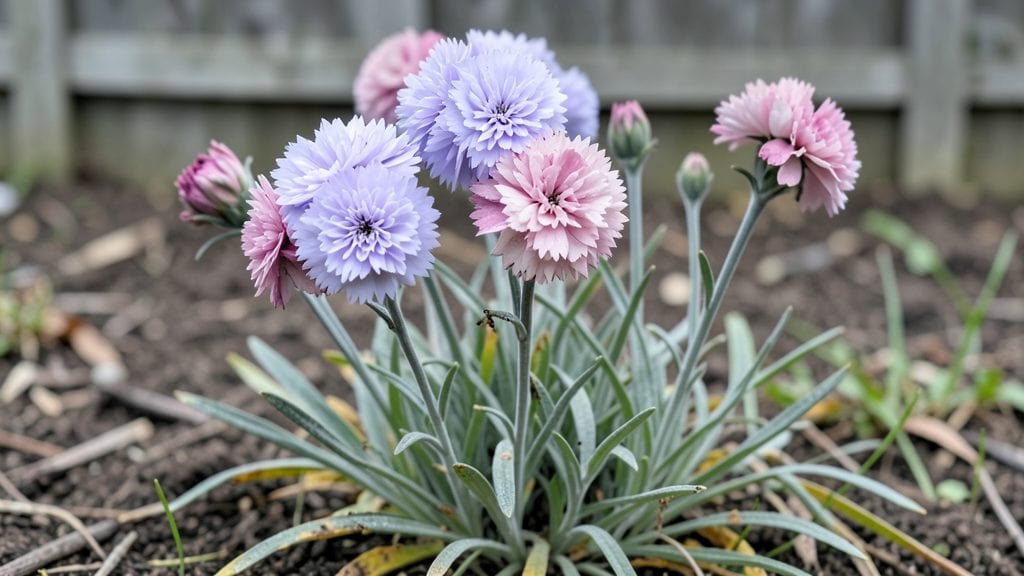
Creating a Pacific Northwest garden that bursts with super pretty flowers starts with the right mix of pollinator favorites and four-season bloomers. 🌸 The key? Layering plants that thrive in our damp, mild climate—think cloud-soft hydrangeas, velvety blackberries, and delicate native wildflowers that keep bees buzzing from spring to frost.
My go-to combo blends hydrangeas (for lush foliage and bold blooms), salvias (for hummingbirds), and heucheras (for year-round color). These plants handle our rain, shade, and cool nights while still putting on a show.
The secret is grouping them in odd-numbered clusters—three or five plants together creates that "wow" factor instantly.
By midsummer, your garden will hum with activity as bees, butterflies, and birds visit nonstop. The scent of lilacs in spring, roses in summer, and camellias in winter creates a sensory experience that makes neighbors stop and stare.
Plus, the pollinators will thank you with bountiful harvests if you grow veggies nearby.
This design works in sun or shade, for small balconies or large yards. The same principles apply whether you're filling containers or planting full beds—just adjust spacing and scale. Let's make your garden the envy of the neighborhood while doing good for local ecosystems.
📚 In This Guide
- What you need
- Instructions
- Tips and common mistakes
- Wrapping up and next steps
What you need
- ● Seeds or Plants: 10+ Eschscholzia californica (California Poppy) seeds or young plants
- ● 5 Lupinus polyphyllus (Lupine) plants (native perennial)
- ● 3 Achillea millefolium (Yarrow) plants (drought-tolerant)
- ● 2 Symphyotrichum subspicatum (Douglas Aster) plants
- ● 1 Penstemon serrulatus (Penstemon) plant (hummingbird favorite)
- ● Soil: 2 cubic yards of well-draining, native-friendly soil mix (amend with compost if needed)
- ○ Optional: 5 lbs of mycorrhizal fungi (boosts root health for natives)
- ● Watering Supplies: Garden hose with adjustable nozzle (or drip irrigation kit for efficiency)
- ● Watering can (for delicate seedlings, 1-2 gallons)
- ● Trowel or hand shovel (for planting)
- ● Pruners (bypass pruners for clean cuts)
- ● Garden gloves (to protect hands from thorns or soil)
- ● Measuring tape (for spacing plants 12–36" apart)
- ● Mulch (2–3 inches of wood chips or straw to retain moisture)
- ○ Optional but Helpful: Pollinator hotel (for solitary bees 🐝)
- ● Stakes or rings (to support taller plants like Lupine)
- ● Plant markers (to label varieties)
- ● Sunlight: 6+ hours of direct sun daily (most PNW natives thrive in full sun)
- ● Location: Choose a spot with good air circulation to prevent fungal issues
- ● Knowledge: Research local planting zones (USDA 7–9) and frost dates
- ● Patience: Some natives (like Lupine) take 2–3 years to fully bloom!
Step-by-Step instructions for designing a Pacific Northwest pollinator garden
Let’s create a vibrant, low-maintenance garden that thrives in our rainy climate while keeping pollinators buzzing year-round.
🌿 Step 1: Select Drought-Tolerant, Year-Round Bloomers
Choose native and adapted plants that provide continuous nectar and pollen from early spring through late fall. For the Pacific Northwest, shrubby cinquefoil (Potentilla fruticosa) and red flowering currant (Ribes sanguineum) deliver bright blooms from February to May, while beebalm (Monarda) and purple coneflower (Echinacea) take over in summer and fall. Add winter aconite (Eranthis hyemalis) for early spring color before other plants wake up.
I always include three height tiers: low ground covers like creeping thyme (Thymus serpyllum), mid-height perennials like sage (Salvia nemorosa), and tall accents like Russian sage (Perovskia atriplicifolia). This creates visual interest and ensures pollinators find forage at every level. Avoid non-native invasives—they disrupt local ecosystems and often fail in our climate.
☀️ Step 2: Plan for Sun Exposure and Moisture
Most pollinator plants need full sun (6+ hours daily), but the Pacific Northwest’s partial shade is common. Russian sage, lavender, and sedum thrive in morning sun and afternoon shade, while bee balm and coneflower prefer full sun. If your site has afternoon shade, opt for foxglove (Digitalis) or columbine (Aquilegia), which tolerate dappled light.
Since our summers are dry, mulch heavily with 3-4 inches of wood chips to retain moisture and suppress weeds. I always water deeply once a week (or more in heatwaves) to encourage deep root growth. Drip irrigation is ideal—it delivers water directly to roots without wetting foliage, reducing fungal risks.
🪴 Step 3: Prepare Soil and Plant Strategically
Amend native soil with compost to improve drainage and fertility, but avoid heavy amendments like peat moss—they can compact and suffocate roots. For containers, use a well-draining potting mix with 20% perlite to prevent soggy roots. Plant 3-4 feet apart to allow airflow and reduce disease pressure.
Group plants by bloom time to ensure continuous color and nectar. For example, place winter aconite in early spring spots, beebalm in summer clusters, and sedum for late-season interest. Include host plants like milkweed (Asclepias) for monarchs and willow (Salix) for native bees. A small water feature—even a shallow dish—attracts butterflies and hummingbirds.
✂️ Step 4: Maintain with Minimal Effort
Deadhead spent blooms on annuals like cosmos and zinnias to encourage reblooming, but leave seed heads on perennials like coneflower and goldenrod—they provide winter food for birds and spring forage for emerging pollinators. Prune late winter (February-March) to remove dead growth and shape shrubs like red currant and cinquefoil.
Fertilize lightly in early spring with a balanced organic fertilizer (10-10-10), but avoid high-nitrogen feeds—they promote leafy growth at the expense of flowers. Instead, side-dress with compost in spring and fall to feed roots gradually. Watch for aphids on new growth—spray with neem oil if needed, but prioritize beneficial insects like ladybugs to control pests naturally.
💧 Step 5: Extend the Season with Seasonal Additions
For early spring, add crocuses (Crocus) and heather (Calluna)—they bloom when little else is available. In late fall, sedum (Hylotelephium) and asters (Symphyotrichum) provide critical nectar before winter sets in. I also include evergreen shrubs like Oregon grape (Mahonia) for year-round structure and winter interest.
Leave some bare soil or bare stems—native bees like mason bees nest in untreated wood and stem cavities. Install a small bee house if your garden lacks natural nesting sites. Avoid pesticides entirely; even "organic" sprays can harm pollinators. Instead, handpick pests or use physical barriers like row covers for vegetables.
Tips & tricks for Pacific Northwest pollinator gardens
Creating a thriving pollinator garden in the Pacific Northwest takes a few strategic moves that make all the difference between a pretty patch and a true buzzing ecosystem.
Layering for Pollinator Success: In Step 1, when selecting your three height tiers, think about how pollinators forage. The low creeping thyme provides early-season ground cover for tiny bees, while the mid-height sage offers mid-summer nectar, and the tall Russian sage becomes a late-season landing pad for migrating butterflies. I've found that adding 2-3 feet of vertical space between tiers creates perfect landing platforms at different heights, which is especially important for bumblebees with short tongues.
Soil Prep Secret: When amending native soil in Step 3, focus on creating a spongy texture rather than rich fertility. Mix in composted leaf mold (available at local nurseries) instead of traditional compost—it mimics our natural forest floors and improves water retention without compacting. For containers, I swear by adding orchid bark to the potting mix for extra drainage, since our rainy winters can lead to root rot if containers stay too wet.
Watering Wisdom: The once-a-week deep watering in Step 2 is crucial, but timing matters just as much. Water in the early morning to allow foliage to dry before evening, which prevents fungal diseases like powdery mildew that thrive in our damp climate. I also recommend using drip irrigation on a timer—it delivers consistent moisture without wetting leaves, and you can set it to run for 15-20 minutes every 3 days during heatwaves to prevent stress on newly planted perennials.
Seasonal Transition Strategy: For that continuous bloom promise in Step 1, I've developed a simple rotation system: Plant winter aconite and crocuses in early spring clusters, then intersperse them with beebalm and coneflower as they fade. The key is to have at least 3 plants in each bloom category so you always have something in flower. In fall, I leave the sedum and asters seed heads standing—they provide critical winter forage for bees emerging from hibernation in spring.
Pro Tips for Super Pretty Flowers
- Creating a thriving pollinator garden in the Pacific Northwest takes a few strategic moves that make all the difference between a pretty patch and a true buzzing ecosystem.
- Layering for Pollinator Success: In Step 1, when selecting your three height tiers, think about how pollinators forage.
- Soil Prep Secret: When amending native soil in Step 3, focus on creating a spongy texture rather than rich fertility.
Frequently asked questions
Got questions about growing super pretty flowers in the Pacific Northwest? You’re not alone! Here are some of the most common queries—and answers—to help you create a pollinator paradise with year-round blooms.
Which flowers thrive year-round in the PNW’s rainy climate?
The Pacific Northwest’s mild, wet winters and cool summers make Heuchera (coral bells), Helleborus (Lenten rose), Camassia (wild hyacinth), and Lavandula (lavender) standout picks. For super pretty flowers that keep blooming, pair them with Sedum (stonecrop) and Echinacea (coneflower) for late-summer pops of color.
When is the best time to plant these flowers for continuous blooms?
For super pretty flowers that dazzle all year, start planting perennials in early spring (March–April) or fall (September–October). Annuals like Zinnia or Cosmos can be sown directly in late spring (May–June) after the last frost. Succession planting every 4–6 weeks ensures nonstop color!
How do I attract more pollinators to my garden?
Pollinators love super pretty flowers with native plants like Penstemon (beardtongue) and Achillea (yarrow). Add a shallow water source (a saucer with pebbles works!) and avoid pesticides. Cluster flowers in groups of 3+ for easy navigation—bonus points for blue, purple, and yellow blooms!
Do these flowers need extra care in the PNW’s wet conditions?
Most super pretty flowers handle rain well, but avoid soggy soil by amending beds with compost and ensuring good drainage. Lavender and Sedum hate wet feet—plant them on slopes or raised beds. Mulch with bark or straw to protect roots and reduce fungal issues.
What’s a low-maintenance alternative to high-fuss blooms?
If you want super pretty flowers with zero drama, try Dianthus (pinks), Catmint (Nepeta), or Russian Sage. These drought-tolerant beauties thrive in the PNW with minimal deadheading and bloom repeatedly—perfect for busy gardeners!
Wrapping up and next steps
Transforming your space into a super pretty flowers haven is easier—and more rewarding—than you think! 🌸 The Pacific Northwest’s pollinator-friendly blooms aren’t just stunning; they’re a lifeline for bees, butterflies, and hummingbirds while keeping your garden vibrant year-round.
Whether you’re a seasoned gardener or just starting, every petal you plant makes a difference.
Ready to take the next step? Start small—pick one or two of these easy-care flowers and watch your garden (and local pollinators) thrive! 🐝 For extra inspiration, sketch a simple layout or snap photos of your progress. Happy gardening!