
Flowers
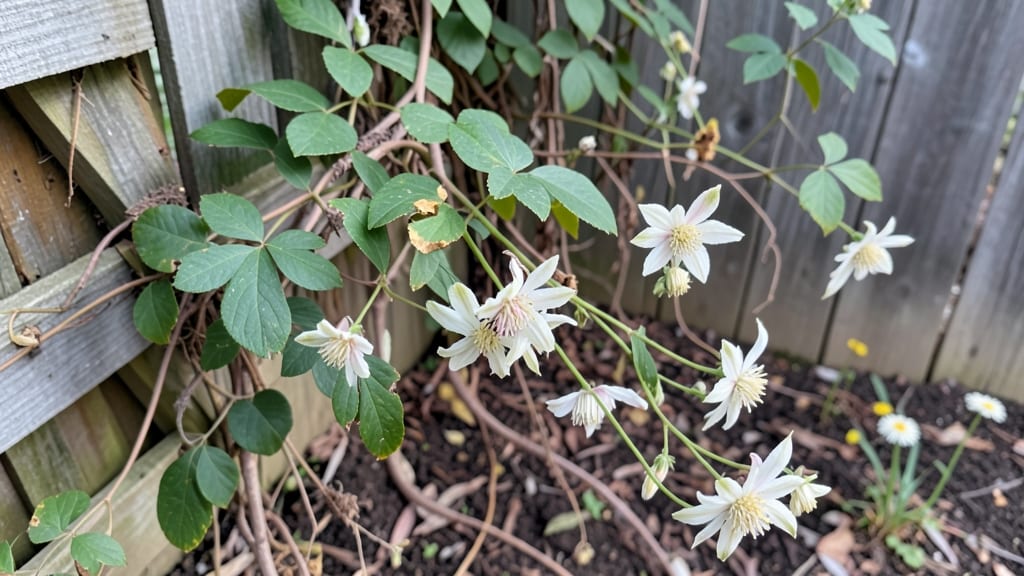
The delicate sweet autumn clematis flower turns your garden into a hummingbird buffet—fragrant, prolific, and nearly pruning-free once established. 🌿 I planted mine last October, and by late summer, the vines were already heavy with tiny white blossoms. that smell like cinnamon.
This isn’t your fussy, high-maintenance climber—it thrives in shade, handles drought, and keeps blooming until frost.
The secret to its success lies in three simple needs: partial shade, well-draining soil, and a sturdy trellis or fence to climb. Unlike finicky clematis varieties, this one tolerates poorer soil and even urban conditions—perfect for busy gardeners.
Plant it in early spring or fall, and within a year, you’ll have a vine that hummingbirds can’t resist.
By late summer, your garden will be alive with the sweet scent of blooms and the constant hum of hummingbirds sipping nectar. The vines stay green through winter in most zones, providing year-round interest. Pruning? Just a light trim in late winter to shape it—no brutal cuts required.
Works beautifully on arbors, fences, or even sprawling over shrubs. Here’s how to get started without the fuss—your garden (and the hummingbirds) will thank you.
📚 In This Guide
- What you need
- Instructions
- Tips and common mistakes
- Wrapping up and next steps
What you need
- ● Sweet Autumn Clematis: 1-2 mature plants (Zone 4-9 hardiness), or
- ● Seeds (if starting from scratch—germination can be finicky!)
- ● Well-draining soil: Mix of garden soil, compost (20-30%), and perlite/sand (10-15%) for optimal aeration.
- ● Support structure: Trellis (6-8 ft tall) or
- ● Arbor, fence, or sturdy wire mesh (galvanized for longevity).
- ● Organic mulch: 2-3 inches of wood chips, straw, or shredded leaves to retain moisture.
- ● Garden tools: Trowel or spade
- ● Pruning shears (sterilized!) —critical for shaping and disease prevention
- ● Gloves (gardening or heavy-duty)
- ● Fertilizer: Balanced 10-10-10 NPK or slow-release rose/flower fertilizer (apply in early spring).
- ● Watering can or hose: With a gentle spray nozzle (avoid blasting roots).
- ○ Optional (but helpful!): Hummingbird feeder (to attract pollinators while waiting for flowers!)
- ● Soil pH test kit (aim for 6.0-7.0)
- ● Epsom salt (for magnesium boosts, 1 tbsp per gallon of water every 4-6 weeks).
Step-by-Step instructions for planting and caring for sweet autumn clematis
Here's how to establish this fragrant, hummingbird-magnet vine with confidence—no green thumb required.
🌱 Step 1: Choose the Perfect Planting Site
Sweet autumn clematis thrives in full sun to partial shade, with at least 6 hours of direct sunlight daily. I always plant mine where the morning sun warms the roots but afternoon shade prevents wilting. The key is well-draining soil—this vine despises soggy feet.
Dig a hole twice as wide as the root ball but only as deep. The crown (where roots meet stems) should sit 2-3 inches below soil level. If your soil is heavy clay, mix in 2-3 inches of compost to improve drainage. You'll know you've got it right when the soil feels loose and crumbly like cake batter.
🪴 Step 2: Plant with Proper Support Structure
This vigorous climber needs sturdy support from day one. I install a 5-6 foot trellis or arbor at planting time—waiting leads to tangled, unruly growth. Drive posts 18-24 inches deep for stability, then attach horizontal wires or a lattice grid where vines can cling naturally.
Position the trellis within 12 inches of the planting hole so the vine can reach immediately. Backfill the hole while gently pressing soil around roots to eliminate air pockets. Water deeply to settle everything, then mulch with 2-3 inches of organic mulch (like shredded bark) to conserve moisture and regulate soil temperature.
☀️ Step 3: Water and Fertilize for First-Year Establishment
Keep soil consistently moist (not soggy) for the first 6-8 weeks—this is when roots establish. You'll know it's right when the top 2 inches of soil feel damp but not wet. After that, water 1-2 times weekly, increasing during dry spells.
Feed lightly in spring with a balanced 10-10-10 fertilizer (follow package rates), then switch to a low-phosphorus formula (like 10-6-8) once blooms appear. Too much phosphorus encourages foliage over flowers. I avoid fertilizing after mid-July to let the plant harden off for winter.
✂️ Step 4: Minimal Pruning for Year-Round Blooms
Sweet autumn clematis is one of the few clematis varieties that blooms on both old and new wood, so pruning is gentle. In late winter or early spring, remove only dead or crossing stems. Never cut back more than 1/3 of the plant—this variety relies on last year's growth for its signature autumn fragrance.
After blooming, trim only to maintain shape and remove spent flowers. I use clean, sharp pruners to make 45-degree cuts just above a leaf node. This encourages bushier growth while preserving the vine's natural habit. The result? A hummingbird magnet from late summer through fall with minimal effort.
🌿 Step 5: Winter Protection for Cold Climates
In zones colder than USDA Zone 5, protect the base with 4-6 inches of mulch after the first frost. I wrap the crown with burlap or frost cloth for extra insulation, but leave the top of the plant exposed—this prevents rot while shielding tender roots.
Sweet autumn clematis is surprisingly hardy once established, but young plants benefit from a lightweight row cover during extreme cold snaps. Remove protective materials in early spring as new growth appears. You'll see fresh shoots emerging by mid-April in most regions, signaling it's time to resume regular care.
Tips & tricks for perfect sweet autumn clematis planting
A few simple tricks will help you establish this fragrant vine with confidence—and avoid the common pitfalls that frustrate new gardeners.
Soil Test First: Before planting, test your soil's pH—sweet autumn clematis prefers slightly acidic to neutral soil (6.0-7.0). If your soil is heavy clay, mix in 2-3 inches of compost (as mentioned in Step 1) AND consider adding perlite or coarse sand to improve drainage. I've seen soggy soil ruin even healthy plants within weeks, so don't skip this step. The loose, crumbly texture you're aiming for should feel like damp potting soil when squeezed.
Trellis Timing Secret: Install your 5-6 foot trellis during planting (Step 2), but here's the pro move: position it slightly to one side of the planting hole rather than directly behind. This gives the vine a natural direction to grow toward sunlight, preventing that awkward "spiral" pattern some plants develop. You'll notice the difference in just a few weeks—straighter growth means less tangled maintenance later.
Watering Technique: The 6-8 week root establishment period (Step 3) is critical, but timing matters just as much as quantity. Water deeply in the morning so foliage has all day to dry—this prevents fungal diseases that thrive in damp leaves. I use a soaker hose for 20 minutes daily during this period, which delivers consistent moisture without wetting the leaves. The top 2 inches of soil should feel like a wrung-out sponge, not a swamp.
Fertilizer Timing: When switching to the low-phosphorus 10-6-8 formula after blooms appear (Step 3), here's what nobody tells you: apply it in the morning when temperatures are cooler. This prevents fertilizer burn on new growth, which can happen when hot afternoon sun meets fresh fertilizer. I also mix it into the top inch of soil rather than broadcasting—this gives roots gradual access to nutrients without shocking the plant.
Pro Tips for Sweet Autumn Clematis Flower
- A few simple tricks will help you establish this fragrant vine with confidence—and avoid the common pitfalls that frustrate new gardeners.
- Soil Test First: Before planting, test your soil's pH—sweet autumn clematis prefers slightly acidic to neutral soil (6.0-7.0).
- Trellis Timing Secret: Install your 5-6 foot trellis during planting (Step 2), but here's the pro move: position it slightly to one side of the planting hole rather than directly behind.
Frequently asked questions
Got questions about nurturing your Sweet Autumn Clematis? You’re not alone! This hardy, hummingbird-loved vine has a few quirks, but with the right care, it’ll reward you with stunning blooms year after year. Here are some of the most common questions—and answers—to help you grow with confidence.
How often should I prune Sweet Autumn Clematis?
Prune once a year, ideally in late winter or early spring (before new growth starts). Cut back 1/3 of the plant to encourage bushier growth and more flowers. Avoid heavy pruning in fall—this vine blooms on old and new wood, so don’t trim back too aggressively!
When does Sweet Autumn Clematis bloom, and how long do the flowers last?
This clematis lives up to its name! It blooms late summer to frost (August–October), with fragrant, star-shaped white flowers that attract hummingbirds. Each bloom lasts 3–5 days, but new flowers open continuously, creating a month-long show.
Why aren’t my Sweet Autumn Clematis flowers opening?
Several factors could be at play:
- Too much shade: Clematis needs 6+ hours of sun daily.
- Over-fertilizing with nitrogen: This promotes leafy growth but fewer flowers. Use a low-nitrogen, high-phosphorus fertilizer instead.
- Lack of pruning: Without annual pruning, the plant gets wooden and leggy, reducing blooms.
- Pests or disease: Check for clematis wilt or aphids—treat with neem oil if needed.
Is Sweet Autumn Clematis cold-hardy? What about heat?
Yes! This variety thrives in USDA Zones 4–9, making it one of the toughest clematis types. It handles freezing temps (down to -30°F) and hot summers with ease—just ensure it gets consistent moisture during droughts. Mulch in winter for extra protection.
Can I grow Sweet Autumn Clematis in a container? What’s the best alternative if I rent?
While possible, it’s challenging due to its vigorous growth. If container-growing, use a large pot (20+ gallons) with well-draining soil and a trellis. For renters, consider these low-maintenance alternatives:
- Honeysuckle (fragrant, hummingbird-friendly, fast-growing)
- Coral Honeysuckle (drought-tolerant, bright red blooms)
- Passionflower (exotic flowers, thrives in partial shade)
Why do hummingbirds love Sweet Autumn Clematis so much?
Hummingbirds adore this vine because:
- High nectar content: The flowers produce plenty of sweet nectar—a hummingbird’s favorite snack!
- Long bloom season: Unlike many flowers that fade quickly, Sweet Autumn Clematis offers nonstop fuel from late summer to frost.
- Easy access: Its open, tubular shape makes it simple for tiny beaks to sip.
Wrapping up and next steps
The Sweet Autumn Clematis isn’t just a stunning addition to your garden—it’s a hummingbird magnet that rewards you with minimal effort! With its fragrant blooms, fast growth, and adaptability, this vine turns even the simplest space into a thriving haven.
Whether you’re a seasoned gardener or a beginner, its low-maintenance charm makes it a must-have for year-round beauty.
Ready to transform your outdoor space? Start small—plant a single vine, observe its progress, and let its magic unfold. Before you know it, you’ll have a buzzing, blooming paradise that keeps both you and your feathered friends delighted! 🌸🐝