Flowers
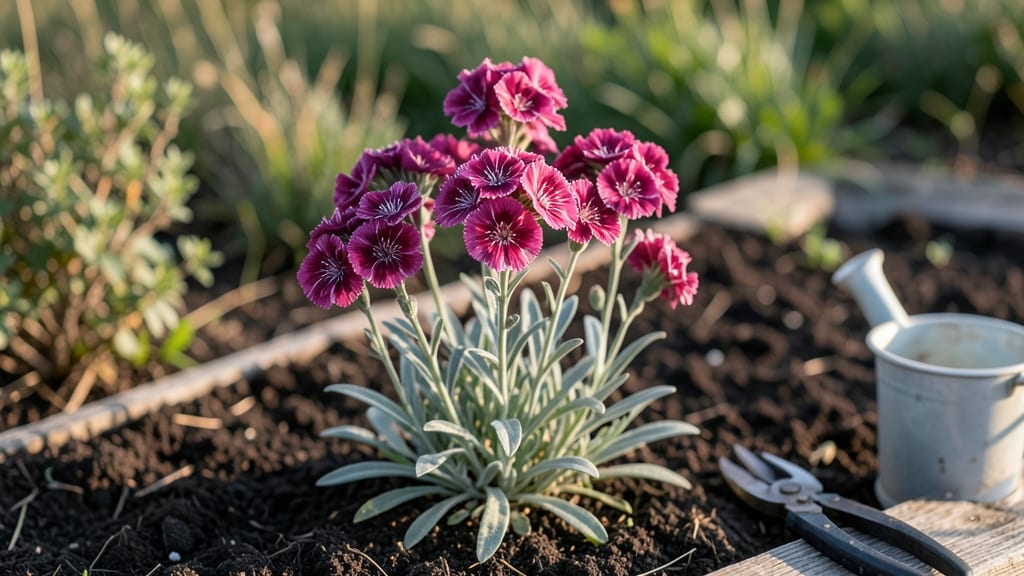
Sweet William (Dianthus barbatus) delivers vibrant, fragrant clusters that turn any Pacific Northwest garden into a cut-flower paradise—especially when you grow them right. 🌸 I learned the hard way that these cheerful blooms need cool evenings and well-drained soil to thrive, but once you nail those basics, they reward you with weeks of fresh-cut stems that last in vases longer than most flowers.
The secret starts with partial shade—morning sun and afternoon shelter from the PNW’s damp afternoons—and soil that drains like a sponge. Too much moisture? Root rot sets in fast. Too little? Flowers get leggy and sparse.
I’ve found that mixing compost into native soil gives them the perfect balance, and a light feeding every 4-6 weeks keeps blooms coming until frost. Pruning spent clusters encourages more flowers, and the scent? Pure garden magic.
You’ll harvest bold, long-lasting stems that hold their color in arrangements for nearly two weeks—ideal for weddings, centerpieces, or just brightening up your kitchen. The clusters even attract pollinators, so your garden gets a double benefit.
Once established, they self-seed, meaning more flowers year after year with almost no effort. The only catch? Deadhead regularly to prevent seed pods from forming too soon.
Pair them with snapdragons, sweet peas, or lavender for a PNW-friendly cut-flower border that keeps giving. And if you’re worried about slugs (a PNW staple), a thin layer of diatomaceous earth around plants keeps them at bay without chemicals.
Ready to grow your own fragrant, long-lasting clusters? Let’s get those seeds in the ground.
📚 In This Guide
- What you need
- Instructions
- Tips and common mistakes
- Wrapping up and next steps
What you need
- ● Sweet William Seeds or Plants: Seeds: 50–100 seeds (depending on desired cluster size; varieties like ‘Salmon Beauty’ or ‘White Queen’ are PNW-friendly).
- ● OR Nursery plants: 3–5 mature plants (6–12 inches tall, with healthy foliage).
- ● Soil: Well-draining, loamy soil (amend with compost for richer blooms).
- ● pH: 6.0–7.0 (test kit recommended for PNW’s acidic soils).
- ● Sunlight: Full sun (6+ hours/day) or partial shade (morning sun + afternoon shade for hotter PNW summers).
- ● Watering: Drip irrigation or soaker hose (consistent moisture; 1–1.5 inches/week).
- ● Water at base of plants (avoid wetting foliage to prevent mildew).
- ● Fertilizer: Balanced 10-10-10 or 5-10-10 fertilizer (apply at planting and mid-season).
- ● Organic option: Fish emulsion or compost tea (every 4–6 weeks).
- ● Required: Hand trowel or transplanting spade.
- ● Pruning shears (sharp, bypass-style for clean cuts).
- ● Garden gloves (to protect from thorns on some varieties).
- ● Stakes or cages (for tall varieties like ‘Applause’, which can reach 24+ inches).
- ○ Optional (but helpful!): Flower food packets (for extending vase life of cut stems).
- ● Mulch (2–3 inches of straw or wood chips to retain moisture).
- ● pH testing kit (to monitor soil acidity).
- ● Vase or bouquet-making supplies (if harvesting for arrangements).
Step-by-step guide to growing Sweet William cut flowers
Sweet Williams deliver vibrant clusters that bring bold color to bouquets—here's how to coax their best performance in your garden.
🌱 Step 1: Select and Prepare Planting Sites
Choose a location with full sun to part shade (at least 6 hours of sunlight daily) and well-draining soil—Sweet Williams tolerate the Pacific Northwest's mild summers but need good air circulation to prevent fungal issues. I always test soil pH first (aim for 6.0-7.0) and amend with compost if needed. The reason? Sweet Williams thrive in fertile, slightly acidic conditions that mimic their native European meadows.
Dig in 2-3 inches of compost into the top 6 inches of soil before planting. This ensures nutrients are available early in the season when roots establish. For containers, use a lightweight potting mix with added perlite to prevent compaction. I swear by mixing in 1 cup of bone meal per plant at planting time—it gives them a phosphorus boost for strong root development.
☀️ Step 2: Plant at the Right Time and Spacing
Plant bare-root Sweet William crowns in early spring (March-April) or early fall (September-October) to avoid summer heat stress. Space plants 12-18 inches apart in rows 18-24 inches apart—this spacing prevents overcrowding and improves air flow, which is critical for disease prevention. Dig a hole just deep enough to cover the crown (where roots meet stems) with 1 inch of soil—burying too deep causes rot.
Water deeply immediately after planting to settle the soil around roots. Here's the thing—I always mulch with 2-3 inches of shredded bark to retain moisture and suppress weeds. The mulch should never touch the stems directly, though. Keep soil consistently moist (not soggy) for the first 4-6 weeks until new growth appears. You'll know you've got it right when you see bright green leaves emerging within 2-3 weeks.
💧 Step 3: Maintain Through the Growing Season
Sweet Williams need regular watering—about 1 inch per week—especially during the Pacific Northwest's dry summers. I water at the base in the early morning to reduce fungal risks. Fertilize lightly with a balanced 10-10-10 formula every 4-6 weeks starting in early spring. Too much nitrogen makes them leafy but weak-stemmed, which causes flopping clusters.
Deadhead spent blooms immediately to encourage continuous flowering. I always snip off faded clusters with clean pruners just above a set of leaves. This prevents seed formation and redirects energy into new blooms. For cut flowers, harvest stems when buds are just beginning to open—this ensures 5-7 days of vase life. Cut stems at a 45-degree angle and place them in lukewarm water immediately to prevent air blockages.
✂️ Step 4: Prepare for Winter and Next Season
Sweet Williams are perennial in USDA zones 3-8, but they benefit from winter protection in colder Pacific Northwest winters. After the first frost, cut back foliage to 2-3 inches above ground and apply a 4-inch layer of straw mulch. This insulates roots and prevents heaving. In early spring, remove the mulch and fertilize lightly with compost tea to wake up the plants.
Divide clumps every 3-4 years in early spring to maintain vigor. Dig up the entire plant, separate the crowns with a sharp knife, and replant immediately. I always water thoroughly after dividing—this helps stressed roots recover faster. Real talk: Sweet Williams multiply quickly, so division keeps them from becoming overcrowded and producing fewer blooms.
Tips & tricks for growing Sweet William cut flowers
A few key insights that'll help your Sweet Williams thrive and produce those stunning cut flower clusters.
Soil Preparation Secret: The 6 hours of sunlight daily is non-negotiable, but what happens in the soil is just as critical. I've found that mixing in 1 cup of bone meal per plant at planting time gives them a phosphorus boost that translates directly to stronger root development. This is especially important in the Pacific Northwest's acidic soils—aim for that 6.0-7.0 pH range and amend with compost if needed. The difference between mediocre and spectacular Sweet Williams often comes down to this soil prep step.
Planting Depth Technique: When you're planting those bare-root crowns, remember the crown (where roots meet stems) should be covered with just 1 inch of soil. Burying too deep causes rot, while planting too shallow exposes the crown to temperature fluctuations. I always make sure the soil settles naturally after planting—give it a good watering to help that happen. The first 2-3 weeks are critical for root establishment, so keep that soil consistently moist but never soggy.
Watering Wisdom: The 1 inch per week guideline is perfect for our Pacific Northwest climate, but timing matters just as much as quantity. Always water at the base in the early morning—this prevents fungal issues that can plague Sweet Williams, especially in our damp summers. I've seen plants develop powdery mildew when watered from above or in the evening. For container-grown Sweet Williams, check soil moisture daily during heatwaves—they dry out faster in pots.
Harvesting Hack: For those long-lasting cut flower stems, harvest when buds are just beginning to open. This ensures 5-7 days of vase life, which is why I always cut stems at a 45-degree angle and place them immediately in lukewarm water. The angle increases water absorption, while the warm water helps open those buds faster. Pro tip: Change the water every 2 days and trim stems again at an angle to extend their freshness even longer.
Pro Tips for Sweet William Cut Flower
- A few key insights that'll help your Sweet Williams thrive and produce those stunning cut flower clusters.
- Soil Preparation Secret: The 6 hours of sunlight daily is non-negotiable, but what happens in the soil is just as critical.
- Planting Depth Technique: When you're planting those bare-root crowns, remember the crown (where roots meet stems) should be covered with just 1 inch of soil.
Frequently asked questions
Got questions about growing and caring for Sweet William cut flowers? Here are some of the most common ones—plus quick, practical answers to keep your blooms thriving!
How long do Sweet William flowers last when cut?
With proper care, Sweet William cut flowers typically last 7–10 days in a vase. To extend their life, trim stems at an angle, change the water every 2–3 days, and remove wilted blooms. A flower food packet can also help preserve their vibrant colors!
When is the best time to harvest Sweet William for cutting?
Harvest when 1–3 blooms per stem are fully open, but most buds are still closed. Early morning is ideal—stems are hydrated, and flowers will last longer. Avoid cutting on hot days, as stress can shorten vase life.
Can Sweet William grow in partial shade?
Yes! While they prefer full sun (6+ hours/day), Sweet William tolerates partial shade, especially in hotter climates like the PNW. In shadier spots, expect slightly fewer blooms, but they’ll still thrive with well-draining soil and consistent moisture.
Why are my Sweet William leaves turning yellow?
Yellowing leaves often signal overwatering, poor drainage, or nutrient deficiency. Check soil moisture—let the top inch dry between waterings. If soil is soggy, improve drainage or repot. A balanced fertilizer (like 10-10-10) can also revive struggling plants.
What’s a good alternative if Sweet William doesn’t thrive in my garden?
Try Dianthus, Snapdragons, or Stock Flowers—they’re equally hardy, drought-tolerant, and perfect for PNW gardens. For bold clusters like Sweet William, Dianthus ‘Firewitch’ or Stock ‘Giant Chablis’ are fantastic substitutes!
Wrapping up and next steps
Sweet William cut flowers are a vibrant, low-maintenance addition to any Pacific Northwest garden, offering bold clusters that brighten bouquets and landscapes alike. Whether you're a seasoned gardener or just starting out, their hardy nature and striking blooms make them a must-have for adding color and charm. 🌸
Ready to bring these cheerful flowers into your space? Start by planting a few seeds or cuttings this season—your future arrangements (and pollinators!) will thank you. Happy gardening! 🌱