Flowers
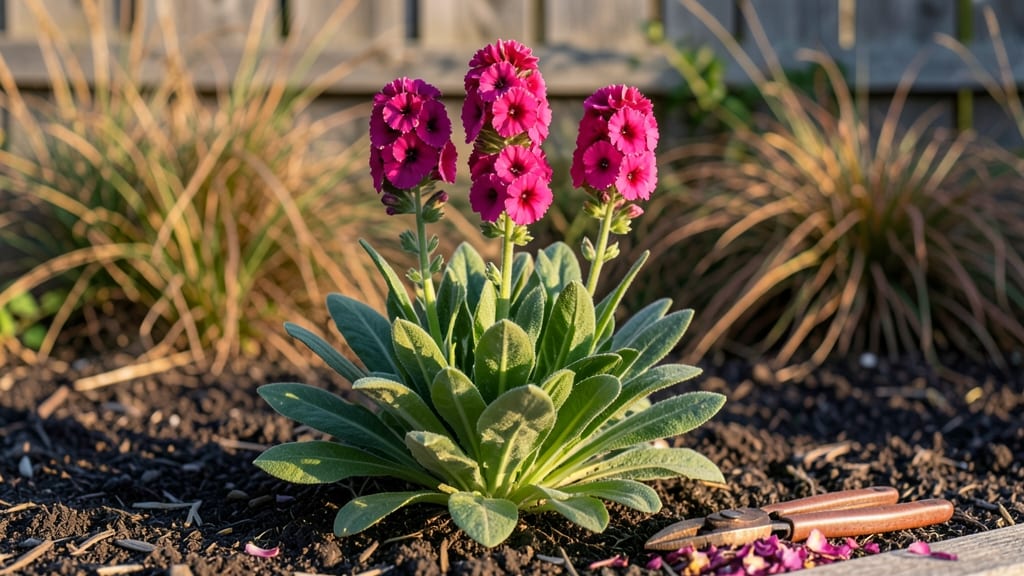
Growing Sweet William flowers means bursts of color in your garden by early summer—even when Pacific Northwest frosts linger. I’ve grown them for years, and the key is starting seeds indoors 6-8 weeks before your last frost, then transplanting hardened-off seedlings into well-drained soil.
The payoff? Clusters of fragrant blooms that last for weeks and bounce back after pruning.
Sweet Williams thrive in full sun to partial shade, making them perfect for borders, containers, or cottage gardens. They’re tougher than they look—handling light frosts and poor soil—though they’ll reward you best with 6+ hours of sunlight daily.
The soil should drain well (amend heavy clay with compost), and mulching helps retain moisture without rotting roots. Pests are rare, but watch for slugs and aphids after rain.
Once planted, water consistently but avoid soggy soil—these flowers hate wet feet. Deadhead spent blooms to encourage more flowers, and cut back stems by half after the first flush of color fades.
With proper care, you’ll enjoy vibrant blooms from June through fall, and the plants often self-seed for next year’s garden. It’s that easy.
Bonus: Sweet Williams make stunning cut flowers, lasting up to a week in a vase. Try mixing varieties for a rainbow of colors—pinks, purples, whites, and even reds. The fragrance alone makes them worth growing. Ready to add some old-fashioned charm to your garden?
📚 In This Guide
- What you need
- Instructions
- Tips and common mistakes
- Wrapping up and next steps
What you need
- ● Sweet William seeds: 1 packet (50-100 seeds, depending on variety). Look for frost-resistant varieties like 'White Queen' or 'Red Velvet'.
- ● Seed-starting mix: 2-3 cups of sterile, well-draining potting soil (avoid garden soil—it’s too dense!).
- ● Containers: 2-3 small pots (3-4 inches deep) or a seed tray with individual cells.
- ● Watering can or spray bottle: A fine-mist spray works best for delicate seeds.
- ● Fertilizer: A balanced, water-soluble fertilizer (5-10-5 ratio) for seedlings.
- ● Garden soil: 1-2 bags of nutrient-rich, well-draining soil (amend with compost if your soil is heavy).
- ● Trowel or small shovel: For transplanting seedlings.
- ○ Gloves: Optional but helpful for handling soil and thorny stems.
- ● Plant labels: Wooden or biodegradable labels to track varieties.
- ● Row cover or frost cloth: Lightweight fabric to protect seedlings from late frosts (PNW-specific!).
- ● Pruning shears: For deadheading spent blooms and shaping plants.
- ● A sunny spot! Sweet Williams need 6+ hours of direct sunlight daily (partial shade works in hot afternoons).
- ● Patience for 60 days to bloom—start seeds indoors 8-10 weeks before the last frost date.
- ● Consistent moisture (keep soil damp but not soggy—these flowers hate soggy roots!).
- ● Mulch (straw or shredded leaves) to retain moisture and suppress weeds.
- ● Epsom salt (1 tbsp per gallon of water) for a magnesium boost if leaves look yellow.
- ● A trellis or stakes if your variety grows tall (some can reach 2 feet!).
- ● Companion plants like snapdragons or pansies to attract pollinators.
Step-by-Step instructions for cultivating Sweet William in the Pacific Northwest
Here's how to grow these charming, frost-tolerant blooms reliably in 60 days.
Choose the Right Location and Prepare the Soil
Sweet William thrives in partial shade to full sun, making it perfect for the Pacific Northwest's mix of sun and cloud cover. Pick a spot that gets at least 4-6 hours of sunlight daily, though they tolerate morning sun with afternoon shade. Avoid areas where water pools after rain—they hate soggy roots.
Loosen the soil to a depth of 12 inches with a garden fork or tiller. Sweet William prefers well-draining, slightly acidic soil with a pH between 6.0 and 7.0. Amend heavy clay soil with 2-3 inches of compost or aged manure to improve drainage and fertility. Work the amendments into the top 6 inches of soil, breaking up any large clumps.
Plant Seeds at the Correct Depth and Spacing
Sow seeds ¼ inch deep in early spring, about 6-8 weeks before your last frost date. For the Pacific Northwest, this typically means planting in late March or early April. Space seeds 12-18 inches apart in rows that are 18-24 inches apart—this gives them room to grow without overcrowding, which can lead to weak stems and fewer blooms.
Lightly cover the seeds with soil and water gently to settle the soil around them. Avoid washing seeds away with a strong stream. Once planted, keep the soil consistently moist but not waterlogged until germination. You should see seedlings emerge in 10-20 days, depending on soil temperature. If your spring is cool, germination may take longer.
Maintain Moisture and Fertility Through Growth
Water 1-2 inches per week, aiming for deep, infrequent watering rather than frequent shallow watering. This encourages strong root development. Water at the base of the plants in the morning to reduce evaporation and prevent fungal diseases. Sweet William is drought-tolerant once established, but consistent moisture during the first 6-8 weeks ensures robust growth.
Fertilize lightly when seedlings reach 3-4 inches tall with a balanced, slow-release fertilizer (10-10-10). Apply according to package instructions, typically every 4-6 weeks during the growing season. Avoid over-fertilizing, which can lead to excessive foliage at the expense of blooms. A light application of compost in early spring also provides nutrients without risk of burning tender roots.
Deadhead and Support for Long-Lasting Blooms
Once flowers begin to open, deadhead spent blooms regularly by pinching off faded flowers with your fingers or pruning shears. This encourages the plant to produce more blooms and extends the flowering season. You’ll notice new buds forming within 2-3 weeks of deadheading, signaling the plant is responding well.
Sweet William can grow 18-24 inches tall and may need staking or support, especially in windy Pacific Northwest conditions. Install stakes or supports when plants reach 6-8 inches tall to prevent them from flopping over. Use soft ties or cloth strips to secure stems without damaging them. This keeps the flowers upright and makes harvesting easier.
Prepare for Winter and Next Season
Sweet William is frost-resistant and can survive mild winters in the Pacific Northwest, but a light mulch of 2-3 inches of straw or shredded leaves helps protect roots from freezing temperatures. Apply mulch after the first frost, once the ground is cold but before heavy freezes. Remove the mulch in early spring to allow soil to warm up and encourage new growth.
In late winter or early spring, divide clumps every 2-3 years to maintain vigor. Lift the plant, separate the roots into smaller sections with 3-4 stems each, and replant immediately. This rejuvenates the plant and prevents overcrowding, which can reduce flowering. You’ll often find that divided plants bloom even more prolifically the following season.
Tips & tricks for perfect Sweet William blooms
Growing Sweet William successfully in the Pacific Northwest takes a few key strategies that make all the difference between a few sad flowers and a vibrant garden display.
Soil Preparation Tip: In Step 1, when preparing your soil, consider testing your pH before amending. Sweet William prefers that 6.0-7.0 range, but Pacific Northwest soils often lean acidic. If your test shows below 6.0, add dolomitic lime (not regular lime) according to package instructions. This subtle adjustment prevents nutrient deficiencies that can stunt growth. I've seen plants struggle in overly acidic soil despite all other conditions being perfect.
Timing Secret: The 6-8 week window before your last frost is crucial for Step 2. Check your local frost dates—some PNW areas can vary by weeks! If you're planting in early April, have your seeds ready by mid-March. You can even start seeds indoors 4-6 weeks before transplanting outdoors to give them a head start. This extra time helps when cool springs delay germination.
Watering Wisdom: During Step 3's 6-8 week critical period, consistency is everything. I've found that using a rain gauge helps track those 1-2 inches per week. In the PNW's unpredictable weather, morning watering is key—it gives excess moisture time to evaporate before evening, reducing fungal risks. A soaker hose placed at the base of plants delivers water directly to roots without wetting the foliage.
Support Strategy: For Step 4, don't wait until plants are flopping to install supports. When they reach 6-8 inches, place stakes at a 45-degree angle and gently tie stems with soft cloth strips. This prevents wind damage that's common in coastal PNW areas. I've seen plants recover from flopping, but they often develop weak stems that can't support the flower clusters properly.
Pro Tips for Sweet William Flower
- Growing Sweet William successfully in the Pacific Northwest takes a few key strategies that make all the difference between a few sad flowers and a vibrant garden display.
- Soil Preparation Tip: In Step 1, when preparing your soil, consider testing your pH before amending.
- Timing Secret: The 6-8 week window before your last frost is crucial for Step 2.
Frequently asked questions
Got questions about growing sweet william flowers?
You’re not alone! Here are answers to the most common queries—from timing to troubleshooting—to help you cultivate stunning blooms in the Pacific Northwest.
When is the best time to plant sweet william flowers in the PNW?
Sweet william thrives when planted in early spring (March–April) or late summer (August–September). This timing ensures roots establish before winter or summer heat. For PNW’s cooler climate, spring planting is ideal—just avoid frost-prone weeks. Pro tip: Start seeds indoors 6–8 weeks before the last frost for a head start!
How cold-hardy is sweet william, and can it survive PNW winters?
Sweet william is highly frost-resistant (USDA Zones 3–9), making it perfect for the PNW! It can tolerate light frosts and even brief sub-freezing temps. Mulch with straw or leaves in late fall to protect roots, and avoid planting in soggy soil. Bonus: Deadhead spent blooms in fall to encourage next year’s growth!
What’s the fastest way to get sweet william to bloom in 60 days?
For rapid blooms, plant mature seedlings (not seeds) in early spring and use a balanced fertilizer (10-10-10) every 3–4 weeks. Pinch back stems by ⅓ when they’re 6 inches tall to encourage bushier growth. Quick tip: Place plants in full sun (6+ hours/day) and water deeply but infrequently to avoid leggy stems.
Can I grow sweet william from seed, or should I buy transplants?
Both work! Seeds take 60–90 days to bloom (slower but rewarding), while transplants bloom in 45–60 days. For PNW’s short growing season, transplants are the faster choice. If starting from seed, sow in biodegradable pots and harden off seedlings before transplanting. Warning: Avoid overcrowding—space plants 12–18 inches apart!
Why are my sweet william flowers wilting or not opening?
Wilting or closed blooms often signal underwatering, overwatering, or pests. Check soil moisture (it should be dry 1–2 inches down) and inspect for aphids or spider mites. If stems are mushy, root rot may be the culprit—improve drainage immediately. Fix: Trim affected stems and treat with neem oil if pests are present.
What are some great companion plants for sweet william?
Pair sweet william with low-growing perennials like ajuga or heuchera to create texture, or plant near snapdragons and pansies for a cottage-garden look. Avoid tall plants that shade them—sweet william needs full sun! Design tip: Mix colors for a pollinator-friendly border that blooms spring to summer.
Wrapping up and next steps
Growing Sweet William in the Pacific Northwest is a rewarding journey—packed with vibrant blooms, resilience against frost, and quick gratification in just 60 days! 🌸 With the right soil, sunlight, and care, you’ll transform your garden into a fragrant, colorful haven that thrives even in cooler climates.
Whether you’re a beginner or a seasoned gardener, these cheerful flowers are the perfect addition to borders, containers, or cut arrangements.
Ready to dive in? Start by gathering your supplies, pick your favorite varieties, and plant with confidence. Your garden’s next masterpiece is just a seed away! 🌱✨ Recap the essentials or browse common questions to kickstart your growing adventure.