
Size
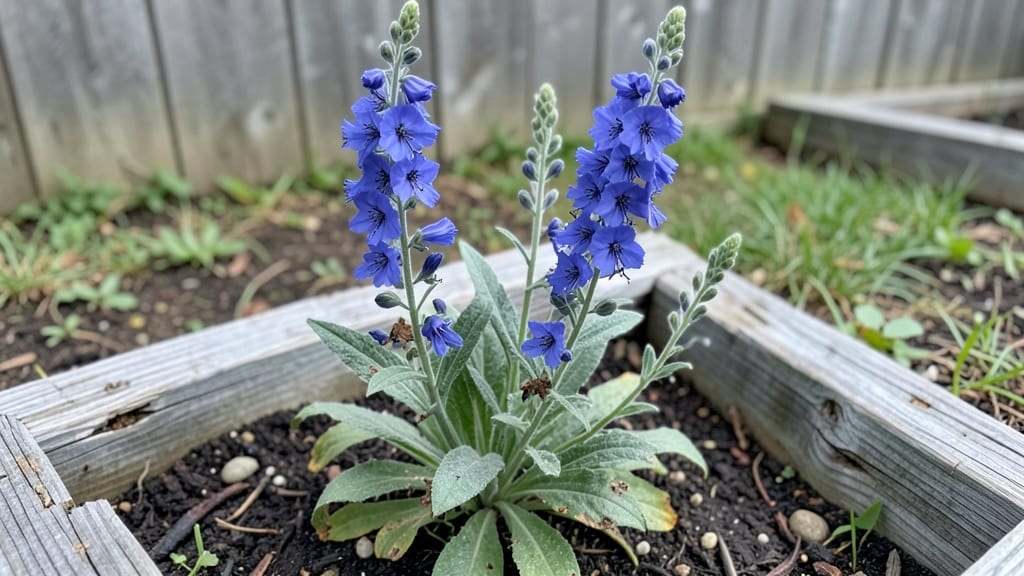
A tall flower bed isn't just about height—it's about creating a vertical masterpiece that turns heads all year long. I designed mine after my old flat garden kept getting buried under weeds and lost in the yard.
The right structure and plant choices transformed it into a lush, layered focal point that blooms from spring through frost.
Start with a sturdy frame—raised cedar beds or metal grids work best for durability. Then layer plants by height: tall perennials like coneflowers at the back, mid-height annuals like salvia in the middle, and trailing plants like sweet potato vine spilling over the edges.
My design uses three tiers to catch sunlight at different levels, and the color scheme ties everything together with jewel tones that pop against the green.
By summer, you'll have a garden that feels like a living sculpture—velvety foliage cascading over edges, bold blooms reaching toward the sky, and seasonal interest from winter grasses or evergreen shrubs.
Maintenance stays simple with drip irrigation and mulch to keep roots cool, and the vertical space means no more wrestling with weeds at ground level.
This works for any yard size—urban balconies, rural backyards, or even a narrow strip along a fence. The key is balancing structure with organic growth so it feels intentional, not contrived. Let’s build something that turns neighbors into gardeners overnight.
📚 In This Guide
- What you need
- Instructions
- Tips and common mistakes
- Wrapping up and next steps
What you need
- ● Flower bed structure: Wooden planks (2x4s or 2x6s) – 4–6 pieces, 8+ feet long
- ● Cedar or redwood lumber (rot-resistant) – 2–4 pieces, 6+ feet tall
- ● Galvanized screws or decking nails – 50–100 pieces
- ○ Corner brackets (optional for reinforcement) – 4–6 pieces
- ● Growing medium: High-quality potting soil – 3–5 cubic feet (depends on bed size)
- ● Perlite or vermiculite (for drainage) – 1–2 bags
- ● Organic compost – 1–2 bags (for nutrient boost)
- ● Plants: Tall perennials (e.g., delphiniums, hollyhocks, foxgloves) – 3–5 plants
- ● Medium-height shrubs (e.g., hydrangeas, abelia) – 2–4 plants
- ● Spillers (e.g., ferns, lobelia, or cascading petunias) – 3–6 plants
- ● Seasonal annuals (for color variety) – 5–10 plants
- ● Tools: Circular saw or handsaw
- ● Drill/driver
- ● Level
- ● Tape measure
- ● Gloves & safety goggles
- ● Wheelbarrow (for soil transport)
- ● Waterproof liner (to prevent soil leakage)
- ● Drip irrigation kit (for low-maintenance watering)
- ● Decorative trellis or lattice (for climbing plants like clematis)
- ● Solar-powered garden lights (for evening ambiance)
- ● Paint or stain (to match your outdoor decor)
- ● Mulch (e.g., shredded bark or gravel) – 1–2 bags
How to design a striking tall flower bed for year-round vertical impact
Vertical gardens create drama and maximize small spaces—here's how to layer plants for height, texture, and seasonal interest.
Plan Your Vertical Structure and Plant Layers
Begin by sketching your bed's dimensions, focusing on 3-4 feet tall for maximum visual impact. I divide the space into three distinct layers: back (tallest plants), middle (medium height), and front (spiller plants). This creates depth and prevents smaller plants from getting lost in the back. For a 4-foot-wide bed, allocate 18-24 inches for tall plants, 12-18 inches for mid-height, and 6-12 inches for front spillers.
Choose plants that naturally thrive at different heights—perennials like delphiniums or hollyhocks for the back, shrubby perennials like catmint or Russian sage for the middle, and trailing plants like ferns or ajuga for the front. This ensures your design remains striking across all seasons. I always test plant heights in my sketch by drawing them to scale—it saves rearranging later.
Prepare the Soil for Tall Plant Success
Tall flower beds need well-draining, nutrient-rich soil to support deep root systems. Amend native soil with 3-4 inches of compost and 1-2 inches of perlite or coarse sand to improve drainage. For a 4-foot bed, mix 2 cubic feet of compost and 1 cubic foot of perlite into the top 12 inches of soil. This ensures roots have room to establish without competing for moisture or nutrients.
Test soil moisture before planting—stick your finger 6 inches deep. If it feels dry, water thoroughly until moisture reaches 12 inches down. Tall plants like peony or black-eyed Susan demand deep watering to prevent flopping. I use a soaker hose buried 2 inches below the surface to deliver water directly to roots, reducing evaporation and fungal risks.
Install Structural Support for Tall Plants
Before planting, add hidden support structures to keep tall, top-heavy plants upright. For delphiniums or foxgloves, install 3-4 foot bamboo stakes or metal plant cages at planting time, burying 6-8 inches deep for stability. For grasses like Miscanthus or switchgrass, weave jute twine between stakes to create a natural windbreak.
Place stakes 6-12 inches behind the plant’s base to avoid damaging roots during growth. I like to use decorative metal rings for perennials like canna lilies, which can grow 5-6 feet tall. These rings blend into the foliage while providing sturdy support. Avoid plastic stakes—they can heat up in sun and burn tender stems.
Plant in Staggered Rows for Visual Flow
Instead of planting in straight lines, arrange plants in diagonal or staggered rows to create movement. Start with tallest plants at the back, spacing them 18-24 inches apart to allow airflow and prevent disease. For a 4-foot bed, place 3-4 tall plants along the back edge. Fill gaps with medium-height perennials, spacing them 12-18 inches apart, and finish the front with trailing plants spaced 6-12 inches apart.
Dig holes twice as wide as the root ball but no deeper—this encourages roots to spread horizontally. Water each plant deeply before backfilling to eliminate air pockets. I tap the soil gently around the base to settle it, then add a 1-inch layer of mulch (like shredded bark) to retain moisture and suppress weeds. Keep mulch 2-3 inches away from stems to prevent rot.
Layer for Seasonal Interest and Texture
Select plants with contrasting foliage textures—smooth-leaved hostas next to fuzzy lamb’s ear, or spiky ornamental grasses beside soft sedum. Add early bloomers like hellebores, mid-season stars like coneflowers, and fall interest with asters or sedum to ensure year-round color. For height variation, mix upright plants with mounding shrubs and trailing vines like clematis or honeysuckle.
I like to include one or two evergreen plants, like boxwood or dwarf conifers, to anchor the design in winter. These provide structure when perennials go dormant. For a 4-foot bed, limit evergreens to 2-3 plants—too many can make the space feel crowded. Always group plants with similar water needs together to simplify maintenance.
Tips & tricks for perfect tall flower bed design
Creating a stunning vertical garden requires attention to detail—here are my go-to strategies for achieving that professional, layered look.
Plant Height Visualization: Before purchasing plants, visit a local nursery and arrange them on the ground to gauge their mature heights. Many perennials look much taller in catalogs than they do in reality. I always create a simple sketch with measurements, placing taller plants in the back and gradually stepping down to spillers. This prevents the front of your bed from becoming a sea of green foliage that hides your showstopper plants.
Soil Preparation Pro Tip: For a 4-foot bed, I recommend mixing in an additional 1 cubic foot of worm castings along with the compost and perlite. Worm castings improve soil structure and provide a slow-release nutrient boost that tall plants like delphiniums and peonies will appreciate. Spread a thin layer of compost tea over the soil before planting to give your plants an instant energy boost and help them establish roots faster.
Support System Strategy: When installing stakes for tall plants, I use a 3-stake triangle system for delphiniums and foxgloves. Drive three 3-foot bamboo stakes into the ground in a triangular formation around each plant, then tie them together at the top with jute twine. This creates a more stable support structure than single stakes, especially in windy locations. For canna lilies, I install decorative metal rings at planting time rather than waiting until they need support—it's less disruptive to the roots.
Seasonal Layering Secret: To ensure year-round interest, I incorporate plants that offer different seasonal highlights. For spring, I add pulsatilla or bleeding heart in the middle layer, while summer gets its drama from black-eyed Susans or coneflowers at the back. For fall, I include sedum or asters that provide late-season color, and winter gets its structure from evergreen shrubs like boxwood. This way, no matter what time of year it is, your vertical garden has something special to offer.
Pro Tips for Tall Flower Bed
- Creating a stunning vertical garden requires attention to detail—here are my go-to strategies for achieving that professional, layered look.
- Plant Height Visualization: Before purchasing plants, visit a local nursery and arrange them on the ground to gauge their mature heights.
- Soil Preparation Pro Tip: For a 4-foot bed, I recommend mixing in an additional 1 cubic foot of worm castings along with the compost and perlite.
Frequently asked questions
Got questions about creating or maintaining a tall flower bed? You’re not alone!
Here are some of the most common concerns—plus quick, practical answers to keep your vertical garden thriving.
How tall can a flower bed realistically go?
A well-designed tall flower bed typically ranges from 4 to 8 feet, depending on materials (like cedar or metal frames) and structural support. For DIY projects, 6 feet is a sweet spot—tall enough for drama but manageable for planting and maintenance. Always check local building codes if exceeding 6 feet, especially for freestanding structures.
What’s the best time of year to build a tall flower bed?
Spring or early fall are ideal—mild temperatures and moist soil make planting easier. Avoid extreme heat (like summer) or freezing ground (winter), which can stress plants. If you’re in a warm climate, plant in fall to take advantage of winter rains. Pro tip: Prep the base in advance (like installing drainage) to save time when the season arrives!
How do I keep a tall flower bed from toppling over?
Stability starts with a wide, heavy base (like cinder blocks or buried pavers) and proper anchoring. For wooden frames, use galvanized screws or hidden brackets to secure panels. Add internal bracing (like metal rods) for extra support, and plant heavier perennials at the bottom to weigh it down. Wind? Stake tall plants early to prevent sway.
Can I use annuals in a tall flower bed, or should I stick to perennials?
Both work! Perennials (like coneflowers or hostas) save time since they return yearly, while annuals (like petunias or snapdragons) add seasonal pops of color. For height, place tall annuals (e.g., sunflowers) at the back and shorter perennials in front. Mixing them creates year-round interest—just plan for seasonal swaps if you love variety!
What’s the easiest way to troubleshoot pests in a tall flower bed?
Start with prevention: Use disease-resistant plants and mulch to deter pests. For issues like aphids or slugs, neem oil or diatomaceous earth are gentle but effective. Check the undersides of leaves regularly—early detection is key! If pests persist, rotate plants annually to break life cycles. Avoid chemical sprays near edibles if your bed includes herbs or veggies.
What are some low-maintenance alternatives to traditional tall flower beds?
If upkeep feels overwhelming, try:
- Vertical planters (wall-mounted or hanging): Use lightweight fabric pockets or modular grids.
- Tiered shelves: Install floating shelves on a fence or wall for layered greenery.
- Living walls: Pre-grown moss or succulent panels require minimal watering.
- Dwarf varieties: Choose compact perennials (like Heuchera or Sedum) to reduce trimming.
These options still deliver height without the heavy lifting!
Wrapping up and next steps
Designing a tall flower bed is all about transforming your space into a lush, vertical masterpiece—one that thrives year-round with drama and height! 🌿 Whether you’re maximizing small yards, adding texture, or creating a stunning focal point, the key is layering plants strategically, choosing the right materials, and embracing seasonal variety.
With the right prep and a little creativity, your garden will stand out as a showstopper.
Ready to dive in? Start small—pick one corner or container—and let your vision grow! Sketch your design, gather supplies, and plant with confidence. Every inch of vertical space is an opportunity to bloom.