
Flowers
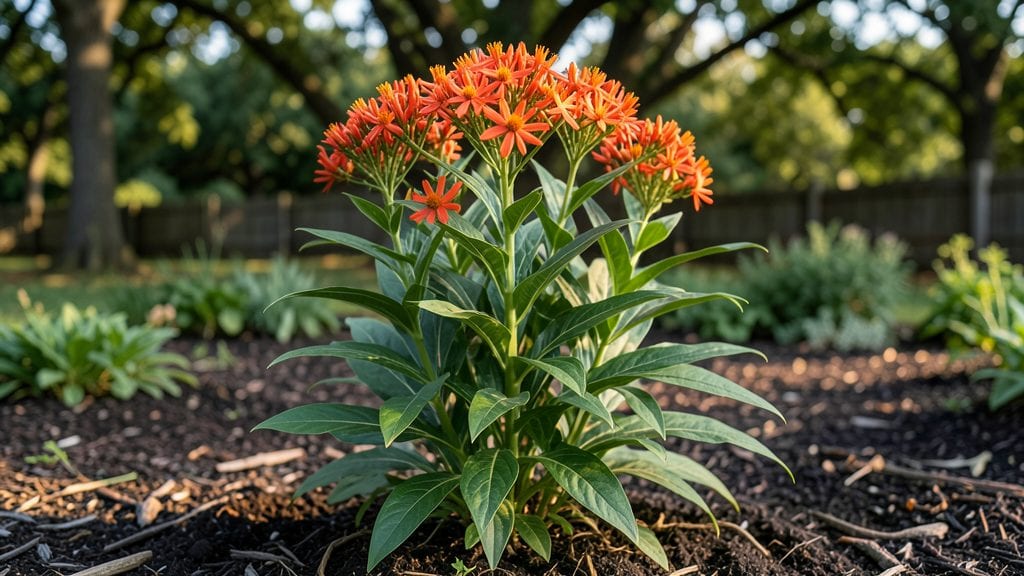
Your Pacific Northwest garden deserves colors that scream "sunset," not just "rainy day." The tequila sunrise flower theme transforms even the driest corner into a fiery display—think zinnia 'Benary's Giant' in deep coral, celosia 'Cocktail' in burnt orange, and gaillardia 'Arizona Sun' in golden yellow.
These blooms thrive in PNW summers and bring that bold, fiery energy without demanding tropical climates.
Here’s the secret: layer textures and heights for drama. Plant salvia 'Hot Lips' near the front for its velvety red-orange blooms, then tuck coreopsis 'Zagreb' behind it for its airy, sunburst yellow.
Add purple fountain grass as a backdrop to tie in the region’s natural greens while keeping the focus on those warm hues. The contrast with PNW greenery makes the colors pop even more.
Seasonal shifts? No problem. Swap out summer annuals for sedum 'Autumn Joy' in fall and heuchera 'Lavender Lace' in winter for subtle purple-gold accents. The tequila sunrise palette works year-round—just adjust the plants. By late afternoon, your garden will glow like a cocktail hour, even when the sky stays gray.
Want to take it further? Add copper pots or terracotta planters to echo the warm tones, and sprinkle orange mulch for a cohesive look. The PNW’s damp air actually helps these plants stay vibrant longer—so you get extra drama with less effort.
Ready to turn your garden into a sunset show?
📚 In This Guide
- What you need
- Instructions
- Tips and common mistakes
- Wrapping up and next steps
What you need
- ● Tequila Sunrise Flower Seeds or Seedlings: 1–3 plants (depending on desired display size)
- ● Note: Look for Hibiscus moscheutos varieties, such as "Tequila Sunrise," which thrive in cooler climates.
- ● Well-Draining Soil Mix: 50% native PNW soil (sandy loam preferred)
- ● 30% compost or aged manure
- ● 20% perlite or coarse sand (for drainage)
- ● Organic Fertilizer: Balanced 10-10-10 or slow-release granular fertilizer (1 lb per plant)
- ● Mulch: Wood chips or straw (2–3 inches thick to retain moisture)
- ● Garden Tools: Trowel or hand shovel
- ● Pruning shears (for shaping and deadheading)
- ● Garden gloves (to protect from thorns)
- ○ Container Option (Optional): Large pot (18+ inches in diameter) with drainage holes
- ● Container soil mix (similar to above)
- ● Watering Supplies: Hose with gentle spray nozzle or watering can
- ● Sunlight Considerations: Full sun (6+ hours/day) or partial shade (morning sun, afternoon shade for PNW’s intense afternoons)
- ● Epsom salt (1 tbsp/month for magnesium boost)
- ● Pest deterrents (neem oil or companion planting with marigolds)
- ● Stakes or trellis (for taller varieties in windy PNW gardens)
- ● Drought-resistant ground cover (e.g., creeping thyme) to suppress weeds
Instructions for cultivating Tequila Sunrise flowers in Pacific Northwest gardens
Here’s how to establish these vibrant sunset-inspired blooms with care tailored to our region’s climate.
Select and Prepare the Planting Site
The Tequila Sunrise flower—likely a portulaca or celosia hybrid—thrives in warm, well-drained soil with full sun exposure. In the Pacific Northwest, choose a south-facing location where the plant receives at least 6 hours of direct sunlight daily, even during our cooler, cloudier months. Avoid low-lying areas where cold air settles, as these plants are sensitive to frost.
Amend the soil with 2-3 inches of compost to improve drainage and fertility. These flowers dislike soggy roots, so if your garden soil is heavy clay, mix in sand or perlite to create a looser texture. Work the amendments into the top 6 inches of soil—this ensures roots have space to spread without competing with compacted subsoil.
Plant at the Right Time and Depth
Wait until after the last frost date in your area (typically late May or early June in the PNW) before planting. Tequila Sunrise flowers are annuals, so treat them as such—direct sow seeds or transplant seedlings once soil temperatures reach at least 60°F. If starting from seed, plant them ¼ inch deep, spacing seeds 12 inches apart to allow for air circulation and prevent fungal issues.
If using transplants, handle them gently to avoid damaging delicate stems. Plant at the same depth they were in their nursery pots, and water immediately after to settle the soil around the roots. Mulch lightly with 1 inch of straw or shredded bark to retain moisture and suppress weeds—just avoid piling mulch directly against stems, which can trap moisture and invite rot.
Water and Fertilize for Optimal Growth
Water deeply once a week during the first month, ensuring the soil is moist 2 inches below the surface. After establishment, reduce frequency to every 10-14 days, as these flowers are drought-tolerant once rooted. Water at the base of the plant in the early morning to minimize evaporation and fungal risks. You’ll know moisture is right when the soil feels damp but not saturated—think of a wrung-out sponge.
Feed with a balanced, water-soluble fertilizer (10-10-10) every 4-6 weeks during the growing season. Dilute to half-strength to avoid burning tender roots. Stop fertilizing 6 weeks before the first frost, as new growth won’t harden off in time. Look for deep green leaves and sturdy stems—this signals your plant is thriving and ready for blooms.
Prune and Support for Long-Lasting Blooms
Deadhead spent blooms regularly by pinching off faded flowers with clean pruners. This encourages continuous flowering and prevents the plant from redirecting energy into seed production. Trim back leggy stems to half their length to promote bushier growth, but avoid cutting into woody stems—these plants are tender and won’t regenerate well.
In windy PNW locations, stake taller varieties with bamboo stakes or small cages to prevent flopping. Tie stems loosely with soft twine, leaving room for growth. Harvest blooms in the morning for the longest vase life—cut stems at a 45-degree angle just above a leaf node to encourage branching. Expect vibrant, sunset-hued flowers to last 7-10 days in water if kept in a cool, shaded spot.
Prepare for Winter and Plan Next Season
Tequila Sunrise flowers are not cold-hardy, so they’ll die back with the first frost. Before temperatures drop below 32°F, cut stems back to 2 inches above the soil line and compost the debris. In mild PNW winters, some varieties may reseed naturally—collect seeds from dried flower heads for next year’s garden.
Mark your planting site for next season to ensure it receives full sun. These flowers self-sow readily in warm climates, but in our cooler region, start seeds indoors 6-8 weeks before the last frost for an early jumpstart. Choose a location with good air circulation to prevent powdery mildew, a common issue in our damp summers.
Tips & tricks for perfect Tequila Sunrise flower cultivation
These expert insights will help you coax vibrant, sunset-hued blooms from your Pacific Northwest garden—even with our tricky climate.
Sunlight Strategy: While the instructions call for at least 6 hours of direct sunlight, I’ve found that in our cloudy PNW summers, you’ll need to supplement with reflective surfaces—white walls or light-colored mulch can bounce extra light onto your plants. Position them where they’ll catch morning sun first, as afternoon clouds often block later rays. For container gardens, place pots on wheels so you can rotate them daily to ensure even exposure.
Soil Science: The 2-3 inches of compost recommendation is perfect, but here’s the key: mix in a handful of worm castings (optional but game-changing) to boost microbial activity. These flowers thrive in soil with a pH between 6.0-7.0—test your garden soil and amend with lime if needed. The top 6 inches of amended soil should feel like a well-drained sponge, not compacted clay. I’ve seen plants struggle in heavy soil even when following all other instructions.
Timing is Everything: That 60°F soil temperature threshold is critical—use a soil thermometer to verify before planting. In cooler PNW springs, consider using black plastic mulch to warm the soil faster. For transplants, I’ve had success starting them indoors under grow lights 6-8 weeks before last frost, then hardening them off gradually. This gives you a head start on the season and more time to enjoy those vibrant blooms.
Pruning Precision: When deadheading in Step 4, use clean, sharp pruners and make cuts just above a leaf node at a 45-degree angle. This technique encourages branching and prevents disease entry points. For leggy stems, I trim back to half their length but leave at least 3-4 sets of leaves—this maintains photosynthesis while promoting bushier growth. The 7-10 day vase life you’ll achieve is worth the effort!
Pro Tips for Tequila Sunrise Flower
- These expert insights will help you coax vibrant, sunset-hued blooms from your Pacific Northwest garden—even with our tricky climate.
- Position them where they’ll catch morning sun first, as afternoon clouds often block later rays.
- Soil Science: The 2-3 inches of compost recommendation is perfect, but here’s the key: mix in a handful of worm castings (optional but game-changing) to boost microbial activity.
Frequently asked questions
What’s the best time of year to plant Tequila Sunrise Flowers in the PNW?
The ideal window is late spring to early summer (May–June), once soil temperatures reach at least 55°F (13°C). This gives roots time to establish before cooler fall weather arrives. For container growing, you can start indoors in late winter (February–March) and transplant outdoors after frost risk passes.
How cold-hardy are these flowers, and do they survive PNW winters?
Tequila Sunrise Flowers are perennial in USDA Zones 8–10, but the PNW’s chilly winters (Zones 7–9) may require extra care. Mulch heavily with straw or shredded leaves, and cut back foliage to 2–3 inches in late fall. In Zone 7, treat them as tender perennials—dig up tubers in fall and store them in dry peat moss over winter.
How often should I water them, and do they need special soil?
These drought-tolerant beauties thrive on deep but infrequent watering—about 1–1.5 inches per week, letting soil dry between sessions. For soil, mix well-draining loam with compost (avoid heavy clay). Amend with perlite or sand if your garden retains too much moisture. Morning watering prevents fungal issues from evening dampness.
Why aren’t my Tequila Sunrise Flowers blooming?
Common culprits include:
- Insufficient sunlight: They need full sun (6+ hours daily)—move to a sunnier spot if blooms are sparse.
- Over-fertilizing: Too much nitrogen = lush foliage, fewer flowers. Use a low-nitrogen, high-phosphorus fertilizer (like 5-10-10) in early spring.
- Immaturity: First-year plants may focus on root growth. Be patient—they often burst into color year two.
Can I grow Tequila Sunrise Flowers in containers, and what size pot do I need?
Use at least a 12–15-inch pot with drainage holes to accommodate their moderate root spread. Opt for terracotta or fabric grow bags—they wick away excess moisture. Rotate containers weekly for even sun exposure, and fertilize monthly during the growing season. Pro tip: Add a handful of orchid bark to improve aeration!
Wrapping up and next steps
The Tequila Sunrise Flower brings a burst of fiery color and resilience to Pacific Northwest gardens, proving that vibrant blooms can thrive even in cooler climates.
With its drought-tolerant nature and striking hues, this sunrise-inspired beauty is perfect for adding drama to your outdoor space—whether you're a seasoned gardener or just starting out. 🌸
Now that you’re armed with the how-to and answers to common questions, it’s time to roll up your sleeves!
Start by selecting the perfect spot in your garden, gather your supplies, and let the Tequila Sunrise Flower transform your landscape into a sunset sanctuary. Ready to begin? Your garden’s next masterpiece is waiting!