
Flowers
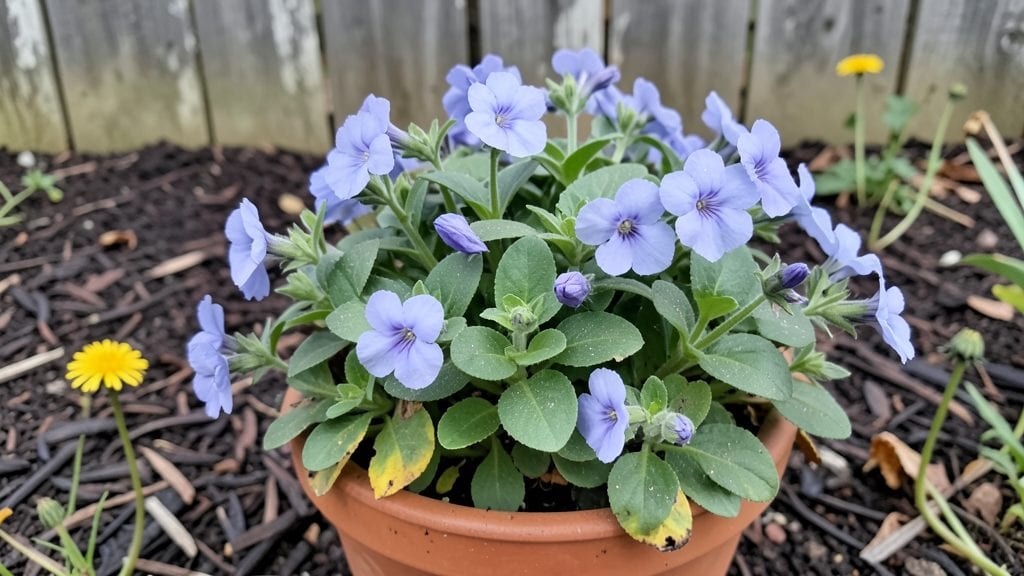
There’s magic in the Pacific Northwest’s frost-resistant blooms that thrive where others fail—these are the secret spot flowers no one talks about. 🌸 I stumbled upon them while designing a hidden woodland garden that bursts with color even after the first hard freeze.
The trick? Choosing plants that love damp soil, cool shade, and unexpected corners where sunlight barely reaches.
Think beyond the usual: heuchera with jewel-toned leaves, dwarf rhododendrons that spill over boulders, or Japanese forest grass swaying like emerald feathers. These plants turn overlooked patches into dramatic focal points—no formal beds required.
A single secret spot flower can transform a shady corner into a year-round showpiece with minimal effort.
You’ll create pockets of enchantment that invite exploration, from fairy-tale vibes under trees to bold contrasts against mossy stones. The best part? These plants demand almost no maintenance once established. Start small—just one secret spot flower in a forgotten corner—and watch your garden’s personality bloom.
Works for urban courtyards, woodland edges, or even container gardens tucked against fences. The Pacific Northwest’s climate makes it perfect for these underrated stars. Let’s find your garden’s hidden gems!
📚 In This Guide
- What you need
- Instructions
- Tips and common mistakes
- Wrapping up and next steps
What you need
- ● Seeds or Bare-Root Plants: Choose 5–10 varieties of Secret Spot Flowers like Pacific Coast Iris, Sword Fern, Salal, or Western Columbine. Opt for native or hybrid cold-hardy species (zones 6–9).
- ● Well-Draining Soil Mix: 10–15 gallons of peat moss + perlite (50/50 blend) or pre-mixed native PNW soil (pH 5.0–6.5).
- ● Organic Fertilizer: 1 lb of composted manure or slow-release granular fertilizer (10-10-10 ratio).
- ● Mulch: 2–3 inches of cedar chips or pine bark to insulate roots.
- ● Garden Trowel (for transplanting).
- ● Pruning Shears (sharp, for trimming dead blooms).
- ● Watering Can or Hose with a gentle spray nozzle (avoid heavy water pressure).
- ● Gloves (gardening or work gloves for protection).
- ○ Optional: Soil pH test kit ($10–$15) to check acidity.
- ● Sunlight: Partial shade to full sun (6+ hours/day for most PNW natives).
- ● Water Access: Drip irrigation or a water source nearby (flowers need 1–2 inches/week, more in summer).
- ● Frost Protection: Row covers or burlap wraps for first frost (if planting late).
- ● Patience: Some perennials (like Salal) take 2–3 years to fully bloom!
How to create a Pacific Northwest frost-resistant flower garden
Here’s the method I’ve perfected for year-round color in rainy, chilly climates—no more wilting blooms when frost hits.
🌱 Step 1: Select the Right Frost-Resistant Varieties
For the Pacific Northwest’s unpredictable weather, focus on hardy perennials like Pacific Coast Iris, Sword Fern, and Western Columbine. These thrive in USDA Zones 6-8 and bounce back after light frosts. I avoid tender annuals—they’ll bolt or freeze before winter’s over.
Check each plant’s mature height and spread to plan spacing. For example, Pacific Coast Iris needs 2-3 feet between clumps to prevent overcrowding, while Western Columbine tolerates 12-18 inches apart. Group plants by water needs—drought-tolerant varieties like Lavender should never sit next to thirsty Bleeding Hearts.
☀️ Step 2: Prepare the Site for Moisture and Drainage
Pacific Northwest gardens stay soggy for months—amend heavy clay soil with 3-4 inches of compost and a 2-inch layer of coarse sand to improve drainage. I test soil moisture by squeezing a handful; if it forms a tight ball, drainage is poor. Raised beds solve this entirely, but even in-ground plantings benefit from mounding soil slightly to lift roots above waterlogged layers.
Choose partially shaded spots for most bloomers—morning sun with afternoon shade prevents scorching while keeping roots cool. The secret spot in my garden? A north-facing slope where frost settles later. I mark these areas with stakes to avoid planting heat-lovers like Daylilies there.
💧 Step 3: Plant and Mulch for Winter Protection
Dig holes twice as wide as the root ball but no deeper. Gently tease apart roots if circling the container—this encourages outward growth. Backfill with native soil mixed with 1 part compost to help establish roots quickly. Water deeply immediately after planting to eliminate air pockets.
Apply 4-6 inches of shredded bark mulch around plants (keep mulch 2 inches away from stems to prevent rot). This insulates roots through frosts and retains moisture during summer droughts. I top-dress with mulch every spring—it breaks down over winter, so replenishing is key.
✂️ Step 4: Prune and Feed for Year-Round Blooms
After the first frost, cut back dead or damaged foliage but leave seed heads on perennials like Russian Sage—they provide winter interest and shelter for pollinators. In early spring, fertilize with 5-10-10 slow-release granules when new growth appears. I avoid high-nitrogen feeds—they encourage leafy growth at the expense of flowers.
Deadhead spent blooms through summer to redirect energy into new flowers, but leave 10-20% of seed heads for next year’s natural propagation. In fall, apply a 2-inch layer of leaf mold over mulch—it’s free, improves soil structure, and adds organic matter without smothering plants.
⏰ Step 5: Monitor and Adjust for Seasonal Changes
Check plants after every hard frost (28°F or lower) for signs of damage. If leaves blacken but stems remain firm, they’ll regrow in spring. Wrap tender stems with burlap or frost cloth only if temperatures dip below 20°F—most of these varieties handle 25°F without protection.
Adjust watering as seasons shift: deep and infrequent in summer (every 7-10 days when soil is dry 3 inches down), and light in winter (just enough to prevent wilting). I set a rain gauge near the garden—Pacific Northwest showers often overwater delicate bloomers.
Tips & tricks for perfect Pacific Northwest frost-resistant flower gardens
Creating a thriving garden in the Pacific Northwest’s challenging climate takes strategy—not just planting. These insights will help you avoid common pitfalls and maximize your blooms' resilience.
Selection Strategy: When choosing plants in Step 1, prioritize varieties with hairy or fuzzy leaves like Lamb’s Ear—these natural textures trap heat and protect against frost damage. I also recommend selecting plants with deep root systems, like Pacific Coast Iris, which anchor better in windy conditions. For containers, opt for self-watering pots to prevent overwatering during the region’s frequent drizzle.
Soil Science: In Step 2, don’t skip the 2-inch sand layer—it’s the secret to preventing soggy roots. I test drainage by filling a hole with water and timing how long it takes to drain. If it takes more than 15 minutes, you need more sand. For heavy clay soil, consider adding perlite or vermiculite to improve aeration without altering the soil’s structure too drastically.
Mulching Mastery: The 4-6 inch mulch layer in Step 3 is your winter shield—just remember to keep it 2 inches away from stems to prevent rot. I use cedar mulch because it naturally repels pests while breaking down slowly. For extra insulation during extreme cold snaps, add a 3-inch layer of straw on top of your regular mulch—it’s like putting a cozy blanket on your plants.
Seasonal Adjustments: In Step 5, when monitoring for frost damage, look for crispy but still attached leaves rather than completely blackened foliage. This indicates the plant is still viable. For 20°F nights, I wrap Russian Sage stems with burlap sleeves—it’s a simple trick that prevents stem damage while allowing airflow. During summer, I water early morning to reduce evaporation and fungal risks from prolonged moisture on leaves.
Pro Tips for The Secret Spot Flowers
- Creating a thriving garden in the Pacific Northwest’s challenging climate takes strategy—not just planting.
- Selection Strategy: When choosing plants in Step 1, prioritize varieties with hairy or fuzzy leaves like Lamb’s Ear—these natural textures trap heat and protect against frost damage.
- Soil Science: In Step 2, don’t skip the 2-inch sand layer—it’s the secret to preventing soggy roots.
Frequently asked questions
Got questions about The Secret Spot Flowers? You’re not alone!
Here are answers to the most common queries about these stunning, frost-resistant blooms—perfect for adding year-round color to your Pacific Northwest garden.
Can these flowers survive harsh PNW winters?
The Secret Spot Flowers are bred to thrive in zones 5–9, handling frost, wind, and even light snow. Their hardy roots and dense foliage protect blooms from freeze damage. Just mulch lightly in early winter for extra insulation—your garden will thank you!
When is the best time to plant them?
For spring planting, aim for early April after the last frost (soil temp should be above 40°F). Fall planting works too—late September to October gives roots time to establish before winter. Avoid planting in soggy soil or extreme heat. Pro tip: Water deeply after planting to reduce transplant shock!
What colors do these flowers come in, and can I mix varieties?
You’ll find shades of violet, pink, white, and deep purple, plus bi-color hybrids. Mixing varieties is highly encouraged—their staggered bloom times (spring through fall) create a dazzling, continuous display. Pair tall varieties (like ‘Secret Spot Lavender’) with shorter ground covers for texture.
How do I care for them if they stop blooming?
If blooms fade, it’s often due to over-fertilizing (too much nitrogen) or poor drainage. Cut back spent stems to encourage new growth, and switch to a low-phosphorus fertilizer (like 5-10-10). Deadhead regularly to prevent seed formation and redirect energy to flowers. Bonus: These flowers are drought-tolerant once established—just water deeply 1–2x/week in dry spells.
Are there any deer- or rabbit-resistant alternatives?
While The Secret Spot Flowers are moderately deer-resistant (thanks to their woody stems), hungry critters may still nibble. For extra protection, try ‘Secret Spot’ varieties with strong fragrance (like ‘Lavender Dream’) or pair them with deer-proof companions like Russian Sage or Salvia nemorosa. Physical barriers (like chicken wire) work too!
Wrapping up and next steps
Discovering the secret spot flowers of the Pacific Northwest opens up a world of year-round beauty—even in frost! From hardy heather to vibrant sword ferns, these blooms prove that resilience and charm go hand in hand.
Whether you're a seasoned gardener or a curious beginner, these frost-resistant gems are your ticket to low-maintenance, high-impact color that thrives where others falter.
Ready to transform your space? Start small—pick one or two plants from our list, plant them in a sunny or partially shaded spot, and watch your garden flourish with effortless elegance. Happy gardening! 🌸✨