
Flowers
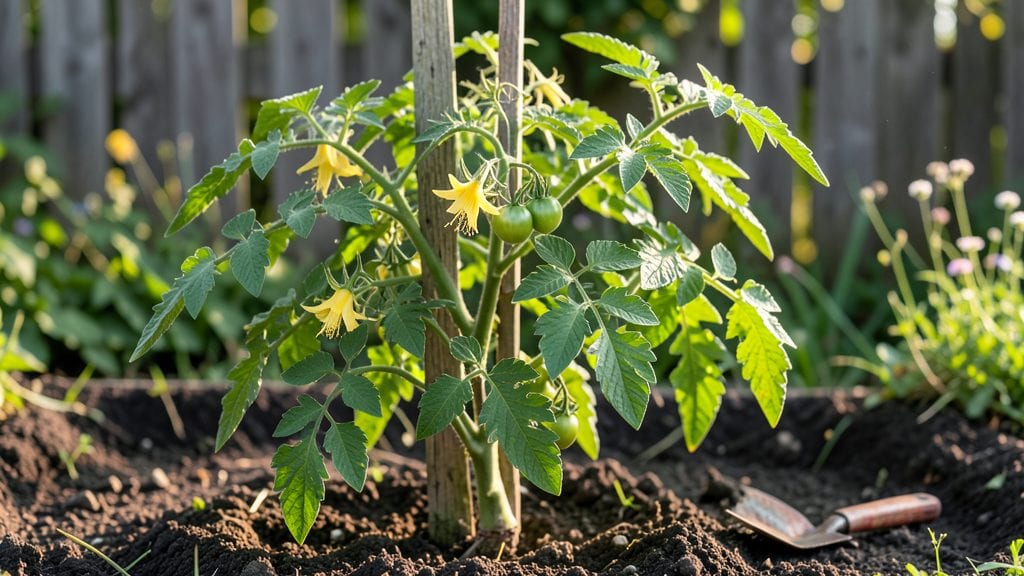
When your tomato plants sport yellow flowers instead of vibrant blooms, it’s not just an aesthetic problem—it’s a sign your plants are struggling to set fruit. 🌱 I’ve seen this happen after heatwaves, calcium shortages, or even overwatering, and the good news is that targeted pruning and care can bring them back to life.
The key lies in understanding what triggers the yellowing and how to correct it before the plant gives up entirely.
Most gardeners assume yellow tomato flowers mean the plant is dying, but the real issue is often calcium deficiency (blossom end rot’s sneaky cousin) or temperature stress from sudden heat spikes. Pruning isn’t just about shaping the plant—it’s about redirecting energy to healthy growth.
Start by removing any yellowed flowers and inspecting the stems for signs of disease or pest damage, which can worsen the problem if left unchecked.
With the right adjustments—like adding crushed eggshells for calcium or providing afternoon shade during heatwaves—you’ll see new, vibrant green flowers within 10-14 days. The goal isn’t just to stop the yellowing but to encourage the plant to focus on producing fruit, not just surviving.
Think of pruning as a reset button for your tomatoes.
This method works for both determinate (bush) and indeterminate (vining) varieties, though indeterminates may need more frequent pruning to manage their growth. The secret is consistency: check your plants every 3-4 days during hot or dry spells, and you’ll catch issues before they spiral.
Let’s turn those yellow blooms into a thing of the past.
📚 In This Guide
- What you need
- Instructions
- Tips and common mistakes
- Wrapping up and next steps
What you need
- ● Pruning shears or sharp scissors – Clean, sterilized tools (70% isopropyl alcohol works great!)
- ● Gloves – Garden or nitrile gloves to protect your hands from thorns and sap
- ● Disinfectant spray or rubbing alcohol – For sanitizing tools between cuts (1:10 bleach-to-water ratio also works)
- ● Tomato plants with yellow flowers – Indeterminate varieties (like Roma or Cherry tomatoes) respond best to pruning
- ○ Gardening journal or notepad – Optional but helpful for tracking pruning dates and plant progress
- ● Plant food or compost – To nourish the plant after pruning (balanced 10-10-10 fertilizer or worm castings)
- ● Mulch (straw or shredded leaves) – To retain moisture and protect soil post-pruning
- ● Plant markers – If you’re pruning multiple tomato varieties, label them to avoid mix-ups!
- ● Sunscreen & hat – Because gardening under the sun is no joke—stay protected! ☀️
Step-by-step guide to revitalizing tomato plants with pruning secrets
Transform struggling tomato plants with targeted pruning—here’s how to coax back vibrant blooms and fruit.
✂️ Step 1: Identify and Remove Diseased or Damaged Growth
Start by inspecting your tomato plants for any yellowing leaves, spots, or stems that feel mushy or brittle. These are often signs of disease or pest damage, which can drain the plant’s energy and prevent it from focusing on producing flowers. Use clean, sharp pruning shears to snip away any affected foliage, cutting at a 45-degree angle about ¼ inch above a healthy leaf node.
I always work from the bottom up, removing the oldest leaves first. This improves airflow and reduces humidity around the plant, which helps prevent fungal issues like early blight. If you see yellow flowers already forming, don’t prune them—focus only on the leaves and stems that are clearly struggling. You’ll know you’re doing it right when the plant looks noticeably cleaner and more open.
🌿 Step 2: Prune for Better Airflow and Light Exposure
Tomato plants need sunlight and air circulation to thrive, especially when they’re already stressed. Look for areas where branches are crowded or leaves are shading others. Gently pull or cut back any suckers (the small shoots that grow between the main stem and branches) that are larger than ½ inch in diameter. These compete with the plant for energy and can delay flowering.
Pay special attention to the center of the plant, where leaves often grow densely. Aim to create a shape that allows light to reach all sides. You’ll see the difference within a few days—the plant will start to look more balanced, and new growth will emerge with a healthier green color. If your tomatoes are indeterminate (like cherry varieties), you can prune more aggressively to encourage bushier growth and more flower clusters.
☀️ Step 3: Encourage Flowering with Strategic Pruning
Once your plant is free of disease and has better airflow, focus on promoting flowering. For indeterminate tomatoes, pinch off the first few flower clusters if they appear weak or if the plant is still small. This might seem counterintuitive, but it redirects the plant’s energy toward stronger growth before it focuses on fruiting. For determinate varieties (like Roma tomatoes), you can leave all the flowers, but prune any leaves that are shading the fruit.
Here’s the thing—tomatoes need a balance of leaves and flowers. Too many leaves mean less energy for blooms, while too few leaves mean the plant can’t support the fruit. A good rule of thumb is to leave about 12-16 leaves below the first flower cluster. You’ll know you’ve struck the right balance when you see new flower buds forming within 7-10 days of pruning.
💧 Step 4: Support and Monitor After Pruning
After pruning, give your tomato plants a deep watering to help them recover. Water at the base of the plant in the morning so the foliage has time to dry out during the day. Avoid overhead watering, as it can spread disease and stress the plant further. If your tomatoes are in containers, check the soil moisture daily—container-grown plants dry out faster and need more frequent watering.
Keep an eye on your plants over the next 2-3 weeks** for signs of new growth, such as fresh green leaves or flower buds. If you notice any yellowing leaves after pruning, it might be a sign of nutrient deficiency. At this point, you can apply a balanced fertilizer (like 10-10-10) diluted to half strength to give your plants a boost. You’ll see the most dramatic improvements in plants that were previously struggling with poor growth or sparse flowering.
Tips & tricks for perfect tomato plant revitalization
A few strategic moves can turn your struggling tomato plants into thriving producers—here’s how to maximize your pruning efforts.
The Timing Factor: Prune in the morning when plants are hydrated and temperatures are cooler. This gives your tomatoes time to recover before evening heat stress. I’ve noticed the most dramatic improvements when pruning on a cloudy day—less direct sun means less shock to the plant. Avoid pruning during heatwaves or extreme weather, as this can delay recovery by up to a week.
Tool Selection Matters: Never use dull or dirty pruning shears—they can damage plant tissue and introduce diseases. I keep a small bottle of rubbing alcohol handy to wipe down my shears between cuts. For larger branches, I use bypass pruners for clean cuts, while smaller suckers can be gently pinched off with my fingers. Sterilizing your tools between plants is especially important if you’ve worked with diseased foliage.
Visual Cues for Success: After pruning, healthy new growth should appear within 7-10 days as mentioned in Step 3. Look for fresh green leaves that stand upright rather than wilting. The plant should also develop a more open, airy structure. If you notice excessive wilting or yellowing after pruning, it might indicate over-pruning—leave more foliage next time, especially on determinate varieties.
Seasonal Considerations: Early-season pruning focuses on removing damaged growth, while mid-season pruning should prioritize shaping and encouraging flowering. In cooler climates, I hold off on aggressive pruning until after the last frost date. For container-grown tomatoes, be extra cautious—these plants have less root system to support recovery, so I limit pruning to only the most necessary cuts.
Pro Tips for Tomato Yellow Flowers
- A few strategic moves can turn your struggling tomato plants into thriving producers—here’s how to maximize your pruning efforts.
- The Timing Factor: Prune in the morning when plants are hydrated and temperatures are cooler.
- Tool Selection Matters: Never use dull or dirty pruning shears—they can damage plant tissue and introduce diseases.
Frequently asked questions
Got questions about those tomato yellow flowers? You’re not alone! Whether you’re troubleshooting a plant or just curious about the process, here are some common queries—and their answers—to help you along the way.
Why are my tomato plants producing yellow flowers instead of green ones?
Yellow flowers on tomato plants are actually normal and indicate the plant is healthy and ready to pollinate! The green parts (leaves, stems) stay green, while the flowers bloom yellow (or sometimes white) as part of their natural reproductive cycle. If you’re seeing yellow leaves (not flowers), that’s a different issue—likely overwatering or nutrient deficiency.
How long does it take for tomato yellow flowers to turn into fruit?
After a tomato flower blooms, it typically takes 45–55 days for the fruit to ripen, depending on the variety. Cherry tomatoes often mature faster (30–40 days), while beefsteak varieties can take up to 85 days. Watch for the flower to wilt and drop—this signals the fruit is forming. Pro tip: Hand-pollinate flowers on cloudy days for better fruit set!
Can I prune tomato plants with yellow flowers?
Yes! Pruning is safe and beneficial even when flowers are present. Focus on removing suckers (side shoots) and lower leaves to improve airflow and fruit quality. Avoid over-pruning—leave enough foliage to support the plant’s energy needs. Prune in the morning to let wounds heal by evening.
What if my tomato flowers are yellow but no fruit forms?
Several factors could be at play: lack of pollination (try gently shaking plants), temperature extremes (below 55°F or above 90°F can prevent fruit set), or nutrient deficiencies (add phosphorus-rich fertilizer). If flowers drop without fruiting, check for pests (like hornworms) or diseases like blossom end rot (caused by calcium deficiency).
Are there tomato varieties with yellow flowers that produce better-tasting fruit?
While flower color doesn’t directly impact taste, some heirloom varieties with yellow blooms (like Brandywine or Solar Fire) are prized for their flavor. Focus on organic practices—healthy soil, proper watering, and regular pruning—rather than flower color to boost taste. Save seeds from your best-tasting tomatoes for next season!
Wrapping up and next steps
Revitalizing your tomato plants with yellow flowers isn’t just about aesthetics—it’s a game-changer for healthier growth and bountiful harvests! 🌱 By mastering the art of strategic pruning, you’re giving your plants the care they deserve, ensuring stronger stems, better airflow, and more vibrant blooms.
Whether you’re a seasoned gardener or just starting out, every snip is a step toward a thriving garden.
Now that you’re armed with the pruning secrets and FAQs to tackle yellow flowers like a pro, it’s time to roll up your sleeves! 🌟 Grab your shears, head outside, and give your tomato plants the TLC they crave. Next up: Track your progress, adjust your technique, and watch your garden flourish—one happy plant at a time!