Flowers
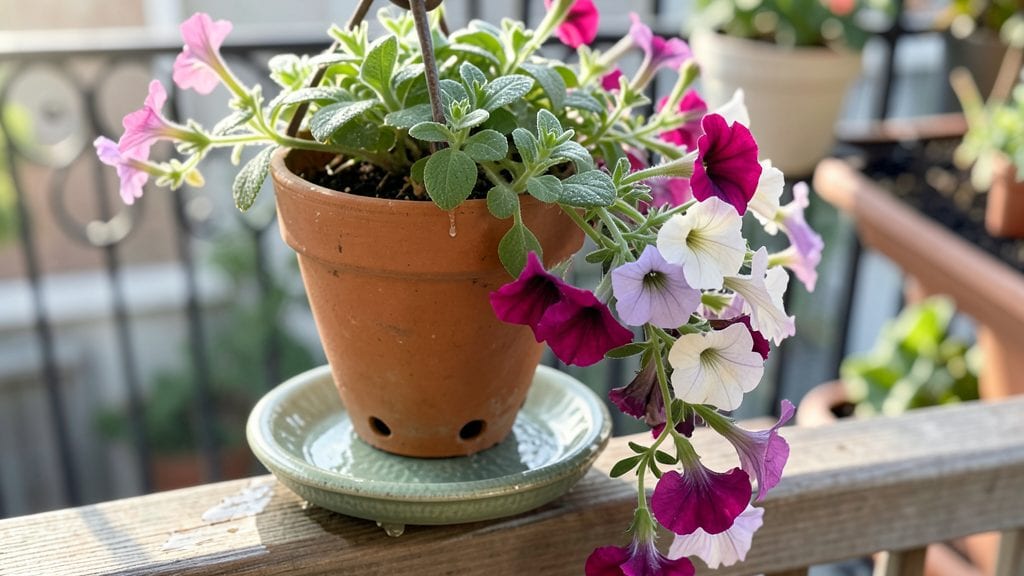
Trailing flowers for pots turn any balcony or patio into a living waterfall of color. 🌸 I learned the hard way that not all flowers adapt well—some wilt within weeks, while others thrive for months with minimal effort.
The secret lies in choosing the right varieties and giving them just enough room to stretch their legs.
Petunias, nasturtiums, and ivy geraniums are my go-to picks because they handle heat, bounce back from rain, and bloom nonstop. A 12-inch hanging basket or window box gives them perfect space to cascade, while larger pots (14+ inches) let bigger plants like fuchsias or lobelia shine.
The key? Match the pot size to the plant’s mature spread—nothing worse than roots circling in a cramped space.
You’ll end up with a lush, overflowing display that attracts butterflies and keeps your space feeling like a secret garden. The best part? These plants self-clean—drooping blooms shed naturally, so you spend less time deadheading and more time admiring the show.
Perfect for renters, small spaces, or anyone who wants instant curb appeal without the fuss.
Works in full sun or partial shade, and you can mix textures—try pairing velvety petunias with spiky nasturtiums for drama. Once you see how easy it is to refresh a pot in minutes, you’ll never buy flat, lifeless bouquets again. Let’s get those vines growing!
📚 In This Guide
- What you need
- Instructions
- Tips and common mistakes
- Wrapping up and next steps
What you need
- ● Trailing flowers: Choose 1-3 varieties (e.g., Petunia, Nasturtium, Sweet Potato Vine, or Ivy). Select 1-2 plants per 6-12" pot for a lush, cascading effect.
- ● Containers: 1-3 hanging pots (6-12" diameter) or window boxes with drainage holes.
- ● High-quality potting mix (1 bag, ~1-2 cubic feet). Opt for a well-draining blend with added perlite or coconut coir.
- ● Drainage: 1-2 layers of mesh or gravel (e.g., pebbles or hydroton) to prevent root rot.
- ● Fertilizer: Slow-release granular fertilizer (e.g., Osmocote) or liquid feed (e.g., Miracle-Gro for blooms).
- ○ Optional: Organic options like fish emulsion or compost tea.
- ● Mulch (e.g., bark chips or decorative stones) to retain moisture and enhance aesthetics.
- ● Support stakes or trellises for taller varieties like Morning Glory or Black-Eyed Susan Vine.
- ● Self-watering pot liner or moisture meter to keep roots happy.
- ● Pruning shears for trimming leggy stems or deadheading spent blooms.
- ● Decorative accents (e.g., fairy lights, ribbons, or pebbles) for a whimsical touch.
How to create stunning trailing flower pots that cascade all season
Here's the method I've used to transform any patio or balcony into a vertical garden explosion of color.
🪴 Step 1: Choose the Right Containers and Drainage
Start with containers that are at least 12 inches deep to accommodate trailing roots. I prefer hanging pots or window boxes because they maximize the cascading effect while keeping the soil contained. Make sure each container has multiple drainage holes—trailing plants hate soggy roots, and excess moisture will rot their delicate stems.
If your pots don't have drainage, drill holes yourself. Place a piece of mesh or broken pottery over each hole to prevent soil from washing out. For the 4 pots we're working with, use a mix of materials: 2 hanging baskets (for dramatic cascades) and 2 shallow window boxes (for ledges or railings). This variety creates visual interest while keeping maintenance manageable.
🌱 Step 2: Select Thriving Trailing Flower Combinations
Pick plants that complement each other in light needs, water tolerance, and growth habits. For full sun (6+ hours daily), I love petunias, lobelia, and bacopa—they spill over edges like waterfalls. For partial shade (3-6 hours sun), fuchsia, begonia, and ivy geranium add lush texture without scorching.
Here's my go-to combo for 4 pots: 2 pots with petunias + lobelia (bright, sun-loving duo) and 2 pots with fuchsia + bacopa (shade-tolerant and delicate). Space plants so they fill the pot in 4-6 weeks—this prevents overcrowding later. I always plant 3-5 plants per 12-inch pot, depending on their mature spread.
💧 Step 3: Prepare Soil and Plant for Maximum Trailing Drama
Fill your containers with a lightweight potting mix (never garden soil—it compacts and suffocates roots). I blend 2 parts potting mix with 1 part perlite for extra drainage. Moisten the mix until it's evenly damp but not soggy—you should be able to squeeze a handful without water dripping out.
Plant your trailing flowers by creating a small well in the center of the pot. Place the plant so its top leaves sit just below the pot's rim—this encourages roots to spread outward and stems to cascade. Gently press soil around the base, then water deeply until it drains from the bottom. For the 4 pots, use 1 gallon of potting mix per pot to fill them without overpacking.
☀️ Step 4: Position for Sun and Water Consistently
Place your pots where they'll get their required sunlight—most trailing flowers need at least 4 hours daily. If using hanging baskets, ensure they're within 3 feet of a light source (south or west-facing is ideal). For window boxes, secure them firmly so they don't shift in wind—nothing ruins a cascading effect faster than a wobbly pot.
Water every 2-3 days in hot weather, checking that the top inch of soil feels dry before adding more. Trailing plants dry out faster because their stems expose more surface area. I like to water from the bottom (place pots in a tray of water for 10 minutes) to encourage deep root growth. Fertilize every 2 weeks with a balanced liquid fertilizer (10-10-10) to keep blooms vibrant.
✂️ Step 5: Prune and Maintain for Nonstop Blooms
Pinch back leggy stems early to encourage bushier growth. When you see a stem stretch too long, snip it just above a leaf node—this redirects energy to side branches. Deadhead faded blooms weekly to prompt new flowers. For petunias and lobelia, I also trim back overly long stems to maintain a full, rounded shape.
By mid-summer, your trailing flowers will need a light trim to refresh their shape. Cut back one-third of the longest stems to encourage fresh growth. This is also the time to rotate pots (turn them a quarter turn weekly) so all sides get even sun exposure. With this care, your 4 pots will stay lush and colorful until first frost, then you can bring them indoors for winter or compost them and start fresh in spring.
Tips & tricks for perfect trailing flower pots
Here's what I've learned after creating these cascading displays for years—small details that make all the difference!
Container Placement: For maximum drama, hang your baskets at eye level or slightly above. This creates the illusion of more height and makes the trailing effect even more impressive. I also recommend placing pots near seating areas so you can enjoy the cascading beauty while relaxing—it's like having a living waterfall right outside your door!
Soil Mix Secret: That 2 parts potting mix to 1 part perlite ratio is non-negotiable for trailing plants. The perlite prevents compaction and mimics the airy soil these plants love in their natural habitats. Pro tip: Add a handful of orchid bark to your mix for even better drainage and aeration—it's a game-changer for keeping roots healthy.
Planting Position: When planting, make sure the top leaves sit just below the pot's rim—this isn't just about looks! It encourages the plant to spread its roots outward rather than upward, which is exactly what we want for that lush, cascading effect. Think of it like training a vine to grow where you want it to go.
Watering Wisdom: The 10-minute bottom-watering technique works wonders because it encourages deep root growth. I've seen plants with roots growing out the bottom of pots when I do this consistently—it's like they're reaching down for water! For extra insurance, add a layer of hydrogel crystals to your soil mix (optional but amazing) to help maintain moisture between waterings.
Pro Tips for Trailing Flowers For Pots
- Here's what I've learned after creating these cascading displays for years—small details that make all the difference!
- Container Placement: For maximum drama, hang your baskets at eye level or slightly above.
- Soil Mix Secret: That 2 parts potting mix to 1 part perlite ratio is non-negotiable for trailing plants.
Frequently asked questions
Got questions about growing trailing flowers in pots? You’re not alone! Here are some of the most common queries—plus quick, practical answers to keep your cascading blooms thriving.
What are the best trailing flowers for beginners?
Start with hardy, low-maintenance picks like Sweet Potato Vine (easy and colorful), Nasturtiums (edible and pest-repelling), or Petunias (long-blooming and forgiving). These tolerate beginner mistakes like inconsistent watering and still deliver stunning cascades!
How often should I water trailing flowers in pots?
Check soil moisture daily during hot weather—trailing flowers dry out faster in pots. Water when the top inch feels dry, but avoid soggy roots. Pro tip: Use self-watering pots or add a moisture-retaining gel to extend time between waterings.
When is the best time to plant trailing flowers in pots?
For most trailing flowers, plant after the last frost in spring (when soil is warm) or in early fall (6–8 weeks before first frost). Exception: Cold-hardy varieties like Ivy Geraniums can handle cooler temps. Always check your plant’s specific zone requirements!
Can I reuse the same pot for trailing flowers year after year?
Yes! Just refresh the soil with compost or a slow-release fertilizer before replanting. Warning: Watch for pests or fungal buildup. Disinfect pots with a 10% bleach solution if needed, and ensure drainage holes are clear.
How do I keep pests away from my trailing flowers?
Prevent pests with neem oil sprays or companion planting (e.g., marigolds repel aphids). For existing issues, blast off pests with water or use insecticidal soap. Quick fix: Isolate affected plants and trim damaged leaves immediately.
What can I do if my trailing flowers stop blooming?
Over-fertilizing (too much nitrogen) or lack of sunlight are common culprits. Switch to a bloom-boosting fertilizer (high in phosphorus) and ensure 6+ hours of sunlight daily. Deadheading spent blooms also encourages new flowers!
Wrapping up and next steps
Transforming your space with trailing flowers for pots is easier—and more rewarding—than you think! Whether you’re drawn to the delicate charm of Sweet Alyssum, the bold drama of Petunias, or the whimsical trails of Nasturtiums, these cascading beauties bring life, texture, and color to every corner.
With the right care and a little creativity, your pots will become living works of art that thrive all season long.
Ready to dive in? Start small—pick one or two trailing varieties, gather your supplies, and let your green thumb shine! 🌸 For even more inspiration, browse seasonal care tips or explore DIY pot designs to take your setup to the next level.