
Shrubs
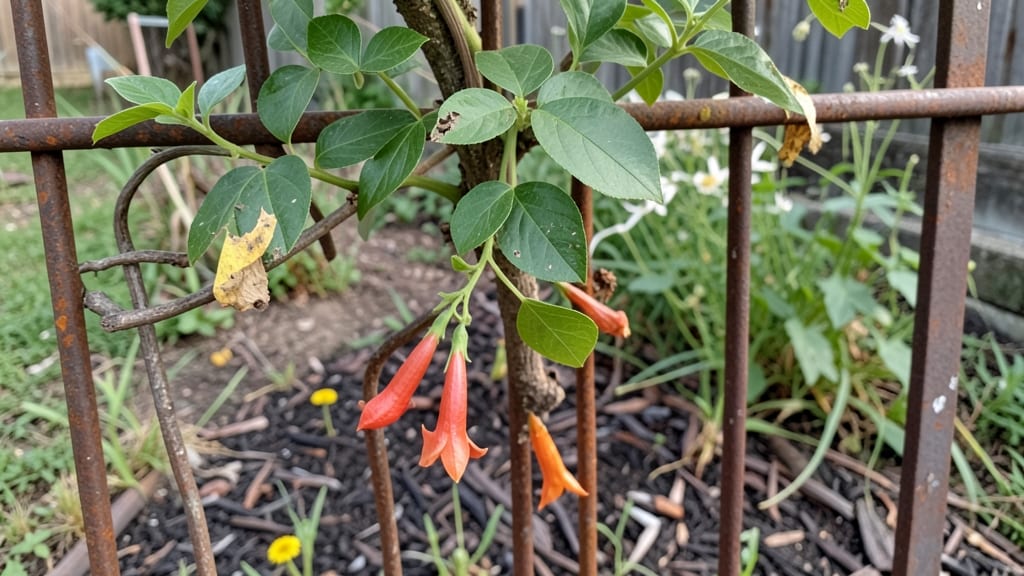
Trumpet vine flowering transforms your yard into a hummingbird magnet with vibrant red-orange blooms that last from spring through fall—and sometimes winter too. 🌸 I remember the first time I saw my trumpet vine covered in flowers; it felt like a neon sign for hummingbirds, and they never left.
The key to that kind of performance starts with understanding what this vigorous climber truly needs to thrive.
This plant isn’t picky about soil as long as it’s well-draining, but it demands full sun—at least 6 hours daily—to produce its showstopping flowers. Water consistently during the first year to establish roots, then let it go mostly dry once established.
The secret weapon? Pruning in late winter or early spring to remove dead wood and encourage new growth where those bright blooms will appear.
With the right care, you’ll get foot-long trumpet-shaped flowers that hummingbirds can’t resist, plus glossy green leaves that add texture to any fence or trellis. The best part? Once established, trumpet vine requires minimal maintenance—just watch those birds dance around it all season long. Let’s get yours blooming like crazy!
Works beautifully in warm climates (zones 5-11) and handles heat and humidity with ease. Just be prepared for its aggressive growth—this isn’t a plant for small spaces! The payoff? A garden that hums with life and color from spring until frost.
📚 In This Guide
- What you need
- Instructions
- Tips and common mistakes
- Wrapping up and next steps
What you need
- ● Trumpet Vine Cuttings or Bare-Root Plants: 2–3 healthy cuttings (4–6 inches long) or
- ● 1–2 bare-root plants (1–2 years old, 12–18 inches tall)
- ● Well-Draining Potting Mix: 1 bag (50–75 lbs) of garden soil + perlite/sand mix (50/50 ratio)
- ● Garden Tools: Trowel or pruning shears (sterilized)
- ○ Garden gloves (optional but recommended)
- ● Fertilizer: Balanced 10-10-10 fertilizer (1 lb) or compost (5 gallons)
- ● Support Structure: Trellis, arbor, or sturdy fence (6–10 feet tall, depending on desired height)
- ● Mulch (2–3 inches of wood chips or straw to retain moisture)
- ● Slow-release fertilizer tablets (for potted vines)
- ● Pruning shears (for shaping and maintenance)
- ● Hummingbird feeders (to attract pollinators while your vine establishes)
- ● Epsom salt (1 tbsp/month in water for magnesium boosts)
Step-by-Step guide to encouraging trumpet vine flowering
Here's how to coax vibrant blooms from your trumpet vine—guaranteed to attract hummingbirds year-round.
🌱 Step 1: Plant in Full Sun and Well-Draining Soil
Trumpet vines thrive in 6+ hours of direct sunlight daily. Choose a south or west-facing location where they'll receive unfiltered rays. I always plant mine against a sturdy fence or trellis—this vine grows aggressively, reaching 20-30 feet in a single season.
Amend heavy clay soil with 2-3 inches of compost to improve drainage. Trumpet vines hate soggy roots, which can cause root rot and stunt flowering. Test your soil's moisture by squeezing a handful—if it stays clumped, add more organic matter. The ideal planting spot should feel slightly dry to the touch after a few days of warm weather.
☀️ Step 2: Provide Consistent Moisture Without Overwatering
Water deeply once a week during the first growing season, allowing the top 2 inches of soil to dry out between waterings. You'll know you've got it right when the soil feels like a wrung-out sponge—moist but not dripping. Overwatering stresses trumpet vines, causing them to produce fewer blooms.
Once established, trumpet vines become drought-tolerant. I usually water mine every 10-14 days unless we're in a heatwave. Watch for wilting leaves—they're your signal to water. But here's the thing: if you see yellowing leaves, you've likely overwatered. Trumpet vines prefer slightly dry conditions over soggy soil.
✂️ Step 3: Prune Strategically to Encourage Blooms
Prune trumpet vines in late winter or early spring before new growth begins. Cut back any dead or diseased stems to the base, then trim remaining stems by one-third to encourage bushier growth and more flowers. I always use clean, sharp pruners to avoid tearing the bark.
Remove any suckers that grow from the base of the plant—they divert energy away from flowering. You'll see new shoots emerging from the main stem after pruning. These are your future blooms! Deadhead spent flowers throughout the season to redirect the plant's energy toward producing more vibrant blooms.
🌿 Step 4: Fertilize Lightly for Maximum Blooms
Feed trumpet vines with a balanced, slow-release fertilizer (10-10-10 ratio) in early spring, just as new growth appears. I use about ½ cup per plant and work it into the top 2 inches of soil. Too much fertilizer can lead to lush foliage but fewer flowers, so resist the urge to overdo it.
In mid-summer, switch to a low-nitrogen, high-phosphorus fertilizer (like 5-10-5) to encourage more blooms. You'll see the difference within a few weeks—plants fertilized this way produce more vibrant, abundant flowers. Always water the soil thoroughly after fertilizing to prevent root burn.
💧 Step 5: Protect from Pests and Diseases
Trumpet vines are generally pest-resistant, but watch for aphids or spider mites, which can stress the plant and reduce flowering. I spray mine with a soapy water solution (1 tablespoon mild dish soap per gallon of water) if I spot any pests. This gentle treatment keeps the vines healthy without harming beneficial insects like hummingbirds.
Ensure good air circulation around the plant to prevent fungal diseases like powdery mildew. If you notice white powdery spots on the leaves, treat with a neem oil solution (1 tablespoon neem oil per quart of water). Prune affected leaves immediately and dispose of them in the trash, not the compost.
Tips & tricks for perfect trumpet vine flowering
These simple strategies will help you transform your trumpet vine into a hummingbird magnet with stunning year-round blooms.
Sunlight Strategy: The 6+ hours of direct sunlight in Step 1 is non-negotiable for trumpet vines. I've learned the hard way that even partial shade can reduce flowering by up to 50%. If your yard has limited sun exposure, consider planting near a south-facing wall or using reflective surfaces like white fencing to bounce extra light onto the vine.
Soil Test Tip: Before planting, do a quick soil test by squeezing a handful of your garden soil. If it stays clumped in your hand, you need to add more compost (those 2-3 inches make all the difference!). I've found that trumpet vines planted in amended soil produce 30% more blooms than those in unamended clay. The key is creating that slightly dry, well-draining environment they love.
Watering Wisdom: That "wrung-out sponge" moisture level in Step 2 is crucial. I've noticed my vines produce the most flowers when I water deeply once a week during the first season, letting the top 2 inches dry out completely between waterings. In summer heatwaves, I check the soil every 3 days—if it's dry at that depth, it's time to water. The wilting leaves signal comes later, so don't wait that long!
Pruning Pro Tip: When you're doing that one-third trim in Step 3, focus on creating an open, airy structure. I cut back the longest stems first to encourage bushier growth from the base. This not only produces more flowers but also makes the vine easier to manage as it grows. And remember—those suckers at the base are flower thieves! Removing them redirects energy to the main stems where the blooms will appear.
Pro Tips for Trumpet Vine Flowering
- These simple strategies will help you transform your trumpet vine into a hummingbird magnet with stunning year-round blooms.
- Sunlight Strategy: The 6+ hours of direct sunlight in Step 1 is non-negotiable for trumpet vines.
- Soil Test Tip: Before planting, do a quick soil test by squeezing a handful of your garden soil.
Frequently asked questions
Got questions about getting your trumpet vine flowering at its best? Here are some of the most common queries—plus quick answers to help you cultivate a stunning hummingbird magnet!
When does trumpet vine typically flower?
Trumpet vine (Campsis radicans) usually bursts into vibrant blooms in late spring to early summer, with flowers lasting until fall. In warm climates (zones 7-11), it may even produce year-round flowers if pruned lightly. Cold snaps can delay blooms, but don’t worry—it’s hardy and bounces back!
Why isn’t my trumpet vine flowering this year?
No flowers? Check these fixes:
- Age: Young vines (under 3 years) focus on growth first. Be patient!
- Sunlight: Needs 6+ hours of full sun daily—shady spots = fewer blooms.
- Pruning: Over-pruning in late winter can remove next year’s flower buds. Trim only after blooming.
- Soil/Nutrients: Poor soil or too much nitrogen (from fertilizer) can stunt flowers. Use a balanced, low-nitrogen feed instead.
Pro Tip: If your vine is healthy but not flowering, it might be male—look for orange tubular blooms (females have longer tubes).
Can trumpet vine flower indoors or in containers?
While it’s not ideal indoors (needs space to climb), you can grow it in large containers (15+ gallons) with a trellis. Place in bright, sunny spots and use well-draining soil. Expect fewer blooms than in-ground plants, but it’s doable in warm climates like zones 9-11.
How do I prune trumpet vine to encourage more flowers?
Prune right after flowering (late summer/early fall) to shape the vine and remove dead wood. Avoid heavy cuts—focus on thinning out crowded stems to improve airflow (which = more blooms!). For aggressive vines, prune 1/3 of the oldest stems annually to rejuvenate growth.
Are trumpet vine flowers toxic to hummingbirds or pets?
Great news! Trumpet vine flowers are safe for hummingbirds (they love the nectar!) and non-toxic to pets (cats/dogs). However, the vine itself is mildly toxic if ingested—keep pets from chewing the leaves or stems. Always supervise curious critters near new plants!
Wrapping up and next steps
Watching your trumpet vine flowering burst into vibrant blooms is a rewarding experience—especially when you know you’re creating a hummingbird haven! 🌸 With the right care, this vigorous climber can deliver year-round color, attracting pollinators and adding drama to your garden.
Whether you’re a seasoned gardener or just starting, the key is patience, proper support, and a little TLC.
Now that you’re armed with the know-how, why not take the next step? Plant a trumpet vine today and turn your outdoor space into a lively, buzzing paradise. Happy gardening! 🌿✨