Flowers
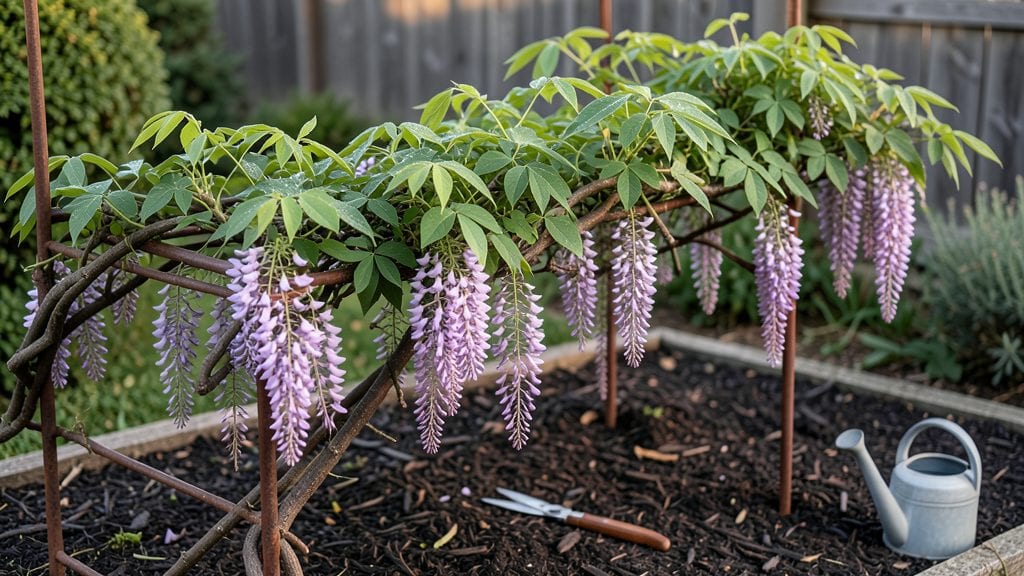
Nothing beats the sight of a vine with large purple flowers cascading over your trellis—especially when it thrives in cool, damp climates like the Pacific Northwest. ✨ These frost-resistant beauties aren’t just stunning; they’re hummingbird magnets that turn your garden into a buzzing, blooming paradise without fuss.
Clematis, wisteria, and trumpet vine are top picks for dramatic vertical impact. They climb effortlessly on trellises, arbors, or fences, adding height and drama to shady corners or sunny borders.
Pair them with ferns or hostas for a lush, layered look, or let them take center stage against a blank wall for instant wow factor.
Imagine morning glories spilling over a pergola or clematis draping a porch in velvety blooms. The right placement transforms any space—whether you’re dressing up a balcony, framing a patio, or softening a fence line.
These vines work year-round, with some even surviving light frosts, so you get color from spring through fall.
For best results, choose a spot with morning sun and afternoon shade (unless your vine is sun-loving wisteria). Train them early to avoid tangled messes, and watch as they become the showstopper of your garden—without the high-maintenance drama. Let’s make your outdoor space unforgettable!
📚 In This Guide
- What you need
- Instructions
- Tips and common mistakes
- Wrapping up and next steps
What you need
- ● Pacific Wisteria (Wisteria frutescens) – 1 healthy vine (choose a grafted variety for better control).
- ● Well-draining soil – Mix 1 part compost with 2 parts native soil (or potting mix for containers).
- ● Sunlight exposure – A full-sun to partial-shade spot (6+ hours of sunlight daily).
- ● Support structure – 1 trellis, arbor, or pergola (6–10 ft tall for climbing).
- ● Watering can or hose – For deep but infrequent watering (1–2 gallons per week, more in drought).
- ● Pruning shears – Sharp, bypass-style shears (sterilized with rubbing alcohol).
- ● Mulch – 2–3 inches of wood chips or bark to retain moisture and regulate soil temp.
- ● Gloves – Heavy-duty gardening gloves (wisteria has thorny vines!).
- ● pH testing kit – Ideal soil pH: 6.0–7.0 (adjust with lime or sulfur if needed).
- ● Fertilizer – Balanced, slow-release fertilizer (10-10-10) (apply in early spring).
- ○ Optional but helpful: Hummingbird feeder (to attract pollinators while waiting for flowers!).
- ● Slow-release watering system (for drought-prone areas).
- ● Soil moisture meter (to avoid over/under-watering).
How to grow a frost-resistant vine with stunning purple blooms
This hardy climber thrives in Pacific Northwest conditions and keeps hummingbirds buzzing all season.
🌱 Step 1: Choose the Right Vine and Planting Location
For your region, Clematis 'Jackmanii' or Pacific Coast clematis are excellent frost-resistant choices with large purple flowers. Plant in partial shade—morning sun with afternoon shade prevents leaf scorch. I always position mine near a sturdy trellis or fence, ensuring the support can handle 6-10 feet of vigorous growth by maturity.
Dig a hole twice as wide as the root ball but only as deep as the container it came in. The top of the root ball should sit 1-2 inches above ground level—this prevents stem rot in winter. Amend the native soil with 3 inches of compost mixed into the bottom of the hole for better drainage and nutrient retention.
🪴 Step 2: Plant and Stake for Support
Gently remove the vine from its container and loosen any circling roots with your fingers. Place it in the hole, spreading roots outward. The strongest stems should face outward toward the trellis. I use 3-4 stakes positioned in a square around the plant—this creates a stable framework for the vine to climb as it grows.
Fill the hole with soil, pressing lightly to remove air pockets but avoiding compaction. Water deeply until the soil is saturated 12 inches down, then add 2-3 inches of mulch around the base (but not touching the stem). This helps retain moisture and protect roots during frost. Secure the main stems to the trellis with soft plant ties—never use wire or anything that could cut into the stems.
☀️ Step 3: Water and Fertilize for Strong Growth
Water once a week during the first growing season, aiming for 1-1.5 gallons per plant each time. You'll know it's enough when water drains to 6 inches deep. Clematis are thirsty but hate soggy roots—always let the top 2 inches of soil dry out between waterings. In summer, you may need to water every 5-7 days, especially during heatwaves.
Feed with a balanced 10-10-10 fertilizer in early spring and again after flowering. I scatter ½ cup of granules around the base and water it in. For organic growth, use fish emulsion every 4-6 weeks. Avoid high-nitrogen fertilizers—they promote leafy growth at the expense of flowers, which is the whole point of this vine!
✂️ Step 4: Prune for Maximum Blooms and Winter Hardiness
Prune in late winter or early spring before new growth begins. For Group 3 clematis (like 'Jackmanii'), cut back last year's stems to 12-18 inches tall. This encourages strong new growth from the base and prevents weak, leggy vines. Remove any dead, broken, or crossing stems first—they compete for energy and can harbor diseases.
After flowering, do a light cleanup prune to remove spent blooms. This redirects the plant's energy into next year's flowers rather than seed production. In fall, add 4-6 inches of mulch around the base to insulate roots during frost. I always leave the stems standing through winter—they provide some protection and often produce early blooms the following spring.
🐝 Step 5: Encourage Hummingbirds with Strategic Planting
Plant native companion flowers like red columbine or salmonberry nearby to create a hummingbird buffet. These vines bloom at different times, ensuring a continuous nectar supply. I also add a small shallow dish of water with pebbles for drinking—hummingbirds will return daily once they discover your garden as a reliable food source.
Watch for the first purple flower buds in early summer—they'll appear on last year's growth. Once open, flowers last 3-5 days and attract hummingbirds within minutes. To prolong blooming, deadhead spent flowers every 2 weeks during the season. This vine is a hummingbird magnet, but proper pruning and companion planting make all the difference in how often they visit.
Tips & tricks for growing a frost-resistant vine with purple blooms
These simple yet game-changing tips will help your clematis thrive and keep hummingbirds visiting all season.
Location is Everything: That partial shade recommendation isn't just about preventing leaf scorch—it's about balancing sunlight and moisture retention. In Step 1, position your vine where it gets morning sun but afternoon shade. This creates the perfect environment for those stunning purple blooms while protecting delicate leaves from our Pacific Northwest's intense afternoon sun. I've seen vines in full sun wilt by late afternoon, while the properly shaded ones stay vibrant all day.
Staking Strategy for Strong Growth: When you're setting up those 3-4 stakes in Step 2, don't just place them randomly. Create a square formation around the plant, about 6-8 inches from the stem. This gives your vine multiple points of support as it grows taller, preventing it from flopping over when heavy with blooms. I've had vines snap their main stems when not properly supported—this simple staking method has saved me from replanting multiple times.
Watering Wisdom: The once-weekly watering guideline in Step 3 is perfect for our region, but there's a trick to it. Instead of watering at the base, create a small trench around the plant and water there. This encourages roots to spread outward rather than staying concentrated at the base. For the first year, I check moisture by sticking my finger 2 inches down—if it's dry, it's time to water. This method prevents both underwatering and soggy roots that can lead to rot.
Pruning Precision: That 12-18 inch pruning height in Step 4 might seem arbitrary, but it's actually based on science. Clematis grow from buds that form along last year's stems. Cutting back to 12-18 inches ensures you're keeping the strongest growth points while still leaving enough stem for new buds to form. I mark my pruning height with a small flag so I don't accidentally cut too much—this simple trick has kept my vines flowering beautifully for years.
Pro Tips for Vine With Large Purple Flowers
- These simple yet game-changing tips will help your clematis thrive and keep hummingbirds visiting all season.
- Location is Everything: That partial shade recommendation isn't just about preventing leaf scorch—it's about balancing sunlight and moisture retention.
- Staking Strategy for Strong Growth: When you're setting up those 3-4 stakes in Step 2, don't just place them randomly.
Frequently asked questions
What is the best vine with large purple flowers for the PNW’s frost?
The Clematis ‘Jackmanii’ or Clematis viticella are top picks—they thrive in zones 4-9, handle frost beautifully, and bloom in dramatic purples. For extra hardiness, try Clematis ‘Niobe’, which resists disease and loves partial shade.
How do I protect these vines from heavy frost or winter winds?
Mulch heavily with wood chips or straw (3-4 inches) around the base. Wrap young vines in burlap or frost cloth, and stake them to prevent wind damage. Prune back dead foliage in early spring—never cut into the wood, as new growth emerges from there!
When is the best time to plant and prune these vines?
Plant in early spring (after the last frost) or fall (6 weeks before first frost). Prune after blooming: For spring bloomers (like ‘Jackmanii’), trim in late summer; for summer bloomers (like ‘Viticella’), prune in early spring. Never prune in fall!
Why aren’t my hummingbirds visiting my purple vine?
Check these fixes:
- Bloom timing: Most hummingbird vines bloom spring/summer—ensure yours is in peak season.
- Water access: Place a shallow dish of water nearby; hummingbirds need hydration!
- Nectar richness: Deadhead spent blooms to encourage new flowers (and more nectar!).
- Location: Plant in full sun (6+ hours) and near feeders for easy access.
What are some low-maintenance alternatives to high-climbing vines?
If vines feel too demanding, try:
- Lobelia ‘Speciosa’ – Compact, purple blooms, thrives in containers.
- Salvia ‘May Night’ – Drought-tolerant, hummingbird favorite, 3-4 ft tall.
- Heuchera ‘Plum Pudding’ – Purple foliage + occasional flowers, shade-friendly.
How do I keep pests like aphids or spider mites off my vine?
Start with prevention:
- Spray foliage weekly with water (aphids hate it!).
- Encourage predators: Ladybugs and lacewings feast on pests—plant marigolds nearby!
- Neem oil: Mix 1 tbsp with 1 quart water, spray undersides of leaves.
- Avoid chemicals: They harm pollinators like hummingbirds.
Wrapping up and next steps
Transforming your Pacific Northwest garden into a hummingbird haven is easier—and more rewarding—than you think!
By welcoming a vine with large purple flowers, like the hardy Clematis or Honeysuckle, you’re not just adding beauty; you’re creating a thriving ecosystem that delights pollinators and brightens your outdoor space year after year.
These frost-resistant vines thrive in your region’s climate, proving that stunning blooms and low-maintenance care can go hand in hand.
Ready to take the next step? Start small! Pick one vine variety that suits your garden’s sunlight and soil, gather your supplies, and plant with confidence. Watch as your efforts bloom into a vibrant, buzzing oasis—one that keeps giving back to nature (and your joy) for seasons to come. 🌸✨