
Flowers
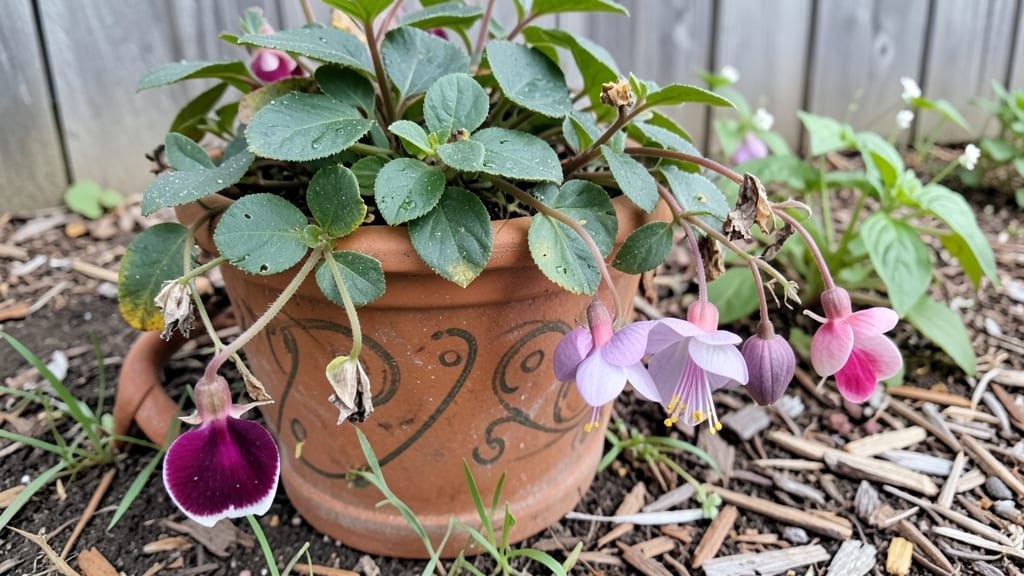
Discover the best types of hanging flowers to turn blank walls into living art—these cascading beauties add color, drama, and year-round interest for any space. 🌸 porch.
The key lies in matching their habits to your space: some thrive in full sun, others prefer shade, and a few even tolerate drought once established.
My top picks start with petunias for their bold blooms and nonstop color, perfect for sunny spots. Fuchsias, with their lacy foliage and dangling flowers, shine in partial shade, while verbena brings drought resistance and cheerful clusters to hot, dry areas.
For something unique, try calibrachoa—it looks like tiny petunias but blooms nonstop and handles heat like a champ.
Picture your balcony transformed: deep purple petunias spilling over the edge, fuchsias adding soft pink ruffles, and verbena’s tiny flowers creating a sea of color. These plants work together beautifully, with their different heights and textures creating a lush, layered effect.
The best part? Most need minimal care—just regular watering and occasional deadheading to keep them flowering.
Whether you’re dressing up a window box or creating a vertical garden, these flowers adapt to containers, trellises, or even old colanders. Start with one or two types to test what thrives in your space, then expand your collection as you find your perfect cascading combo.
The possibilities are endless—and so is the joy of watching them grow.
📚 In This Guide
- What you need
- Instructions
- Tips and common mistakes
- Wrapping up and next steps
What you need
- ● Hanging planters: Macramé hangers (various sizes, 8–18 inches in diameter)
- ● Ceramic or terracotta pots with built-in hangers (1–3 gallons)
- ● Plastic or fabric grow bags (10–20 liters, with drainage)
- ● Potting mix: Lightweight, well-draining mix (e.g., cactus/succulent blend or orchid mix for tropical varieties)
- ● Perlite or vermiculite (1–2 cups per planter for aeration)
- ○ Slow-release fertilizer (optional but recommended for nutrients)
- ● Drainage: Pebbles or gravel (1–2 inches for bottom layer)
- ● Drainage holes (ensure planters have these or drill them yourself!)
- ● Flowers & plants: Trailing varieties: Petunias, fuchsias, ivy, string of pearls, or trailing pothos
- ● Climbing vines: Nasturtiums, sweet potatoes, or creeping jenny
- ● Air plants: Tillandsias (no soil needed!)
- ● Decorative accents: Painted stones, mosaic tiles, or fairy lights for charm
- ● Spray bottle (for misting delicate blooms like ferns or air plants)
- ● Plant ties or soft twine (to secure sprawling vines)
- ● Watering can with a long spout (for deep watering without overfilling)
- ● Plant labels (to track varieties and care needs)
How to Choose and care for stunning hanging flowers
Transform any corner with these vibrant blooms—here’s how to pick and nurture the best cascading varieties!
🌿 Step 1: Select the Perfect Hanging Flower Varieties
Start with plants that thrive in containers and love trailing. My top picks for beginner-friendly cascading flowers include petunias (bold blooms in every color), fuchsias (dramatic, pendulous flowers), and verbena (heat-tolerant and long-blooming). For a tropical vibe, begonias and calibrachoas (mini petunias) add lush texture and vibrant hues.
Check the light needs before choosing—some, like petunias, demand full sun (6+ hours), while fuchsias prefer partial shade (4-6 hours). Match your space’s sunlight to the plant’s requirements, or you’ll end up with leggy stems and sparse blooms. I always test a spot for a few days first to gauge light exposure.
☀️ Step 2: Position for Maximum Beauty and Growth
Hang baskets where they’ll get the right light but also circulation. A south-facing porch works for sun-lovers, while east or west suits shade-tolerant varieties. Avoid tight clusters of baskets—crowding invites fungal diseases and weakens growth. Space them 12-18 inches apart to allow airflow.
Height matters too! Place baskets at eye level or slightly above for the best cascading effect. If your porch is low, opt for shorter varieties like bacopa or lobelia to avoid a messy, overgrown look. I like to mix heights—tall geraniums in the back, trailing petunias in the middle, and ivy spilling over the edges.
💧 Step 3: Water and Feed for Nonstop Blooms
Hanging flowers dry out faster than ground plants—check soil daily in hot weather. Water until water runs freely from the bottom, ensuring roots stay moist but not soggy. I use a gentle spray to avoid disturbing blooms, and I water early in the morning to prevent evening moisture from promoting mildew.
Feed every 2 weeks with a balanced liquid fertilizer (10-10-10 or 20-20-20) to keep blooms vibrant. Overfeeding causes leafy growth at the expense of flowers, so follow package instructions closely. Deadhead spent blooms weekly—this encourages new flowers and keeps plants looking tidy. Pinch off wilted petals with your fingers or snip with clean scissors.
✂️ Step 4: Prune and Maintain for Long-Lasting Beauty
Trim overgrown stems to encourage bushier growth and prevent bare spots. Cut back 1/3 of the plant in early summer to promote a second flush of blooms. Use clean, sharp shears to avoid crushing stems, and always cut just above a leaf node. This prevents disease and encourages new shoots.
Watch for pests like aphids or spider mites—they love hanging baskets! Spray with neem oil or insecticidal soap at the first sign of trouble. I also rotate baskets every few weeks to ensure even growth and prevent leggy stems from stretching toward one light source. With consistent care, your hanging flowers will bloom all season long!
Tips & tricks for perfect hanging flower displays
A few simple tricks can make all the difference between ordinary and extraordinary hanging flower arrangements!
Light Matching: Pay close attention to the 4-6 hours of light your space receives. Petunias and geraniums thrive in full sun, while fuchsias and begonias prefer bright but indirect light. I always place a small light meter near my baskets for a week to track actual sunlight exposure—this helps me position plants perfectly for their needs.
Basket Selection: Choose baskets with drainage holes and a liner that holds moisture without becoming waterlogged. I prefer coco fiber liners—they wick moisture evenly and prevent root rot. For extra insurance, add a layer of sphagnum moss at the bottom before adding soil to improve drainage and aeration.
Seasonal Swaps: Rotate your hanging flowers seasonally for continuous color. In spring, opt for impatiens and lobelia; summer calls for verbenas and calibrachoas; and fall brings stunning coleus and helichrysum. I keep a small notebook to track which varieties perform best in each season at my location.
Pest Prevention: Keep an eye out for common pests like spider mites and aphids, which love hanging baskets. I make a habit of inspecting new plants before bringing them home and treating with neem oil at the first sign of trouble. A weekly spray of water on the undersides of leaves also helps deter pests naturally.
Pro Tips for Types Of Hanging Flowers
- A few simple tricks can make all the difference between ordinary and extraordinary hanging flower arrangements!
- Light Matching: Pay close attention to the 4-6 hours of light your space receives.
- Basket Selection: Choose baskets with drainage holes and a liner that holds moisture without becoming waterlogged.
Frequently asked questions
Got questions about hanging flowers?
You’re not alone! Here are some of the most common queries—plus quick, practical answers to help you pick, plant, and enjoy your cascading blooms with ease.
What are the easiest hanging flowers for beginners?
Start with low-maintenance favorites like petunias, fuchsias, or bacopa. These thrive in partial sun, tolerate occasional neglect, and bloom prolifically. Trailing lobelia is another great pick—its tiny blue flowers add pop without fuss! Pro tip: Ensure your pots have drainage holes to prevent root rot.
How often should I water hanging flowers?
Most hanging flowers need watering every 1–2 days in hot weather, but check soil moisture first—stick your finger in the pot. If the top inch feels dry, it’s time to water. Morning watering is best to reduce evaporation. Troubleshooting: Yellowing leaves? Overwatering might be the culprit. Let soil dry slightly between waterings.
Do hanging flowers need full sun?
Not always! While sun-lovers like geraniums and verbena thrive in full sun (6+ hours), many varieties—such as impatiens or begonias—prefer partial shade (3–6 hours of sunlight). Check your plant’s tags for light requirements, and adjust placement as seasons change. Hot tip: East-facing spots offer gentle morning sun.
Can I use regular pots for hanging flowers?
Regular pots can work, but hanging baskets with built-in drainage and breathable liners (like coco coir) are ideal. If repurposing pots, drill drainage holes and line them with sphagnum moss or a moisture-retentive liner. Avoid plastic without holes—it traps water and suffocates roots. Quick fix: Place a saucer under the pot to catch excess water.
How do I keep pests away from my hanging flowers?
Pests like aphids and spider mites love hanging flowers! Prevent issues with neem oil sprays or insecticidal soap. Cultural fixes: Space baskets for airflow, remove yellowing leaves, and inspect new plants before hanging. Early action: A strong spray of water can dislodge soft-bodied pests like aphids.
Wrapping up and next steps
From delicate String of Hearts to vibrant Petunias, hanging flowers bring life, color, and charm to any space—whether you're a seasoned gardener or just starting out. 🌸 Each type offers unique textures, blooms, and care needs, so there’s a perfect match for every balcony, patio, or indoor corner.
Now that you’re inspired, why not pick your favorites and transform your space into a cascading oasis?
Next steps:
- 🌱 Choose your plants based on sunlight, climate, and style.
- 🛒 Gather supplies (pots, soil, fertilizers) from the earlier guide.
- 💡 Start small—even one hanging basket makes a difference!