Flowers
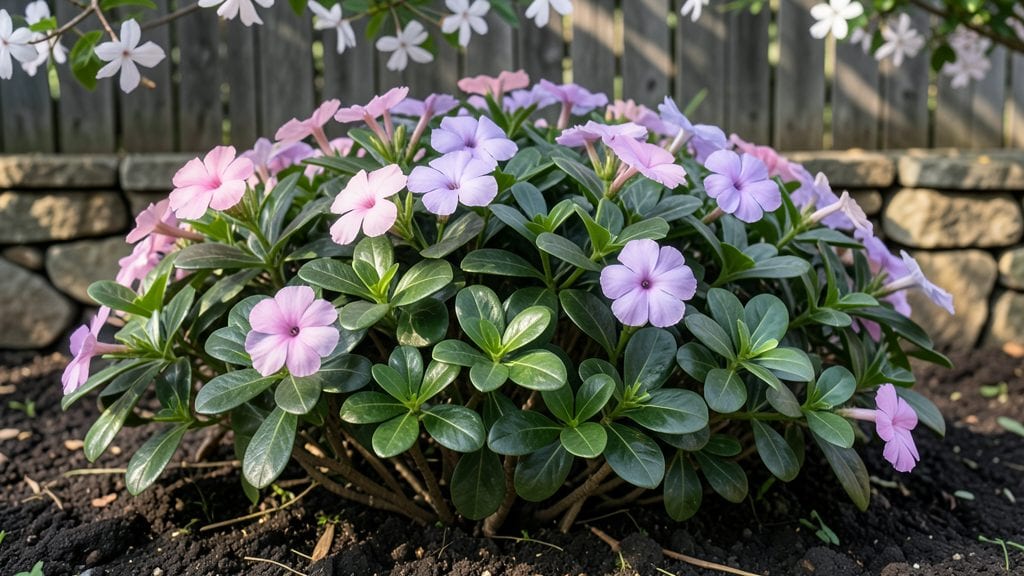
A vinca flower bed in the Pacific Northwest delivers color through rain, frost, and even winter's chill—something most flowers can't promise. 🌿 I designed mine after years of struggling with beds that faded by October, and now it's the first thing visitors notice, even in December.
The secret isn't just vinca's toughness, but how it pairs with other plants to create layers of texture and color that never quit.
Start with vinca as your foundation—its trailing vines create a lush green carpet that stays vibrant when other annuals give up. Then layer in petunias for summer pops of purple and pink, or marigolds for golden accents that brighten fall.
For a modern look, mix in drought-resistant succulents like sedum for contrast. My favorite layout? Vinca along the edges with taller plants in the center, so everything gets sunlight and rain protection.
What you end up with is a bed that looks intentional year-round—spring's fresh greens, summer's bold blooms, and winter's structured evergreen. The maintenance is minimal: vinca needs water only when soil dries, and the other plants thrive in the same conditions.
Even in Zone 8, where frosts linger, this combo stays stunning. The real magic happens when you step back in November and see color where others see bare ground.
Works for any style—cottage gardens, modern borders, or even container edges. The key is starting with vinca's resilience, then playing with textures and heights to create depth. Ready to design a bed that never sleeps? Here's how to make it happen without the seasonal letdown.
📚 In This Guide
- What you need
- Instructions
- Tips and common mistakes
- Wrapping up and next steps
What you need
- ● Vinca plants (Periwinkle, Vinca minor or Vinca major) – 6-12 plants per square foot for dense coverage. Choose frost-hardy varieties like 'Illumination' or 'Argenteovariegata' for PNW resilience.
- ● High-quality potting soil or garden loam – 3-5 bags (1-2 cubic feet each), amended with 20% compost for drainage and nutrients.
- ● Mulch (cedar or pine bark) – 2-3 cubic feet to insulate roots and retain moisture.
- ● Slow-release fertilizer (10-10-10 or organic) – 1-2 lbs per 10 sq ft to support growth.
- ● Garden trowel or spade – For digging and planting.
- ● Garden gloves – To protect hands from soil and thorns.
- ● Wheelbarrow or bucket – For mixing soil and hauling materials.
- ● Measuring tape or string – To outline your flower bed design.
- ● Watering can or hose with nozzle – For gentle, deep watering.
- ● Edging material (landscape fabric, bricks, or metal) – To define your bed and suppress weeds.
- ● Epsom salt (magnesium sulfate) – 1 tbsp per plant for vibrant foliage.
- ● Pest deterrent (neem oil or diatomaceous earth) – For slug/snail control in damp PNW climates.
- ● Drip irrigation kit – For automated, frost-friendly watering.
How to create a Pacific Northwest frost-resistant vinca flower bed
Here's how I design a low-maintenance vinca bed that thrives through PNW winters and blooms reliably year-round.
🌱 Step 1: Select the Right Vinca Varieties for Your Climate
For the Pacific Northwest's cool, wet winters, choose Vinca minor (periwinkle) or Vinca major (bigleaf periwinkle) - both handle 20°F temperatures without damage. I always pick blue or purple varieties because they show up best against PNW greenery, but white works too if you want contrast. Avoid tropical vincas like Vinca rosea - they'll die back completely in winter.
Buy established plants from a local nursery in 3-gallon containers for best results. You'll need 4 plants per 4-foot section of bed to create that lush, carpeted look. Check root systems before purchasing - healthy roots should be white and firm, not brown or mushy. If you're starting from seed, expect 12-18 months before full bloom - not practical for PNW winters.
🪴 Step 2: Prepare the Bed for Year-Round Success
Choose a partially shaded spot that gets 3-6 hours of morning sun - vincas burn easily in PNW's intense afternoon light. Work the soil to 12 inches deep, removing any weeds or grass. Amend with 2 inches of compost and 1 inch of perlite to improve drainage - PNW soils stay soggy through winter, and vincas hate wet feet.
Create a 1-inch layer of coarse sand at the bottom of the planting hole to prevent waterlogging. Vincas prefer slightly acidic soil (pH 6.0-7.0), so add 1/2 cup of sulfur per plant if your soil tests higher. I always test first - PNW rainwater can make soil surprisingly alkaline over time. The key here is creating a well-draining foundation that mimics vinca's natural Mediterranean habitat.
☀️ Step 3: Plant and Establish for Winter Hardiness
Dig holes twice as wide as the root ball but only as deep - vincas hate being planted too deep. Space plants 12-18 inches apart for that dense ground cover look. Gently tease out any circling roots before placing each plant in its hole. The top of the root ball should sit 1 inch below soil level - this prevents stem rot during PNW's frequent rains.
Backfill with native soil mixed with 1/4 cup of 10-10-10 fertilizer per plant. Water deeply until soil is moist 6 inches down. I always add 2 inches of mulch (cypress or cedar chips) to protect roots from temperature swings. The mulch should extend 3 inches from the plant stem - closer than that can cause rot. Water every 3-4 days until established, keeping soil evenly moist but never soggy.
✂️ Step 4: Maintain for Continuous Color Through Seasons
Vincas bloom best when slightly crowded, so I only prune in early spring to remove any dead growth. Cut back any leggy stems by 1/3 to encourage bushier growth. Deadhead spent blooms in late summer to prolong flowering - this is especially important in PNW's cool summers where blooming naturally slows down.
Fertilize lightly in early spring with 1/4 cup of 10-10-10 per plant, then again in mid-summer. I avoid fall fertilization - vincas go semi-dormant in PNW winters and don't need extra nutrients. Water once weekly in summer, but reduce to every 2 weeks in winter when rains usually handle it. The real secret is letting the plants tell you what they need - if leaves yellow, they need more iron; if growth slows, they need more sun.
⏰ Step 5: Winter-Proof for Pacific Northwest Conditions
PNW's wet winters are vincas' biggest challenge, so I take extra steps. In late fall, add an extra 1 inch of mulch to insulate roots. If you're in a particularly cold microclimate (below 15°F), cover plants with burlap or frost cloth during hard freezes. I've never lost a vinca to winter in Portland, but I've seen them die in colder inland areas when not properly protected.
The real test comes in early spring when new growth appears. If you see healthy green shoots by March, your vincas are properly established. If growth is sparse, you may need to adjust your winter protection. Remember, vincas in the PNW grow more slowly than in warmer climates - don't rush them. With proper care, they'll reward you with continuous color from early spring through fall, even in our damp, cool summers.
Tips & tricks for perfect Pacific Northwest frost-resistant flower beds
Creating a vinca bed that thrives through PNW winters takes a few key tricks I've learned from years of trial and error. These tips will help you avoid common pitfalls and get that lush, year-round color you're dreaming of.
Variety Selection: Stick to Vinca minor or Vinca major for true frost resistance—they handle 20°F temperatures without flinching. I've seen Vinca rosea (the tropical variety) completely die back in colder PNW winters, so avoid it unless you're in a microclimate with milder winters. For best visual impact, mix blue and purple varieties—they pop beautifully against PNW's green backdrop.
Soil Preparation is Everything: The 12-inch deep soil prep in Step 2 can't be rushed. If your soil tests above pH 7.0, that 1/2 cup of sulfur per plant is non-negotiable—PNW rainwater makes soil alkaline over time. I recommend testing before amending, as over-acidifying can be just as harmful. The 1-inch sand layer at the bottom of planting holes prevents waterlogging, which vincas absolutely hate.
Planting Depth Matters: Remember that 1-inch below soil level placement? That's crucial for preventing stem rot during our frequent rains. I've seen vincas planted too shallow develop rot issues in Portland's wet winters. Also, those 12-18 inch spacings create the perfect dense carpet look—don't crowd them too closely or they'll compete for nutrients.
Winter Protection Strategy: For areas that dip below 15°F, I've found that burlap wraps work better than plastic—they allow airflow while providing insulation. The extra 1 inch of mulch in late fall makes all the difference in protecting roots from temperature swings. In my Portland garden, this simple layer has kept vincas thriving through winters that would otherwise be too harsh.
Pro Tips for Vinca Flower Bed
- Creating a vinca bed that thrives through PNW winters takes a few key tricks I've learned from years of trial and error.
- Variety Selection: Stick to Vinca minor or Vinca major for true frost resistance—they handle 20°F temperatures without flinching.
- Soil Preparation is Everything: The 12-inch deep soil prep in Step 2 can't be rushed.
Frequently asked questions
Got questions about creating a stunning vinca flower bed in the Pacific Northwest? You’re not alone! Here are answers to the most common queries to help you achieve year-round color without the fuss.
How cold can vinca plants tolerate in the PNW?
Most vinca varieties (like Vinca minor or Vinca major) are hardy down to USDA Zone 4, making them perfect for the PNW’s chilly winters. While they may lose leaves in freezing temps, they’ll bounce back with vibrant blooms once spring arrives. For extra frost protection, mulch heavily around the base!
When is the best time to plant vinca in the PNW?
Spring (after the last frost, around April-May) is ideal, but vinca is adaptable. You can also plant in early fall (September-October) to give roots time to establish before winter. Avoid planting in extreme heat—vinca prefers cooler, moist soil to thrive.
Can I mix vinca with other plants in my flower bed?
Vinca pairs beautifully with hostas, ferns, heucheras, and ornamental grasses for texture and contrast. For a low-maintenance PNW bed, try pairing it with heuchera (for color) and sword ferns (for shade tolerance). Just ensure all plants share similar moisture and light needs.
What pests or diseases should I watch for with vinca?
Vinca is generally pest-resistant, but keep an eye out for aphids, spider mites, or slugs in damp conditions. For slugs, use copper tape barriers or diatomaceous earth. Fungal issues (like powdery mildew) are rare but can occur in overly wet soil—improve drainage and avoid overhead watering to prevent problems.
How do I keep vinca looking neat without shearing?
Vinca thrives with minimal pruning! In early spring, trim back any dead or leggy stems to encourage bushier growth. For a tidy look, pinch back tips occasionally during the growing season. Avoid heavy shearing—vinca’s natural spread is part of its charm!
Still unsure? Drop your vinca questions in the comments—we’re happy to help you craft the perfect PNW-friendly flower bed!
Wrapping up and next steps
A vinca flower bed is your ticket to effortless, year-round color in the Pacific Northwest’s chilly climate—no fuss, just beauty! 🌿 With frost-resistant varieties like Vinca minor and Vinca major, you’re guaranteed lush greenery, striking purple blooms, and minimal upkeep.
Whether you’re a seasoned gardener or a beginner, this low-maintenance gem delivers practicality and charm in every season.
Ready to transform your outdoor space? Start small—plant a few vincas in a sunny spot, experiment with companion plants, and watch your garden thrive. Grab your supplies today and let nature do the rest!