
Flowers
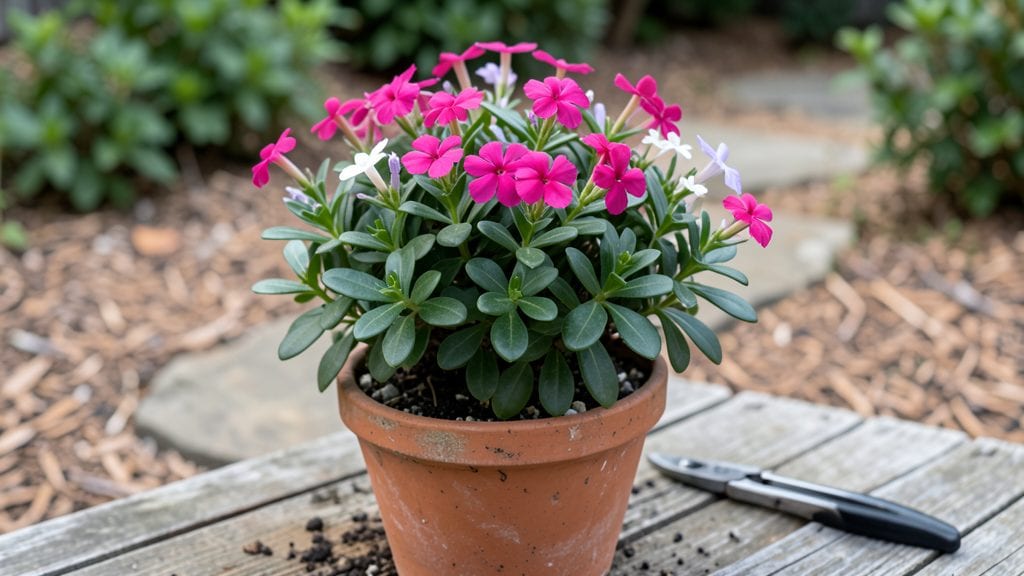
Growing vinca flowers in pots is my secret weapon for year-round color—those glossy leaves and cheerful blooms just keep coming, no matter the season. 🌿 I’ve killed more delicate annuals than I’d like to admit, but vinca?
It’s the plant that refuses to give up, even when I forget to water it for a week. The key lies in matching the right pot, soil, and sunlight to its natural resilience, and once you do, you’ll have a container garden that looks good from spring through winter.
The beauty of vinca in pots is how forgiving it is—bright sunlight or partial shade, dry soil or slightly moist, it handles it all.
You’ll need well-draining potting mix (no heavy garden soil), a container with drainage holes (terracotta or fabric pots work best), and a spot that gets at least 4-6 hours of sun daily.
Fertilize lightly every 4-6 weeks with a balanced formula, and you’ll see those dark green leaves stay vibrant and flowers bloom nonstop. Even in my shady balcony spot, vinca thrives where other plants wilt.
What you’ll end up with is a zero-fuss container garden that stays lush and colorful, even when your neighbors’ plants are struggling. The flowers come in shades of pink, white, and purple, and the foliage stays glossy and healthy through heatwaves and light frosts.
Plus, vinca deters pests naturally—no aphids or spider mites to deal with. It’s the kind of plant that makes gardening feel effortless, and once you try it, you’ll never go back to high-maintenance annuals again.
Works equally well in hanging baskets, window boxes, or large patio pots, making it perfect for small spaces or urban balconies. Whether you’re a beginner or a seasoned gardener, vinca in pots delivers reliable color with minimal effort—and that’s a promise I’ll stand by.
Let’s get those containers blooming!
📚 In This Guide
- What you need
- Instructions
- Tips and common mistakes
- Wrapping up and next steps
What you need
- ● Vinca plants: 1–3 plants per 12-inch pot (choose Catharanthus roseus for vibrant blooms).
- ● Containers: 1–3 pots per plant (12–18 inches deep with drainage holes).
- ● Material options: Terracotta, ceramic, or plastic (ensure they’re weather-resistant).
- ● Potting mix: 1 bag (1–2 cubic feet) of well-draining mix (e.g., 60% potting soil + 30% perlite + 10% sand).
- ● Drainage medium: Small gravel or pebbles (½ cup per pot).
- ● Fertilizer: Balanced, water-soluble fertilizer (10-10-10 or 20-20-20, diluted to half-strength).
- ● Watering can: With a fine rose nozzle for gentle hydration.
- ● Pruning shears: Sharp, clean pair for trimming dead blooms.
- ● Mulch: Organic mulch (e.g., shredded bark) to retain moisture.
- ● Slow-release granules: For 3–6 months of nourishment (follow package rates).
- ● Container trays: To catch runoff and protect surfaces.
- ● Decorative accents: Pebbles, moss, or saucers for a polished look.
- ● Gloves: To protect hands during planting or pruning.
Step-by-step instructions for planting vinca flowers in pots
Vinca thrives in containers with minimal fuss—here’s how to set up vibrant, long-lasting blooms.
🪴 Step 1: Choose the Right Containers and Drainage
Vinca needs well-draining pots with holes to prevent soggy roots. I use 6-8 inch diameter containers for each plant—just the right size to balance root growth and water retention. If your pots lack drainage, drill ¼-inch holes in the bottom and cover them with mesh to keep soil in place.
Terra cotta pots work best because they breathe, helping roots stay aerated. For a polished look, I pair them with saucers to catch excess water. Place a 1-inch layer of gravel at the bottom before adding soil—this extra drainage layer prevents waterlogging, which vinca hates.
🌱 Step 2: Prepare Soil and Plant Vinca
Fill the pot with a mix of 50% potting soil and 50% perlite or coarse sand—this lightens the soil and mimics vinca’s natural, well-draining habitat. Vinca tolerates poor soil, but this blend ensures it thrives. Gently loosen the roots of your vinca plant before placing it in the pot.
Position the plant so the top of the root ball sits ½ inch below the rim. This prevents soil from spilling out when you water. Press lightly around the edges to secure the plant, but don’t compact the soil—vinca roots need room to breathe. Water immediately after planting until moisture runs out the drainage holes.
☀️ Step 3: Position for Sun and Water Regularly
Vinca loves full sun to partial shade—place pots where they get at least 4-6 hours of sunlight daily. A south-facing window or balcony works perfectly. If leaves start looking pale or stretched, it’s a sign they need more light. Move the pot closer to the sun or supplement with a grow light for 6 hours a day.
Water when the top inch of soil feels dry. Stick your finger in the soil—if it’s dry past your first knuckle, it’s time to water. Vinca is drought-tolerant once established, but newly potted plants need consistent moisture. Avoid soggy soil, though; vinca roots rot quickly if they sit in water.
✂️ Step 4: Prune and Fertilize for Continuous Blooms
Deadhead spent flowers by pinching them off at the base—this encourages new blooms and keeps vinca looking tidy. I do this every 2-3 weeks during the growing season. Prune leggy stems back by ⅓ in early spring to promote bushier growth. Use clean, sharp scissors to avoid damaging the plant.
Feed vinca with a balanced, water-soluble fertilizer (10-10-10) every 4-6 weeks during spring and summer. Cut back on fertilizing in fall and winter—vinca grows slowly then and doesn’t need extra nutrients. Over-fertilizing leads to leafy growth at the expense of flowers, so follow the package instructions closely.
🌿 Step 5: Overwinter Care for Year-Round Color
Vinca is evergreen and handles cold well, but pots can freeze in winter. Move containers to a sheltered spot or wrap them in burlap if temperatures drop below 20°F. Reduce watering in winter—water only when the soil is completely dry to avoid root rot.
In late winter, check for dry or dead leaves and trim them away. Vinca often looks a little tired after winter, but it bounces back quickly with fresh soil and a light feeding in early spring. With proper care, your vinca will keep blooming beautifully for years.
Tips & tricks for perfect vinca flowers in pots
A few simple tricks will help you keep your vinca thriving and blooming beautifully all year long.
Pot Selection: If you're using decorative pots without drainage holes, add a layer of 2-inch gravel at the bottom instead of the recommended 1-inch. This extra layer gives vinca's sensitive roots more protection against waterlogging. I've found that using pots with feet also helps prevent water from pooling underneath—just a small upgrade that makes a big difference.
Soil Mix: For the 50% perlite or coarse sand in your soil mix, I recommend using coarse horticultural sand instead of fine beach sand. Fine sand can compact over time, reducing drainage. You can also add a handful of orchid bark to the mix for even better aeration—it breaks down slowly and improves soil structure as it decomposes.
Lighting Strategy: If you're supplementing with grow lights for the required 6 hours, position them 12-18 inches above the plants. Vinca needs bright light, not intense heat. I've found that using a full-spectrum LED grow light on a timer works perfectly—just make sure it's not too close, or you'll end up with crispy leaves. The 4-6 hours of natural sunlight should still be your priority.
Watering Wisdom: When checking if the top inch of soil is dry, I like to use a wooden skewer instead of my finger. It gives a more accurate reading of moisture levels throughout the soil profile. Also, always water in the morning—this gives the roots time to absorb moisture before evening temperatures drop, preventing potential stress on the plant.
Pro Tips for Vinca Flowers In Pots
- A few simple tricks will help you keep your vinca thriving and blooming beautifully all year long.
- Pot Selection: If you're using decorative pots without drainage holes, add a layer of 2-inch gravel at the bottom instead of the recommended 1-inch.
- Soil Mix: For the 50% perlite or coarse sand in your soil mix, I recommend using coarse horticultural sand instead of fine beach sand.
Frequently asked questions
Got questions about keeping vinca flowers thriving in pots? You’re not alone! Here are answers to the most common concerns—whether you’re a newbie or a seasoned plant parent.
Can vinca flowers survive winter in pots?
Yes! Vinca is cold-hardy and can tolerate light frost (down to 10°F/-12°C), but pots freeze more easily than ground soil. Move containers to a sheltered spot or wrap them in burlap for extra protection. If you’re in a harsh winter zone, consider overwintering indoors with bright, indirect light.
How often should I water potted vinca?
Water when the top 1-2 inches of soil feel dry. Overwatering is the biggest risk—vinca hates soggy roots. In hot weather, check soil daily; in cooler months, water every 7-10 days. Ensure pots have drainage holes to prevent root rot.
Why aren’t my vinca flowers blooming?
Vinca blooms best with 6+ hours of sunlight daily and well-draining soil. If flowers fade, it could be due to over-fertilizing (stick to a balanced formula in spring/summer) or root-bound pots. Prune leggy stems to encourage bushier growth and more blooms.
Can I grow vinca in hanging pots?
Vinca thrives in hanging pots, cascading beautifully with its trailing vines. Choose a pot with 4+ inches of depth and ensure it’s lightweight for easy moving. Trailing varieties like Vinca minor are perfect for this style.
What pests should I watch for with potted vinca?
Vinca is generally pest-resistant, but keep an eye out for aphids or spider mites (common in dry conditions). Blasts of water or neem oil can treat mild infestations. Healthy plants with proper watering and airflow rarely attract pests.
Are there vinca alternatives for shadier spots?
If your space is low-light, try impatiens or begonias—both love shade and bloom prolifically. For a vinca-like look with drought tolerance, consider lamium or heuchera (though they prefer slightly more moisture).
Wrapping up and next steps
Vinca flowers in pots are the ultimate low-maintenance superstars—bringing vibrant color to your space with almost no effort! Whether you’re a seasoned gardener or a plant-newbie, their resilience and adaptability make them the perfect choice for year-round beauty. 🌿✨
Ready to transform your balcony, patio, or windowsill? Grab a pot, pick your favorite vinca variety, and get growing! Start small with a single plant, or go bold with a cascading display—your outdoor (or indoor!) oasis awaits.