
Flowers
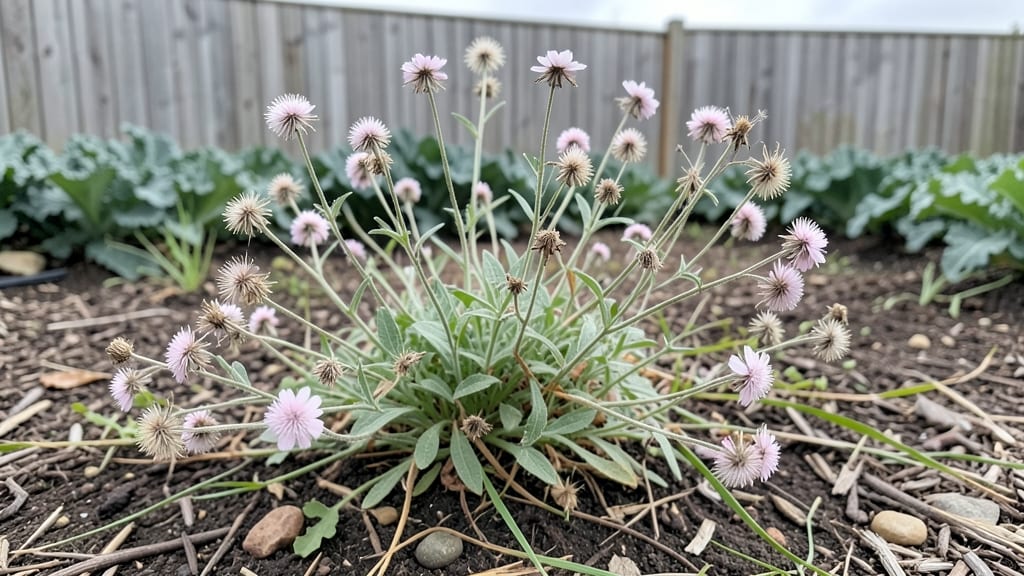
The Virginia stickseed flower—a delicate white daisy—transforms dry, sunny spots into effortless, drought-proof beauty with its tough perennial charm. The secret lies in its native adaptability: it handles poor soil, minimal water, and even urban heat once established.
You’ll need full sun (at least 6 hours daily) and well-draining soil—even rocky or sandy patches work. Plant seeds in spring or divide established clumps in early fall. Once rooted, water lightly for the first month, then forget it—this plant survives on what little rain falls.
The airy seed heads add winter interest, and bees adore the blooms.
By midsummer, you’ll have a nearly invisible groundcover that still delivers cheerful flowers. It spreads slowly but steadily, crowding out weeds naturally. The best part? No deadheading, no fertilizing, and zero fuss. For pollinators and lazy gardeners alike, this is the ultimate no-work, high-reward perennial.
Works in borders, slopes, or wildflower meadows—anywhere you want color without effort. Just plant and enjoy. The only challenge? Resisting the urge to water it (it’s tougher than it looks).
📚 In This Guide
- What you need
- Instructions
- Tips and common mistakes
- Wrapping up and next steps
What you need
- ● Virginia Stickseed Seeds: 10–20 seeds (or a small packet for beginners). Choose a reputable supplier for high-quality, non-GMO seeds.
- ● Well-draining potting soil: 2–3 gallons (mix with perlite or sand for extra drainage if needed).
- ● Containers or garden bed: For containers: 5–7-inch pots with drainage holes (1–2 per seedling).
- ● For direct planting: A sunny spot with loose, rocky soil (or amend clay soil with compost).
- ● Watering can or hose: With a gentle spray nozzle for seedlings.
- ○ Organic fertilizer (optional but helpful): A balanced 10-10-10 or slow-release granular fertilizer (1 tbsp per plant at planting time).
- ● Garden trowel or small shovel: For transplanting seedlings.
- ○ Glove (optional): To protect hands from prickly stems.
- ○ Mulch (optional): 1–2 inches of pine straw or gravel to retain moisture and deter weeds.
- ○ Pruning shears (optional): For deadheading spent blooms to encourage more flowers.
- ● A full-sun location (6+ hours of direct sunlight daily). Partial shade works but may reduce blooms.
- ● Drought tolerance: Water sparingly once established (overwatering is the biggest enemy!).
- ● Patience: Germination takes 14–21 days, and full bloom may take 2–3 months.
Step-by-Step guide to planting and maintaining Virginia stickseed
This hardy perennial thrives with minimal fuss—here’s how to establish it for years of effortless beauty.
Select the Perfect Planting Location
Virginia stickseed (Lamium maculatum) flourishes in partial shade to full sun, though it tolerates 6+ hours of morning sunlight without scorching. Choose a spot with well-draining soil—this plant despises soggy roots. I always test drainage by digging a 6-inch hole, filling it with water, and waiting to see if it drains within 30 minutes. If not, amend the soil with 2-3 inches of coarse sand or perlite before planting.
The reason for this is simple: stickseed’s native habitat mimics rocky, dry slopes where water pools aren’t an option. In clay-heavy soil, roots rot before they establish. If your garden has dense clay, consider raised beds or containers with fast-draining mix—this plant rewards patience with years of low-maintenance blooms.
Prepare the Soil and Plant with Care
Loosen the soil to a depth of 12 inches using a garden fork, breaking up compacted layers. Virginia stickseed adapts to most soil types but thrives in loamy, slightly acidic soil (pH 6.0–7.0). If your soil is heavy, mix in 1 part compost per 3 parts native soil to improve structure without smothering roots. Avoid fresh manure—it burns tender new growth.
Space plants 12–18 inches apart in rows 18–24 inches apart to allow airflow and prevent fungal diseases. Dig holes slightly deeper than the root ball to encourage stability. Gently remove the plant from its container, tease the roots outward, and place it in the hole so the top of the root ball sits level with the surrounding soil. Backfill with native soil, pressing lightly to eliminate air pockets.
Water Deeply and Establish a Drought-Resistant Routine
Water deeply immediately after planting to settle the soil around roots, then reduce watering to once weekly unless rainfall provides 1 inch of moisture. Virginia stickseed’s succulent leaves store water, making it drought-tolerant once established. Overwatering is the real enemy—it causes root rot and leaf spot disease. You’ll know moisture is right when the soil feels dry to touch 1–2 inches below the surface.
During the first growing season, mulch with 2–3 inches of shredded bark or gravel to conserve moisture and suppress weeds. Avoid organic mulches like wood chips—they retain too much moisture. Stickseed’s silvery foliage and pink blooms will emerge within 4–6 weeks, signaling successful establishment. After that, water only during prolonged dry spells—this plant thrives on neglect.
Prune Strategically for Continuous Blooms
Deadhead spent flowers in early summer to encourage a second flush of blooms in late summer to fall. Snip stems just above a set of leaves with clean bypass pruners, cutting at a 45-degree angle to prevent water pooling. Avoid shearing the plant—stickseed’s textured foliage is as valuable as its flowers. I prune only the flowering stems, leaving the basal rosettes intact to maintain vigor.
In early spring, trim back any brown or leggy growth to 3–4 inches above the ground. This promotes compact, bushier growth and prevents the plant from becoming woody. Stickseed rarely needs division, but if clumps become overcrowded after 3–4 years, dig up the entire plant, separate the roots, and replant in early spring or fall. The roots divide easily, and you’ll have multiple plants for the price of one.
Protect and Enjoy Year-Round Interest
Virginia stickseed is deer-resistant and disease-free under proper conditions, but slugs and snails may target young plants. Set out copper barriers or diatomaceous earth around new seedlings until they establish. Once mature, the plant’s tough foliage deters pests naturally. In winter, the silvery leaves provide texture contrast against snow, while seed heads add structure to dormant gardens.
Fertilize once annually in early spring with a balanced 10-10-10 formula at half strength. Too much nitrogen produces lush foliage but fewer flowers. Stickseed’s self-seeding habit ensures it spreads naturally—simply pull unwanted seedlings or transplant them to fill gaps. With zero fuss, this perennial delivers color, texture, and resilience for decades. That’s the beauty of a plant that asks for so little in return.
Tips & tricks for perfect Virginia stickseed planting and care
These tried-and-true strategies will help you establish and maintain thriving Virginia stickseed with minimal effort.
Soil Preparation Insight: When testing drainage in Step 1, don't just check the hole—observe how water moves through the surrounding soil. If water pools anywhere within 6 inches of your test hole, you'll need to amend a larger area. For clay-heavy soils, consider mixing in 1 part coarse sand to 3 parts native soil before planting to improve drainage permanently. This plant's roots are sensitive to waterlogging, so prevention is key.
Planting Depth Technique: The instruction to plant slightly deeper than the root ball might seem counterintuitive, but it's crucial for stability. Gently press the surrounding soil after backfilling to eliminate air pockets—this creates better root-to-soil contact. I've found that adding a 1-inch layer of coarse perlite around the roots before backfilling provides extra drainage insurance, especially in heavier soils.
Watering Wisdom: The once-weekly watering guideline in Step 3 assumes average rainfall conditions. In containers or sandy soils, you may need to water every 4-5 days during the first growing season. Always check moisture by feeling 1-2 inches below the surface—if it's dry, water deeply until moisture reaches 6 inches down. Overwatering is the number one cause of failure with this drought-tolerant plant.
Pruning Precision: When deadheading in early summer, focus on removing only the spent flower stems—never cut into the leafy growth. I've learned that using clean bypass pruners and making cuts at a 45-degree angle prevents water from pooling on the cut surface, which could lead to fungal issues. For the spring pruning, I recommend using sharp shears to avoid tearing the stems, which can introduce disease.
Pro Tips for Virginia Stickseed Flower
- These tried-and-true strategies will help you establish and maintain thriving Virginia stickseed with minimal effort.
- Soil Preparation Insight: When testing drainage in Step 1, don't just check the hole—observe how water moves through the surrounding soil.
- Planting Depth Technique: The instruction to plant slightly deeper than the root ball might seem counterintuitive, but it's crucial for stability.
Frequently asked questions
about the Virginia stickseed flower (Hackelia virginiana)—your go-to for resilient, low-maintenance beauty! Here are answers to the most common questions gardeners ask.Is Virginia stickseed easy to grow for beginners?
This drought-tolerant perennial thrives in partial to full sun and handles poor soil like a champ. Just plant seeds in early spring or fall, water lightly, and let nature take over. Zero fuss—perfect for lazy (but green-thumbed) gardeners!
How long does it take for Virginia stickseed to bloom?
Patience pays off! From seed, expect 60–90 days to first blooms, while established plants may flower in 2–3 years. Once happy, they’ll reward you with delicate lavender-blue flowers from late spring to early summer. Pro tip: Deadhead spent blooms to encourage repeat flowering.
Can I grow Virginia stickseed in containers?
Yes, but choose larger pots (10+ inches deep) with well-draining soil. Containers dry out faster, so water 1–2 times weekly until established. Just avoid soggy roots—this plant hates overwatering! Bonus: It’s a great pollinator magnet for balconies and patios.
Are there any pests or diseases I should watch for?
This hardy plant is pest-resistant, but watch for aphids (rare) or fungal issues if overwatered. Solution: Improve airflow, water at the base, and use neem oil if needed. Virginia stickseed’s tough constitution makes it a low-drama garden star.
What’s a good alternative if I want similar drought-resistant flowers?
Try these low-maintenance perennials:
- Blanket flower (Gaillardia) – Bold colors, thrives in heat.
- Russian sage (Perovskia) – Silvery foliage, long bloom season.
- Purple coneflower (Echinacea) – Classic pollinator favorite.
Wrapping up and next steps
The Virginia stickseed flower is a true gem for gardeners seeking beauty with minimal effort—its drought tolerance, striking blooms, and effortless care make it a standout choice.
Whether you’re a seasoned gardener or just starting, this resilient perennial proves that stunning gardens don’t require endless upkeep. Ready to transform your space? Grab some seeds, find a sunny spot, and let nature do the rest—your low-maintenance oasis awaits! 🌱✨
🌿 Next Steps:
- Plant now! Start with a small patch and watch it thrive.
- Share the love. Gift a plant to a fellow gardening enthusiast.
- Experiment. Try pairing it with other drought-resistant plants for a stunning combo.