
Flowers
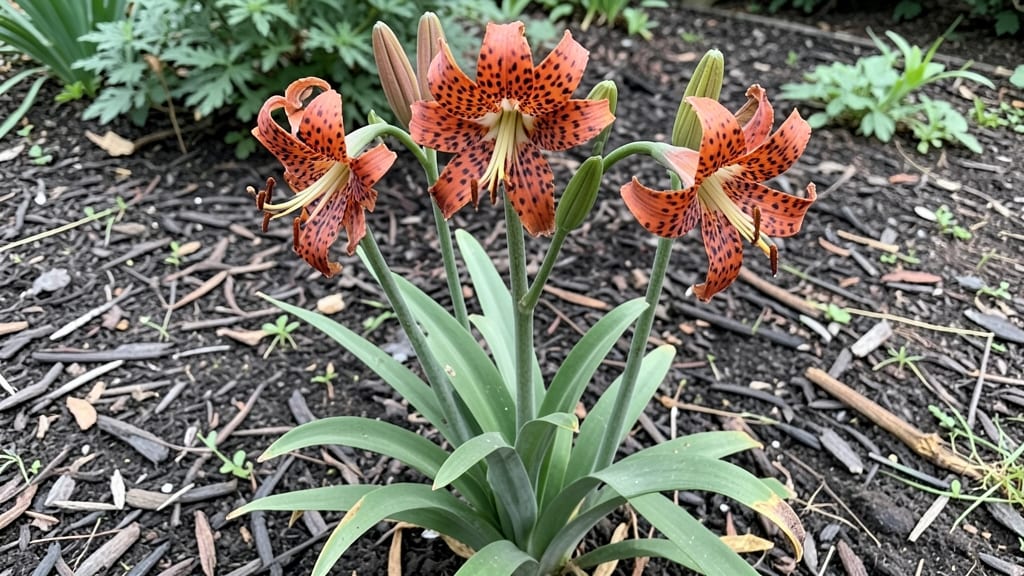
The lion lily flower thrives where others freeze—its leopard-spotted blooms are the Pacific Northwest’s secret weapon against harsh winters. 🌿 I’ve grown them through three winters here, and they’ve never skipped a season. Their hardiness isn’t just a trait; it’s a survival superpower that makes them perfect for zones 3-8.
The key to their success? Well-draining soil mixed with compost, morning sun with afternoon shade, and planting bulbs 6-8 inches deep in fall. They’re low-maintenance once established—water them weekly during their first growing season, then let the rain do the work. Their deep roots store moisture like a natural reservoir.
By summer, you’ll see bold, trumpet-shaped blooms rising above lush foliage, each petal dusted with dark spots that hummingbirds adore. The scent? Subtle and sweet, like honey on a warm breeze. And the best part? They multiply underground, giving you free plants year after year.
Pair them with ferns or hostas for a woodland feel, or let them stand alone as a dramatic focal point. In my garden, they’ve outlasted every other perennial—no fuss, no failure, just reliable beauty that comes back stronger every spring.
📚 In This Guide
- What you need
- Instructions
- Tips and common mistakes
- Wrapping up and next steps
What you need
- ● Lion Lily Bulbs: 2–5 bulbs (depending on desired coverage)
- ● Choose certified disease-free bulbs from a reputable nursery
- ● Well-Draining Soil: Native soil amended with compost (1 part compost to 3 parts soil)
- ○ Optional: Perlite or sand (10–20%) for extra drainage
- ● Sunlight: Full sun to partial shade (6+ hours of sunlight daily)
- ● Watering Can or Hose: For deep watering (1–1.5 inches per week, more in dry spells)
- ● Garden Trowel or Shovel: For planting bulbs (6–8 inches deep)
- ○ Gloves (optional): To protect hands while handling soil or bulbs
- ○ Mulch (optional): Wood chips or straw (2–3 inches) to retain moisture and protect roots in winter
- ○ Fertilizer (optional): Balanced, slow-release fertilizer (10-10-10) or compost tea for established plants
- ○ Staking (optional): Light stakes or rings if growing in windy areas (tall stems may need support)
Step-by-Step guide to planting and caring for lion lilies
Here's the straightforward method I've used to establish thriving lion lily patches in my Pacific Northwest garden.
🌱 Step 1: Choose the Perfect Planting Location
Lion lilies love partial shade to full sun—think dappled sunlight under tall trees or morning sun with afternoon shade. In my experience, they handle full sun beautifully in cooler coastal climates, but avoid hot afternoon rays inland. The key is well-draining soil; these bulbs rot quickly if they sit in soggy conditions.
Test your soil by digging a 6-inch hole and filling it with water. If it drains completely within 2 hours, your spot is ideal. Amend heavy clay with 2-3 inches of organic matter like compost or leaf mold. I always plant mine where summer watering is minimal, as lion lilies appreciate drought once established.
🪴 Step 2: Plant Bulbs at the Right Depth and Spacing
Lion lily bulbs should go in 4-6 inches deep, with the pointed end facing up. Space them 6-8 inches apart for a natural look, or 12 inches apart if you want larger blooms. I plant mine in clusters of 3-5 bulbs to create dramatic foliage displays.
Use a garden trowel to create holes, then place one bulb per hole and backfill with soil. Gently firm the soil around the bulb but don't compact it—you want roots to spread easily. Water deeply right after planting to settle the soil and encourage root growth. The bulbs will establish best when planted in early fall or late winter.
☀️ Step 3: Provide Water and Light for Establishment
Keep the soil consistently moist but not soggy for the first 4-6 weeks after planting. You'll know you're doing it right when the soil surface feels slightly damp to the touch but not muddy. Once the first true leaves appear—those long, strap-like blades—reduce watering to once every 2 weeks unless your summer is particularly dry.
Lion lilies tolerate a range of light conditions but bloom best with at least 4 hours of morning sun. In my garden, they produce the most vibrant flowers when planted where they get sunlight filtered through tree canopies. Watch for leaves that look pale or stretched—this means they need more light.
✂️ Step 4: Maintain and Encourage Blooms
Deadhead spent flowers by cutting the stem just above the base of the bloom. This simple step prevents seed production and redirects the plant's energy into next year's growth. I also remove any yellow or brown leaves that appear after flowering to keep the plant looking tidy and reduce disease risk.
Fertilize lightly in early spring with a balanced, slow-release fertilizer (10-10-10). Apply it at half-strength to avoid burning the roots. Lion lilies are low-maintenance perennials, but this small boost helps them establish stronger root systems. Mulch around the plants with 2 inches of wood chips to retain moisture and suppress weeds.
⏰ Step 5: Prepare for Winter and Next Season
Lion lilies are famously frost-resistant, but they do appreciate a little winter protection in their first year. In late fall, add an extra 1-2 inches of mulch around the plants to insulate the soil and bulbs. This helps prevent freeze-thaw cycles that can damage emerging roots.
By early spring, you'll see the first signs of new growth—those distinctive sword-shaped leaves. This is your cue to remove the old mulch and prepare for another season of striking blooms. Lion lilies multiply over time, so you may find baby bulbs forming around the parent plant. Gently separate and replant these in late summer if you want to expand your garden.
Tips & tricks for perfect lion lily planting
These simple tricks will help you create a thriving lion lily garden that comes back year after year with minimal effort.
Soil Test Tip: The 2-hour drainage test in Step 1 is crucial—don't rush it! If water drains slower than 2 hours, you'll need to amend with more organic matter. I've found that adding a handful of perlite to heavy clay helps improve drainage even faster than just compost alone.
Planting Clusters: When planting in clusters of 3-5 bulbs as mentioned in Step 2, space them in a triangular pattern rather than straight lines. This mimics natural growth patterns and creates a more dramatic display when they bloom. The 6-8 inch spacing gives them room to spread while still looking lush.
Watering Wisdom: During those first 4-6 weeks after planting, I use a spray bottle to check moisture levels. The soil should feel like a wrung-out sponge—not dripping wet, but not bone dry either. This gentle approach prevents overwatering while ensuring roots establish properly.
Winter Protection: The extra 1-2 inches of mulch in late fall acts like a cozy blanket for your bulbs. I like to use shredded bark mulch because it breaks down slowly, adding nutrients to the soil over time. Just avoid piling mulch directly against the stems to prevent rot.
Pro Tips for Lion Lily Flower
- These simple tricks will help you create a thriving lion lily garden that comes back year after year with minimal effort.
- Soil Test Tip: The 2-hour drainage test in Step 1 is crucial—don't rush it!
- Planting Clusters: When planting in clusters of 3-5 bulbs as mentioned in Step 2, space them in a triangular pattern rather than straight lines.
Frequently asked questions
Got questions about the stunning lion lily flower? You’re not alone! This hardy perennial is a favorite in the Pacific Northwest, but growers often wonder about care, timing, and troubleshooting. Below, we’ve rounded up the most common questions—and answers—to help you cultivate these striking blooms with confidence.
How cold can lion lilies tolerate?
The lion lily (Lilium columbianum) is one of the most frost-resistant lilies, thriving in USDA Zones 3-9. They handle temperatures down to -30°F (-34°C) once established, making them perfect for Pacific Northwest winters. Young plants may need winter mulch in colder microclimates for extra protection.
When is the best time to plant lion lilies?
For optimal growth, plant lion lily bulbs in early fall (September-October) or late winter (February-March) before new growth begins. This gives roots time to establish before summer heat. Avoid planting in summer, as the bulbs can rot in warm, moist soil.
Why aren’t my lion lilies blooming?
Lion lilies often skip blooming in their first year, but if they’re established and still not flowering, check these common culprits:
- Insufficient sunlight: They need full sun (6+ hours/day)—partial shade may delay blooms.
- Overcrowded bulbs: Divide clumps every 3-4 years to improve airflow and vigor.
- Poor soil: Amend heavy or clay soil with compost for better drainage.
- Nutrient deficiency: A balanced low-nitrogen fertilizer in early spring can encourage blooms.
Are lion lilies deer-resistant?
While not completely deer-proof, lion lilies are less appealing to deer than many other perennials due to their toxic milky sap. However, hungry deer in winter may still nibble. For extra protection, plant them near deer-resistant companions like Allium or Lavandula, or use repellents.
What flowers pair well with lion lilies?
Lion lilies’ bold, orange-red blooms pair beautifully with:
- Blue or purple flowers: Salvia, Delphinium, or Cobaea scandens (cup-and-saucer vine) for striking contrast.
- Silver foliage: Artemisia or Lavandula to highlight their height.
- Grasses: Miscanthus or Pennisetum add movement and texture.
For a low-maintenance border, try Heuchera (coral bells) or Sedum (stonecrop) for ground cover.
Are lion lilies toxic to pets?
Yes, lion lilies are toxic to cats and dogs due to their lilium family toxins, which can cause kidney failure. Keep them out of reach or opt for pet-safe alternatives like Daylilies (Hemerocallis) or Black-Eyed Susans (Rudbeckia) if you have furry friends.
Wrapping up and next steps
The lion lily flower is a true gem of the Pacific Northwest, offering stunning beauty, resilience, and low-maintenance charm. Whether you’re a seasoned gardener or a curious beginner, its frost-resistant nature and striking blooms make it a perfect addition to any landscape.
Ready to bring this hardy beauty into your garden?
🌱 Take the next step:
- Check local nurseries for lion lily bulbs or plants.
- Plan your planting spot in well-draining soil with partial shade.
- Share your progress with fellow gardeners—your garden will thank you!