
Watering
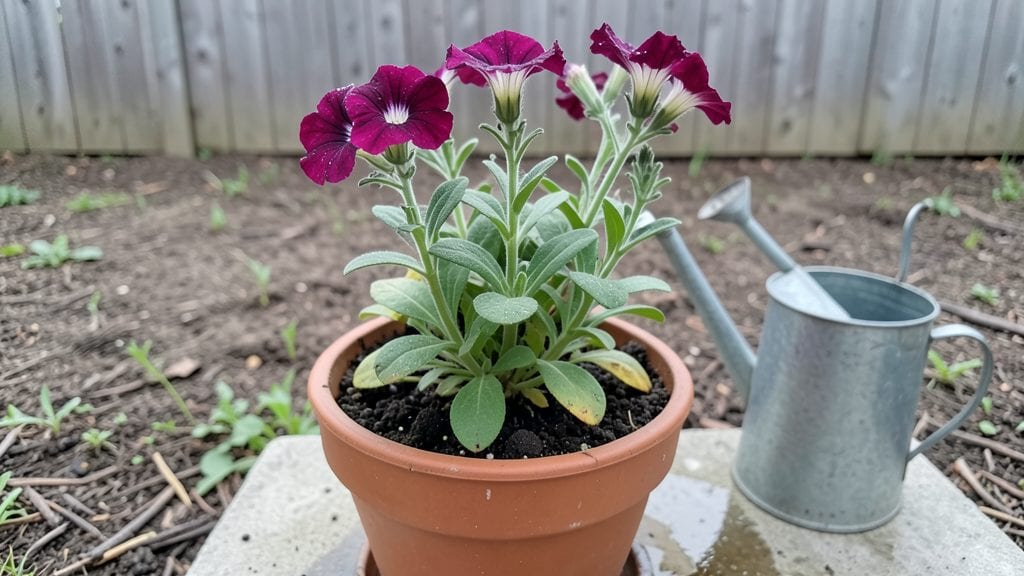
Watering flowers in pots is where most container gardens fail—or thrive—because the wrong approach turns vibrant blooms into sad, wilted messes in weeks. 🌿 I’ve drowned ferns and let succulents shrivel up like raisins, but I’ve also kept petunias blooming for months straight by mastering the balance.
The secret isn’t how often you water—it’s how you control drainage, soil moisture, and plant-specific needs.
Most people check soil moisture by poking a finger in, but that misses the real clues: drooping leaves, crispy edges, or soil that stays soggy for days. Instead, I use the "lift-and-check" method—pick up the pot and see if it feels light (needs water) or heavy (wait a day).
For succulents, let the top inch dry out; for ferns, keep the soil consistently damp but never soggy. Season matters too: summer pots dry out in hours, while winter ones might need watering every 10 days.
You’ll end up with flowers that stay perky, roots that breathe, and no more guessing games. The key is adjusting your routine based on pot size, plant type, and weather—no more dead zones in your garden. Let’s get those containers thriving without the trial and error.
Whether you’re using self-watering pots, bottom-watering trays, or just a trusty watering can, the principles stay the same. The goal? Happy plants that reward you with color and life all season long.
📚 In This Guide
- What you need
- Instructions
- Tips and common mistakes
- Wrapping up and next steps
What you need
- ● Potted flowers: 1–5 plants (depending on pot size; aim for 1–3 per 12" pot for optimal growth).
- ● Well-draining potting mix: 2–5 gallons (lightweight, airy blend with perlite or vermiculite; avoid garden soil).
- ● Watering can or hose with a gentle spray nozzle: 1 (preferably with a narrow spout for precision).
- ● Drainage tray or saucer: 1 (to catch excess water and prevent root rot).
- ○ Moisture meter (optional but helpful): 1 (for monitoring soil hydration levels).
- ● Trowel or small hand shovel: 1 (for adjusting soil or checking drainage holes).
- ● Gloved hands: 1 pair (to protect from dirt or thorns).
- ● Timer or phone alarm: 1 (to track watering schedules).
- ● Self-watering system (e.g., wicks or reservoirs): 1 (great for travel or forgetful waterers).
- ● Mulch (e.g., pine bark or coconut coir): Small amount (retains moisture and regulates temperature).
- ● Humidity tray with pebbles: 1 (boosts moisture for tropical flowers).
- ● Plant food or liquid fertilizer: 1 bottle (use sparingly, per package instructions).
Step-by-Step guide to watering flowers in pots
Mastering container watering keeps your blooms happy and healthy—here's how to do it right.
💧 Step 1: Check Soil Moisture Before Watering
Stick your finger 1 inch deep into the soil—this is where roots actively absorb moisture. If it feels dry, it's time to water. I always do this test in the morning because evening moisture can sit too long in pots. You'll notice the top layer might look dry even when roots are still happy—don't judge by appearances.
For thirsty plants like petunias or geraniums, the soil might feel dry by mid-morning. For drought-tolerant varieties like lavender, wait until the top 2 inches are bone-dry. This simple check prevents both underwatering and soggy roots that invite rot.
🪴 Step 2: Water Thoroughly Until Draining
Use a watering can with a narrow spout to direct water to the soil, not the leaves. Pour slowly until water begins draining from the pot's bottom holes—this ensures roots get a deep drink. I like to water until I see 10-15 seconds of steady flow from the bottom.
Don't just give a quick sprinkle. Inconsistent watering causes roots to grow only at the surface, making plants weak and prone to wilting. For larger pots (over 12 inches wide), you might need 1-2 gallons of water to fully saturate the soil. Let excess water drain completely—never leave plants sitting in saucers of standing water.
☀️ Step 3: Adjust Watering Based on Weather and Sunlight
Plants in full sun need watering every 1-2 days during summer heat, while shade-loving flowers might only need water every 3-4 days. I keep a small notebook by my patio to track which pots need attention most frequently. Watch for drooping leaves—this is your plant's way of saying "I'm thirsty."
After heavy rain, skip watering entirely. Overwatering is just as damaging as underwatering. I learned this the hard way with my fuchsias—after two days of rain, their leaves turned yellow and mushy. Now I check the forecast and adjust my schedule accordingly.
✂️ Step 4: Maintain Proper Drainage Year-Round
Every 2-3 months, flush the soil by watering until water runs clear from the drainage holes. This removes built-up salts and minerals that can harm roots. I do this in the sink with a pot saucer underneath to catch the runoff. It's a quick 5-minute task that prevents long-term soil problems.
If your pots don't have drainage holes, it's time to upgrade. Without proper drainage, roots suffocate and flowers wilt despite regular watering. You can add 1-2 inches of gravel at the bottom before adding soil, but this isn't a permanent fix—repotting with proper containers is best.
🌱 Step 5: Group Pots by Water Needs
Organize your containers by water requirements to simplify care. Place all thirsty varieties like impatiens together and drought-tolerant ones like succulents in another group. This way, you can water entire sections at once without missing any. I use a simple color-coded system: blue tags for frequent waterers, green for moderate, and red for drought-lovers.
This system saves time and prevents overwatering your drought-tolerant plants while neglecting the thirsty ones. It's especially helpful when you're busy or traveling. Just set a reminder to check each group on its scheduled day—your flowers will thank you with longer blooming seasons.
Tips & tricks for perfect container flower care
A few simple strategies will transform your container garden from struggling to stunning—here's what I've learned after watching plants thrive (and occasionally throw tantrums).
Morning Watering Wins: I used to water in the evening, thinking it would help plants "drink" overnight. Then I noticed my marigolds wilting by noon despite what looked like plenty of water. The key is morning watering—it gives plants time to absorb moisture before the heat of the day. If you must water in the evening, do it at least 3 hours before sunset to prevent fungal issues from prolonged dampness.
Soil Depth Matters More Than You Think: That 1-inch check in Step 1 might seem shallow, but it's where most container roots actually grow. For plants in 6-inch pots, test at 1 inch. For larger containers (over 12 inches wide), check at 2 inches deep—this is where the bulk of the root system lives. I keep a small ruler by my watering station to avoid guessing.
Drainage Hack for No-Hole Pots: If you're stuck with decorative pots without drainage, create a DIY solution: Place a 1-inch layer of clean pebbles or broken pottery shards at the bottom before adding soil. This creates temporary drainage while keeping roots from sitting in water. For long-term use, consider repotting into containers with holes—it makes all the difference for plant health.
Seasonal Adjustments: Don't let the 1-2 day summer schedule fool you—winter watering needs drop dramatically. In cooler months, check soil moisture every 3-5 days regardless of plant type. I mark my watering calendar with seasonal reminders to avoid overwatering during dormancy periods. A simple rule: if your home's heat is running, your plants likely need less water.
Pro Tips for Watering Flowers In Pots
- A few simple strategies will transform your container garden from struggling to stunning—here's what I've learned after watching plants thrive (and occasionally throw tantrums).
- Morning Watering Wins: I used to water in the evening, thinking it would help plants "drink" overnight.
- Soil Depth Matters More Than You Think: That 1-inch check in Step 1 might seem shallow, but it's where most container roots actually grow.
Frequently asked questions
Got questions about keeping your potted flowers happy and hydrated? You’re not alone! Here are some of the most common concerns—and their easy solutions—to help your container garden thrive without the guesswork.
How often should I water flowers in pots?
Check soil moisture daily during hot weather—stick your finger 1-2 inches deep. If it feels dry, water thoroughly until it drains from the bottom. In cooler months, every 2-3 days is usually enough. Pro tip: Morning watering reduces evaporation and fungal risks!
Why do my potted flowers wilt even after watering?
Wilting often signals overwatering or poor drainage. Let soil dry slightly between waterings, and ensure pots have drainage holes. If roots look mushy, repot with fresh, well-draining soil. Overwatering kills more plants than underwatering!
Can I use rainwater instead of tap water for my potted flowers?
Rainwater is pH-neutral and free of chlorine/fluoride, which can harm sensitive plants. Collect it in barrels or reuse it from gutters. Just avoid contaminated sources (like roof runoff with bird droppings).
What’s the best way to water flowers without overwatering?
Use the soak-and-drain method: Water slowly until it flows from the drainage holes, then wait 10-15 minutes before adding more. For large pots, a drip irrigation system or watering can with a rose attachment helps control flow.
How do I adjust watering for potted flowers in winter?
Reduce frequency—water only when the top inch of soil is dry. Group pots together to retain moisture, and avoid icy water (use room-temperature water). Mulch the soil surface to insulate roots and prevent freezing.
| Quick Fixes | When to Use |
|---|---|
| Top-dress with mulch | Hot/dry weather or evaporation-prone pots |
| Move pots to shade | Afternoon sun stress or wilting |
| Check drainage holes | Yellowing leaves or soggy soil |
Wrapping up and next steps
Mastering the art of watering potted flowers isn’t just about keeping them alive—it’s about helping them thrive with confidence and ease! 🌸 By focusing on proper drainage, choosing the right soil, and adjusting your watering routine to the plant’s needs, you’ll create a lush, vibrant container garden that turns heads.
Remember, consistency is key, but so is observation—your green thumbs will grow stronger with every watering session.
Now that you’re armed with the know-how, roll up your sleeves and get watering! Start with one pot, track its progress, and soon, your entire garden will be blooming with success. Happy gardening! 🌱