
Flowers
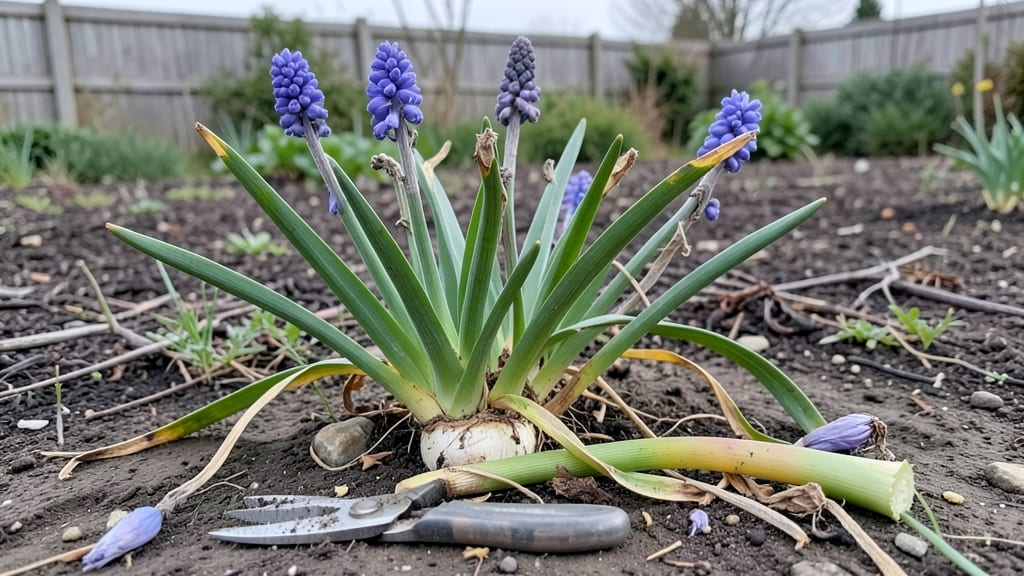
What to do when a hyacinth flower dies is the key to coaxing next year’s fragrant show—so don’t toss those bulbs just yet. ✨ The real work begins after the blooms drop, and what you do now determines whether you’ll get those stunning purple, pink, or white spikes again next year.
My first hyacinths faded without reblooming, and I thought I’d lost them forever until I learned the simple aftercare tricks that bring them back stronger.
The key is treating the bulb like a sleeping champion: give it time to rest, protect it from pests, and feed it just enough to wake up hungry for next spring.
You’ll need basic tools—a pair of pruners, a trowel, and maybe some balanced fertilizer—but the process takes less than 20 minutes and requires almost no maintenance once set up. Even if your bulbs are in containers or garden beds, the same principles apply.
By summer’s end, you’ll have bulbs storing energy underground, ready to burst into bloom again. The foliage turns yellow? That’s not a sign to cut it—let it feed the bulb for 6-8 weeks before fading naturally.
With the right care, your hyacinths will reward you with stunning, fragrant blooms year after year, proving that what looks dead in summer is just waiting for its next act.
Whether you’re dealing with a single pot or a garden bed full, these steps work for all hyacinth varieties. The secret isn’t complicated—it’s consistent. Let’s get those bulbs ready for their grand return next spring.
📚 In This Guide
- What you need
- Instructions
- Tips and common mistakes
- Wrapping up and next steps
What you need
- ● Dormant hyacinth bulbs – Collect all bulbs from your garden (ensure they’re dry and free of rot).
- ● Well-draining potting mix – 2–3 gallons (enough to fill a container with drainage holes). Look for a mix labeled for bulbs or perennials.
- ● Pot or container – A 6–8 inch diameter pot with drainage holes (one per bulb or 2–3 bulbs per larger pot).
- ● Gravel or perlite – ½–1 inch layer for the pot’s bottom (improves drainage).
- ● Pruning shears or sharp scissors – For trimming dead foliage (sterilize with rubbing alcohol).
- ● Watering can with a fine rose nozzle – For gentle hydration (avoid soaking the bulbs).
- ○ Fertilizer (optional but helpful) – A balanced bulb fertilizer (10-10-10) or bone meal (1 tbsp per pot).
- ● Bright, indirect light – A sunny windowsill or grow light (6–8 hours of light daily).
- ● Cool, dark storage (for dormancy) – A basement, garage, or refrigerator (40–50°F / 4–10°C) for 8–10 weeks if forcing indoors.
- ● Patience! – Reviving bulbs takes time—expect blooms in 6–8 weeks after replanting.
Step-by-Step guide to Reviving hyacinth bulbs after flowering
Here’s how to nurse your hyacinths back to health for another season of fragrant blooms.
🌱 Step 1: Stop Watering and Let Foliage Yellow Naturally
Once your hyacinth’s flowers fade, resist the urge to cut back the leaves immediately. Instead, stop watering entirely and let the foliage yellow on its own. This process—called foliar feeding—allows the bulb to store energy for next year’s blooms. You’ll know it’s ready when the leaves turn completely brown and crispy, which usually takes 6-8 weeks.
I know it’s tempting to tidy up, but cutting leaves too soon starves the bulb. Think of it like a plant’s way of saving up for retirement—those leaves are its grocery store for next spring. If you’re in a humid climate, you might see some mold or browning, but that’s normal as long as the leaves stay upright.
✂️ Step 2: Trim and Store Bulbs in a Dry, Cool Place
After the foliage has fully died back, use clean pruners to cut the stems back to about 1 inch above the soil line. Gently dig up the bulbs, shaking off excess soil to check for any soft spots or signs of rot. Healthy bulbs should feel firm and papery-skinned. Store them in a mesh bag or open container in a cool, dry place—like a basement or garage—where temperatures stay between 40-50°F.
Don’t wash the bulbs or store them in plastic bags, as moisture encourages rot. If you notice any mushy bulbs during digging, discard them immediately to prevent spreading disease to the rest. I’ve found that labeling the bags with the variety helps avoid confusion when replanting.
☀️ Step 3: Replant Bulbs in Well-Draining Soil
In early fall, about 6-8 weeks before your first frost, replant your hyacinth bulbs in a spot with full sun to partial shade and well-draining soil. Dig a hole 6 inches deep and space bulbs 4-6 inches apart—closer if you want a dense display. Mix in a handful of bone meal or bulb fertilizer into the soil to give them a nutrient boost for next year’s growth.
Hyacinths thrive in soil that drains quickly, so if your garden soil is heavy clay, amend it with sand or perlite. Water the bulbs lightly after planting to settle the soil, but avoid overwatering. You’ll see new shoots emerge in 4-6 weeks, signaling that the bulb is happy and ready to bloom again.
💧 Step 4: Water and Fertilize for Next Season’s Blooms
Once the new foliage appears in early spring, resume regular watering—about 1 inch per week—and apply a balanced fertilizer every 4-6 weeks to encourage strong growth. You’ll know the bulbs are thriving when the leaves are vibrant green and the stems are sturdy. Avoid over-fertilizing, as this can lead to weak blooms or excessive foliage at the expense of flowers.
Here’s the thing—hyacinths are heavy feeders, so don’t skimp on the fertilizer. I like to use a bulb-specific fertilizer or a low-nitrogen option to promote blooms over leaves. If your hyacinths aren’t flowering well after a few years, it might be time to divide and replant them, as overcrowding can reduce bloom quality.
Tips & tricks for Reviving hyacinth bulbs after flowering
Let me save you the frustration I went through when my first batch of hyacinths refused to bloom again—these little tricks make all the difference between sad, wilted bulbs and next year's stunning display.
Patience is Key in Step 1: That 6-8 week waiting period in Step 1 is critical—don't rush it! I learned this the hard way after cutting leaves too soon and getting no blooms the following spring. The leaves are like the bulb's savings account, storing energy for next year's flowers. If you're in a humid climate, you might see some mold, but as long as the leaves stay upright (not flopping), it's completely normal.
Storage Conditions Matter: When storing your bulbs in Step 2, that 40-50°F range is non-negotiable. I keep mine in my garage during winter, but if you don't have that option, a refrigerator's crisper drawer works perfectly—just don't store them with fruits or vegetables that release ethylene gas. And for heaven's sake, don't wash the bulbs! The natural papery skin protects them from disease.
Soil Prep Makes All the Difference: For Step 3, if your garden soil is heavy clay like mine is, mix in at least 25% perlite or coarse sand to improve drainage. I've found that adding a handful of worm castings along with the bone meal gives an extra boost of nutrients. And here's a pro tip: if you're planting multiple bulbs, create a small mound in the center of each hole—this helps prevent water pooling around the bulb.
Fertilizer Timing is Everything: In Step 4, that 4-6 week fertilizer schedule is perfect, but timing matters. I apply my first dose when the new shoots are about 2 inches tall, then every 6 weeks after that. Too much fertilizer too soon can lead to leafy growth at the expense of flowers. And if you notice your hyacinths aren't flowering after a few years, it's time to divide them—overcrowding is the #1 reason for poor blooming.
Pro Tips for What To Do When Hyacinth Flower Dies
- Let me save you the frustration I went through when my first batch of hyacinths refused to bloom again—these little tricks make all the difference between sad, wilted bulbs and next year's stunning display.
- Patience is Key in Step 1: That 6-8 week waiting period in Step 1 is critical—don't rush it!
- Storage Conditions Matter: When storing your bulbs in Step 2, that 40-50°F range is non-negotiable.
Frequently asked questions
Got questions about what to do when your hyacinth flower dies? You’re not alone! Here are some of the most common concerns—and practical answers—to help you keep your garden thriving.
Can I replant hyacinth bulbs after they die?
Hyacinth bulbs are perennial, meaning they’ll come back year after year if cared for properly. Once the foliage turns yellow and dies back (about 6-8 weeks after blooming), dig up the bulbs, let them dry, and store them in a cool, dark place until fall. Replant them in well-draining soil for next season’s blooms!
How long does it take for hyacinths to die back after flowering?
After the vibrant blooms fade, hyacinths typically take 4-6 weeks to fully die back. The leaves will gradually yellow and wither—this is natural! Don’t trim them too soon; the foliage feeds the bulb for next year’s growth. Once fully brown, it’s safe to cut them back.
What should I do with dead hyacinth leaves?
Dead or yellowed leaves can be composted or removed from the garden bed to keep things tidy. However, avoid cutting them too early—they store energy in the bulb. If you must clean up, wait until the leaves are completely brown (usually late spring or early summer).
Can I force hyacinths to rebloom in the same year?
Unfortunately, no! Hyacinths are seasonal bloomers and won’t rebloom in the same year naturally. The bulb needs a full rest period (6-8 weeks of dormancy) to store energy for next spring. For indoor forcing, you’ll need to purchase fresh bulbs each fall.
Why did my hyacinths die early or not bloom at all?
Several factors can cause this, including overwatering, poor drainage, or lack of sunlight. Hyacinths thrive in full sun to partial shade and well-draining soil. If bulbs rot or fail to bloom, check for pests (like squirrels digging them up) or fungal issues. Adjust care next season for better results!
What are some low-maintenance alternatives to hyacinths?
If you love early spring blooms but want easier care, consider daffodils, tulips, or crocuses. These perennials also return yearly with minimal fuss. For indoor forcing, try paperwhites or amaryllis—they’re just as fragrant and more forgiving!
Wrapping up and next steps
Don’t let a dying hyacinth flower mark the end of its story—it’s just the beginning of a new chapter! With the right care, you can revive your bulbs and enjoy vibrant blooms year after year.
Start by assessing their health, then follow the steps to nurture them back to life, whether through repotting, fertilizing, or adjusting their environment.
Ready to give your hyacinths a second chance? Grab your gardening tools and get started today! Your future garden will thank you with a burst of color and fragrance. 🌸✨