
Flowers
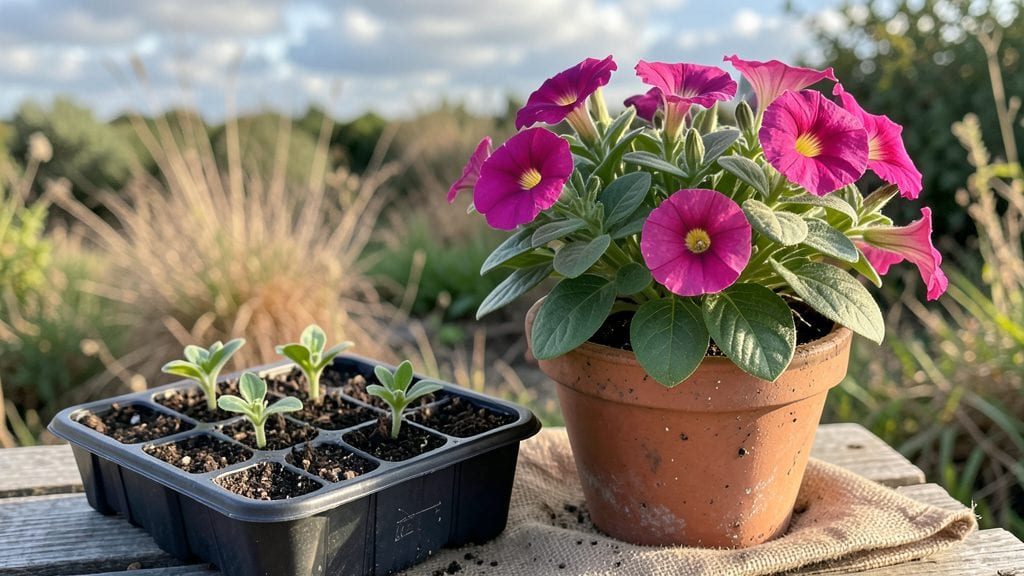
These flower gardening tips for beginners will have your first blooms arriving sooner than you’d expect—just start with three simple choices: sunlight, soil, and the right plants.
I still remember the first time I planted marigolds in my shady patch and watched them thrive anyway—proof that even "rules" have exceptions when you start small. The key isn’t perfection; it’s picking plants that forgive mistakes (like zinnias or cosmos) and giving them consistent care, not complicated routines.
You’ll need just five basics: a sunny spot (even partial shade works), loose soil (amend with compost if yours is hard), a trowel, water, and patience. My first garden used dollar-store pots and mulch from the hardware store—no fancy tools required. The biggest mistake beginners make?
Overwatering or under-watering; we’ll fix that with a foolproof schedule tied to your thumb’s feel, not a calendar. Most flowers need 1-2 inches of water per week, but the soil should feel damp like a wrung-out sponge before you water again.
By summer’s end, you’ll have a patch of color that smells like sunshine and attracts bees—without the stress. Imagine snipping fresh-cut blooms for your table or leaving them to dry for winter arrangements. The secret? Start with one 4x4-foot bed and expand only when you’re hooked.
Even my neighbor’s "brown thumb" garden now has more blooms than her yard did five years ago, and it took just three easy steps to get there.
This works for apartments, balconies, or backyard plots—anywhere you can tuck in a pot or two. We’ll cover the three most beginner-friendly flowers, how to tell if your soil is ready, and what to do when pests show up (spoiler: most won’t). Let’s grow something you’ll actually enjoy tending.
📚 In This Guide
- What you need
- Instructions
- Tips and common mistakes
- Wrapping up and next steps
What you need
- ● Garden soil or potting mix: 1–2 bags (5–10 lbs each), depending on pot/bed size. Opt for well-draining mix—look for labels like "organic" or "flower-specific."
- ● Containers or garden beds: For pots: 5–10 containers (5–10 inches deep) with drainage holes. Terracotta, plastic, or fabric pots work!
- ● For in-ground beds: A small plot (3’x3’ is perfect for starters) with loose, fertile soil.
- ● Seeds or seedlings: 3–5 easy-to-grow varieties (e.g., marigolds, sunflowers, or petunias). Start with 5–10 seeds per pot if planting from seed.
- ● Watering can or hose with a gentle spray nozzle: A 1–2 gallon can is ideal for precision watering.
- ● Gloves: A pair of lightweight gardening gloves to protect your hands.
- ● Hand trowel: A small, sturdy trowel (6–8 inches long) for planting and soil prep.
- ● Fertilizer: Slow-release granules or liquid fertilizer (follow package instructions for dilution).
- ● Mulch: Shredded bark or straw to retain moisture and suppress weeds.
- ● Pruning shears: Small, sharp shears for trimming dead blooms or overgrown stems.
- ● Stakes or trellis: For climbing plants like morning glories or sweet peas.
- ● Sunlight meter or app: To track light exposure (e.g., Sun Surveyor app).
- ● Knee pad or small stool: For comfort during planting or weeding.
Step-by-step instructions for growing a beginner-friendly flower garden
Here’s the foolproof method I’ve used to help beginners grow vibrant, low-maintenance flower gardens that actually thrive.
🌱 Step 1: Choose the Right Location and Sunlight
Most annual and perennial flowers need at least 6 hours of direct sunlight daily. Observe your yard’s light patterns—morning sun is gentler, while afternoon sun can be intense. If your space gets only partial sun, opt for shade-tolerant flowers like impatiens, ferns, or astilbes.
Mark the area with stakes to visualize the layout. Avoid spots where water pools after rain—poor drainage kills roots faster than any other issue. If your soil feels compacted or clay-heavy, amend it with 2-3 inches of compost before planting. You’ll know it’s ready when it crumbles easily between your fingers like cake crumbs.
🪴 Step 2: Select Easy, Reliable Flower Varieties
Stick to self-seeding annuals like marigolds, zinnias, or cosmos—they’ll bloom nonstop with minimal effort. Perennials like coneflowers, black-eyed Susans, and daylilies return year after year, reducing replanting work. Avoid fussy flowers like orchids or snapdragons until you’ve mastered basics.
Buy healthy transplants with firm stems and no yellowing leaves. Check the root ball—it should be tightly packed, not falling apart. Plant in the morning or evening to avoid transplant shock from midday heat. Space plants according to their mature size (check the tag), leaving 12-24 inches between most flowers for airflow.
💧 Step 3: Water Deeply and Consistently
Water deeply once or twice a week rather than shallow daily sessions. Aim for 1-1.5 inches of water per week, including rainfall. Use a soaker hose or drip irrigation to deliver moisture directly to the roots without wetting leaves (which spreads disease).
Test moisture by sticking your finger 2 inches into the soil—if it’s dry, water again. Overwatering is just as deadly as underwatering. Mulch with 2-3 inches of organic mulch (like shredded bark) to retain moisture and suppress weeds. You’ll see fewer brown, crispy leaves when the soil stays evenly moist.
✂️ Step 4: Deadhead and Maintain for Longer Blooms
Remove spent blooms by pinching off the flower head (or cutting just above a leaf) to encourage more flowers. This simple step keeps zinnias and petunias blooming for weeks longer than neglected plants. Use clean, sharp pruners to avoid tearing stems.
Fertilize lightly every 4-6 weeks with a balanced, slow-release fertilizer (like 10-10-10). Too much nitrogen makes plants leafy but flowerless. Watch for pests like aphids—spray with neem oil if you spot sticky residue on leaves. Most beginner blooms thrive with just good light, water, and occasional deadheading—no fancy chemicals needed.
☀️ Step 5: Extend the Season with Simple Tricks
Protect tender annuals from late frost by covering them with frost cloth or a lightweight row cover on chilly nights. In hot climates, provide afternoon shade for heat-sensitive flowers like snapdragons. Divide perennials every 3-4 years to keep them vigorous—dig up clumps in early spring and split them into smaller sections.
Take cuttings from healthy stems (like coleus or impatiens) to propagate new plants. Dip the cut end in rooting hormone, plant in moist soil, and cover with a plastic bag until roots form. This way, you’ll have free plants next season without buying new ones.
Tips & tricks for perfect flower gardening success
Between us, the difference between a thriving flower garden and one that fizzles out after a few weeks often comes down to these simple but critical details.
Location and Sunlight Insight: I learned this the hard way after ruining three batches of sun-loving petunias in a shady spot—always confirm your space gets the required 6 hours of direct sunlight before planting. Use a sun tracker app for a week to map your yard's light patterns. Morning sun is gentler, while afternoon sun can scorch delicate blooms, so position heat-sensitive varieties like snapdragons accordingly.
Soil Preparation Strategy: That 2-3 inches of compost in Step 1 isn't just about nutrients—it's about creating the perfect crumbly texture. I think this works because compost improves both drainage and moisture retention simultaneously. For heavy clay soil, mix in 1 part sand to 3 parts compost to create a loamy texture that roots will love. Test your soil's readiness by squeezing a handful—it should break apart easily like dry cake crumbs.
Watering Wisdom: The 1-1.5 inches of water per week guideline might seem abstract, so here's how to visualize it: That's roughly the volume of a standard soda can spread over your planting area. Watering deeply encourages roots to grow downward, creating stronger plants. I've found that using a rain gauge helps track your weekly total more accurately than guessing—especially important during dry spells or rainy weeks.
Season Extension Secrets: Don't make my mistake of waiting until frost actually hits to protect tender plants. Start watching your local weather forecasts 2 weeks before the first expected frost date and have frost cloth ready. For hot climates, provide afternoon shade using shade cloth or even a simple white umbrella—this can extend the blooming season by several weeks without stressing your plants.
Pro Tips for Flower Gardening Tips For Beginners
- Between us, the difference between a thriving flower garden and one that fizzles out after a few weeks often comes down to these simple but critical details.
- Location and Sunlight Insight: I learned this the hard way after ruining three batches of sun-loving petunias in a shady spot—always confirm your space gets the required 6 hours of direct sunlight before planting.
- Soil Preparation Strategy: That 2-3 inches of compost in Step 1 isn't just about nutrients—it's about creating the perfect crumbly texture.
Frequently asked questions
Got questions about diving into flower gardening? You’re not alone! Here are answers to the most common beginner queries to help you grow with confidence.
What’s the easiest flower to grow for beginners?
Start with marigolds, zinnias, or sunflowers—they’re hardy, fast-growing, and thrive in full sun. Petunias and pansies are also forgiving for shadier spots. These blooms tolerate mistakes, making them perfect for learning!
When is the best time to plant flowers?
Timing depends on your climate! For most regions, spring (after the last frost) and early fall are ideal. Check your local frost dates—cool-season flowers (like pansies) can handle light frosts, while tender varieties (like geraniums) need warmer soil.
How often should I water my flowers?
Water deeply 1–2 times per week (more in extreme heat), aiming for 1–1.5 inches total. Early morning is best to reduce evaporation and fungal risks. Mulch helps retain moisture—just avoid piling it against stems.
What do I do if my flowers get pests or diseases?
Act fast! Handpick pests (like aphids) or spray with soapy water. For fungal issues (e.g., powdery mildew), improve airflow and treat with neem oil. Prevention is key: healthy soil, proper spacing, and regular checks keep problems at bay.
Can I grow flowers in containers or just a garden bed?
Containers work great for small spaces or renters—just use well-draining soil and pots with drainage holes. Choose compact varieties like bachelor’s buttons or geraniums. Just ensure containers get enough sunlight and water more frequently.
Wrapping up and next steps
Starting your flower gardening journey is an exciting step toward creating a vibrant, blooming oasis—even if you're new to green thumbs! Remember, the key is to start small, choose the right plants for your climate, and embrace patience as your garden grows.
With the right tools, a little care, and these beginner-friendly tips, you’ll soon be rewarded with stunning flowers and a deeper connection to nature.
Ready to take the next step? Pick one or two plants to start this weekend—your future garden (and future you) will thank you! 🌸